
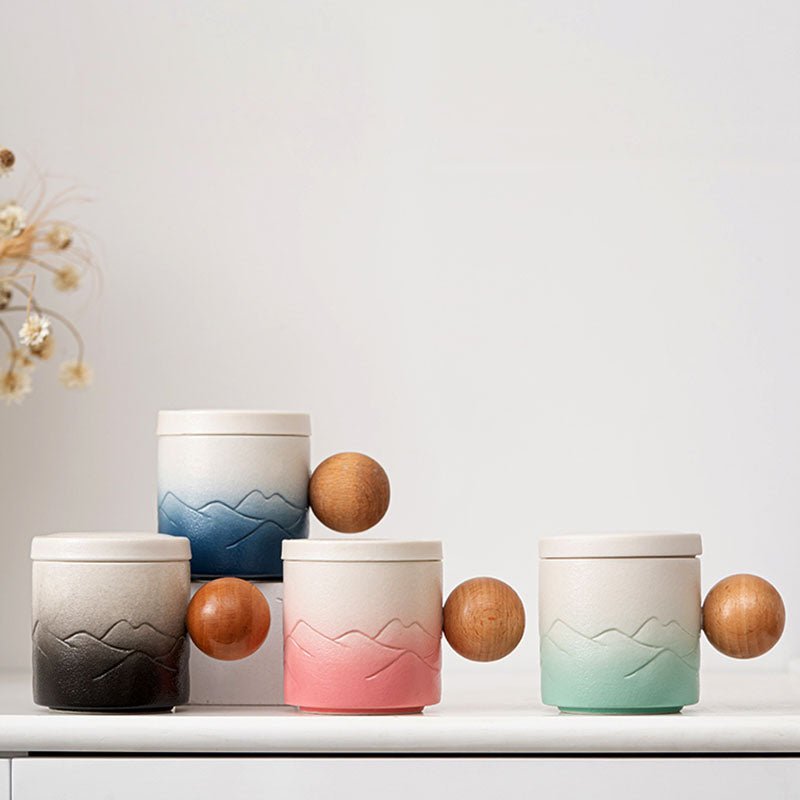
Handleless Coffee Mug Buying Guide: Fit, Heat, and Trade-Offs
Reading time: about 10 minutes
A handleless coffee mug changes the feel of a morning coffee before the first sip. On a kitchen counter or office desk, the clean silhouette keeps the setup simple, but it also asks more from the cup itself: the rim, the wall thickness, and the base all matter more than they do on a mug with a big handle.
In our store, we see handleless mug shoppers making the same decision over and over. They want a cup that looks calm on the table, fits under a espresso machine or tea kettle, and still feels steady in the hand when the drink is hot. That mix is where the right choice lives. A cup can look beautiful and still be wrong for your routine if the wall is too thin, the base is too narrow, or the capacity is larger than you actually use.
In our experience, the people happiest with a handleless coffee mug are usually the ones who care as much about the sip and the table setting as they do about the mug itself.
What does a handleless coffee mug actually solve?
A handleless coffee mug solves a visual problem first and a storage problem second. It gives you a cleaner profile on the counter, a neater gift box, and a cup that stacks or nests more easily than many handled mugs. That is why we see them work well for espresso, flat whites, small pour-overs, tea service, and the kind of office desk setup where a protruding handle just gets in the way of a notebook, laptop sleeve, or mouse pad.
The trade-off is real. Without a handle, the cup transfers heat directly to your fingers, so a very hot drink can be awkward if you like to cradle the mug for a long time. A handleless coffee mug is also not the best fit for someone with grip limitations, a shaky commute, or a habit of carrying coffee across a busy room while multitasking. If you want maximum one-handed security, a handled mug still wins.
That is why we treat handleless pieces as a specific-use category, not a universal replacement. If your coffee lives mostly at a kitchen island, a breakfast tray, or a quiet desk, the format makes sense. If you walk with it between rooms or keep drinks hot for a long stretch, a handled shape is usually the safer buy.
Which styles from CoffeifyMug are close alternatives?
If you like the clean look of handleless drinkware but want to compare against other shapes before buying, our store has a few pieces worth checking. Start with the Ball Handled Coffee Tea Mug if you want a more secure grip and a shape that is easier to carry across the room. If you prefer a more textured, table-ready look, the Pleated Coffee Tea Cup is a useful style comparison. The Golden Waves Kio Coffee Tea Mug fits shoppers who want a more decorative presentation for gifting or a display shelf.
For a wider browse, start with our all collection. That is usually the fastest way to compare silhouettes side by side instead of guessing from one product photo. We use that same approach when helping shoppers narrow down what belongs on a cart and what belongs on a wish list.
Which size feels right in daily use?
Size matters more with a handleless coffee mug than with a handled one because the cup feels larger or smaller in the hand depending on wall thickness and shape. Two cups with the same printed capacity can feel very different. A tall, narrow cup tends to hold heat longer. A wider, shallower cup cools faster and is easier to sip from, but it can also feel a bit more exposed if you like your coffee piping hot.
| Capacity | Best use | Trade-off |
|---|---|---|
| 8 to 10 oz | Espresso drinks, tea, small morning pours | Less room for milk or foam; can feel small if you like a long coffee session |
| 11 to 12 oz | Daily drip coffee, larger tea pours, office use | Can feel bulky in a handleless format if the wall is thin |
| 12 oz and above | Generous servings, shared serving setups, slower sipping | More surface area means faster cooling and more weight in the hand |
If you are trying to decide between common mug sizes, our related guides can help you compare fit before you buy: 10 oz Coffee Mug: Size, Fit, and What to Check Before You Buy and 12 Ounce Coffee Mug Buying Guide for Daily Use and Better Fit. We point shoppers to those articles when they are torn between a compact cup that feels refined and a larger one that works better for everyday pours.
Which materials and finishes work best?
For a handleless coffee mug, material affects more than durability. It changes the drinking experience. Glazed ceramic is the most common practical choice because it cleans easily, resists coffee staining better than porous finishes, and usually gives a smooth rim. Porcelain tends to feel a little lighter and more refined at the lip, which some buyers prefer for tea or espresso. Stoneware usually feels heavier and more grounded in the hand, which can help a handleless cup feel stable, but that extra thickness can also make the rim warmer to the touch.
Finish matters too. A glossy glaze is generally easier to wipe down after a milk drink or a dark roast. Matte finishes can look excellent on a gift shelf, but they may show oil marks faster and can be less forgiving if you wash them in a crowded sink. If you like the visual softness of matte or textured surfaces, inspect the product photos closely for glaze consistency around the rim and foot ring. That is where small defects usually show up first.
There are a few defect modes we look for in this category because they affect real use, not just appearance:
- A rough or uneven lip that makes every sip feel off.
- A wobbly base or uneven foot ring that lets the cup rock on a desk.
- Pinholes, glaze pooling, or hairline crazing that can become more visible after repeated washing.
- Thin wall sections that look delicate and cool too fast for hot coffee.
Those details are easy to miss in a product photo, but they are exactly what determines whether a cup feels premium once it is in your hand.
What should you check before you add one to cart?
Before buying a handleless coffee mug, we recommend checking the same practical points every time. They are simple, but they save buyers from most regrets.
- Rim shape: Look for a smooth, even drinking edge. A chipped or sharp rim ruins the sip.
- Wall thickness: Thicker walls hold heat and feel sturdier; thinner walls feel lighter but can get hot faster.
- Base stability: Make sure the foot ring sits flat so the mug does not wobble on tile, wood, or a desk mat.
- Capacity in real use: Ask what you actually pour. A printed 12 oz cup is not useful if you usually drink 8 oz.
- Care instructions: Check whether the piece is safe for dishwasher or microwave use, and whether the finish needs hand washing.
- Storage fit: Handleless cups often stack more cleanly, but not every shape nests well without rubbing the rim.
If you are comparing daily-use sizes, the related article 11oz Coffee Mug Buying Guide: Size, Fit, and Best Uses is a useful companion read. It helps narrow down the middle-ground size that many shoppers end up choosing after realizing they do not need a huge cup every morning.
How do you care for it without chipping the rim?
Handleless mugs are not difficult to care for, but they do reward a little extra attention. The main issue is not fragility in the abstract. It is impact. Rim chips happen when cups get knocked together in the sink, stacked too tightly, or slid across rough shelves. We also see problems from thermal shock, especially when a cold cup is filled with very hot liquid right after a freezer or fridge stint.
These habits keep the cup in better shape:
- Let the mug warm up gradually if it has been stored cold.
- Load it so the rim does not bang against heavy pans or other mugs in the dishwasher.
- Dry the base after washing so water does not sit in the foot ring.
- Do not stack delicate glazed pieces if the interior finish is rough or prone to scratches.
- Skip harsh scouring pads on matte or decorated finishes.
If the maker says dishwasher safe, that is a convenience feature, not a promise that the cup can take every cycle forever without wear. Repeated high heat and abrasive loading can still dull a glaze over time. Hand washing is slower, but it is usually kinder to the finish, especially on gift pieces or cups with decorative surfaces.
What does a handleless mug not do well?
It is worth being blunt here. A handleless coffee mug is not the best choice for someone who drinks while walking, working in a crowded kitchen, or carrying a hot cup up stairs. It is also not the most comfortable option for large hands if the cup is narrow and the walls are hot after a fresh pour. If your routine includes long meetings, commutes, or all-day desk sipping, a handled mug or travel mug is usually a better fit.
That limitation does not make the format worse. It just means the use case is narrower. We find the buyers who are happiest with a handleless coffee mug usually want one of three things: a calmer table setup, a cup that feels more intentional with tea or espresso, or a compact piece that looks good in a gift box. If that sounds like your buying goal, you are in the right category. If not, you should move to a handled style without forcing the match.
Frequently asked questions
Are handleless coffee mugs good for hot coffee?
Yes, but they work best when the cup has some wall thickness and a stable base. A very thin cup can become uncomfortable quickly, especially with a fresh pour. If you like coffee very hot and sip slowly, choose a size and material that holds heat without forcing you to cradle the cup for too long.
Is a handleless coffee mug safe in the microwave and dishwasher?
Sometimes, but not always. The safest answer is to check the product care notes for the exact piece you want, because glaze, metallic decoration, and firing differences can change the recommendation. Even when a mug is dishwasher safe, top-rack placement and gentle loading help reduce rim chips and surface wear.
What size is best for a handleless coffee mug?
Most shoppers land in the 8 to 12 oz range. Smaller cups work better for espresso drinks and tea, while 11 to 12 oz is a practical daily size for drip coffee. If you are unsure, compare the size against your usual pour rather than the label on the listing.
Do handleless mugs spill more easily?
They can if the cup is tall, narrow, or too full for the drink. The lack of a handle does not automatically make a mug spill-prone, but it does mean you should pay closer attention to base stability and how the cup feels when you pick it up. A wider, balanced shape usually feels safer on a desk or breakfast tray.
What is the best material for a handleless coffee mug?
Glazed ceramic is the most versatile choice for most buyers because it balances appearance, cleaning, and everyday durability. Porcelain feels lighter and often reads more refined, while stoneware feels heavier and more grounded. The best material depends on whether you value heat retention, ease of washing, or a lighter sip.
If you are still comparing options, use three checks before you buy: rim comfort, base stability, and the size you actually drink from. Then browse our all collection to compare shapes and finishes side by side, or jump straight to the handled and decorative options if a handleless coffee mug is not the right fit for your routine.
Read more
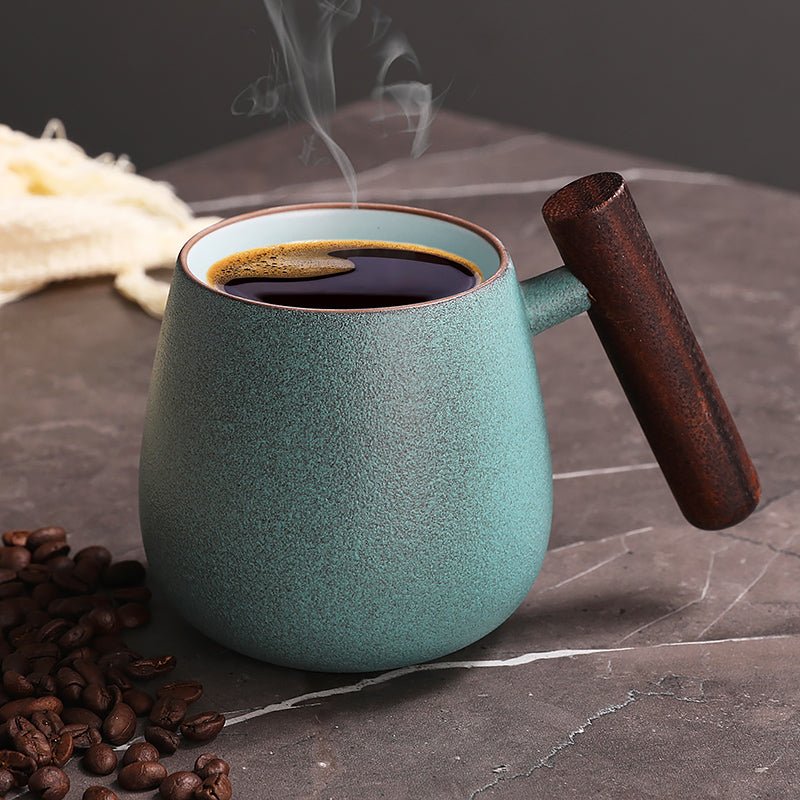
Halo Coffee Mug Guide: Style, Fit, and Best Picks
A practical halo coffee mug guide for shoppers comparing style, handle feel, and daily use. See which CoffeifyMug options suit coffee, tea, desks, and gifting.
Read more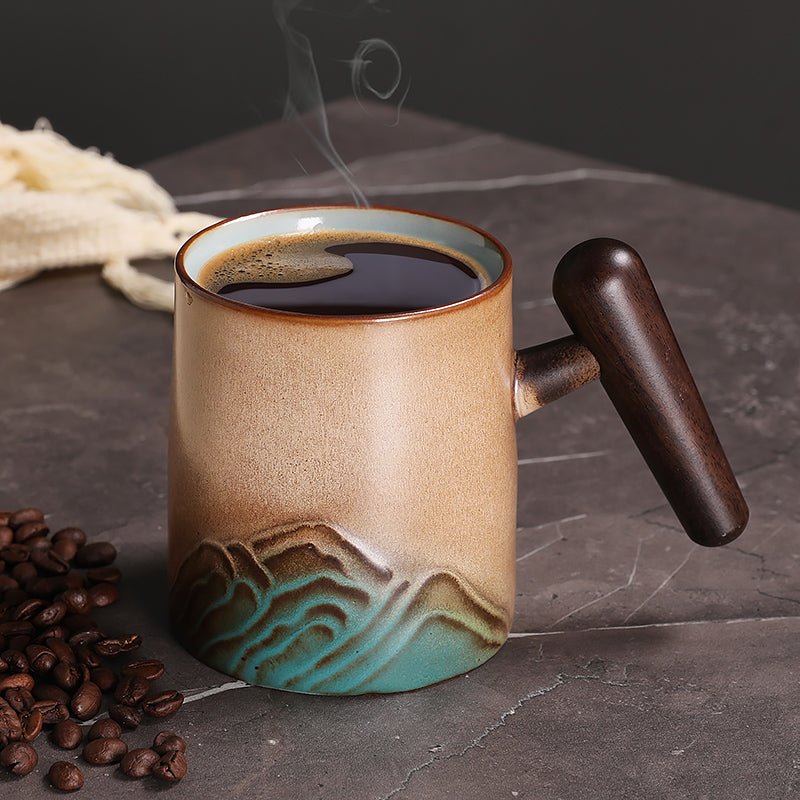
Hardees Coffee Mug Buying Guide: What to Check Before You Buy
A practical guide to choosing a hardees coffee mug for daily use, gifting, or display. We cover size, shape, handle comfort, care, and the trade-offs that matter before you buy.
Read more
Leave a comment
This site is protected by hCaptcha and the hCaptcha Privacy Policy and Terms of Service apply.