
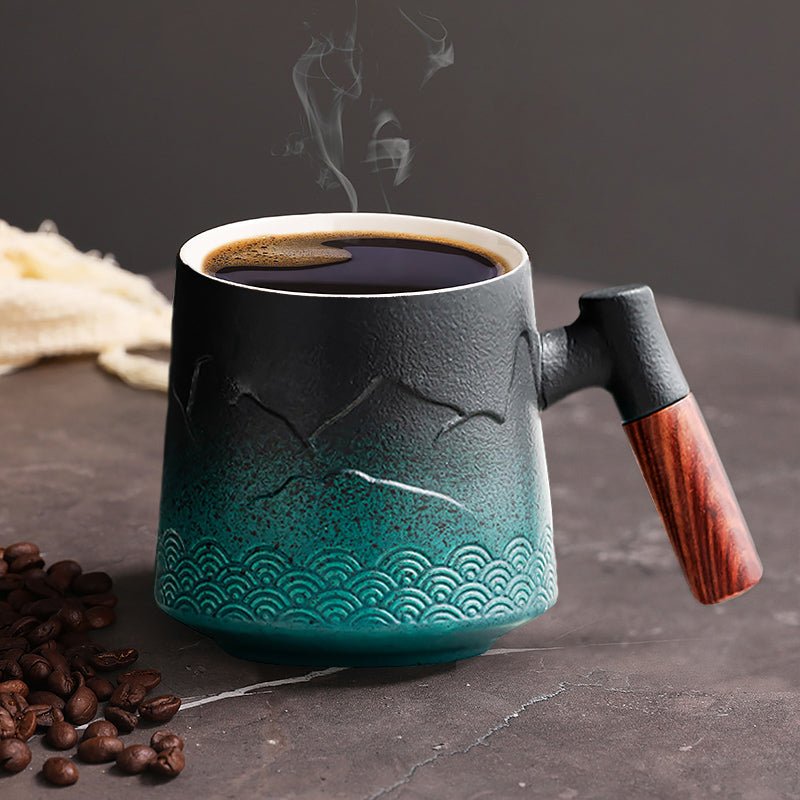
Handle Mug Buying Guide: What to Check Before You Buy
Reading time: about 9 minutes
A handle mug looks simple until you use the wrong one on a busy morning. The handle feels tight, the mug tips when you lift it with one hand, or the lip gets too hot before you finish your coffee. We see those problems often enough that we now check the same details every time we add a mug to our store.
If you are comparing options, start with our product pages and then browse the full collection to compare shapes, sizes, and finishes side by side. If you want a narrower comparison after that, our article on Coffee Mug with Handle: What to Check Before You Buy covers the basics, while Best Insulated Coffee Mug with Handle: What Buyers Should Check is more useful if heat retention matters more than plain ceramic feel.
What makes a handle mug feel comfortable in real use?
Comfort starts with the handle itself, not the mug body. We look for enough room to slide two fingers through without knuckles scraping the cup wall, and we pay attention to where the handle sits relative to the mug's center of gravity. A handle mug can look balanced on a product photo and still feel awkward on a desk if the handle is too high, too narrow, or set too close to the body.
There are a few small details that matter more than shoppers expect:
- Handle opening: If the opening is too tight, the mug becomes annoying fast, especially for larger hands.
- Handle thickness: A thin handle can feel sharp under a heavy fill, while a thicker one usually spreads the load better.
- Finger clearance: You want space between your fingers and the mug wall so the handle does the work, not your grip strength.
In our experience, the most comfortable mugs are the ones that feel easy before the first sip and still easy after the cup is half full, when the balance changes. That matters at a kitchen counter, in a meeting room, or at a desk where you keep setting the mug down between emails.
Which material should you choose for a handle mug?
Material changes the whole buying decision. A ceramic handle mug usually feels familiar, stays stable on a table, and is a strong pick for everyday home use. Stainless steel is better if you need durability and heat control, but it can feel less relaxed for a desktop coffee break. Stoneware often gives a heavier, more grounded feel, though that same weight can be a drawback if you carry your mug around the house all day.
| Material | Best for | Trade-off |
|---|---|---|
| Ceramic | Home kitchens, office desks, gifting | Can chip if handled roughly |
| Stoneware | Heavier feel, everyday sipping | Often heavier to lift |
| Stainless steel | Heat retention, travel, durable use | Less traditional mug feel |
We also check the finish. A glossy glaze can clean easily, but rough spots on the base or handle join can signal inconsistent production. If the mug has a printed design, confirm how it should be washed. A lot of handle mug complaints start with care mismatch, not with the mug itself.
How do you know if the size is right for your drink routine?
Size is one of the easiest ways to buy the wrong mug. A smaller cup can be great for espresso-based drinks or a short pour of tea, while a larger one is better if you actually sit down with one mug and expect it to last through a long work block. The right handle mug is the one that fits the way you drink, not the one that looks best in a staged product photo.
We usually suggest thinking in use cases:
- Short coffee break: A smaller mug is easier to hold and heats up faster.
- Desk coffee: A medium mug often strikes the best balance between comfort and capacity.
- Slow morning at home: A larger mug can make sense if you do not want constant refills.
The trade-off is simple. Bigger mugs hold more, but they also get heavier when full, and that extra weight makes handle design more important. If the handle is undersized, a large mug becomes awkward quickly. For buyers who want more grip room, our article on Large Handle Coffee Mug: What Buyers Should Check Before They Buy is worth reading before you choose.
Should you choose a handle mug with a lid or without one?
A lid changes how you use the mug, but it also changes what the mug is good at. A lid helps slow heat loss and reduces spills while you move from kitchen to desk. It is helpful if you answer messages between sips or if you drink slowly. A plain open-top handle mug, though, is usually simpler to clean and feels better for people who want the cup itself to be the main object.
Here is the practical trade-off we see most often:
- With lid: Better for carrying from room to room and for slower drinkers.
- Without lid: Better for easy washing, simpler daily use, and a more open drinking feel.
- Travel-style lid: Useful for commuting, but not always ideal if you want a classic mug experience.
If you are specifically weighing lid options, our guide to Coffee Mug with Lid and Handle: What Buyers Should Check and Insulated Coffee Mug with Handle and Lid: What Buyers Should Check will help you separate convenience from overbuild. Not every buyer needs a lid. If your mug lives on a desk and you finish it quickly, extra parts can be more nuisance than help.
What build problems should you check before buying?
This is where a lot of handle mug purchases go wrong. The mug may look fine online, but the defects that matter show up in the hand. We check the handle join first because that is where cracks, uneven glazing, and stress points tend to show up. We also look at the base, because an uneven bottom can make the mug rock slightly on a flat counter. That is the kind of issue you notice every single time you set it down.
Watch for these common failure points:
- Loose handle feel: The handle should feel integrated with the body, not attached as an afterthought.
- Sharp glaze edge: The lip, handle interior, and base should feel smooth against skin and sink surfaces.
- Wobble on the table: Even a minor wobble is annoying and can signal poor finishing.
- Visible seam or crack line: Any line near the handle join deserves a closer look.
We think this matters more than fancy copy. A mug that is slightly plain but solidly made usually outlasts a more decorative one with a weak handle or rough finish. That is also why our own buying decisions focus on handling the cup in real life, not just reading a spec list.
Which handle mug works best for home, office, or gifting?
Different buyers want different things from the same category. At home, a handle mug often needs to survive daily washing, quick breakfast use, and the occasional dish stack in the sink. In an office, the best mug is usually stable, easy to grip, and not so large that it takes over the desk. For gifting, the decision shifts again. A clean shape, comfortable handle, and neutral finish matter more than highly specific features.
We usually separate the use cases like this:
- Home use: Prioritize comfort, easy cleaning, and a shape that fits your cupboard or mug rack.
- Office use: Prioritize balance, spill resistance if you move around, and a handle that is easy to hold while multitasking.
- Gift use: Prioritize presentation, everyday usefulness, and broad appeal.
For buyers who want a broader browsing path, the full collection is usually the fastest way to compare styles without jumping between unrelated products. If you are shopping specifically for a mug that feels secure in larger hands, our guide on Travel Coffee Mug with Handle: What Buyers Should Check Before Buying is also useful, especially if you split your coffee routine between home and car.
How should you care for a handle mug so it lasts longer?
Care is not glamorous, but it decides how long a mug stays pleasant to use. Most everyday ceramic handle mugs do well with regular washing, yet repeated abuse shows up quickly in the handle and rim. We recommend checking the maker's care guidance before you buy, especially if the mug has printing, metallic accents, or a specialty finish.
These habits help most in real kitchens:
- Let the mug cool before washing if you poured in very hot liquid.
- Avoid stacking mugs in a way that puts pressure on the handle.
- Watch the handle join after dishwasher cycles if the mug is used daily.
- Dry the rim and base fully before storing, especially in closed cabinets.
There is a limit here. A handle mug is not the best choice if you need a cup that lives in a backpack, survives rough commuting, or seals tightly against leaks. For that, a travel-specific design makes more sense. We would rather say that clearly than pretend every mug fits every routine.
Frequently asked questions
What size handle mug is best for everyday coffee?
For most people, a medium-size handle mug is the safest starting point because it balances comfort and capacity. If you drink quickly at a kitchen counter, smaller can work well. If you sip slowly at a desk, a larger mug may be better, as long as the handle still feels secure when full.
Is a ceramic handle mug better than stainless steel?
For home use, ceramic usually feels more natural and comfortable, and it is easier to enjoy as a traditional coffee mug. Stainless steel is better if you care more about durability and heat retention than about the classic mug feel. The best choice depends on where you use it and how long you want the drink to stay hot.
Can I put a handle mug in the dishwasher?
Many handle mugs can go in the dishwasher, but not all finishes, prints, or specialty details should. Check the product care instructions before you buy. If a mug has delicate artwork or metallic accents, hand washing may be the safer choice.
What should I check if the handle feels too small?
Check the handle opening, the thickness of the grip, and how much clearance there is from the mug body. A handle can look fine in photos and still feel cramped in use. If you have larger hands or prefer a relaxed grip, look for a mug with a larger handle profile.
Is a handle mug good for travel?
Sometimes, but only if the mug is designed for movement and spill control. A standard open-top handle mug is usually better for home or desk use than for commuting. If you want something for the car or a bag, a travel-specific mug is the better fit.
If you are still comparing options, start with the feature that matters most to you: comfort, heat retention, lid use, or easy cleaning. Then move from our product pages to the full collection and choose the handle mug that fits the way you actually drink coffee, not the way a listing makes it look.
Related from our store
Read more
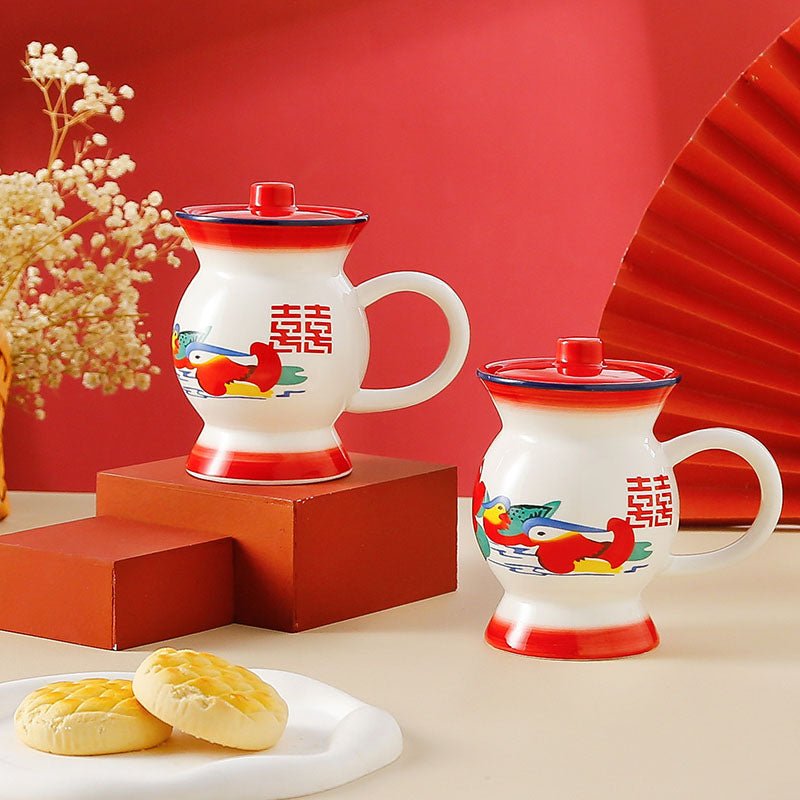
Biggest Tea Mug: How to Choose the Right Oversized Mug
A practical buyer’s guide to the biggest tea mug, with size trade-offs, material choices, and real-use checks for desks, kitchens, and gifts. We also show when a giant mug is the wrong pick.
Read more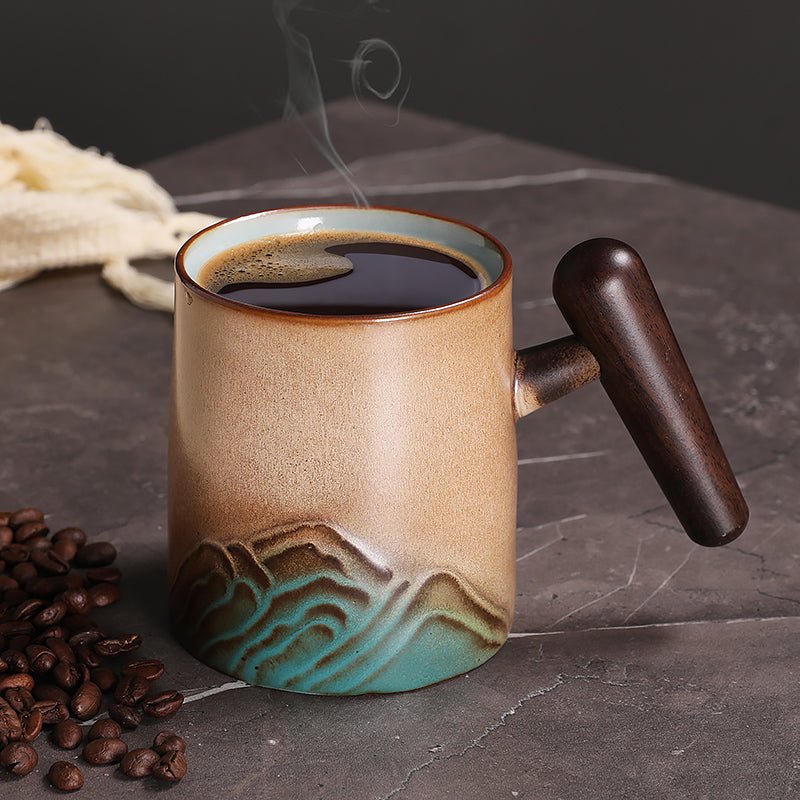
Tea in a Big Mug: What to Buy for Comfort, Heat, and Daily Use
A practical guide to choosing tea in a big mug without ending up with a cup that is awkward to hold, hard to clean, or too oversized for your routine. We cover size, material, shape, and the trade-...
Read more
Leave a comment
This site is protected by hCaptcha and the hCaptcha Privacy Policy and Terms of Service apply.