
Hairline Crack in Coffee Mug: What It Means and What to Do Next
Reading time: about 9 minutes
A mug can look fine on the shelf and still show a thin, pale line once it’s filled with hot coffee and set in daylight. That line is often the first sign of a hairline crack in coffee mug, and in our experience it’s the kind of detail shoppers notice right away during an unboxing, after a dishwasher cycle, or when they hold the mug up near a window.
We handle ceramic mugs daily in our store, so we’ve seen the full range: a harmless surface mark, a crack that stays cosmetic, and a crack that keeps spreading after a few uses. The tricky part is that they can look similar at first. The practical question is not just what does it look like, but where is the crack, how deep is it, and what happens when the mug gets heat, water, and pressure?
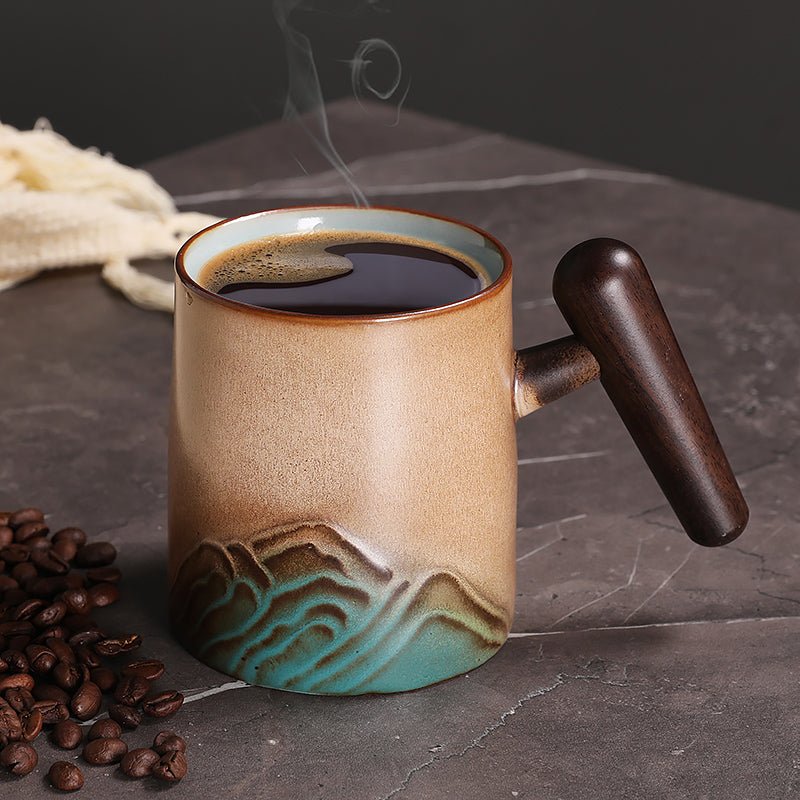
If you’re comparing replacements while checking our current mug styles, you can start with our full mug collection or go straight to specific options like The Flow Coffee Tea Mug if you want a clean daily-use shape, Mountain Sea Coffee Tea Mug for a more decorative look, or Spittoon Coffee Tea Mug if you prefer a different silhouette and handle feel.
What does a hairline crack in coffee mug actually mean?
A hairline crack is a very fine fracture in the ceramic body or glaze. It may show up as a faint line, a dark line, or a slightly rough edge if you run a fingertip over it carefully. Sometimes it’s only in the glaze; sometimes it runs deeper into the clay body.
In plain terms, the mug has been stressed. That stress can come from thermal shock, a knock against the sink, stacked storage on a crowded shelf, or a manufacturing weak spot that didn’t show up until the mug was used a few times. We see it most often around the rim, base, or where the handle joins the cup body, because those areas take the most stress.
A true crack matters more than a surface crazing pattern. Crazing is a network of fine glaze lines that can look decorative, but a single obvious line that catches on a fingernail is a different story. If you can fill the mug with water and the line darkens, that usually means liquid is reaching the fracture.
Can you still use a mug with a hairline crack?
Sometimes, but we do not recommend treating it like a normal everyday mug. The risk depends on location and depth. A faint line on the outer glaze away from the rim may be less urgent than a crack that reaches the lip, the handle joint, or the bottom seam.
Here’s the practical test we use before deciding whether a mug is still worth keeping for non-food use:
- Check the location: cracks on the rim, inside wall, or base are higher risk than a small flaw on the outside only.
- Check for movement: if the line gets longer after washing or drying, the mug is not stable.
- Check for seepage: if liquid darkens the line, moisture is entering the body of the mug.
- Check the feel: any sharp edge, flake, or rough spot means the surface has broken through.
For a desk pen holder, a planter, or a utensil caddy, a damaged mug may still have a second life. For hot coffee, tea, or anything you’d stir with a spoon, we would retire it sooner rather than later. A hairline crack in coffee mug is not a feature you want to gamble on during a Monday commute.
What usually causes a hairline crack in coffee mug?
There are a few common causes, and they’re not all buyer error. Some mugs chip or crack because they were knocked against a sink edge or another cup in the dishwasher. Others fail after repeated hot-to-cold temperature swings. A ceramic mug that goes from a hot drink to a cold rinse, then back into a hot dishwasher, gets stressed more than most shoppers realize.
We also see damage from stacking. Heavy mugs stacked inside one another can push against the rim or base. That matters more for thicker stoneware mugs, which are sturdy in hand but still brittle if the load hits the wrong point. Handle joints are another common failure mode because the mug body and handle meet at a stress point. If the piece was fired unevenly, that point can show the first line of weakness later.
Our team tends to watch for three defect modes:
- Thermal shock cracking from sudden temperature changes.
- Impact cracking from bumps, drops, or sink collisions.
- Glaze or body weakness that shows up after normal washing and drying.
That’s one reason we advise buyers to think about how they actually use a mug. If it’s going straight from a hot morning pour to a dishwasher rack and then back to the cabinet, the finish and body need to hold up to that routine. If you want to read more about fit and day-to-day use before replacing a damaged cup, our size guides for 10 oz mugs and 12 oz mugs are useful side-by-side checks.
How can you tell a real crack from a glaze line or scratch?
This is the question that usually decides whether a mug goes back in the cabinet or out of service. A scratch sits on the surface. A crack has depth, even if it is very thin.
Use these checks:
- Look under strong side light: tilt the mug near a lamp or window. Cracks usually catch light differently than scratches.
- Run a dry fingertip across it: a crack may feel like a tiny ridge or catch point.
- Fill it with cool water: if the line darkens, moisture may be entering.
- Tap gently with a spoon handle: a damaged area may sound duller than the surrounding ceramic, though this is not a perfect test.
If you are still unsure, treat the mug as compromised. In our experience, the cost of replacing one mug is usually lower than dealing with a cracked cup that suddenly leaks into a laptop bag, desk papers, or a car cup holder.
Our rule in the store is simple: if a mug shows a crack at the rim, handle, or base, we do not recommend using it for hot drinks again.
Should you repair a hairline crack in coffee mug?
For drinkware, repair is usually not the best route. Epoxy, glue, or “food-safe” fixes may sound tempting, but once a mug has cracked, the repair rarely restores the original heat resistance or structural strength. A patched mug can also trap moisture, stain over time, or break again in the same place.
There are exceptions, but they are decorative, not practical. A repaired mug might work as a pen cup, brush holder, or small planter. We would not recommend it for coffee, tea, or anything served near the mouth.
If the mug has sentimental value, keep it for display or repurpose it. If you need a daily mug, replace it. That is the more honest choice, especially for cups that see microwave use, dishwasher cycles, and daily temperature changes. A mug that has already cracked has already told you something about its limits.
What should you look for in a replacement mug?
If you’re replacing a cracked mug, the goal is not just a similar look. It’s a better fit for the way you actually drink. We help shoppers compare size, rim shape, handle comfort, and care requirements all the time, because those details matter more than most product photos suggest.
Here’s a quick checklist we use in our own store conversations:
- Capacity: 10 oz can be a better fit for smaller pours, while 12 oz suits a fuller coffee or tea session.
- Handle size: make sure two or three fingers fit comfortably, especially if you carry a mug around the office.
- Wall thickness: thicker ceramic can feel sturdy, but it may also hold heat longer and add weight.
- Rim feel: a smoother rim makes a bigger difference than many shoppers expect.
- Care routine: if you rely on the dishwasher, choose a mug that can handle regular washing without delicate finishes.
If you are comparing a few everyday shapes, the lines on The Flow Coffee Tea Mug and Mountain Sea Coffee Tea Mug are a sensible place to start. For shoppers who want to browse more broadly, the full collection makes it easier to compare styles side by side instead of guessing from one product page alone.
If you want a deeper look at common mug sizes before you replace a damaged one, our guides on 11 oz mugs and 12 oz mugs can help you decide whether your next mug should be smaller, larger, or just easier to hold.
Frequently asked questions
Is a hairline crack in coffee mug safe for hot drinks?
We do not recommend using a cracked mug for hot drinks, especially if the crack is on the rim, inside wall, handle, or base. Heat and liquid can work into the fracture and make it spread. If you need a mug for coffee or tea, replacement is the safer choice.
Can a mug with a hairline crack go in the dishwasher?
It can, but that does not mean it should. Dishwasher heat, spray pressure, and repeated drying cycles can widen the crack or push moisture into it. If the mug already has visible damage, handwashing is gentler, but retirement from drink use is still the better call.
How do I know if the crack is only in the glaze?
Glaze lines usually stay on the surface and do not darken when wet. A true crack often changes appearance when filled with water or when held up to strong light. If you can feel an edge with your fingertip, treat it as a real crack.
Can I still use a cracked mug for coffee if it never leaks?
We would not recommend it. Even a crack that has not leaked yet can spread with one hot pour, a dishwasher cycle, or a small knock against the counter. If you want to keep it, repurpose it for pens, spoons, or small plants instead.
What replacement mug should I buy after a crack?
Pick the mug based on how you use it every day: size, handle comfort, rim feel, and wash routine. If you want a straightforward upgrade, compare a few styles in our full mug collection and then choose the shape that suits your hand and your coffee habit best.
If your current cup shows a hairline crack in coffee mug form, the next step is simple: inspect the rim, base, and handle under strong light, then decide whether it belongs in the cabinet or in the recycle bin. If you need a replacement, start with the styles above and compare them against the size and fit guides before you buy.
Read more

Non Breakable Coffee Mugs: What to Buy for Daily Use
Non breakable coffee mugs should feel stable in hand, survive daily handling, and still pour a good cup at the desk or table. We break down what actually matters, what trade-offs to expect, and whi...
Read more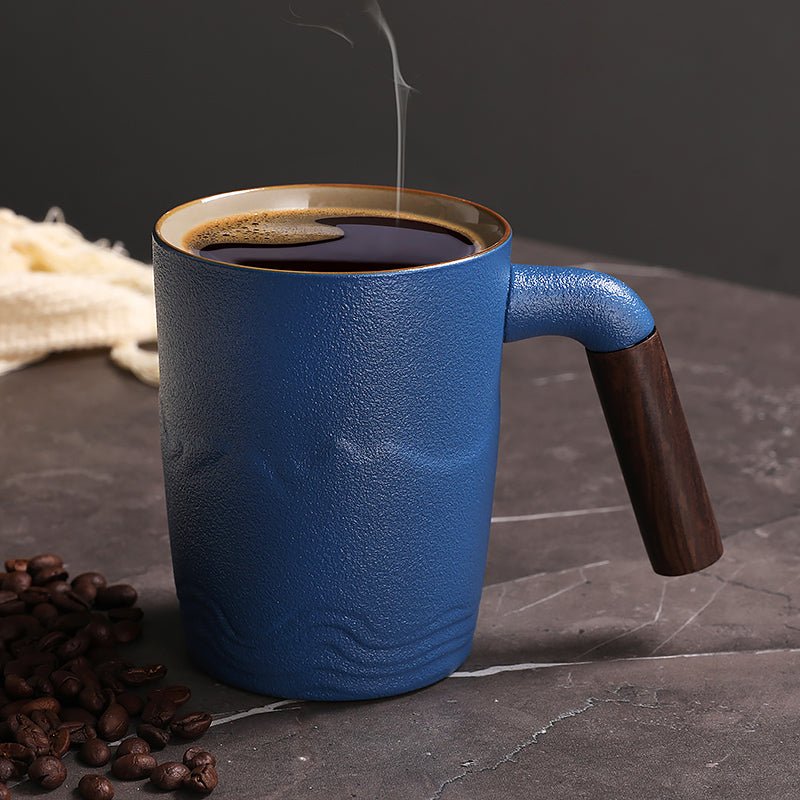
Snap On Coffee Mug Buying Guide: Fit, Uses, and Best Options
A practical guide to choosing a snap on coffee mug for daily use, gifts, and desk setups. We compare real-world fit, handling, and cleanup so you can pick the right style with fewer surprises.
Read more
Leave a comment
This site is protected by hCaptcha and the hCaptcha Privacy Policy and Terms of Service apply.