
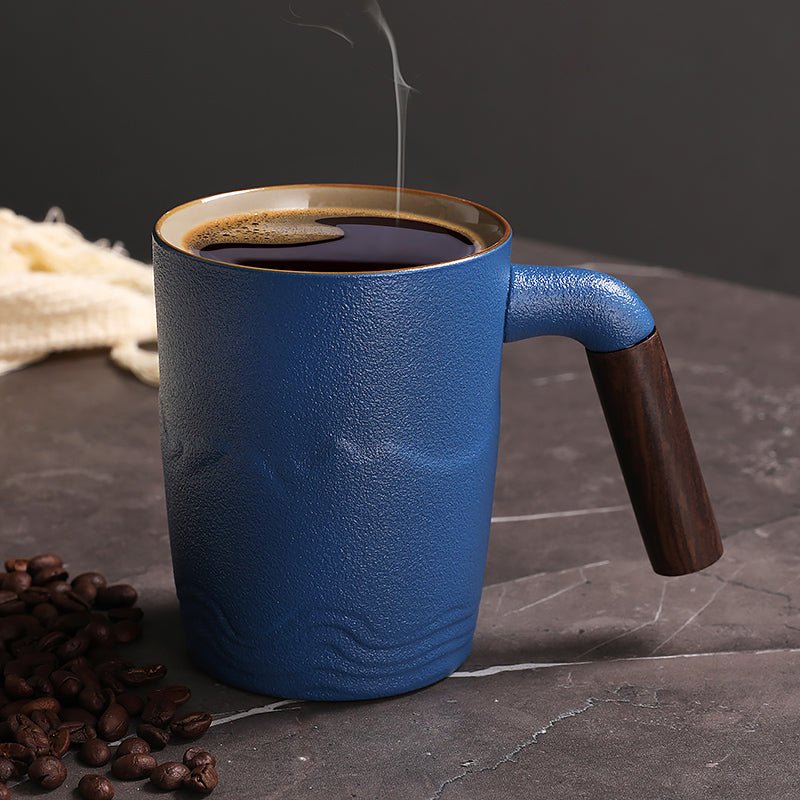
Glass Coffee Mugs: What to Look for Before You Buy
Reading time: about 9 minutes
A glass mug can make a simple cup of coffee look cleaner, brighter, and more deliberate. On a kitchen counter or an office desk, though, the details decide whether it becomes an everyday favorite or something you only reach for on weekends.
We see that difference all the time in our store. Some shoppers want the clear look for iced coffee, lattes, and gift sets. Others want a mug that feels sturdy, survives dishwasher cycles, and does not get uncomfortably hot in the hand. If you are comparing glass coffee mugs, the right choice comes down to thickness, shape, and how you actually use your mug day to day.
What makes glass coffee mugs worth buying?
Glass coffee mugs are popular because they show the drink itself. That matters more than people expect. A layered latte, a dark drip coffee, or an iced coffee with milk looks different in glass than it does in ceramic, and that visual appeal is often part of the purchase.
From a practical standpoint, glass also gives you a neutral drinking surface. It does not absorb flavors the way a poorly maintained mug can, and it is easy to inspect for residue before you brew again. For buyers who rotate between coffee, tea, and iced drinks, that clarity is useful.
The trade-off is simple: glass is usually less forgiving than ceramic or insulated metal. A thin mug can feel delicate. A heavy hand, a crowded sink, or a sudden temperature change can lead to chips or cracking. If your mugs get knocked around in a busy household, read our broader guide on Coffee Mugs: How to Choose the Right Size, Material, and Style before you decide on glass.
Which type of glass should you look for?
Not all glass mugs behave the same way. The material and construction tell you a lot about how the mug will perform at the counter and in the dishwasher.
- Borosilicate glass: Common in better-made drinkware because it handles heat changes better than basic soda-lime glass. It is still glass, so it is not indestructible, but it is a smart choice for hot coffee.
- Single-wall glass: Lighter and usually more affordable. You get the clean look, but the outside can get hot faster, especially with freshly brewed coffee.
- Double-wall glass: Better for insulation and often more comfortable to hold. It can keep the outside cooler and help drinks hold temperature a little longer, but it may feel more specialized than a simple everyday mug.
- Tempered glass: Stronger in some use cases, but not every mug is made this way. Do not assume a mug is tough just because it is glass.
Two details are easy to overlook. First, the rim: a smooth, evenly finished rim makes a difference in comfort. Second, the base: a flat, stable base matters if you set mugs on slick counters, trays, or office desks. A pretty mug that wobbles is not a good buy.
If you are comparing materials across your whole cabinet, our article on Ceramic Coffee Mugs: What to Look For Before You Buy is useful for seeing where glass is the better fit and where ceramic still wins.
How do you choose the right size and shape?
Size is where many shoppers get surprised. A glass mug that looks roomy online may hold less than you expect once you pour a real serving. We recommend checking the usable capacity, not just the overall shape.
| Shape | Best for | Watch out for |
|---|---|---|
| Low, wide mug | Flat whites, cappuccinos, and drinks with foam | Can cool faster and may spill more easily if overfilled |
| Tall mug | Drip coffee, tea, and larger morning pours | May be less stable on a crowded desk |
| Double-wall cup | Hot coffee without a hot outer surface | Usually feels more delicate and can trap moisture if poorly designed |
| Handle-heavy mug | People who want a secure grip | Handle size should fit your fingers comfortably |
If you usually pour a large morning cup, our guide to A buyer's guide to large capacity coffee mugs can help you avoid sizing mistakes. That article is especially helpful if you tend to refill once, not three times.
Shape also changes the drinking experience. A narrower opening helps hold heat a little longer. A wider opening feels better for layered drinks and lets you add cream, ice, or foam more easily. If you mainly make hot drip coffee, a simpler cylindrical mug is easier to live with than a decorative shape that looks good but stacks poorly in the cabinet.
What should you check before you buy?
We look at the same handful of details every time we evaluate glass coffee mugs for our store. None of them are glamorous, but they are the difference between a mug people use and one that gets pushed to the back of the shelf.
- Rim finish: The drinking edge should feel smooth, not sharp or uneven.
- Wall thickness: Too thin can feel fragile; too thick can make the mug bulky and less comfortable.
- Handle clearance: Your fingers should fit without scraping the mug body.
- Base stability: A wide, flat base is better for desks and counters.
- Heat behavior: Double-wall designs are better if you want the outer surface to stay cooler.
- Cleaning access: Make sure the inside shape is easy to reach with a brush or sponge.
We also pay attention to the kind of use the mug is not suited for. Glass is not the best choice for people who tend to stack mugs hard into each other, toss dishes into a crowded sink, or want one mug for camping, commuting, and rough handling. If that is your routine, a ceramic or insulated option will usually be the safer purchase.
For shoppers who want to compare all the options in one place, our collection of coffee mugs is the easiest starting point. If you want to browse the current selection we carry, visit our product page and compare styles side by side.
How do you care for glass coffee mugs so they last?
Good care matters because most failures with glass mugs are avoidable. The common problems are chips on the rim, cracks from sudden temperature changes, and cloudy buildup from repeated washing with harsh detergent or mineral-heavy water.
Our practical care advice is straightforward:
- Let a very hot mug cool briefly before rinsing it with cold water.
- Do not move a mug directly from freezer-cold to boiling-hot conditions.
- Use a soft sponge or non-abrasive brush for routine cleaning.
- Check rims and handles regularly for tiny chips before daily use.
- If the mug is labeled dishwasher-safe, place it where it will not knock into heavier dishes.
Dishwashers are fine for many glass mugs, but not all racks are equally kind to them. The high-impact area near the tines can cause contact marks over time. Hand washing is slower, but it is the safer choice for delicate double-wall styles or anything with a thin handle.
If you are buying a gift, care matters even more. People are much more likely to use a mug that feels easy to clean and safe to grab after a normal wash cycle. That is one reason glass can work well in gift boxes, especially when paired with a simple coffee blend or a small set of matching pieces. Our seasonal shoppers often compare these choices with ideas from Christmas Coffee Mugs: How to Choose Gifts, Sets, and Everyday Favorites.
Are glass coffee mugs good for gifts and office use?
Yes, with the right expectations. Glass coffee mugs make sense when the person you are buying for enjoys the look of the drink and uses the mug in a controlled setting, like a kitchen, break room, or home office.
They are especially good for:
- gift sets where presentation matters
- iced coffee drinkers who want to see the layers
- tea drinkers who like a clean, neutral vessel
- desks where the mug stays in one place most of the day
They are not ideal for every office. If a mug gets carried between meetings, shared in a busy kitchen, or washed in a sink with hard knocks and little space, glass can be the wrong choice. In that setting, a heavier ceramic mug may last longer and feel less fussy. For buyers who want playful presentation instead of minimal clarity, our article on Coffee Funny Mugs That Get Used at Home and at Work is a better fit.
Our experience is that glass mugs get used most consistently when the buyer already enjoys a slower coffee routine: pour, sip, wash, repeat. If the mug has to survive rough handling every day, choose a different material.
What should you compare before you place an order?
If you are down to two or three options, this is the checklist we would use ourselves.
- Check whether the mug is single-wall or double-wall.
- Confirm the capacity matches your normal pour, not your ideal pour.
- Inspect the handle shape and base width in the product photos.
- Look for notes about dishwasher safety and heat handling.
- Decide whether you want a pure clear look or a more substantial feel in the hand.
That last point matters more than most shoppers expect. A beautiful mug that feels awkward after three days will end up in the cupboard. A plain one that pours well and cleans easily gets used every morning. That is the real test.
Frequently asked questions
Are glass coffee mugs safe for hot coffee?
Yes, as long as the mug is designed for hot drinks. Borosilicate glass and double-wall construction are common choices because they handle heat better than thin decorative glass. Avoid abrupt temperature changes, which are the main reason glass mugs crack.
Do glass coffee mugs keep coffee hot longer than ceramic?
Single-wall glass usually does not outperform ceramic on heat retention. Double-wall glass does better because of the air gap, but it is still not the same as an insulated travel mug. If temperature retention is your top priority, a travel tumbler is the stronger choice.
Can glass coffee mugs go in the dishwasher?
Many can, but not all of them should. Dishwasher-safe glass still benefits from careful loading so it does not knock against heavier dishes. If the mug is thin or double-wall, hand washing is often the safer routine.
What is the biggest downside of glass coffee mugs?
The biggest downside is fragility. Chips, cracks, and thermal shock are real risks, especially in busy kitchens. If you need a mug for rough handling, camping, or constant desk-to-sink travel, ceramic or insulated metal is usually more durable.
Are glass coffee mugs good for iced coffee?
Yes, they are one of the best choices for iced coffee. You can see the layers clearly, and the clean look works well with milk, foam, or syrup. A wider opening also makes it easier to add ice without spilling.
If you are ready to compare styles, start with the features that matter most: construction, capacity, and care. Then browse our full coffee mug collection and narrow it down from there.
More from our blog
Read more
Coffee Funny Mugs That Get Used at Home and at Work
Coffee funny mugs work best when the joke lands fast, the handle feels comfortable, and the mug survives real daily use. Here’s how we help shoppers pick one that fits the kitchen, office, or gift ...
Read more
Custom Coffee Mug Buying Guide: Materials, Printing, and Everyday Use
A practical guide to choosing a custom coffee mug that looks good on day one and still holds up after real use. We cover materials, print methods, care, and the trade-offs buyers should compare bef...
Read more
Leave a comment
This site is protected by hCaptcha and the hCaptcha Privacy Policy and Terms of Service apply.