
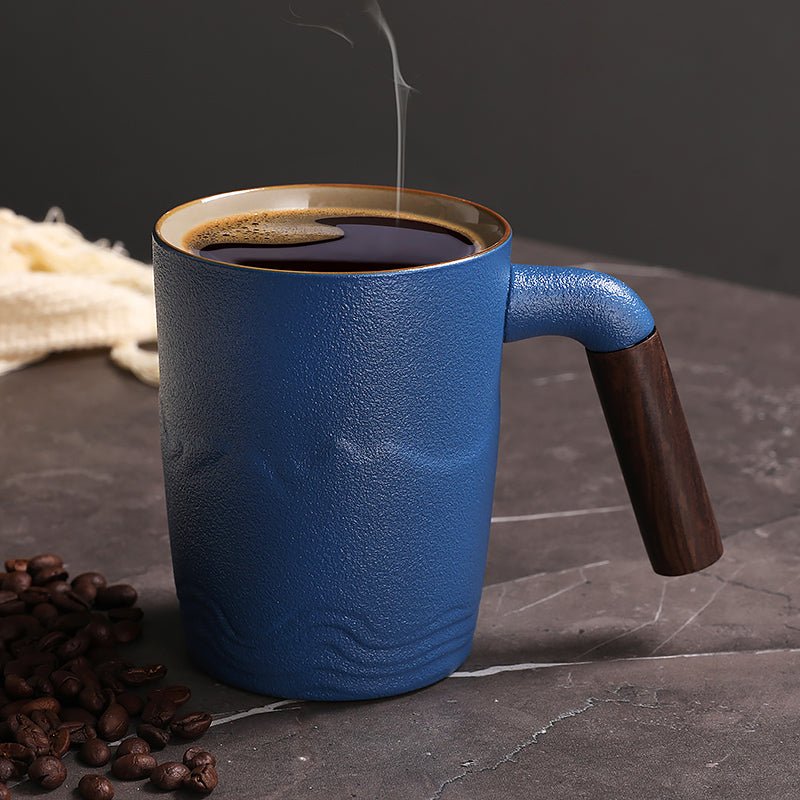
Drawing a Coffee Mug: What to Check Before You Buy
Reading time: about 8 minutes
A rough sketch of a mug tells you more than the outline itself. The rim, the handle gap, and the base width are the parts that decide whether a mug feels solid on a kitchen counter, balanced on an office desk, or awkward the first time you pick it up with one hand.
We see that every day in our store. People do not usually compare mugs by color first. They compare the feel of the handle, the way the lip sits against the mouth, and whether the mug looks easy to live with after the gift wrap is gone. That is why drawing a coffee mug is useful for buyers: it forces the eye to focus on the features that matter in real use, not just the decorative finish.
If you want a broader pre-purchase checklist, we cover the same buying questions in Coffee Mug Drawing: What Buyers Should Check Before Choosing and Drawing Coffee Mug Buyer’s Guide: What to Check Before You Buy.
What does drawing a coffee mug help you notice before buying?
Drawing a mug by hand slows you down enough to spot the small things that photos can hide. A shallow handle loop looks stylish until your knuckles hit the cup body. A tall, narrow silhouette can look elegant but feel less stable on a crowded desk. A wide base often matters more than people expect, especially if the mug will sit next to a laptop, keyboard, or notebooks.
In our experience, buyers usually make the right choice faster when they sketch the mug from the side and then add the handle. That second step exposes the real question: can you grip it comfortably without touching the hot surface? If the answer is no, the design may still be attractive, but it is not the best daily mug.
We treat the drawing as a functional checklist, not an art exercise. The goal is to find the mug you will actually enjoy using after the unboxing moment is over.
Which mug details change daily use the most?
Three details do most of the work: the handle, the rim, and the base. If those are right, the mug usually feels right. If they are wrong, even a beautiful mug can become a shelf item instead of an everyday cup.
| Detail | What to check | Why it matters |
|---|---|---|
| Handle shape | Enough room for two or three fingers without pinching | A comfortable grip matters more than a decorative silhouette |
| Rim | Even edge, not too thick or sharp | A smoother rim makes coffee, tea, and hot chocolate feel better to sip |
| Base | Flat and stable, with no wobble | Helps on desks, trays, and busy counters where bumps happen |
| Finish | Glaze or coating that looks easy to wipe clean | Reduces the chance of everyday marks showing too fast |
We also pay attention to material and care. A plain ceramic mug is usually the easiest to live with if you want simple cleaning and routine use. A wooden handle changes the equation: it adds warmth and character, but it also asks for gentler care. That trade-off is worth accepting if the mug will be used thoughtfully; it is not ideal if you want something you can throw into every harsh dishwasher cycle without thinking.
Which CoffeifyMug styles fit different buyers?
If you are comparing styles rather than one single mug, start with the use case. Our full collection makes that easier because the shapes are not trying to solve the same problem. Some are meant to feel playful and artistic. Others are built for a quieter desk setup or a more giftable presentation.
Three examples from our store show how the choice changes:
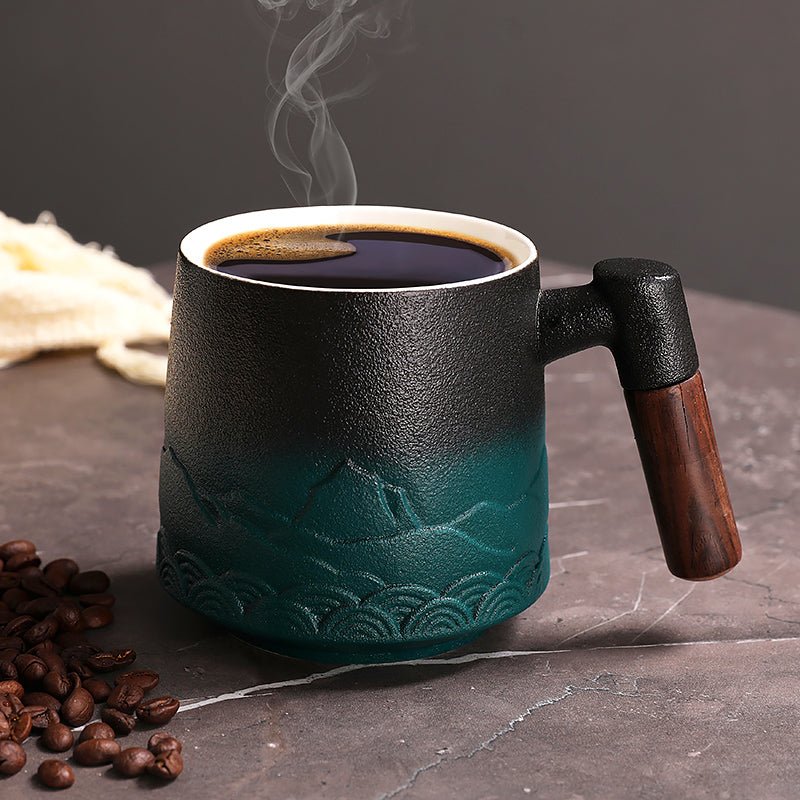
- Green Waves Coffee Tea Mug is a good fit if you want a more visual, decorative mug that still works for daily coffee or tea.
- Mountain Sea II Coffee Tea Mug with Wooden Handle makes sense if you like a natural handle detail and a more tactile, gift-ready feel.
- The Cloud Coffee Tea Mug Wooden Handle is the option we would point to for someone who wants a softer, more distinctive look without losing everyday function.
If you are buying for yourself, the simplest question is this: do you want the mug to disappear into the routine, or do you want it to stand out on the table? Decorative mugs are great for people who like an object with personality. They are less ideal for someone who only wants a plain, microwave-friendly workhorse. That is a real trade-off, and it is better to be honest about it before the order is placed.
If you are comparing several options for a gift, a drawing helps here too. It reveals whether the mug looks balanced in the hand and whether the handle design feels substantial enough for a proper unboxing moment. For more of that buyer-first approach, see Drawing a Coffee Mug: What Buyers Should Check Before Buying.
What problems show up after the first week of use?
The first week is where weak design choices usually show up. A mug that looked fine online can feel too small once you pour in a full serving. A handle that seemed stylish can become annoying if your fingers brush the cup body. A finish that photographs well can start showing water spots or utensil marks more quickly than expected.
We watch for a few common failure modes in this category:
- Handles that are too tight for an average hand.
- Mugs that feel top-heavy and tip easily on a desk.
- Decorative finishes that demand more careful cleaning than the buyer expected.
- Wood-accent pieces that need drying by hand instead of being left wet in a sink.
That last point matters. Wooden-handle mugs can be a strong choice if the buyer wants warmth and character, but they are not the best match for someone who prefers zero-maintenance drinkware. If a mug will live in a shared office kitchen or be washed in a rough dishwasher rotation, a simpler ceramic style is usually the safer pick.
We often send shoppers back to the basics with the same question we ask ourselves in-store: will this mug still be pleasant after fifty uses, not just after the first photo? That is the test that matters.
How do you compare mugs for home, office, and gifting?
Different settings ask for different features. A mug that is perfect for a quiet breakfast at home may be a poor fit for a busy desk where it gets moved, reheated, and washed quickly. A gift mug has a different job again: it has to look thoughtful on arrival and still make sense once the ribbon is gone.
Use this quick comparison before you buy:
- Home use: prioritize comfort, stable base, and a shape that feels natural to hold while reading or cooking.
- Office use: prioritize a handle with clear finger room, a balanced base, and a finish that does not require fuss.
- Gift use: prioritize visual character, a presentation-friendly silhouette, and a style that feels personal rather than generic.
If you are still deciding between aesthetic styles, you can also compare them against the broader advice in 10 oz Coffee Mug: Size, Fit, and What to Check Before You Buy and 11 oz Coffee Mug: Size, Fit, and What to Check Before You Buy. Size is not the whole story, but it does affect how the mug behaves in the hand and on the table.
One practical rule we use: if you are unsure, pick the mug that seems slightly easier to hold and easier to clean. People forgive a style that is simple. They do not forgive a mug that is annoying every morning.
Frequently asked questions
What should I look for in a drawing a coffee mug before I buy online?
Focus on the handle opening, the base width, and the rim thickness. Those three details tell you far more about day-to-day comfort than color alone. If the drawing or product photo hides the handle depth, be cautious.
Are wooden-handle mugs good for everyday use?
Yes, if you want a mug with a warmer feel and you are fine with gentler care. They are not the best choice for buyers who want the easiest possible cleanup or who plan to run the mug through frequent harsh dishwasher cycles.
What mug shape is easiest to hold at a desk?
A mug with a stable, flat base and a handle large enough for a relaxed grip is usually easiest. A shape that is too tall or too narrow can feel less secure when space is tight around a keyboard, notebook, or mouse.
Is a decorative mug still practical for daily coffee?
It can be, as long as the handle, rim, and base are comfortable. Decorative does not have to mean fragile or inconvenient, but the buyer should be honest about care needs and how the mug will be washed and stored.
What is the fastest way to compare two mugs?
Sketch each one quickly, then compare the handle opening, the base width, and whether the mug looks balanced from the side. If one mug seems easier to hold and easier to clean, that is usually the better everyday choice.
If you want to keep comparing, start with the full CoffeifyMug collection and use this checklist: comfortable handle, stable base, easy-care finish, and a style you will still like after the gift wrap is gone.
Read more
Non Toxic Coffee Mugs: What to Check Before You Buy
A practical buyer's guide to non toxic coffee mugs, with material trade-offs, care checks, and the small details that matter after the first wash. Use it to compare daily mugs before you buy.
Read more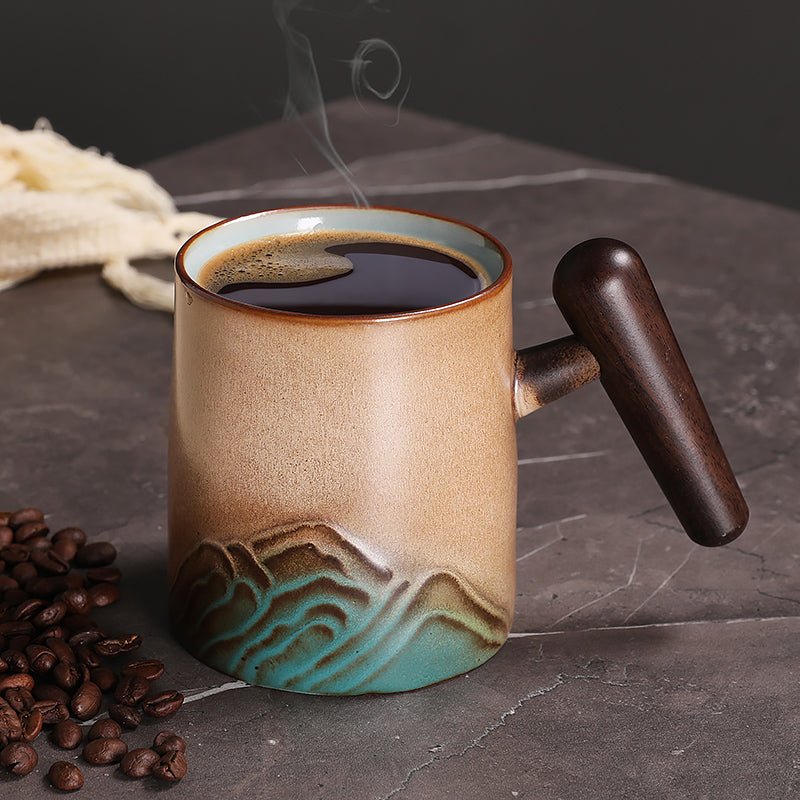
Grandpa Coffee Mug Buying Guide: Size, Style, and Best Picks
A practical guide to choosing a grandpa coffee mug that feels good in the hand, works for daily use, and actually suits the person receiving it. We cover size, comfort, materials, and where differe...
Read more
Leave a comment
This site is protected by hCaptcha and the hCaptcha Privacy Policy and Terms of Service apply.