
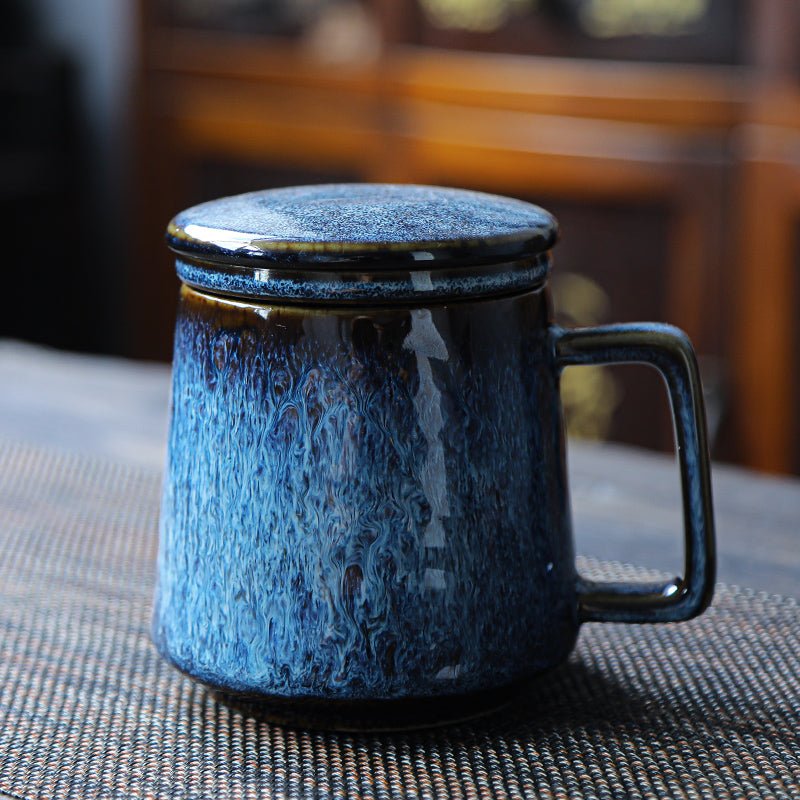
Drawing a Coffee Mug: What Buyers Should Check Before Buying
Reading time: about 8 minutes
A mug sketch can look right on paper and still feel wrong in the hand. The handle may be too tight for two fingers, the base may look stable but tip easily on a desk, or the rim may be drawn so thin that it suggests a fragile sip rather than a daily coffee mug.
That is why, in our store, we treat drawing a coffee mug as more than a style exercise. We use the drawing to judge real buying details: how the mug sits on a kitchen counter, whether it feels comfortable during a long office morning, and whether it still looks worth gifting after the box is opened. If you are comparing options now, our Green Waves Coffee Tea Mug is a good place to start for a graphic look, and you can also browse the full collection if you want to compare shapes before choosing.
What does a coffee mug drawing need to show first?
The best drawing does not just show decoration. It shows proportion. A shopper should be able to tell, at a glance, whether the mug has a compact body, a generous handle, a narrow base, or a shape that will hog space on a crowded shelf. That matters because a mug that looks beautiful in a flat sketch can still be awkward on a real desk.
We look for four things first:
- Handle depth: enough room for a comfortable grip, especially if someone uses two fingers.
- Rim thickness: a thicker rim usually feels sturdier; a very thin rim can look elegant but feel delicate.
- Base width: a wider base tends to feel more planted on a kitchen counter or office desk.
- Overall silhouette: a mug with a balanced body is easier to store, serve, and gift.
That is the practical value of a drawing. It helps shoppers catch the things they would otherwise notice only after unboxing.
Which mug details should you check before buying?
If the drawing is the only thing you have, use it like a checklist. A good mug drawing should help you compare shape, capacity, and care needs before you commit. Here is the fastest way we recommend reading it.
| Detail | What to check in the drawing | Why it matters in real use |
|---|---|---|
| Capacity | Does the mug look closer to a compact 10 oz profile or a roomier 11 oz profile? | A 10 oz mug often feels better for smaller pours; 11 oz gives a little more breathing room for milk or a second splash of coffee. |
| Handle | Is the handle open enough for an easy grip, or does it sit tight against the mug body? | A tight handle can feel awkward during a long workday or when the mug is full and warm. |
| Rim | Does the rim look rounded and substantial, or thin and sharp? | The rim is one of the first things people notice when sipping. |
| Base | Is the base wide enough to look stable on a desk or tray? | Small bases are less forgiving on crowded counters and side tables. |
| Finish | Does the surface look glossy, matte, or textured? | Finish changes how fingerprints, glare, and wear show up after regular use. |
| Care | Does the design imply simple daily care or a more delicate routine? | Some styles are easier to maintain than others, especially if the mug includes wood or other mixed materials. |
If you want a deeper size comparison, our older guides on 10 oz mug fit and buying choices and 11 oz mug sizing are useful side-by-side reading.
Which mug styles fit different shoppers?
Not every buyer wants the same mug, and the drawing should show that difference clearly. Some shoppers want a mug that disappears into a daily routine. Others want something that looks special enough to hand over as a gift. A third group wants a piece that feels more like tabletop decor than plain drinkware.
Here is how we would frame three of our styles if you are comparing from the drawing alone:
- Green Waves Coffee Tea Mug suits shoppers who want a cleaner, more graphic look. It reads well on a desk and still feels calm enough for everyday kitchen use.
- Mountain Sea II Coffee Tea Mug with Wooden Handle is the stronger pick if the buyer likes a natural handle detail and wants the mug to feel a little more giftable out of the box.
- The Cloud Coffee Tea Mug Wooden Handle works well for someone who wants a softer visual profile and a lighter-looking silhouette on a shelf or tray.
Those are not identical use cases, and that is the point. A mug drawing should tell you what kind of buyer the design is aimed at, not just whether the print looks pretty.
What are the trade-offs of wooden-handle mugs?
Wooden-handle mugs can feel warmer and more distinctive in the hand, but they are not the simplest option for every buyer. In our experience, they are a better fit for people who value the look and feel of the handle as part of the design, not just as a functional piece.
The trade-offs are straightforward:
- Care: wood generally prefers gentler treatment. Hand washing is the safer routine if you want the handle to stay in good shape.
- Microwave use: a wood component is not a good match for frequent reheating habits.
- Drying: a wooden handle should not stay wet for long stretches.
- Everyday convenience: if you want a mug you can toss through a dishwasher cycle without thinking, a fully ceramic handle is usually the easier choice.
That does not make wooden-handle mugs fragile or impractical. It means the buyer needs to accept a little more care in exchange for a different feel. For someone gifting a mug, that trade-off is often worth it. For someone who wants a workhorse office mug that gets abused every day, it may not be the best fit.
How do you compare 10 oz and 11 oz mugs from a drawing?
The size call matters more than many shoppers expect. A mug that holds a smaller pour can feel neat and balanced, while a slightly larger one can better handle milk drinks, tea refills, or a long desk session where the coffee cools and gets topped up again.
We usually frame the choice like this:
- Pick 10 oz if you prefer a tighter, more compact mug that suits smaller pours and does not dominate the desk.
- Pick 11 oz if you want a little more room for milk, foam, or a second pour without filling the mug to the lip.
- Check the hand-to-body proportion if the drawing shows a wide mug with a short handle, because that can feel bigger than the stated capacity suggests.
- Think about storage if you stack mugs in a cabinet with limited space; a bulky silhouette matters as much as the number on the spec sheet.
A drawing should make those differences obvious. If it does not, treat that as a warning sign. A pretty illustration that hides scale is not helping you buy better.
What common mistakes do shoppers make when they trust the drawing too much?
We see the same mistakes repeatedly, especially from shoppers buying gifts or replacing a tired mug at the last minute. The drawing sells the mood, but the mug has to work every morning.
- Ignoring grip comfort: a handle can look elegant while still feeling cramped during use.
- Missing rim feel: a fine-looking rim can be less pleasant if it is too sharp or too thin.
- Overlooking stability: a narrow base may look modern yet feel less secure on a laptop desk or tray.
- Choosing style without considering care: wood accents, mixed materials, and decorative surfaces often need more attention than plain ceramic.
- Buying for the photo instead of the routine: a mug that looks great in a gift box may not suit someone who reheats coffee all day.
If you are buying for daily office use, plain ceramic is often easier to live with. If you are buying for a gift, the more distinctive shapes and handle details can make the unboxing feel more thoughtful. The right answer depends on what the mug has to do after the picture is taken.
Frequently asked questions
How can I tell if a coffee mug drawing shows the real size?
Look for a clear hand reference, a spoon, or another object in the sketch that gives scale. If the mug is drawn alone with no comparison point, it is harder to judge capacity and handle depth. In that case, check the listed ounces and compare it to how much coffee you usually pour.
Is a wooden-handle mug good for everyday use?
Yes, if you are comfortable with a little more care. It is a good match for normal sipping and gift use, but it is not the best choice if you want a mug that can be washed and reheated with zero thought every day. Hand washing is the safer routine for longevity.
Should I choose a 10 oz mug or an 11 oz mug?
Choose 10 oz if you want a smaller, neater mug for compact pours or tea. Choose 11 oz if you like more room for milk, foam, or a longer coffee break. The difference is not huge, but it changes how the mug feels in the hand and how often you refill it.
What should I check before buying a mug as a gift?
Check the handle comfort, the look of the rim, the care routine, and whether the design fits the recipient’s kitchen or desk. A mug drawing should help you decide if the style feels personal rather than generic. If it does not, choose something with a clearer silhouette or a more distinctive handle.
Are illustrated mugs better than plain mugs?
Not automatically. Illustrated mugs are better for buyers who want personality on the shelf or a more memorable gift, while plain mugs are often easier to match with other kitchenware. The better choice is the one that fits the way the mug will actually be used.
Before you buy, compare handle clearance, capacity, and care needs against the styles in our full mug collection. If you want a faster decision, open one product page, read the table above, and ask one question: will this mug still work after the first unboxing, the first dishwasher cycle, and the first busy Monday morning?
More from our blog
Read more
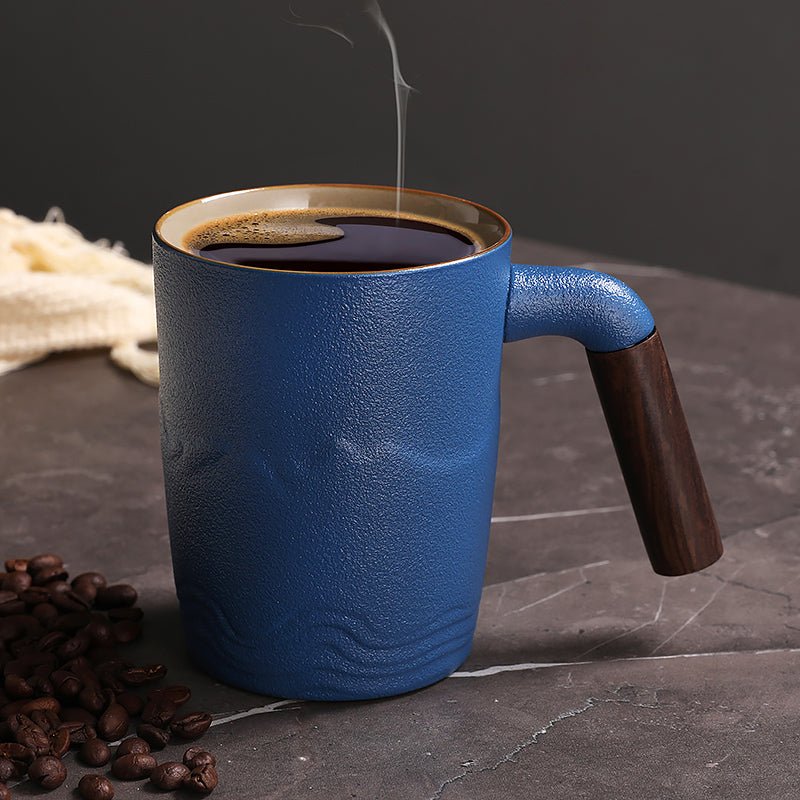
China Coffee Mugs: What to Check Before You Buy
China coffee mugs work best when the rim feels comfortable, the base sits flat, and the care instructions fit your routine. We break down what to check before ordering, with practical notes from th...
Read more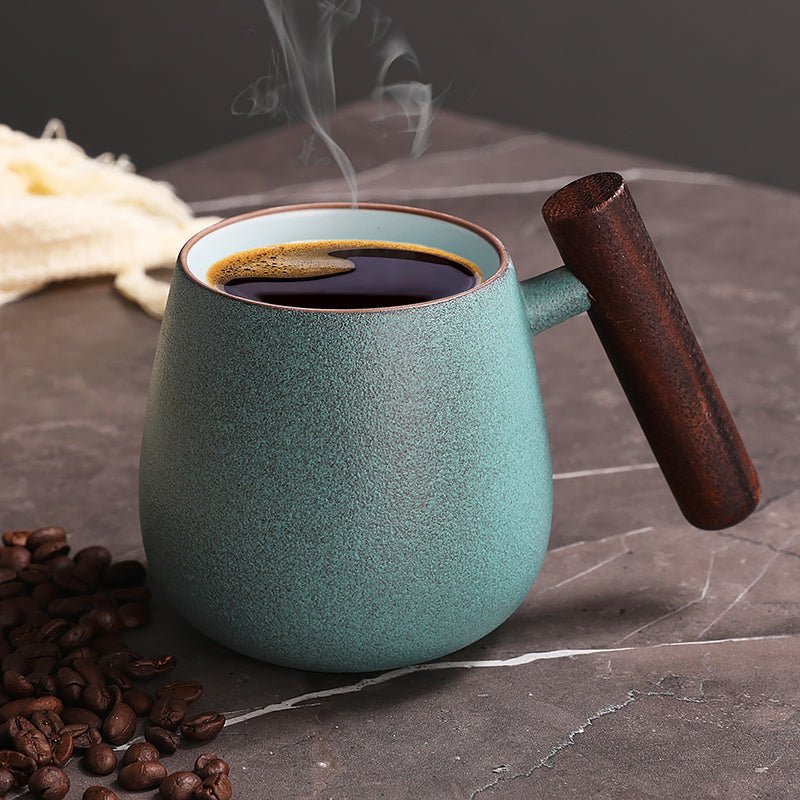
Coffee Mug Sayings: How to Pick the Right Phrase for the Person
Coffee mug sayings work best when the phrase fits the person, the size, and the way the mug will actually be used. We break down what to buy, what to avoid, and which styles make the best gifts.
Read more
Leave a comment
This site is protected by hCaptcha and the hCaptcha Privacy Policy and Terms of Service apply.