
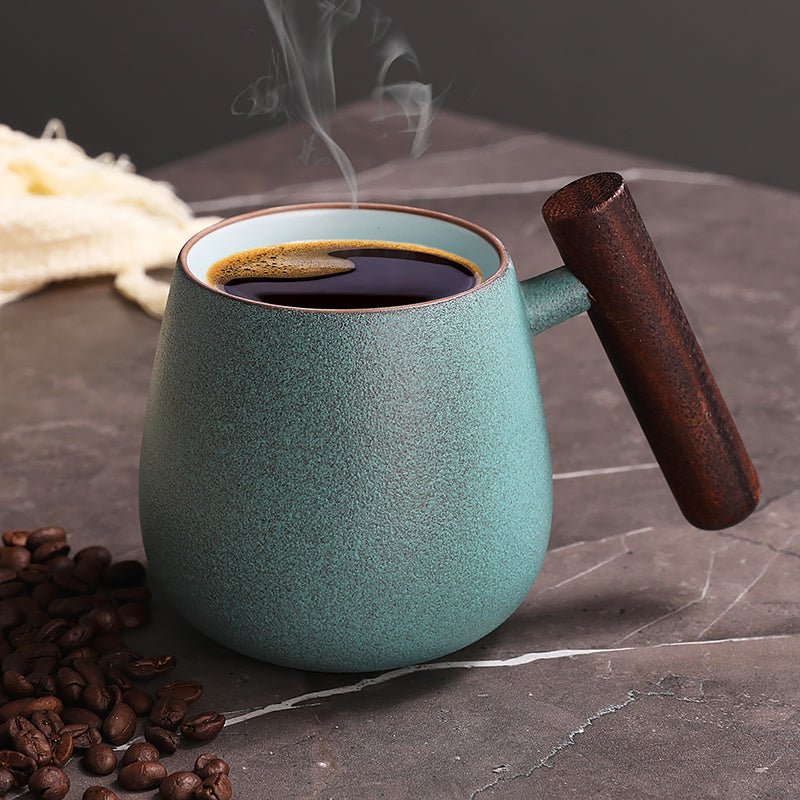
Dishwasher Safe Coffee Travel Mug: What to Check Before You Buy
Reading time: about 10 minutes
A coffee travel mug can look perfect on the shelf and still be a nuisance after the first dishwasher cycle. Coffee oils cling to the lid, the gasket traps residue, and a soft exterior finish can start looking tired long before the body wears out.
That is why the phrase dishwasher safe coffee travel mug needs a closer read. The cup body, the lid, the gasket, and the finish do not always behave the same way in a dishwasher. In our store, the mugs that earn the fewest complaints are the ones that clean easily without needing a brush for the drink spout after every use.
If you are still comparing the basics, our guide on Best Travel Coffee Mug: What Shoppers Should Check Before Buying covers spill control, grip, and the features buyers usually miss on the first pass.
What does dishwasher safe really mean on a coffee travel mug?
It usually means the maker says the mug can go through a dishwasher without the body, lid, or finish failing under normal home use. That sounds straightforward. It is not always that simple in practice.
Many travel mugs are split into parts. The stainless steel body may be dishwasher safe, while the lid is only safe on the top rack, and the silicone gasket may need to come out before washing. Some brands also limit heated dry cycles because high heat can warp plastic closures or soften a seal over time.
We look for three things before we call a mug easy to live with:
- A body that can handle repeated wash cycles without losing its finish too quickly.
- A lid that can come apart or at least open fully so coffee oils do not stay trapped.
- A silicone gasket or sealing ring that can be removed, rinsed, and put back without stretching out.
A label alone is not enough. A mug can be technically dishwasher safe and still be a bad daily buy if the lid has tight corners, a hard-to-reach vent, or a slider that collects residue. That is the difference between something you use every morning and something that ends up hand-washed because the dishwasher never quite gets it clean.
Which materials hold up best after repeated dishwasher cycles?
Material matters, but the parts matter too. A stainless steel body with a well-built lid usually stands up better than a complicated plastic top with multiple moving pieces. That said, different materials solve different problems.
| Material or part | Dishwasher behavior | What to watch | Best use case |
|---|---|---|---|
| 18/8 stainless steel body | Usually the most durable for repeated washing | Exterior coatings can dull; dents can still happen if the mug bangs around the rack | Daily commuters and office use |
| Plastic lid | Often dishwasher safe, but usually best on the top rack | Threads, sliders, and vent holes can trap coffee oils | People who want a lighter lid and easy drinking |
| Silicone gasket | Can usually be washed, but should be removable for deep cleaning | Can flatten, pick up odors, or loosen if it is removed roughly | Leak control and splash resistance |
| Ceramic-lined interior | Can be a good choice if the maker says dishwasher safe | The lining and lid still need careful checking | Buyers who prefer a cleaner taste profile |
| Powder-coated exterior | Often durable, but repeated harsh cycles can fade the finish over time | Look for wear around the base and edges where the rack rubs | Gift purchases and desk use |
If you want the insulation side of the decision as well, our article on Best Insulated Coffee Mug Travel: What to Buy and What to Skip explains where insulation helps and where it just adds bulk.
In practice, stainless steel is still the safest starting point for a dishwasher-friendly mug. It is less fussy than painted glass, less fragile than ceramic, and usually more forgiving than an all-plastic body. Ceramic-lined mugs can be a nice middle ground, but they are not the first choice if you want the simplest possible cleanup after a desk full of back-to-back pours.
What lid design makes cleaning easy instead of annoying?
The lid is where most dishwasher safe claims are won or lost. A good cup body means little if the lid keeps yesterday's espresso in the drink path.
Our experience is that the easiest lids are the ones with a simple flow path and a removable seal. The worst offenders are lids with narrow sip channels, hidden vents, or sliding covers that look clean from the outside but hold residue underneath.
Here is what we check on a lid before we trust it for daily use:
- Can the gasket come out? If it can, you can rinse the coffee oils out instead of waiting for the dishwasher alone to do it.
- Does the slider open fully? A partial opening often leaves grounds or sugar residue behind the moving parts.
- Are the threads easy to see? Deep threads on twist-on lids collect residue fast if they are hard to scrub.
- Is the lid top-rack only? If the maker says top-rack safe, follow that rule. Lower-rack heat is rougher than most shoppers expect.
- Does the vent dry cleanly? Tiny vents are useful for drinking comfort, but they can become a smell trap if they never get fully rinsed.
A practical limitation: many travel mugs are splash resistant rather than fully leakproof. That matters for bag tosses, bike rides, and commutes with a laptop. A dishwasher safe lid does not automatically mean the mug belongs loose in a backpack. If leakproof carry is the priority, check the closure first and the cleaning claim second.
For shoppers focused on taste and lid design, our Ceramic Travel Coffee Mug Buying Guide for Everyday Use is useful because ceramic and ceramic-lined options can feel different at the lip, even when the care instructions look similar on paper.
Is a dishwasher safe mug better than hand-wash only for daily use?
For most buyers who use a mug every weekday, yes. A dishwasher safe coffee travel mug saves time and makes it more likely the lid gets cleaned properly. That matters if the mug lives on a kitchen counter at home, under a desk at work, or in a car cup holder through a long commute.
That does not make it the best choice for everyone. A hand-wash only mug can still be a better buy if you want a very specific material, a specialty ceramic body, or a particular finish that would not survive repeated machine cycles. Some ceramic-lined or decorative mugs also trade convenience for a better drinking feel or a more refined look.
Here is the trade-off in plain terms:
- Choose dishwasher safe if you want easy daily cleanup, shared household convenience, and less effort after busy mornings.
- Choose hand-wash only if the mug has a delicate finish, a specialty lining, or a lid design that needs careful treatment to stay aligned.
- Choose ceramic or ceramic-lined if taste and mouthfeel matter more to you than pure convenience, and you are willing to check care instructions closely.
The main downside of dishwasher safe designs is wear. Even a good mug can show dulling on the exterior coating, a slightly looser lid over time, or a gasket that needs replacement sooner than the body does. That is normal wear, not a defect, but it is worth planning for if you expect the mug to last through years of daily cycles.
Which mug fits commuting, office use, or gifting best?
We usually help buyers narrow the choice by use case first. The right dishwasher safe coffee travel mug for a short commute is not always the right mug for a desk setup or a gift.
For commuting: look for a size that matches your real pour, often 12 to 16 ounces for a single coffee run or 16 to 20 ounces if you refill once. A secure lid, a stable base, and a body that fits standard cup holders matter more here than a fancy exterior.
For office use: prioritize a lid that opens cleanly, a body that will not show every fingerprint, and a shape that is comfortable to drink from over several hours. Office mugs get opened, closed, and washed more often than people expect.
For gifting: choose simple care and a neutral finish. People remember a gift that fits into their dishwasher without instructions. They also remember a mug that comes apart easily on the first wash, which is why we pay so much attention to lids.
If insulation is the main reason you are shopping, compare the practical trade-offs in our guide to Best Coffee Mug Travel: What to Check Before You Buy and then decide whether easy cleaning or maximum heat retention matters more. Those are not always the same product.
For shoppers ready to compare real options, our current products and the broader all collection are the fastest way to review what is actually available right now.
What should you check before buying one from our store?
In our store, the best dishwasher safe coffee travel mug is the one that fits your routine without making cleanup a chore. We recommend using a simple checklist before you buy:
- Confirm that the body and the lid are both dishwasher safe, not just the cup.
- Check whether the lid is top-rack only.
- Look for a removable gasket or seal.
- Decide if you want stainless steel, ceramic-lined, or a lighter plastic lid.
- Match the size to your usual drink, not the biggest cup you think you might carry someday.
- Think about the finish. Bare steel is easy to maintain; coated exteriors can look nicer but may show wear sooner.
One more practical point: if you like adding milk, sweetener, or flavored syrups, choose a mug with a lid that opens wide enough to rinse clean. Those ingredients leave a film that the dishwasher can miss if the opening is narrow. A clean-looking lid can still smell like coffee if the vent and gasket are ignored.
We also see shoppers underestimate how often they will wash the mug. If you use it every day, choose the design that makes cleanup effortless. If you only use it on road trips or occasional long drives, you may be able to accept a little more hand work in exchange for a specific style or finish.
Frequently asked questions
Can I put the lid and gasket of a dishwasher safe coffee travel mug in the dishwasher?
Usually yes, if the manufacturer says the lid is dishwasher safe and the gasket is removable. We still recommend pulling the gasket out occasionally and washing it separately so coffee oils do not stay trapped under the seal. If the lid has a moving slider, check that the maker allows it on the top rack only.
Why does my dishwasher safe coffee travel mug still smell like coffee?
The smell usually comes from the lid, not the body. Coffee oils collect in the vent, under the slider, and around the gasket, then the dishwasher cleans the visible surfaces while leaving residue in the hidden parts. Removing the seal and hand-rinsing the lid channels usually fixes the problem faster than changing detergent.
Is stainless steel better than ceramic for dishwasher safe travel mugs?
For durability and repeated dishwasher use, stainless steel is usually the safer bet. Ceramic can feel better to some drinkers, but it is more dependent on the specific build and care instructions. If you want the easiest maintenance, stainless steel is the simpler choice.
Should I use heated dry on a dishwasher safe coffee travel mug?
Only if the maker allows it. Heated dry can be tough on plastic lids, seals, and exterior coatings, especially over time. If you want the mug to look good for longer, air drying the lid and gasket is the safer habit.
What is the biggest mistake shoppers make with dishwasher safe mugs?
They assume the cup body tells the whole story. The lid design, the seal, and the cleaning path matter just as much, and those are the parts that usually decide whether the mug stays pleasant to use after a few months.
If you want the simplest next step, compare the lid design and care instructions first, then choose the size and finish that match your routine. After that, browse our all collection or open the products page and filter out any mug whose lid does not come apart cleanly.
More from our blog
Read more
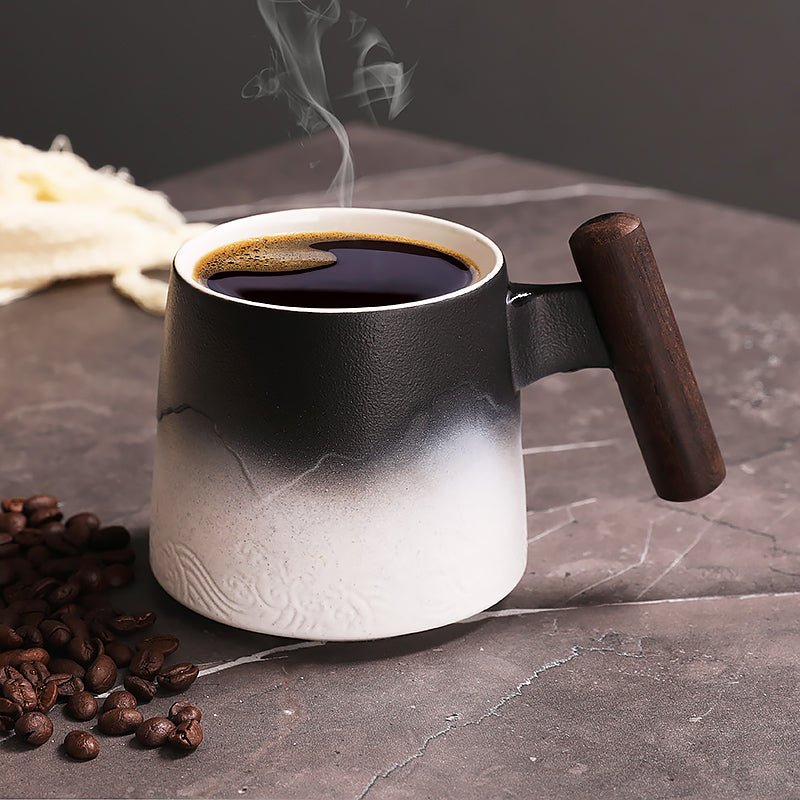
Customize Coffee Mug: What to Check Before You Order
A practical guide to choosing a customize coffee mug that fits the drink, the desk, and the gift box. We cover size, material, print area, care, and where custom mugs fall short.
Read more
Insulated Travel Coffee Mug Buying Guide: What Actually Matters
A practical guide to choosing an insulated travel coffee mug that stays hot, fits your commute, and avoids the common lid and leak problems we see most often.
Read more
Leave a comment
This site is protected by hCaptcha and the hCaptcha Privacy Policy and Terms of Service apply.