
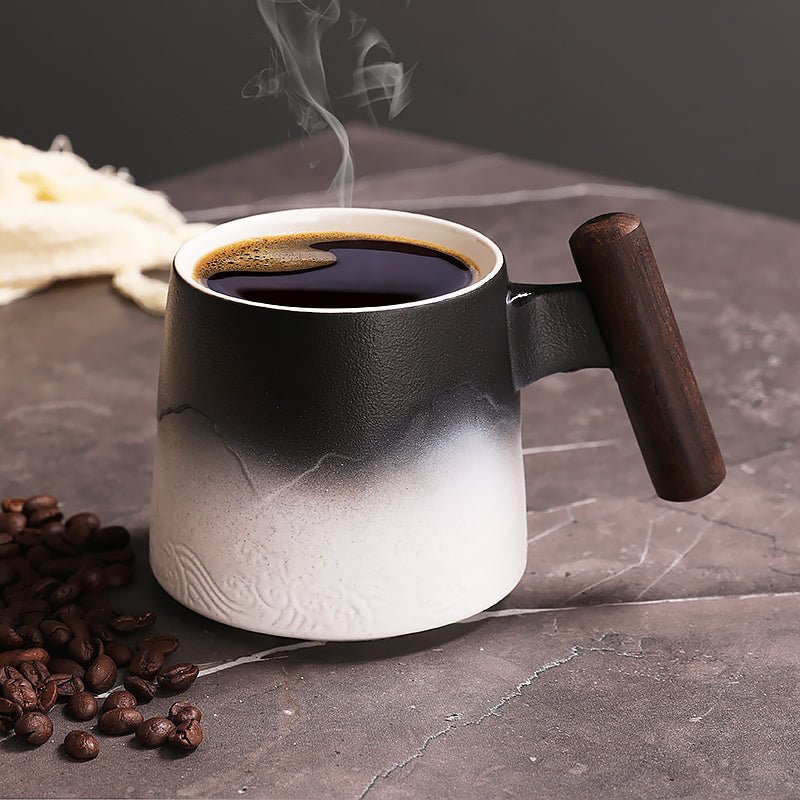
Corkcicle Coffee Mugs: What Buyers Should Check Before Ordering
Reading time: about 9 minutes
A mug that looks great on a shelf can still be annoying on a desk. The lid can drip, the handle can feel awkward, or the body can be too wide for a car cup holder. That is usually where shoppers start comparing corkcicle coffee mugs against the rest of the insulated mug category.
We handle a lot of mug questions in our store, and the buying decisions are usually practical: Does it keep coffee hot long enough for a slow morning? Does the lid seal well enough for a commute? Will the shape feel balanced in the hand? Those are the details that matter more than a polished product photo.
If you are comparing options, our broader mug selection is a useful place to start. If you want to compare sizes before committing, our size-focused guides on 12 oz Coffee Mugs: What to Check Before You Buy, 16 Ounce Coffee Mugs: Size, Materials, and Fit Guide, and 20 Ounce Coffee Mugs: What Buyers Should Check Before Ordering give you a cleaner side-by-side starting point.
What makes Corkcicle coffee mugs different from standard ceramic mugs?
The biggest difference is construction. Corkcicle-style coffee mugs are typically built around insulated stainless steel rather than ceramic or glass, so the mug is doing two jobs at once: holding the drink and slowing heat loss. That matters on a kitchen counter, at a desk, or in a meeting room where coffee may sit for a while before the last sip.
A standard ceramic mug often feels better for a quick drink at home because it is simple, familiar, and usually microwave-safe. An insulated steel mug is a better fit for people who want their coffee to stay drinkable longer and who care about lid performance. The trade-off is real: stainless steel mugs are usually not microwave-safe, and some people prefer the feel and sound of ceramic over metal.
In our experience, the shoppers happiest with this category are the ones who know they want:
- better heat retention than a basic ceramic mug
- a lid that reduces spills during desk work or short commutes
- a durable exterior that handles daily use and repeated washing
- a mug that can move between home, office, and travel bags without feeling fragile
If you need a mug for quick coffee refills in the kitchen, ceramic may still be the better pick. If you need the cup to stay in rotation all morning, insulated steel is usually the stronger choice.
Which size should you choose for daily coffee?
Size is where a lot of buyers make the wrong call. A mug can look compact online and still feel oversized in person. We see this most often with shoppers comparing 12 oz, 16 oz, and 20 oz styles without checking how much coffee they actually drink before the mug cools down.
A smaller mug is not automatically better. It depends on how you brew and where you drink. A 12 oz mug works well for a standard drip pour or a shorter coffee break. A 16 oz mug is often the most flexible daily size for people who want a full serving without jumping into oversized territory. A 20 oz mug makes more sense for long work sessions, larger pours, or anyone who wants fewer refills.
Our related guides on 16 oz Coffee Mugs: What to Check Before You Buy and 20 Ounce Coffee Mugs: What Buyers Should Check Before Ordering are useful if you are torn between two sizes. For bigger drinkers, our buyer's guide to large capacity coffee mugs is the fastest way to avoid ordering a mug that feels too small on day one.
| Size | Best for | Main trade-off |
|---|---|---|
| 8 oz | Short coffee servings, espresso-based drinks, small hands | Refills happen fast |
| 12 oz | Smaller daily pours, home use, lighter carry | Less room for milk or add-ins |
| 16 oz | Most everyday coffee drinkers | Can feel large for a quick cup |
| 20 oz | Long mornings, office use, fewer refills | Bulkier on a desk or in a bag |
One practical note: check the exterior diameter, not just the stated capacity. Two mugs can both be labeled 16 oz and still feel very different in the hand or in a cup holder.
What details should you check before buying one?
This is where shoppers save themselves from disappointment. Photos do not show everything. The real differences are usually in the lid, the rim, the wall thickness, and the way the mug finishes around the handle or base.
We recommend checking these points before ordering:
- Lid fit: A lid should seat cleanly and feel stable when the mug is tipped gently. If the lid wobbles, leaks are more likely.
- Drink opening: Some lids are designed for sipping, not full pouring. That affects how quickly the coffee cools and how easy it is to drink on the move.
- Body shape: A tapered body may fit better in car cup holders, while a wider mug can feel more stable on a desk.
- Finish and coating: Look for a finish that resists obvious wear from keys, dish racks, and daily handling.
- Care instructions: Check whether the mug and lid are dishwasher-safe, and whether the lid has parts that need hand washing.
On the care side, stainless steel mugs usually need a little more attention than a simple ceramic cup. Coffee oils can build up around the lid, in the gasket, or near the sip opening. If you let residue sit, the mug can start to smell stale even if the body itself still looks clean. A quick wash after use prevents that problem.
Our store sees the same pattern over and over: buyers focus on insulation first, then realize the lid and cleaning routine determine how much they actually enjoy the mug.
Are corkcicle coffee mugs good for work, travel, or home use?
Yes, but not equally for every setting. A well-built insulated mug can work across all three, yet the best use case depends on how you drink.
For work: This is one of the strongest use cases. A mug that holds heat and closes securely is useful on a desk where coffee may sit for an hour or more. It also matters in shared office settings where spills are a real nuisance.
For travel: The mug needs a reliable lid and a shape that fits the bag or cup holder you actually use. If you commute by car, check the base width. If you commute on foot or by transit, think about weight and whether the lid locks down firmly enough for movement.
For home: Insulated mugs are best for slow mornings, second cups, and anyone who dislikes reheating coffee. They are not the best pick if you want to pop the mug into a microwave or prefer the traditional feel of ceramic on the table.
We should be direct about the limitations. Corkcicle coffee mugs are not the best choice for people who want microwave convenience, who prefer a lightweight ceramic feel, or who need a mug that behaves like an open diner cup. They are a better fit for people who value temperature retention and spill resistance over microwave use and classic ceramic texture.
How do you keep an insulated mug clean and smelling fresh?
Cleaning is the part many shoppers underestimate. A mug that looks fine on the outside can hold onto coffee oils inside the lid threads or around the gasket. That is usually what causes the stale smell people complain about later.
Our practical routine is simple:
- Rinse the mug soon after use instead of letting old coffee sit overnight.
- Wash the lid carefully, especially around the sip opening and any gasket or seal.
- Dry the mug and lid fully before reassembling them.
- Check for residue in corners where liquid can pool.
If the product is marked dishwasher-safe, follow the maker's instructions exactly. If parts are hand-wash only, keep them out of the dishwasher. That sounds obvious, but this is where a lot of damage starts: warped lids, loosened seals, and a fit that was fine on day one but never sealed the same again.
One more practical point: if you use sugary coffee drinks, rinse even more quickly. Syrups and milk leave behind residue that plain coffee does not, and that buildup can shorten the life of the lid seal.
How should you compare Corkcicle with other coffee mug styles?
If you are narrowing down your shortlist, compare the mug by use case rather than by brand name alone. That keeps the decision grounded in how you actually drink coffee.
Use this checklist before you buy:
- Do you need insulation, or is a simple ceramic mug enough?
- Will the mug stay on a desk, or does it need to travel?
- Do you want a tighter lid, or do you prefer an open drinking feel?
- Is microwave use a requirement?
- Do you care more about compact size or larger capacity?
If you answered yes to insulation, lid security, and long sip sessions, corkcicle coffee mugs are likely in the right lane. If your main priority is a lighter, microwave-safe mug for quick refills, a ceramic option may make more sense. For shoppers comparing by capacity first, our size-specific posts on 8 Ounce Coffee Mugs: What Buyers Should Check Before Ordering and 8 oz Coffee Mugs: Size, Material, and Fit Guide are also worth a look.
Frequently asked questions
Are corkcicle coffee mugs good for hot coffee?
Yes, they are a strong fit for hot coffee because insulated stainless steel slows heat loss better than a basic ceramic mug. They are especially useful for people who sip slowly at a desk or keep coffee nearby during a long morning. They are less useful if you want to reheat the drink in a microwave.
Can I put corkcicle coffee mugs in the dishwasher?
Check the care instructions for the exact mug and lid you buy. Many insulated mugs need more careful washing around the lid, gasket, and sip opening than a standard ceramic cup. If the lid is dishwasher-safe, it still helps to rinse it promptly so coffee oils do not build up.
Do corkcicle coffee mugs fit in car cup holders?
Some will and some will not, depending on the base width and the shape of the body. This is one of the most important measurements to check before ordering. If you commute by car often, compare the mug's diameter against the cup holder you use most.
What is the biggest drawback of insulated stainless steel mugs?
The main drawback is that they are usually not microwave-safe. Some people also prefer the feel of ceramic for home use. If you want quick reheating or an open, traditional mug feel, a ceramic option may suit you better.
What size should most buyers choose?
For most daily coffee drinkers, 16 oz is the safest middle ground because it balances capacity, comfort, and versatility. If you drink smaller pours, 12 oz can feel more natural. If you want fewer refills during long work sessions, 20 oz is worth considering.
If you want the simplest next step, compare your preferred size against the mug options in our full collection, then check the size guides before you order. That is the quickest way to avoid buying a mug that looks right online but feels wrong at the counter.
Read more
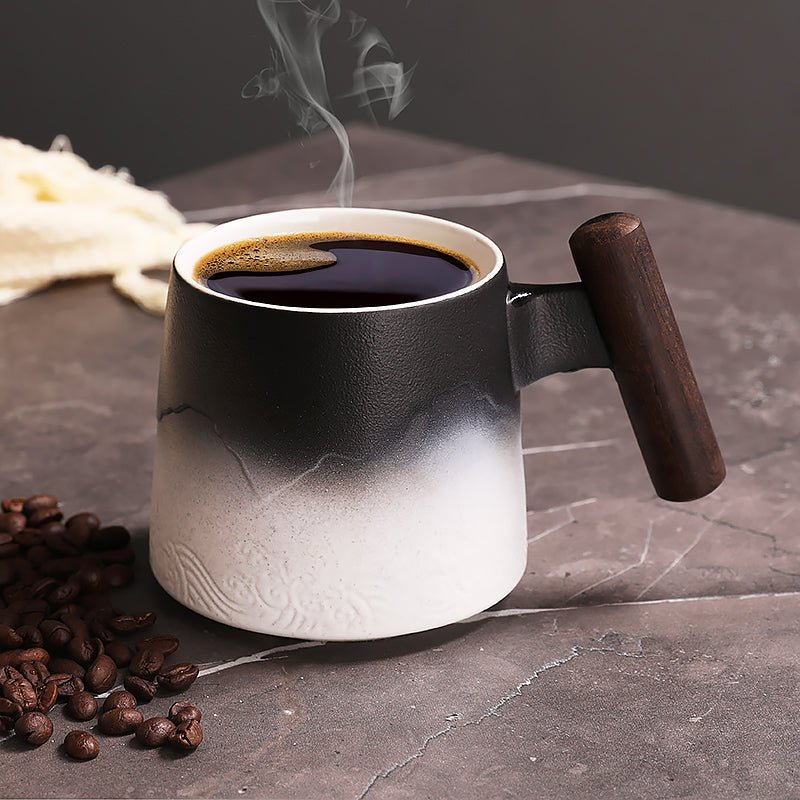
Ceramic To Go Coffee Mugs: What Buyers Should Check First
Ceramic to go coffee mugs make the most sense for desks, counters, and short drives where taste and handling matter more than maximum insulation. We break down the build details, trade-offs, and ca...
Read more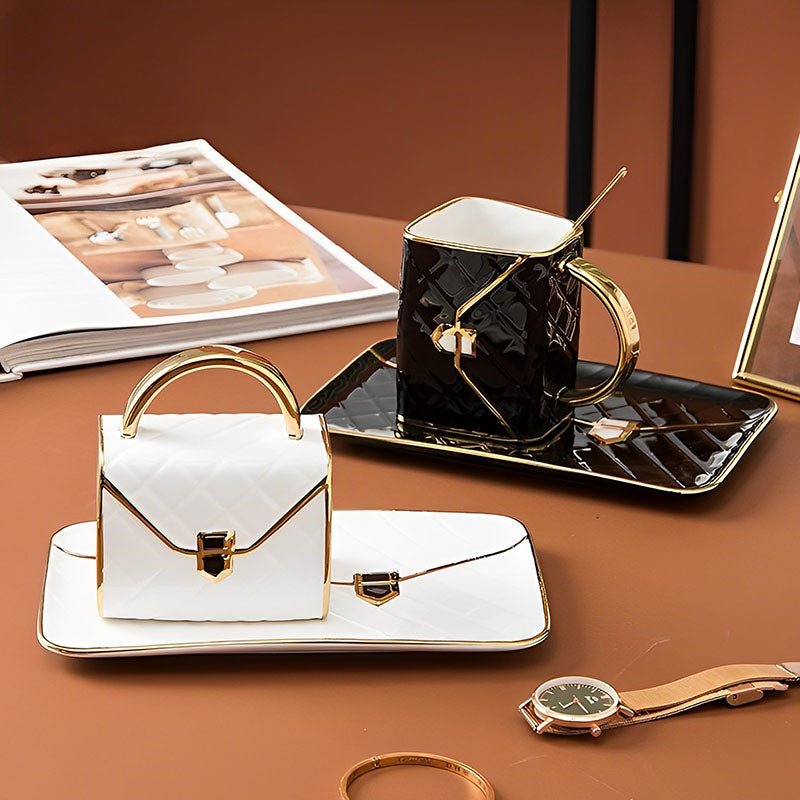
Dad Coffee Mugs: Sizes, Materials, and Gift-Worthy Picks
Practical guidance for choosing dad coffee mugs that actually get used: the right size, the best material, and the small details that matter in daily life.
Read more
Leave a comment
This site is protected by hCaptcha and the hCaptcha Privacy Policy and Terms of Service apply.