
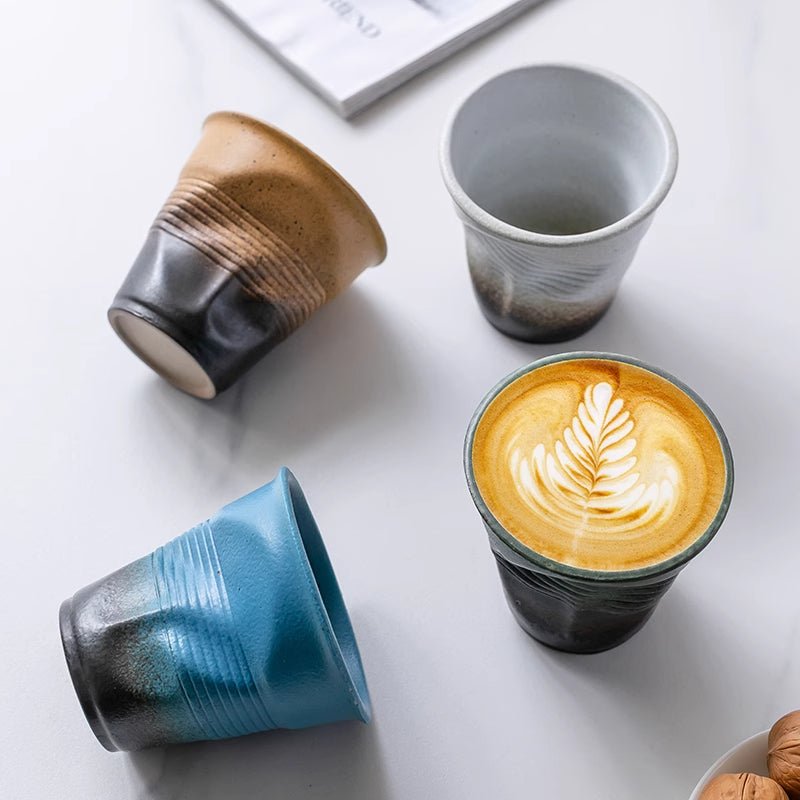
Ceramic Cup Mistakes to Avoid: Pleated Coffee Cup Buying Guide
Reading time: about 8 minutes
If you are researching ceramic cup mistakes, this Pleated Ceramic Coffee Cup guide shows the buying traps to avoid before you order. The usual regret is not the style itself; it is the small details that buyers skip, like capacity, rim feel, base stability, and whether the finish suits everyday use.
We handle this category with those trade-offs in mind. On our side, the pleated coffee tea cup is the kind of piece people buy for daily coffee, office desks, and gift sets, but it is not the best pick for anyone who wants a large insulated mug or a travel cup with a lid. If you are still comparing options, the unique coffee mugs collection is the broader place to start.
Why do so many buyers regret a pleated ceramic cup after delivery?
Most regret comes from shopping by style alone. Pleated ceramics are popular because the surface looks more refined than a plain cylinder, but that same detail can hide practical issues. A cup may be attractive and still feel awkward in the hand, sit unevenly on a table, or hold less liquid than the buyer expected.
In our experience, the most common ceramic cup mistakes happen when shoppers do not check the real use case. A cup that looks ideal for espresso on a styled shelf may feel too small for a full desk coffee. A cup that photographs beautifully may also have a glaze that shows fine tea marks faster than expected if it is used every day without quick rinsing.
If you want a deeper sizing comparison, our guide on How to Choose a Pleated Ceramic Coffee Cup | 200 ml Buying Guide covers the practical side in more detail.
What size mistake do shoppers make most often?
The biggest sizing mistake is assuming all ceramic cups feel the same in hand. They do not. A 200 ml cup is compact and elegant, which makes sense for coffee lovers who drink smaller servings, tea drinkers, and buyers who want a neat piece for a tray or shelf display. It is not ideal for someone who wants a large morning mug or a generous latte vessel.
Here is the sizing check we recommend before buying:
- Check the actual capacity, not just the photo.
- Compare the cup height to the amount you usually pour at home.
- Decide if you want a coffee cup, a tea cup, or a display-first piece.
- Remember that a smaller ceramic cup can look fuller with espresso and feel underfilled with drip coffee.
For shoppers who like compact drinkware, the smaller format is a strength. For anyone who wants a long desk session without refilling, it can be a mismatch. That is why we often pair size questions with style questions in our store conversations.
Which material and finish details should you check before buying?
Ceramic is a broad category, and the finish matters as much as the shape. A quality ceramic cup should feel solid in the hand, with a rim that does not feel sharp and a base that sits flat. The glaze should look even, without obvious drips, pinholes, or rough spots that catch the eye every time you set it down.
Three details we tell buyers to inspect:
- Rim comfort: a smooth rim matters if you sip directly from the cup.
- Base stability: the cup should not wobble on a flat table or office desk.
- Glaze consistency: slight variation can be normal in handcrafted-style ceramics, but visible defects are different from character.
This is where many ceramic cup mistakes start. People focus on the pleated profile and ignore the touch points. A cup that feels good to hold every day is usually the one that gets used, not just displayed.
If your priority is comparison shopping, our article Coffee Cup Mug Ceramic: What Buyers Should Check Before They Buy is a useful companion read.
What is the wrong way to judge comfort and daily use?
The wrong way is to judge only from the front-facing photo. Real use happens on kitchen counters, office desks, and beside a keyboard while you answer email. A pleated wall can look elegant but still feel busy in the hand if the ridges are too pronounced. A wide cup may feel stable, yet be harder to store in a crowded cabinet.
We look at comfort in three ways:
- Grip: can you pick it up without shifting your fingers into an awkward position?
- Pour and sip behavior: does the rim let you drink without dripping?
- Table behavior: does it settle quietly, or does it scrape and rock?
That is why a pleated ceramic cup is best for buyers who want a calm, decorative everyday piece. It is not the best choice for someone who needs heavy-duty insulation, a camping mug, or a cup that can survive rough transport in a bag.
We see fewer returns when shoppers match the cup to the real setting: breakfast table, desk, shelf display, or gift box. The setting matters more than the photo.
What should gift buyers avoid with a pleated ceramic cup?
Gift buyers often make the mistake of choosing the prettiest cup and stopping there. For gifting, the details around unboxing matter just as much as the cup itself. A unique shape is good, but the recipient still needs something that feels easy to use, easy to clean, and appropriate for their routine.
This is where our store sees a lot of thoughtful purchases for coworkers, hosts, and home decor fans. A pleated ceramic cup works well when the buyer wants a gift that feels polished without being fragile-looking. Gift wrapping also helps when you need the item ready to hand over, not just shipped in a plain box.
To avoid gift-shopping errors, ask:
- Will the person use smaller coffee or tea servings?
- Do they prefer minimal designs or decorative pieces?
- Is the cup meant to be functional, display-worthy, or both?
- Do they need a gift that is easy to care for after the first use?
If you are buying specifically for colleagues or clients, our Pleated Ceramic Coffee Cup Gift Guide for Coworkers and Clients is the right next stop.
How do care and cleaning mistakes shorten the life of a ceramic cup?
The most common care mistake is assuming every ceramic piece can be treated the same way. Ceramic is usually easy to clean, which is one reason shoppers like it, but the finish still deserves some attention. Hot drinks can leave rings or tea marks if the cup sits unwashed for too long. Metal spoons can leave visible scuffs if they are knocked against the rim repeatedly.
Our practical care advice is simple:
- Rinse soon after use when possible.
- Use a soft sponge for regular washing.
- Avoid abrasive scrubbers that can dull the glaze.
- Follow the product care instructions if you plan to use a dishwasher.
For buyers who want the cup to keep looking clean on a shelf or open rack, this matters more than people expect. If you want a more detailed maintenance walkthrough, see Pleated Ceramic Coffee Cup 200 ml Care Tips to Make It Last Longer.
Which buying mistakes matter most for style-focused shoppers?
Home decor shoppers often fall for the silhouette and ignore the rest of the room. That is a mistake, because a cup that works on a moody styled shelf may not match an everyday breakfast table. Pleated ceramics bring texture, so they already do a lot visually. If the rest of your kitchen is busy, a highly textured cup can feel crowded rather than refined.
Style-first buyers should compare these points before clicking buy:
| Check | What can go wrong | Better approach |
|---|---|---|
| Color | Looks too stark or too warm against your dishes | Match it to your plates, tray, or countertop tone |
| Shape | Pretty but awkward for stacking or storage | Measure cabinet height and shelf space first |
| Texture | Ridges compete with other decor | Use it as the main accent piece, not one of many |
If you like this category but want to compare similar shapes, our post about Ceramic Cup Mistakes to Avoid When Buying a Vintage Retro Small Cup is helpful because the same sizing and finish issues show up there too.
Frequently asked questions
Is a pleated ceramic coffee cup good for everyday use?
Yes, if you drink smaller servings and want a cup that feels more refined than a standard mug. It is a good fit for coffee, tea, and desk use. It is not the best choice for large lattes, long commutes, or anyone who wants insulation and a lid.
What should I check first before buying a ceramic cup online?
Start with capacity, rim comfort, and base stability. Then check whether the glaze looks even and whether the cup fits your usual drink size. Those two checks prevent most ceramic cup mistakes we see from first-time buyers.
Is a 200 ml cup too small for coffee?
It depends on how you drink coffee. For espresso, cappuccino, and smaller servings, 200 ml works well. For bigger drip coffee pours or milk-heavy drinks, it can feel undersized fast.
How do I know if a ceramic cup is gift-worthy?
Look for a design that feels special without being hard to use. A gift-worthy cup should be easy to clean, comfortable to hold, and appropriate for the recipient's daily routine. Gift wrapping is a plus when you want it ready for immediate giving.
What is the biggest mistake people make with pleated ceramic cups?
They buy for the photo instead of the use case. The shape is attractive, but the wrong size or finish can make the cup less practical than expected. That is why we recommend checking the details before choosing a style piece.
What should you do next if you want the right cup the first time?
Use a simple comparison checklist before you buy: capacity, comfort, glaze finish, storage space, and whether the cup fits your routine or gift plan. If you want a compact, decorative option that still works for real use, start with the pleated coffee tea cup. If you want to compare more shapes and styles before deciding, browse our unique coffee mugs collection and choose the piece that matches how you actually drink coffee.
Read more
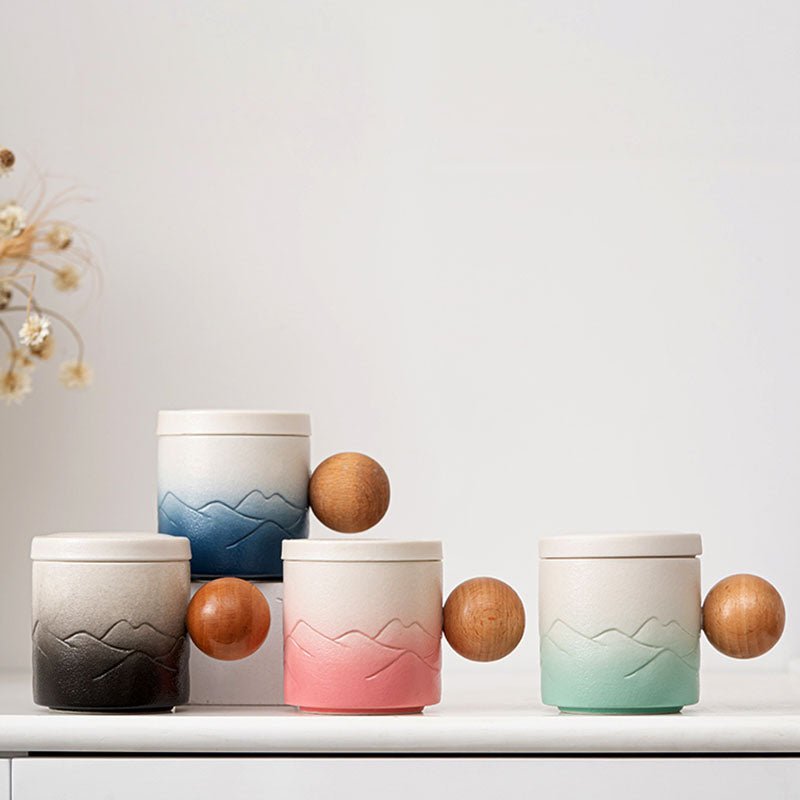
Is a Ball Handle Ceramic Coffee Mug Right for Coffee Lovers and Home Decor Enthusiasts?
A ball-handle mug can be a strong pick if you want a ceramic cup that feels distinctive on the table and still works for daily coffee or tea. Here’s how it fits real use, gifting, and home decor — ...
Read more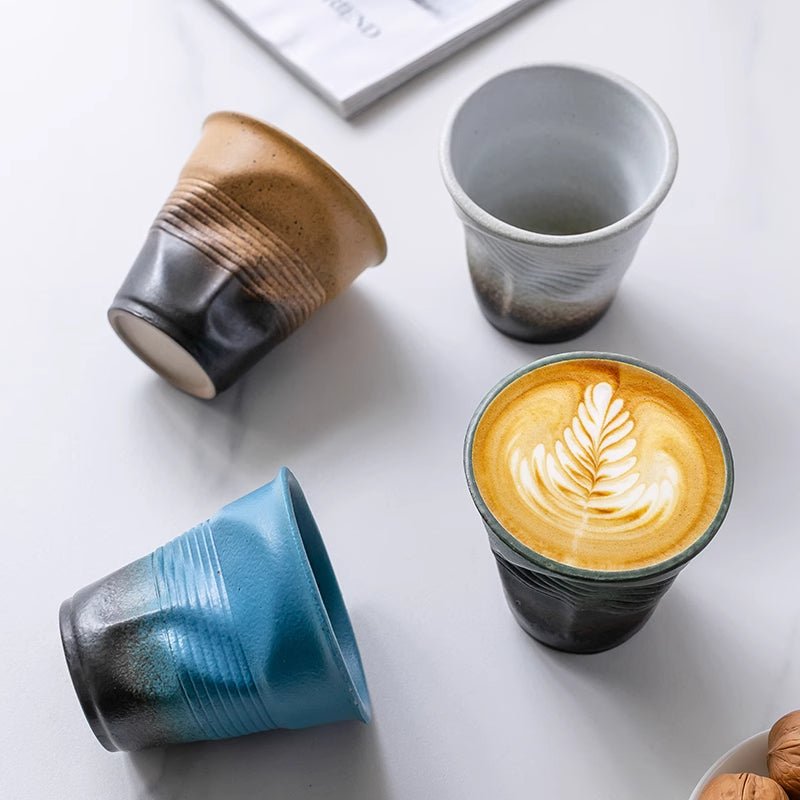
Ceramic Cup Mistakes to Avoid: Pleated Ceramic Coffee Cup 200 ml
A practical buying guide for shoppers comparing pleated ceramic cups for coffee, tea, gifting, or desk use. We cover the mistakes that lead to chipped rims, awkward sizing, and cups that look nice ...
Read more
Leave a comment
This site is protected by hCaptcha and the hCaptcha Privacy Policy and Terms of Service apply.