
Coffee Mugs DIY: What to Buy, What to Avoid, and What Works
Reading time: about 9 minutes
A mug that looks perfect on the shelf can behave very differently once paint, decals, or repeated dishwasher cycles enter the picture. That is the part most shoppers only learn after a first attempt goes streaky, peels at the rim, or fades after a few washes.
In our store, we see two kinds of buyers looking at coffee mugs diy: people who want to customize a mug themselves, and people who want the finished look without spending an afternoon on tape, curing, and cleanup. Both are valid. The right choice depends on the surface, the care routine, and how much wear the mug needs to handle.
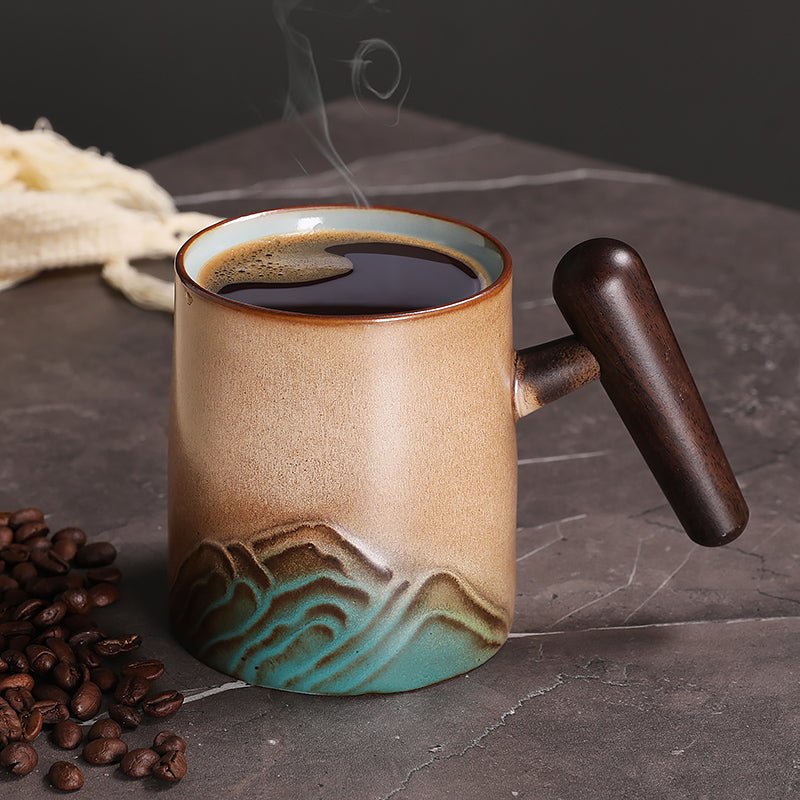
If you want to compare ready-made options while you plan a custom gift, start with our collection of mugs. If you already know you want a decorated mug that skips the trial-and-error stage, the Koi Fish Coffee Tea Mug, The Crane Coffee Tea Mug, and Landscape Coffee Tea Mug are examples of the finished look many DIY shoppers are aiming for.
What does coffee mugs DIY usually mean for a buyer?
For most shoppers, coffee mugs DIY falls into one of three buckets:
- Personalized gifts: names, dates, doodles, or simple line art for birthdays, coworkers, teachers, or housewarming gifts.
- Craft projects: paint pens, ceramic markers, vinyl decals, or baked-on designs for one-off creative pieces.
- Functional everyday mugs: a mug that still needs to survive desk use, microwave warming, and a normal dishwasher cycle.
The wrong mug choice shows up fast. A rough glaze can make decals lift at the edges. A heavily textured surface can break the clean lines of a painted design. A handle that feels fine in a product photo can feel awkward after a week at a desk. Our team looks at those details because those are the things customers notice after unboxing, not on a product page.
If your real goal is a gift that looks intentional on day one, a finished decorative mug often makes more sense than a DIY blank. If your goal is the project itself, then you want a mug with a smooth, even surface and a shape that is easy to work around.
Which mug material works best for painting, decals, or daily use?
Material matters more than most people expect. For coffee mugs DIY, ceramic is usually the safest starting point because it tends to give you a smooth, printable, paint-friendly surface and a familiar drinkware feel. It is also the material most shoppers already expect for coffee and tea.
Here is the practical breakdown we use in our store conversations:
| Material | What it does well | Where it struggles |
|---|---|---|
| Ceramic | Even surface, classic feel, good for painting and decals | Can chip if handled roughly; not ideal if you want something ultra-light |
| Stoneware | Solid feel and durable everyday presence | Often heavier; some surfaces are less forgiving for fine decal work |
| Glass | Looks clean and modern | Less forgiving for painted DIY projects and can feel fragile in daily use |
For custom work, finish matters as much as material. A glossy glaze is easier to wipe clean and usually looks sharper for decals. A very matte or heavily textured mug can make fine lettering bleed visually, even if the paint itself is applied correctly. If you are using ceramic markers, test the tip on the base or an unseen area first. That small step avoids the disappointment of a nib catching on a rough patch halfway through a design.
For daily use, think past the craft stage. A mug that looks great on a craft table may still be a poor choice if the handle is too small for gloved hands in winter or if the wall thickness holds heat too long for office desk use. If you want a deeper buying guide around size and feel, our posts on 10 oz Coffee Mugs: What Fits, Who They Suit, and What to Check and 12 Ounce Coffee Mugs: How to Choose the Right One for Daily Use are useful starting points.
What should you check before buying mugs for a DIY project?
Before you buy, we recommend checking the same five things we look at when a customer says they want a mug for custom work:
- Surface finish: smooth, even glaze is easier for paint pens, vinyl, and decals.
- Rim shape: a clean rim makes the mug easier to drink from and reduces visual clutter in a design.
- Handle comfort: a handle should feel stable, not cramped, especially for office or daily home use.
- Cleaning expectations: if you plan to hand wash, you have more options; if you expect dishwasher use, the decoration method needs to be much more durable.
- Design role: decide whether the mug is the blank canvas or the finished centerpiece. Those are not the same purchase.
Two common defect modes matter in real use. First, glaze inconsistency can make a design look uneven even when your application is careful. Second, small chips around the rim or base can shorten the life of a mug that otherwise looks fine in photos. We call those out because they are the issues buyers notice after the first couple of uses, not at checkout.
For shoppers who want a larger daily mug with a little more room, our articles on 14 Ounce Coffee Mugs: Size, Fit, and Buying Guide and 16 Ounce Ceramic Coffee Mugs: What to Check Before You Buy can help you judge whether a bigger cup makes sense before you start decorating it.
Which DIY mug methods actually hold up after washing?
Not every decorating method is built for real life. A mug can look finished on the craft table and still fail after a few sink cycles. The method matters as much as the mug.
- Paint pens and ceramic markers: good for simple graphics, names, and hand-drawn lines. Best on smooth ceramic. Usually better for hand wash care unless the product instructions say otherwise.
- Vinyl decals: strong for crisp lettering and shapes. They can look polished, but edges can lift if applied over dust, grease, or a curved area that gets rubbed often.
- Hand painting with enamel-style products: useful for artful one-off pieces. This takes more time and usually rewards patient, thin coats.
- Heat-set or cured finishes: can improve durability, but only if the material and product instructions support that process.
What DIY is not good for is a mug that must survive heavy dishwasher use, repeated microwave heating, or the kind of daily office treatment that includes being stacked, knocked, and rewashed without thought. If durability is the main priority, a finished mug with a strong factory-applied design is usually the safer choice.
That is why many customers end up choosing a ready-made design instead of a custom project. A mug like the The Crane Coffee Tea Mug already gives you a distinctive look with none of the cleanup, curing, or alignment problems that come with DIY. If you want more options with that same path, our collection of mugs is the easiest place to compare styles.
When is it better to buy a finished mug instead of making one?
We usually steer shoppers toward a finished mug when the use case is specific and the deadline is real. Gift unboxing. Office desk use. A last-minute birthday. A piece that needs to look polished on the first try. In those cases, DIY can add risk without adding much value.
A finished mug is the smarter buy if you want:
- a consistent look straight out of the box
- less cleanup and no curing time
- a design that is already balanced against the mug shape
- lower risk of peeling, smudging, or uneven line work
That does not make DIY a bad idea. It just means the project should match the purpose. If the mug is meant to be a keepsake or a craft activity, DIY makes sense. If the mug is meant to be a reliable daily driver, a finished option is usually the better long-term value.
The three finished mugs we mentioned earlier are good examples of the direction many DIY shoppers end up choosing after comparing options: Koi Fish Coffee Tea Mug, The Crane Coffee Tea Mug, and Landscape Coffee Tea Mug. They are especially useful if you like the idea of a custom-looking gift but do not want to risk a hand-made finish that wears unevenly.
How do we help shoppers choose the right mug style?
We usually walk buyers through three questions before they choose:
- Is this mug for display, gift giving, or daily drinking?
- Do you want a blank surface to customize, or a finished design that already feels complete?
- Will the mug be hand washed, or do you expect it to live through regular machine washing?
If you are comparing sizes, our size-focused guides can help you avoid the common mistake of choosing too small a mug for a workday or too large a mug for a quick morning coffee. If you are comparing design styles, our product collection is the fastest way to see what fits your taste before you commit to a project.
In our experience, the easiest mistakes to avoid are the boring ones: a mug that is too awkward to hold, a surface that does not suit your decorating method, or a design that looks good online but feels out of place on your counter. That is why we encourage shoppers to start with use case first, style second.
Frequently asked questions
What mug material is best for coffee mugs DIY?
Ceramic is usually the best starting point because it has a smooth surface and a familiar feel for everyday coffee use. It is also easier to work with for paint pens, decals, and simple hand-painted designs than rougher or more textured materials. If you want the design to stay looking sharp, smooth glaze matters as much as the base material.
Can I put a DIY coffee mug in the dishwasher?
Only if the decoration method is designed for that level of wear. Many hand-decorated mugs hold up better with hand washing, especially if you used paint pens, vinyl, or an at-home finish. If dishwasher durability matters, a factory-finished mug is usually the safer choice.
What should I avoid when making coffee mugs DIY?
Avoid mugs with rough, uneven, or chipped surfaces if you want a clean result. Those flaws can interfere with paint, vinyl, and line work, and they usually become more obvious after washing. Also avoid assuming a decorative finish will behave like a plain mug unless the method is made for regular use.
Are DIY mugs good for gifts?
Yes, if you have time to make the piece neat and durable. DIY works well for personal gifts with names, dates, or simple art. If the gift needs to look polished immediately, a finished mug from our collection is often the better choice.
What size mug should I choose before customizing it?
Choose based on how the mug will be used, not just on how it looks. A smaller mug can feel tidy and giftable, while a larger one is better for longer coffee breaks or tea. If you want a more detailed size comparison, our 10 oz, 12 oz, 14 oz, and 16 oz mug guides are a good next read.
If you want the safest next step, compare the mug’s surface, handle comfort, and care plan first, then decide whether DIY still makes sense. For a faster route, browse our mug collection and pick a style that already matches the look you want.
Read more
Coffee Mugs and Stand: How to Choose a Set for Daily Use
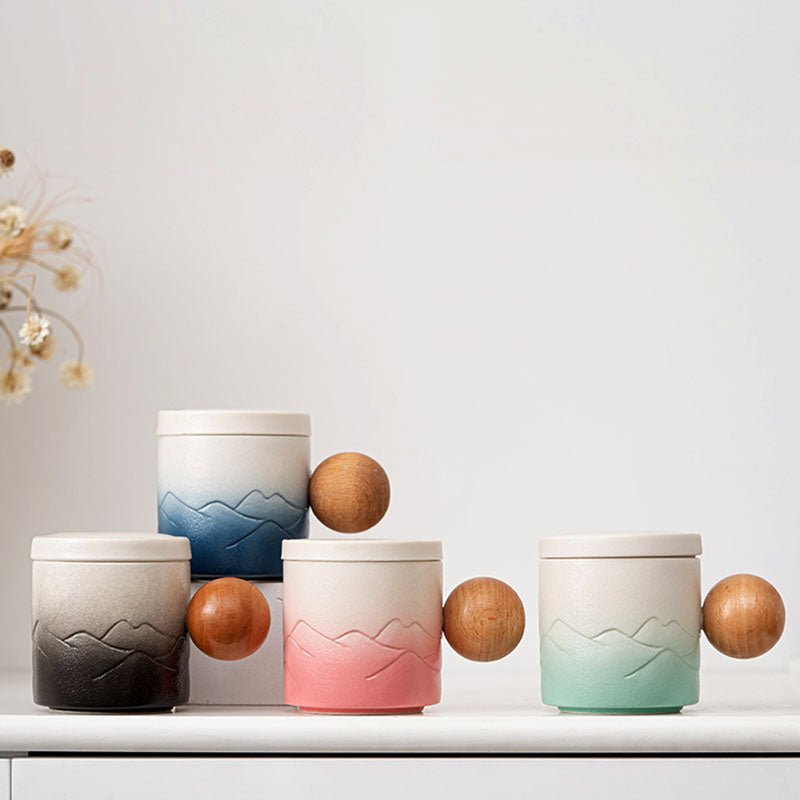
A practical guide to coffee mugs and stand for real kitchens, desks, and gift sets. Compare handle style, cleaning needs, stand stability, and our current mug picks before you buy.
Read more
Fox Coffee Mug Buying Guide: Size, Finish, and Daily Use Checks
A fox coffee mug should do more than look cute on a shelf. We break down size, finish, handle comfort, and the trade-offs that matter after the first few dishwasher cycles.
Read more
Leave a comment
This site is protected by hCaptcha and the hCaptcha Privacy Policy and Terms of Service apply.