
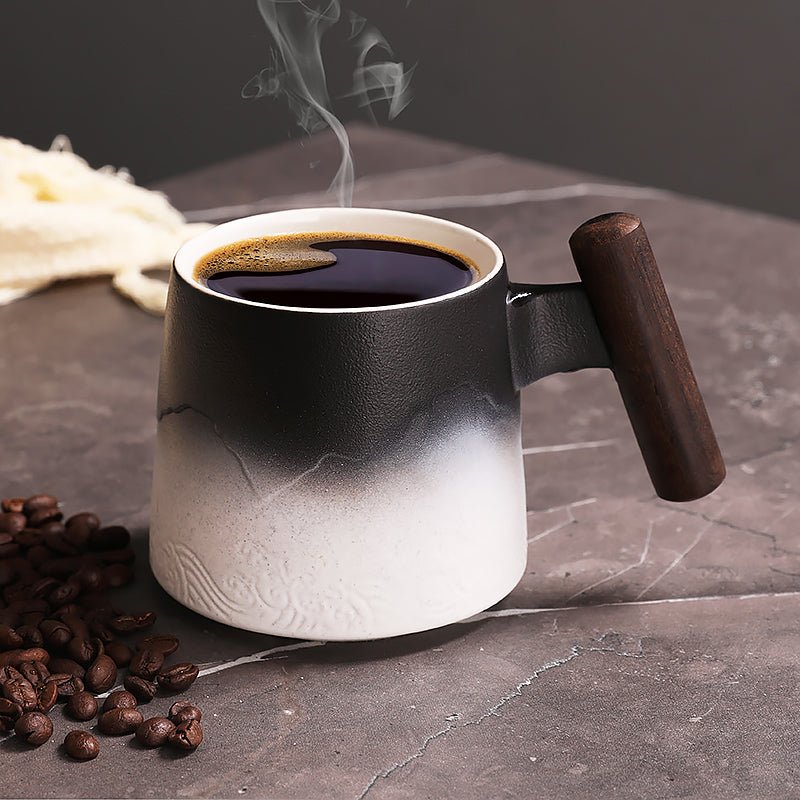
Coffee Mug Wide: What to Check Before You Buy
Reading time: about 10 minutes
A wide mug changes the first five minutes of a coffee break. It sits differently on the desk, gives your drink more surface area, and usually feels more stable in the hand than a tall, narrow cup. That sounds simple, but the details matter once you start comparing options for home, office, or gifting.
We handle mugs for daily use, and the same questions come up again and again: will it fit under the brewer, will it stay comfortable to hold, and does the wide shape actually improve the drinking experience? If you are comparing a coffee mug wide enough for a roomy pour, this guide will help you judge the trade-offs before you buy. If you want to browse what we carry while you read, start with our product selection or go straight to the broader collection.
What does a wide coffee mug change in daily use?
A wider mug is not just a style choice. It changes the center of balance, the mouthfeel at the rim, and how quickly the coffee cools. On a kitchen counter, a wider base often feels steadier, especially if the mug is being used one-handed while someone is moving around breakfast dishes or a laptop.
In our experience, shoppers usually notice three things right away:
- Comfort in the hand: a wider body can feel easier to wrap your fingers around, especially if the handle is large and open enough for an adult grip.
- Cooling speed: the larger exposed surface area lets heat escape faster, which some people like for black coffee and others do not.
- Fit in real spaces: the mug may take more room on a narrow desk, a crowded dishwasher rack, or under a low cabinet.
That last point matters. A mug that looks generous on a shelf can be awkward on a small office desk, especially if you also use a notebook, keyboard, and charger. A tall mug often behaves differently from a wide one even when the capacity looks similar on paper.
How do you tell if a wide mug is actually the right size?
Capacity numbers only tell part of the story. Two mugs labeled similarly can feel very different because of rim width, body shape, and handle placement. A mug with a broad opening may hold the same amount as a narrower one, but it will look and drink larger.
We suggest checking these details before you buy:
- Opening diameter: a wider opening affects aroma, cooling, and spoon room for sugar or creamer.
- Overall height: shorter mugs are usually easier to store under cabinets and can feel more stable.
- Handle clearance: if your knuckles press against the mug body, it will get annoying fast.
- Wall thickness: thicker ceramic holds heat longer, while thinner walls often feel lighter but can cool quicker.
- Base width: a broad base is useful on a desk or table, but a very wide footprint can be a poor match for tight cup holders or narrow shelf slots.
If you are still deciding between common capacities, our guides on the 12 ounce coffee mug and the 16 ounce coffee mug explain how size affects daily use without guessing. For a broad mug specifically, one detail usually overlooked is how far the rim flares outward. A slight flare can make drinking easier; an exaggerated flare can make the mug feel oversized even when the capacity is moderate.
Which materials work best for a wide coffee mug?
Most buyers narrow their choices to ceramic, stoneware, or porcelain. That is the right place to start, but the differences matter more in a wide mug because the shape already changes heat retention and hand feel.
| Material | What it feels like | Best use | Trade-off |
|---|---|---|---|
| Ceramic | Solid, familiar, everyday-friendly | Kitchen, desk, casual gifting | Can chip if knocked against a sink or other dishes |
| Stoneware | Heavier, grounded, often more rustic | Home use and slower coffee drinking | Heft can be tiring if you want a lighter cup |
| Porcelain | Cleaner, finer edge, usually lighter feel | More polished presentation | May feel less forgiving if you prefer a thick, sturdy mug |
From a handling standpoint, ceramic and stoneware are the most common choices for everyday wide mugs because they feel substantial without being fussy. Porcelain is nice when the mug is mostly for a coffee bar display or a gift unboxing, but it may not be the first pick if the mug will live beside a sink full of weekday dishes.
Care matters too. Many mugs are dishwasher-safe, but not all printed finishes, metallic accents, or specialty glazes behave the same after repeated wash cycles. A wide mug with a broad lip can also collect residue around the rim if it is used for sugary drinks, so a smooth glaze and easy-to-clean interior are worth checking. If you want a broader comparison of shape and fit, our wide bottom coffee mug buying guide covers stability and countertop use in more detail.
What makes one wide mug better for coffee than another?
Not every wide mug is automatically a better coffee mug. A mug can be wide and still be awkward if the handle is too small, the lip is too thin, or the opening is so broad that the drink cools too quickly. The best choice depends on how you drink coffee.
Here is the practical breakdown we use in our store:
- For black coffee: a wide opening can help you enjoy aroma, but it may also cool the coffee faster.
- For lattes and milky drinks: a wider bowl-like shape gives room for foam and mixing.
- For tea or hot chocolate: the wider surface can be pleasant, but the drink may lose heat sooner than in a taller mug.
- For office use: choose a wide mug only if the desk has room; otherwise it becomes another item you keep nudging aside.
One real trade-off is heat retention. If you sip slowly over an hour, a wide mug is usually not the best match unless it has thicker walls or a lid. A narrower mug often keeps a hotter drink longer. That is why some shoppers who like a broad look still end up choosing a more traditional profile for workdays and reserving the wider mug for weekend use at home.
If you are comparing other standard sizes, the 10 oz coffee mug and 11 oz coffee mug articles can help you decide whether you really want a roomier drink or just a mug that looks larger on the shelf.
What should you inspect before buying online?
Photos help, but mug listings can hide the details that make the difference between a daily favorite and a cabinet backup. We always recommend checking the listing for the same few points we inspect when handling mugs in our store.
- Handle opening: make sure your fingers fit comfortably, especially if you use two fingers through the handle.
- Base diameter: a broad mug should still sit flat and stable; wobble is a bad sign.
- Rim shape: a smooth, even rim feels better than a sharp or uneven edge.
- Glaze quality: look for a consistent finish without pinholes, rough spots, or drips that collect residue.
- Weight: a wide mug can become heavy once filled, so the empty weight matters more than many shoppers expect.
We also look for common defect modes that show up in this category: hairline cracks near the handle join, glaze pooling near the base, and an oversized handle opening that makes the mug awkward to lift when it is full. Those are not glamorous details, but they are the difference between a mug that feels right and one that gets pushed to the back of the cupboard.
For shoppers who want a wider mouth and a different rim feel, our 14 oz coffee mug guide and 15 oz coffee mug guide are useful comparisons. A slightly larger mug can sometimes deliver the roomy feel people want without going all the way to an oversized shape.
Who should choose a wide coffee mug, and who should not?
A wide mug is a strong fit for people who want a comfortable breakfast cup, a relaxed desk mug, or a mug that looks good on an open shelf. It is also a sensible pick for gifting when you want something that feels substantial in the hand and not too delicate.
It is not the best choice for every buyer. We would steer you away from a wide mug if:
- you need a mug that fits a narrow car cup holder, since many wide mugs are too broad at the base or body;
- you sip very slowly and want maximum heat retention;
- your cupboard shelves are tight and short;
- you prefer lightweight drinkware over a more grounded, heavier feel.
That last point is common in office settings. A broad mug looks great on a desk, but if you move it around beside a keyboard, papers, and a mouse, the footprint can feel larger than the actual capacity suggests. In a home kitchen, that same footprint may feel perfectly natural.
How do wide mugs compare with standard mugs on fit and feel?
A standard mug is usually the safer all-purpose buy. A wide mug is more specific. It often feels more open, less vertical, and more relaxed. The difference is visible before you pour anything into it.
Here is the practical comparison:
- Wide mug: better for aroma, easier stirring, more surface area, often more stable, but may cool faster.
- Standard mug: better for heat retention, easier storage, often more familiar for everyday routines.
- Wide mug with a broad base: best for table use and home counters.
- Standard mug with a narrow footprint: better for tight office setups or smaller shelves.
If you are still deciding, a sensible path is to compare the shape first, then the capacity. That is exactly why our buyers often start with shape guides before choosing a size. The mug that looks “right” in photos is not always the one that feels right in a real kitchen or office.
Frequently asked questions
Is a wide coffee mug better for hot coffee?
Not always. A wider mug usually exposes more surface area, so coffee can cool faster than it would in a taller mug. If you drink slowly, a wider mug may not be the best fit unless it has thicker walls or you do not mind the temperature drop.
Will a wide coffee mug fit under a coffee machine?
Sometimes, but not always. The mug’s height matters more than the width for machine clearance, yet the handle and top flare can still create fit issues. We always recommend checking the brewer’s clearance and comparing it with the mug’s full profile, not just the stated capacity.
Are wide coffee mugs good for the office?
They can be, especially if you like a roomy mug and have a large desk. The trade-off is footprint: a wide mug takes more space beside a laptop, notebook, or keyboard. If your workspace is tight, a standard mug may be easier to live with.
What material is easiest to clean for a wide mug?
Smooth ceramic and porcelain are usually easiest to rinse and wipe clean. A good glazed interior helps prevent coffee residue from clinging to the walls and rim. Avoid overly textured finishes if you want faster cleanup after daily use.
Should I choose a wide mug for a gift?
Yes, if the person likes a substantial mug and drinks coffee at home or at a desk. A wide mug feels generous when unboxed, but it is less ideal if the recipient prefers compact drinkware or needs something that fits a cup holder. If you are unsure, a more standard shape is the safer gift.
What should you do next if you want the right fit?
Start with the use case, not the look. If you want a mug for slow mornings, home countertops, or a desk with room to spare, a wide coffee mug can be the right call. If you need maximum heat retention, compact storage, or a cup that travels easily, a narrower shape may suit you better.
Before you buy, run through this quick checklist:
- Measure the space where the mug will sit.
- Check handle clearance for your grip.
- Decide whether cooling speed is a plus or a problem.
- Choose ceramic, stoneware, or porcelain based on feel and care.
- Compare the mug’s opening, base, and overall height, not capacity alone.
If you want to see the options we currently carry, browse the product selection or explore the full collection. For more fit-focused reading, our buyers also use the linked guides above to compare shape, size, and everyday use before choosing a mug that will actually get used.
Related from our store
Read more

Tea Cups for Sale: How to Choose the Right Style, Size, and Material
Compare tea cups for sale by material, size, handle comfort, and care needs before you buy. See which styles work best for daily tea, gifting, office use, and display.
Read more
Tea Ceramic Cup Buying Guide: Size, Finish, and Daily Use
A tea ceramic cup should feel balanced in the hand, hold heat without making the tea feel flat, and clean up without fuss. We break down size, glaze, care, and the trade-offs that matter before you...
Read more
Leave a comment
This site is protected by hCaptcha and the hCaptcha Privacy Policy and Terms of Service apply.