
Coffee Mug Warmers: What Fits, What Fails, and What to Buy
Reading time: about 9 minutes
A half-finished cup of coffee on a desk is usually where the problem starts. The mug still looks full, but the drink is lukewarm, and by the time you get back to it, the flavor has flattened out. That is the use case coffee mug warmers are meant to solve, and the difference between a useful warmer and a frustrating one usually comes down to the mug sitting flat, holding heat evenly, and being easy to clean.
At CoffeifyMug, we think about these details because we see the same buying mistakes again and again. People focus on wattage or the word "smart" on the box, then discover their mug has a curved base, a wide foot, or a glossy finish that is more annoying than helpful on a warmer plate. If you want a mug and warmer setup that actually works at a kitchen counter, office desk, or gift station, start with the mug shape first. A flat, stable base matters more than a flashy label.
What do coffee mug warmers actually do?
Coffee mug warmers are simple devices designed to keep a finished drink in the drinkable range for longer. Most use a heated plate or pad under the mug. They are not meant to boil coffee, and that is a good thing. If the plate runs too hot, the coffee can taste scorched, especially with lighter roasts or milk-heavy drinks.
In practical terms, a warmer helps most when you are a slow sipper. It is useful for a desk, a work-from-home setup, a bedside table, or a kitchen counter where coffee tends to sit between refills. It is less useful if you pour a mug, finish it quickly, and want no extra gear on the counter. For people who drink coffee fast, a good insulated mug may be the better buy.
We also see a common misconception: coffee mug warmers do not fix a poor mug. If the mug base is uneven, hollow, or too narrow for the plate, heat transfer drops and the mug can wobble. That is why matching the mug and warmer matters just as much as choosing the warmer itself.
Which mug shape works best on a warmer?
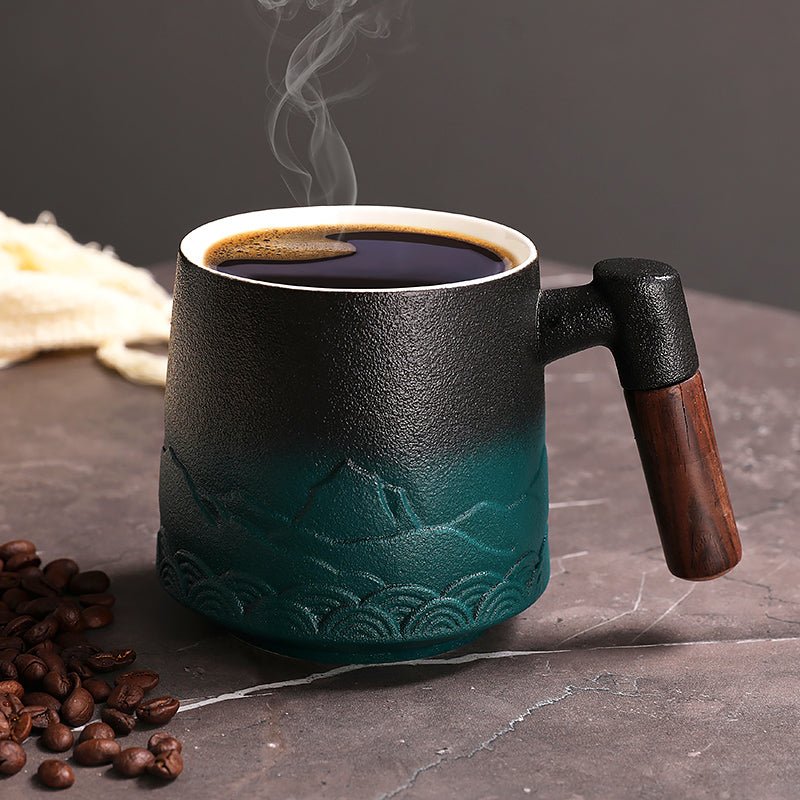
The best mug for coffee mug warmers is usually the one with a flat, stable base and a body that sits evenly on the plate. Ceramic is the most common material because it transfers heat predictably and feels solid on a warmer. A double-wall insulated mug can hold heat on its own, but it may actually reduce how much warmth reaches the drink from the plate.
In our store, we pay attention to everyday fit details like base width, wall thickness, and handle clearance because that is what determines whether a mug feels secure on a warmer. A mug with a narrow foot or a deeply curved bottom can tilt slightly, which is annoying and can make heating less efficient. A simple cylindrical shape tends to behave better than a heavily flared cup.
If you want examples of mug styles that usually pair well with a warmer, start with our Landscape Coffee Tea Mug for a clean, stable profile. The Gradient Coffee Tea Mug is another good reference if you prefer a mug that still looks polished on a desk. For shoppers who like a more vintage look, the Retro Coffee Tea Cup is worth comparing for style, though the right fit still depends on the warmer plate underneath.
If you are still deciding on size, our size-focused guides can help you check actual fit before you buy: 10 oz Coffee Mug: Size, Fit, and What to Check Before You Buy and 12 oz Coffee Mug: Size, Fit, and What to Check Before Buying.
What should you look for before buying coffee mug warmers?
The details below matter more than most product listings admit. We recommend checking these before you buy:
- Plate size: The heating surface should match the base of your mug without forcing the mug to overhang.
- Surface material: A flat ceramic or metal base is usually easier to keep stable than a heavily textured one.
- Heat behavior: Some warmers are built to maintain warmth, while others run hot enough to push coffee toward a bitter taste.
- Controls: On/off switches are simple, but an auto-off feature is helpful for office use or forgetful mornings.
- Cleaning: A smooth top is easier to wipe when coffee drips happen, which they do.
We also look at real-world placement. A warmer on a crowded office desk needs a cord that does not get in the way of a mouse or notebook. On a kitchen counter, a wider base is helpful so it does not slide when you set the mug down quickly. For gift buyers, a simple control setup is easier than something that requires a manual to understand.
One more practical point: coffee mug warmers are not a substitute for a thermal travel mug if the drink will be moving around. They are best when the coffee stays in one place.
Are coffee mug warmers good for the office, kitchen, or bedside table?
Yes, but each setting has different expectations. An office desk is the easiest use case because the mug usually stays in one spot and the warmer can do its job without interruption. A kitchen counter works well too, especially if you pour coffee early and come back for refills throughout the morning. A bedside table is possible, but only if the warmer is compact and the cord placement is safe and out of the way.
We like office setups because they show the difference between a good mug and a bad one very quickly. If the base is unstable, you notice it every time you set the cup down. If the mug is too thick, the drink may warm more slowly. If the warmer plate is too aggressive, the last few sips can taste overcooked. That is the trade-off: better heat retention often means more attention to mug choice.
If your main goal is less cleanup and a mug that feels good in daily use, the buying guides in our blog can help you narrow size before you think about accessories. A mug that fits your hand and your warmer is easier to live with than one that looks clever in a product photo.
What are the main trade-offs and limitations?
Coffee mug warmers are useful, but they are not the right answer for every coffee drinker. They work best for one-person routines, small batch coffee, and situations where the mug stays in place. They are not ideal for travel, shared family counters where mugs are constantly moved, or drinks that need to stay hot for hours without any attention.
There are also limits in how much a warmer can compensate for poor mug design. A heavy ceramic mug with a curved bottom may still function, but it may not heat as evenly as a mug with a flatter base. Thin mugs can warm quickly but may lose heat faster once lifted off the plate. Double-wall mugs retain heat well on their own, but they can feel like overkill if you already plan to use a warmer all day.
From a seller's point of view, the worst mismatch is a mug that looks stylish but behaves badly on a flat warmer plate. The mug may rock slightly, trap less heat at the base, or feel awkward on a compact warmer. Style still matters, but for this category, stability wins.
How do you care for the mug and the warmer?
Care is straightforward, but the details matter. Most ceramic mugs should be washed according to their finish, and any printed or glazed surface should be treated gently if you want the decoration to stay sharp. If a mug is labeled dishwasher safe, that makes life easier, but we still recommend checking the base and handle after washing for residue that can make the mug feel slippery on a warmer.
For the warmer itself, let the plate cool before wiping it. A damp cloth is usually enough for dried coffee spots. Do not submerge the warmer or let liquid collect around the heating area. If the cord or plug looks damaged, stop using it. That sounds basic, but it is the kind of issue that gets missed until the device starts acting inconsistently.
We suggest a quick routine:
- Wipe the warmer plate after it cools.
- Check the mug base for stains or chips.
- Set the mug down gently instead of dropping it onto the plate.
- Store the warmer where the cord will not bend sharply.
Which coffee mug warmers setup makes the most sense for buyers?
If you want the simplest setup, buy a stable ceramic mug and match it with a basic warmer that has a flat plate, clear controls, and enough surface area for the mug base. If you want something that doubles as a gift, choose a mug with a clean profile and a design that looks good on a desk or counter.
For buyers comparing mugs first, our current assortment is a practical place to start. The full collection gives you a quick view of styles across our store, which makes it easier to compare shape, finish, and everyday usability before choosing a warmer to match. If you want more size context before you buy, the 11 oz Coffee Mug: Size, Fit, and What to Check Before You Buy guide is useful for checking whether a mug will feel balanced on a plate.
Our advice is simple: buy for the routine you actually have. If coffee sits on a desk for an hour, focus on flat-base mugs and a reliable warmer. If you move around a lot, skip the warmer and use a better insulated mug instead. If you are buying a gift, keep the setup easy to understand and easy to clean.
Frequently asked questions
Do coffee mug warmers work with all mugs?
No. They work best with mugs that have a flat, stable base and sit evenly on the heating plate. Mugs with curved bottoms, very narrow feet, or uneven bottoms can wobble or heat poorly.
Can I use a ceramic mug on coffee mug warmers?
Usually yes, and ceramic is one of the most common materials for this category. The key is the base shape and thickness. A ceramic mug with a flat bottom tends to perform better than a decorative mug with a shaped foot.
Are coffee mug warmers safe to leave on all day?
Some are designed with auto-off features, but you should still check the product instructions and never leave one unattended unless the manufacturer clearly allows it. For office use, auto-off is a practical feature to look for.
Do mug warmers make coffee taste burnt?
They can if the plate runs too hot or if the coffee sits for too long. A good warmer should keep coffee warm, not boil it. If you drink slowly, look for a model that emphasizes steady heat rather than high heat.
What mug size works best with a warmer?
Most everyday sizes can work if the base fits the plate, but the base diameter matters more than the ounce count. That said, our 10 oz, 11 oz, and 12 oz mug guides are a good starting point if you want to compare fit before buying.
If you are narrowing this down now, start with the mug shape, then compare the warmer plate size, and finally choose the finish you will actually want on your desk every day. From there, check our full collection and match the mug to your warmer instead of trying to force a mismatch.
Read more
Massive Tea Cup Buying Guide for Daily Tea Drinkers
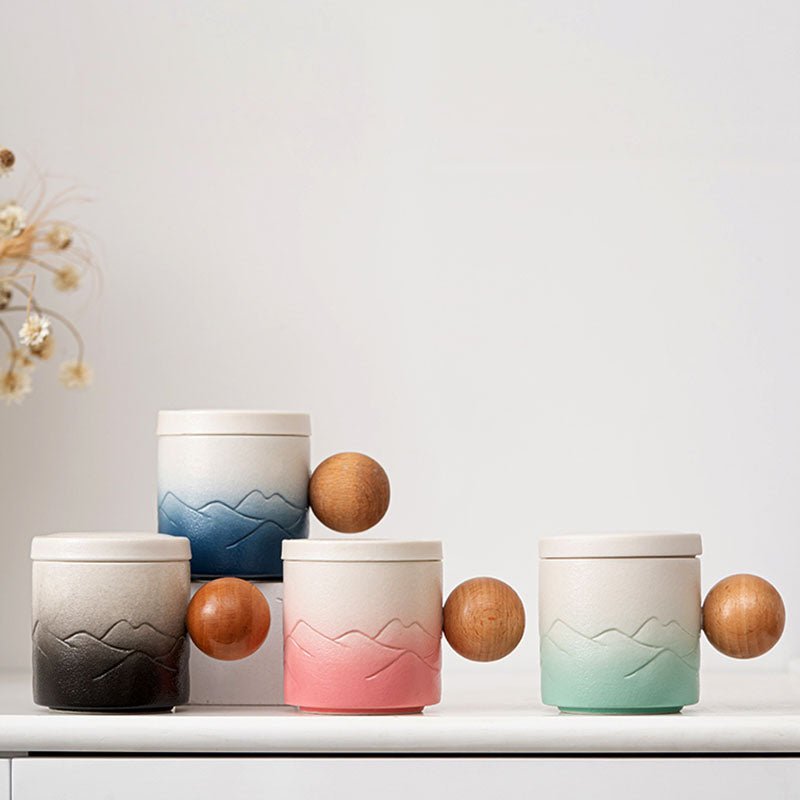
A massive tea cup is useful if you want one mug for a full brew, milk, and a long desk session. We compare the shapes, materials, and handle styles that hold up in real daily use, plus the trade-of...
Read more
Gibson Coffee Mugs: What to Check Before You Buy
Gibson coffee mugs work best when the size, handle, and glaze match how you actually drink coffee. This guide compares the common shapes, buying checks, and care details we look for in our store.
Read more
Leave a comment
This site is protected by hCaptcha and the hCaptcha Privacy Policy and Terms of Service apply.