
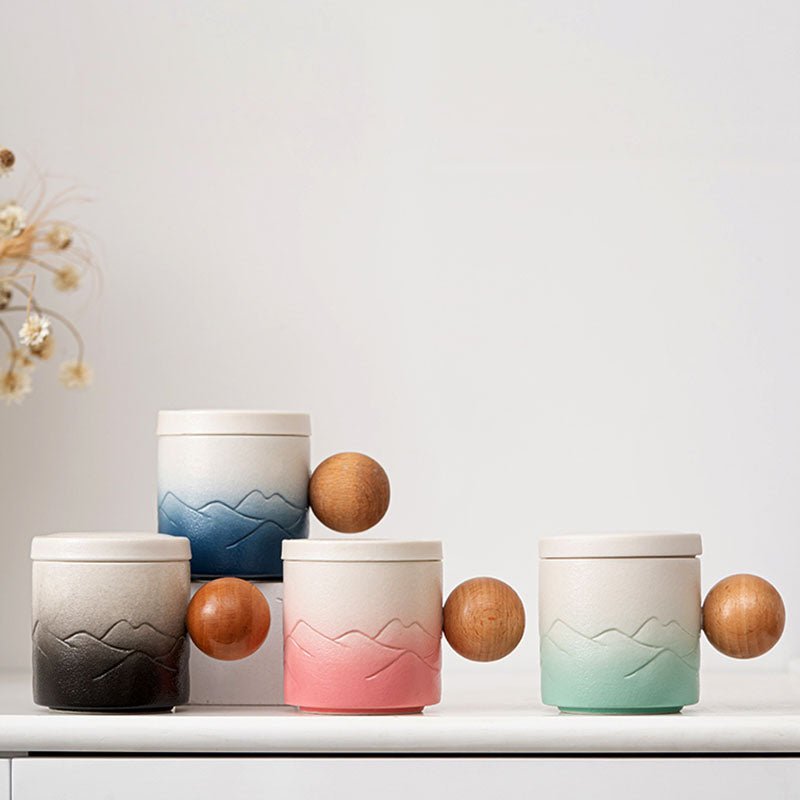
Coffee Mug Pot Buying Guide for Size, Material, and Daily Use
Reading time: about 9 minutes
A mug that feels right at the sink can still feel wrong at the desk. A coffee mug pot needs to do a few practical things well: sit comfortably in your hand, hold heat without becoming awkward to drink from, and survive the daily cycle of rinse, dishwasher, and shelf storage without feeling flimsy.
That is the lens we use in our store. We handle these mugs for real buyers who want a simple everyday cup, a gift that does not feel generic, or a piece they will actually reach for on Monday morning. If you are comparing options, start with the models we currently carry: The Rock Coffee Tea Mug, Morning Night Coffee Tea Mug, and Mountain Coffee Tea Mug. You can also scan the full range in our collection if you want to compare shapes and styles before narrowing it down.
What should a coffee mug pot do better than a generic mug?
A coffee mug pot is not just a vessel for hot liquid. Buyers usually want a mug that feels stable in the hand, has enough volume for a standard pour, and looks good enough to leave on an office desk or kitchen counter. That sounds basic, but the details matter.
In practice, the best everyday mugs usually have a balanced base, a handle that lets two or three fingers fit without squeezing, and a rim that does not feel too thick on the lips. If the mug is too light, it can feel cheap and tip easily. If it is too heavy, it becomes annoying before the first refill.
We see three common shopping scenarios:
- A home coffee drinker wants a dependable mug that feels good for daily use.
- An office buyer wants something presentable that can live next to a keyboard without looking like disposable catering ware.
- A gift buyer wants a mug with enough personality to feel chosen, not grabbed at random.
A coffee mug pot is usually not the right pick if you need a travel mug, a sealed commuter cup, or a double-walled thermal container for long commutes. If that is your use case, a lidded travel cup is the better category.
Which material makes sense for your routine?
Material changes the way a mug behaves, and this is where a lot of buyers make the wrong trade-off. Ceramic and stoneware are still the most common choices for a coffee mug pot because they feel familiar, hold heat reasonably well, and look natural on a shelf or table. They also tend to be easier to gift than metal or novelty materials.
Here is the practical breakdown we use when helping shoppers compare materials:
| Material | Why buyers choose it | Trade-off |
|---|---|---|
| Ceramic | Clean look, good everyday feel, easy to match with kitchenware | Can chip if knocked into a sink or dropped on a hard floor |
| Stoneware | Heavier feel, often more solid in the hand, good for relaxed home use | Usually less ideal if you want the lightest possible mug |
| Glass | Lets you see the drink, useful for tea and layered drinks | Shows fingerprints and can feel more fragile in daily handling |
| Metal | Durable for travel and outdoor use | Not the best match for a relaxed desk mug or a printed gift mug |
For most shoppers, ceramic or stoneware is the safest middle ground. If you are buying for an everyday kitchen or office setup, that is usually the category we would point you toward first. If you are buying for commuting or camping, a coffee mug pot is usually the wrong shape altogether.
For a broader comparison of fit and finish, our article on Coffee Mug Pot Buying Guide: Size, Material, and Fit goes deeper into the details buyers tend to miss on the first pass.
How do you check size, balance, and handle comfort?
Size is where a mug looks good online and disappoints in real use. A cup that sounds generous in the product description can still feel too small if you drink large morning pours, and a larger mug can feel clumsy if the handle is narrow or the body is top-heavy.
We usually tell shoppers to check four things:
- Capacity: If you drink a standard coffee portion, many buyers are comfortable in the 10 oz to 11 oz range. If you like a longer pour or add milk, you may want more room.
- Handle clearance: A handle should leave enough space for your fingers without scraping the body of the mug.
- Rim comfort: A smoother rim is easier to drink from for coffee and tea alike.
- Base stability: A flat, steady base matters more than people think on a crowded desk or a slightly uneven countertop.
In our experience, the most common complaint is not that the mug is ugly. It is that the handle feels tight, the body feels awkward to hold when full, or the mug takes up too much space under cabinets. Those are small issues on paper and daily annoyances in real life.
Measure the shelf, the dishwasher space, and the grip you actually use. A mug that fits your hand but not your cabinet is still the wrong buy.
If you are comparing actual dimensions and trying to avoid a mismatch, our guide Coffee Pot Mug Buying Guide: What to Check Before You Buy is worth a look before you decide.
Which CoffeifyMug options fit different buyers best?
We do not sell one mug for every buyer, because that is rarely how people shop. Different customers care about different cues: the shape, the mood, the level of visual impact, and how the mug feels as part of a desk or kitchen setup. That is why we keep a few distinct styles instead of only one default shape.
If you want a quick comparison, this is the practical way to think about the current lineup:
| Mug | Best for | What to consider |
|---|---|---|
| The Rock Coffee Tea Mug | Buyers who want a more grounded, solid-feeling everyday mug | Best if you like a mug that feels sturdy in hand and not overly delicate |
| Morning Night Coffee Tea Mug | People who want one mug that works from early coffee to late tea | Good for a desk or home routine where the mug gets used all day |
| Mountain Coffee Tea Mug | Gift buyers and shoppers who prefer a calmer, more visual style | Better if you want something that looks intentional on a shelf or table |
If you are not sure where to start, compare the three product pages first, then check the full collection if you want to see what else matches your taste. That is usually faster than trying to guess from a single photo.
What should you watch for after a few weeks of use?
The first week rarely tells the full story. The real test is how the mug behaves after repeated sink washes, dishwasher cycles, and a few hurried mornings when it gets set down harder than it should. That is where weak build quality starts to show.
The failure modes we watch for are practical, not dramatic:
- Glaze crazing: Fine lines in the glaze can appear over time if the finish is stressed.
- Handle wobble: A handle that feels slightly loose or uneven at first is not a good sign.
- Chip points: The rim, base edge, and handle joins take the most abuse in everyday use.
- Print wear: Decorative graphics can fade or scuff sooner if the mug is handled roughly or stacked tightly.
This is where trade-offs matter. A decorative mug can be a stronger gift choice, but it may not be the best option if you want a bare-minimum utility cup that lives in the sink rack all week. A plain, heavier mug may last longer in rough use, but it might not feel special enough for gifting.
If you want a more detailed buying checklist before you commit, the article Coffee Pot Coffee Mug: What to Check Before You Buy covers the same practical issues from a different angle.
How should you clean and care for it?
Most buyers want low-maintenance care, and that is reasonable. A good coffee mug pot should not require special treatment just to survive normal use. Still, a few habits make a difference over time.
Use these care checks:
- Rinse soon after use if you leave coffee sitting in the cup for hours.
- Do not move a hot mug directly into very cold water if you want to reduce thermal stress.
- If the mug has printed decoration, stack it carefully so the surface is not rubbed against harder edges.
- Dry the base before storing if your cabinet is humid or tightly packed.
- Check whether the mug is microwave and dishwasher safe before you assume it is, especially if you plan to use it every day.
For buyers who care more about convenience than ritual, dishwasher-friendly care is a major plus. For people who want a giftable mug with a more delicate finish, gentle hand washing is often the safer route. We do not recommend treating a decorative mug like camping gear; that is how chips and finish wear show up early.
Frequently asked questions
What size coffee mug pot should I buy for daily coffee?
Most daily buyers are comfortable in the 10 oz to 11 oz range if they drink a standard cup. If you add milk, want more room for tea, or dislike refills, move up in size. The right answer depends more on your routine than on the label alone.
Is a ceramic coffee mug pot better than stainless steel?
For home use, ceramic usually feels better because it looks more natural on a table and gives a more familiar drinking experience. Stainless steel is better for travel or outdoor use, but it is usually not the first choice for a desk mug or a gift mug.
Can I use a coffee mug pot in the microwave and dishwasher?
Only if the product is marked for it. Many ceramic mugs can handle both, but decorated finishes and specialty coatings can change that. Check the product page before you rely on it for daily reheating or repeated wash cycles.
What is the biggest mistake buyers make when choosing a mug?
They focus on the design and ignore the feel. A mug can look great in a photo and still be wrong if the handle is too tight, the base feels unstable, or the mug is too large for a quick daily pour.
Which coffee mug pot is best for gifting?
Pick the one with the clearest style fit for the person receiving it. If you want something a little more personal, the Mountain Coffee Tea Mug is a strong visual gift choice, while the Morning Night Coffee Tea Mug works well for someone who uses one mug all day.
If you are still comparing, start with the three product pages above, then use the full collection to narrow down the shape and style that fits your counter, cabinet, and routine.
Read more
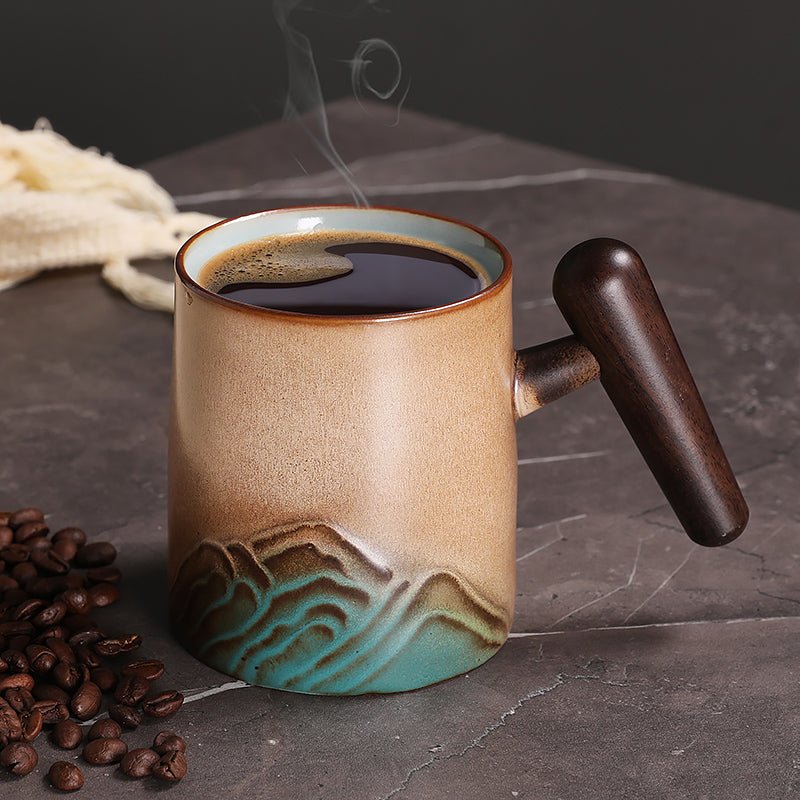
Coffee Mugs for Women: How to Choose Size, Shape, and Finish
Compare coffee mugs for women by size, shape, and finish, with practical notes on handle comfort, desk use, gift appeal, and what to avoid if you want a mug that actually gets used.
Read more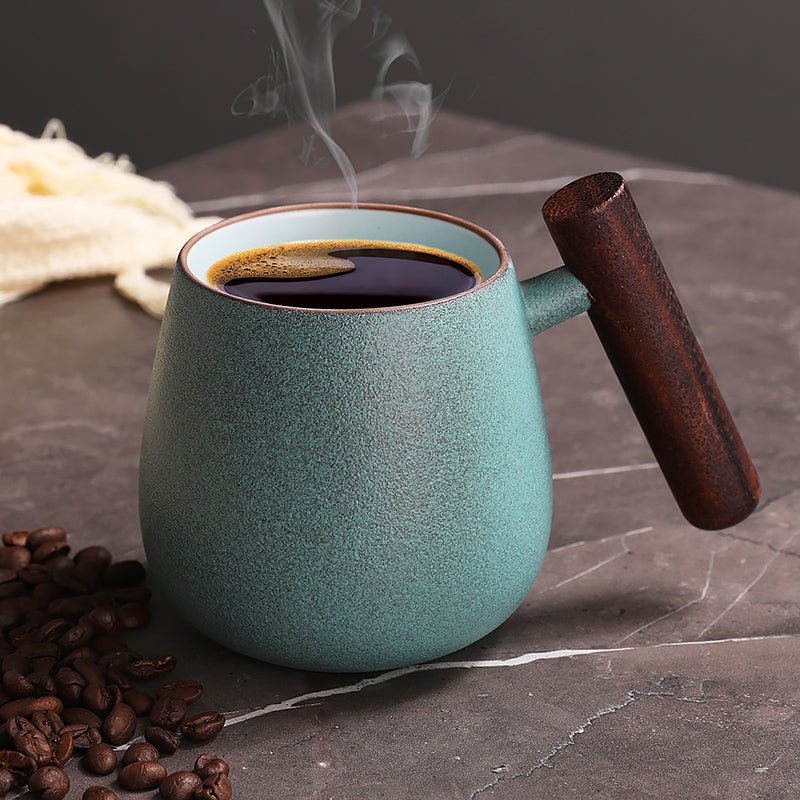
Death Wish Coffee Mug: What to Check Before You Buy
A practical buyer’s guide to choosing a death wish coffee mug that fits your cup size, routine, and cleanup habits. We cover size, shape, comfort, and the trade-offs that matter on real kitchen cou...
Read more
Leave a comment
This site is protected by hCaptcha and the hCaptcha Privacy Policy and Terms of Service apply.