
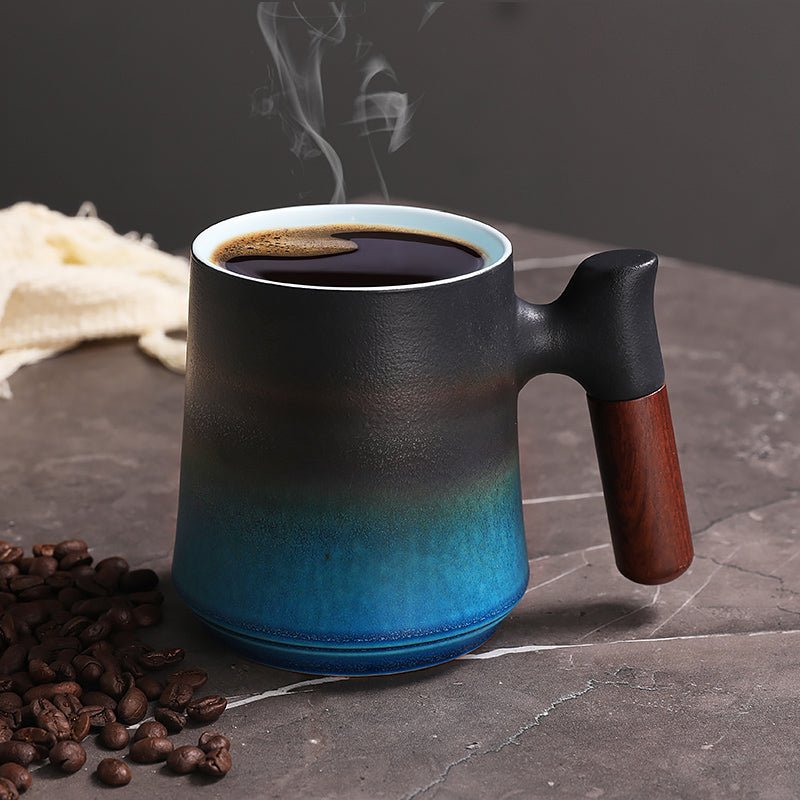
Coffee Mug Pipe Buying Guide: What to Check Before You Buy
Reading time: about 8 minutes
A mug that feels right in the hand is easy to spot the first time you lift it. A mug that feels wrong shows up later, usually when your knuckles scrape the handle, the base wobbles on a desk, or the lip feels too thick for a comfortable sip.
That is the real reason people search for a coffee mug pipe. Some shoppers want a clean, straight-sided mug profile. Others are comparing shape, grip, and everyday practicality before they buy. If that is your situation, the useful question is not just what looks good on a photo. It is which mug will actually work on a kitchen counter, office desk, or as a gift that gets used instead of tucked away.
At our store, we look at coffee mugs the same way a customer does after unboxing: by feel, balance, rim shape, and how easy they are to live with. If you want to compare the full lineup first, start with our Coffee Mug Collection, then narrow down to specific options like the Golden Waves Kio Coffee Tea Mug, the The Flow Coffee Tea Mug, and the Mountain Sea Coffee Tea Mug.
What does a coffee mug pipe usually mean to shoppers?
Most buyers are not looking for a literal pipe. They are looking for a mug with a straightforward silhouette, a comfortable handle, and a shape that feels practical rather than decorative only. In plain terms, that usually means a ceramic mug that sits well on a desk, pours cleanly, and does not feel awkward in a daily coffee routine.
We see three common reasons people use this search:
- They want a mug with a clean, pipe-like vertical profile rather than a wide bowl shape.
- They are comparing mugs by hand feel, especially handle clearance and rim comfort.
- They want something giftable that still works for everyday coffee or tea.
If you actually need a travel container, a spill-proof lid, or insulation for a commute, this category is not the right fit. A ceramic coffee mug is better for home, office, and relaxed use. It is not designed to replace a sealed tumbler.
That distinction matters. A lot of returns in this category come from mismatch, not defects. The mug is fine. The use case was wrong.
Which mug shape feels best on a desk or kitchen counter?
The best everyday mug is usually not the most decorative one. It is the one with a balanced base, enough handle clearance for two fingers, and a rim that does not feel bulky. In our experience, those details matter more than most shoppers expect.
When we evaluate a ceramic coffee mug, we check for a few practical things:
- Base stability: A flat base should sit evenly without rocking on a stone countertop or a wood desk.
- Handle clearance: Your knuckles should not hit the mug body every time you lift it.
- Rim comfort: A thinner, even rim usually feels better than a heavy lip.
- Glaze consistency: The finish should look even around the rim, handle join, and interior.
Those are not cosmetic nitpicks. They affect the daily experience. A mug that looks nice but feels cramped becomes the mug people avoid on busy mornings.
If you are deciding between capacities, our size guides can help. The 10 oz Coffee Mug guide, the 11 oz Coffee Mug guide, and the 12 Ounce Coffee Mug buying guide are useful if you want to compare comfort against fill size before you commit.
Which of our mugs fits different buyers best?
If you want a quick way to compare the three featured mugs, start with use case rather than design alone. All three can work as everyday coffee or tea mugs, but they appeal to slightly different shoppers.
| Mug | Best for | What to like | Trade-off |
|---|---|---|---|
| Golden Waves Kio Coffee Tea Mug | Gift buyers and shoppers who want a more expressive look | Distinct visual character, easy to place on a shelf or desk, strong presentation value | More decorative styling can be less neutral for people who want a simple everyday cup |
| The Flow Coffee Tea Mug | Buyers who want a cleaner, more minimal feel | Straightforward look, easy to pair with other kitchenware, good office-mug energy | If you want a bold statement piece, this may feel understated |
| Mountain Sea Coffee Tea Mug | Shoppers who prefer an earthy, scenic aesthetic | Nature-inspired styling, strong visual identity, works well as a gift | Less neutral than a plain mug if you want something that disappears into the cabinet |
That is the real buying decision: do you want the mug to blend in, or do you want it to stand out every time you make coffee?
If you are still browsing, our blog article Coffee Mug Pipe Buying Guide: What to Check Before You Buy goes deeper into shape, size, and fit before checkout.
What should you inspect before you buy a ceramic coffee mug?
Most buyers can avoid disappointment with a short checklist. We use this kind of review in our store because it catches the issues people usually notice only after the mug arrives.
- Check the handle opening. You want enough room for a comfortable grip, especially if you use your dominant hand for hot drinks.
- Check the rim and drinking edge. A smooth, even rim feels better than a thick, uneven edge.
- Check the base. The mug should sit flat. A slight rock on the counter can become annoying fast.
- Check the glaze finish. Look for even coverage inside and out. Pinholes or rough spots are worth noticing before purchase.
- Check the size against your routine. A mug that is too small for your pour style can feel unsatisfying, while one that is too large may cool down before you finish it.
These details also help you spot common ceramic issues early. The most common problem modes we see in this category are hairline cracks near the handle join, uneven glaze near the rim, and a base that does not sit perfectly flat. None of those are cosmetic quirks you want to discover after repeated use.
If you prefer a tighter size comparison, the 10 oz Coffee Mug: What Fits, What Doesn’t, and What to Buy and 11 oz Coffee Mug: What Buyers Should Check Before They Buy articles are useful for matching mug volume to real usage.
What are the trade-offs of this mug style?
A ceramic coffee mug is a strong choice for home and office use, but it is not the answer for every buyer. The honest trade-off is that it gives you comfort and presentation, but not portability or insulation.
Here is where this style works well:
- Morning coffee at home.
- Tea on a desk without needing a lid.
- Gift sets where visual appeal matters.
- Cabinet storage alongside other everyday mugs.
Here is where it is not the best fit:
- Car cup holders and commuting.
- Long, hot walks between meetings.
- Anyone who needs spill protection.
- Buyers who want insulated temperature retention.
That last point matters. A ceramic mug can be ideal for a calm routine, but if you leave coffee sitting on a cold desk for a long time, it will cool like any other open cup. If you want to compare daily-use comfort more broadly, our article 12 Ounce Coffee Mug Buying Guide: Size, Fit, and Best Uses is a good next read.
How should you care for a coffee mug so it lasts?
Good mug care is simple, but it should still be deliberate. We recommend treating ceramic mugs like the finished homeware they are, not like disposable cups that can take any abuse.
Practical care points:
- Wash gently, especially around the handle join and rim.
- Dry the base fully before stacking, so moisture does not sit under the mug.
- Avoid sudden temperature swings, such as taking a very hot mug and running it under very cold water.
- If you use a dishwasher, check the first few cycles for any change in finish or feel.
We also advise looking at the mug after the first week of real use. That is when small issues show up: a faint line near the handle, a rough spot on the glaze, or a base that was not obvious during unboxing. Catching those early is useful whether you are keeping it or gifting a second one.
For shoppers comparing fit first, then style, the safest route is to review the collection, compare the shape, and then decide which mug matches your routine rather than choosing on artwork alone.
Frequently asked questions
Is a coffee mug pipe the same thing as a regular coffee mug?
Usually, yes. Most shoppers use the term to describe a mug with a clean, pipe-like profile or a mug they want for everyday coffee use. If you are comparing home mugs, focus on shape, handle comfort, and capacity rather than the search term itself.
What size coffee mug is best for daily use?
For many people, the sweet spot is between 10 oz and 12 oz, depending on how much they pour and whether they add milk. Smaller mugs feel lighter and finish hotter, while larger mugs are better for longer drinks or tea. Our size guides linked above are the easiest way to match volume to your routine.
Are these mugs good for an office desk?
Yes, if you want a stable ceramic mug for coffee or tea at a desk. They are not spill-proof and they are not insulated, so they work best when you are actually sitting with the drink. If your desk is crowded, a smaller or more compact mug is usually easier to live with.
What common defects should I look for in a ceramic mug?
Check for hairline cracks near the handle, pinholes or rough spots in the glaze, and a base that rocks on a flat surface. Those are the issues most likely to affect daily use. A mug that looks fine in photos can still feel off in the hand, so the finish and balance matter.
Which mug should I choose if I want a gift?
Pick the one with the strongest visual match to the person’s kitchen or desk style. Golden Waves Kio leans more expressive, The Flow is more minimal, and Mountain Sea has a nature-inspired feel. If you are unsure, start with the full collection and choose the design that feels most personal.
If you want the shortest path to a good choice, use this checklist before you buy: handle clearance, base stability, rim comfort, size, and whether the mug fits your real routine. Then compare the three featured mugs in our Coffee Mug Collection and pick the one you would actually reach for on a busy morning.
Read more
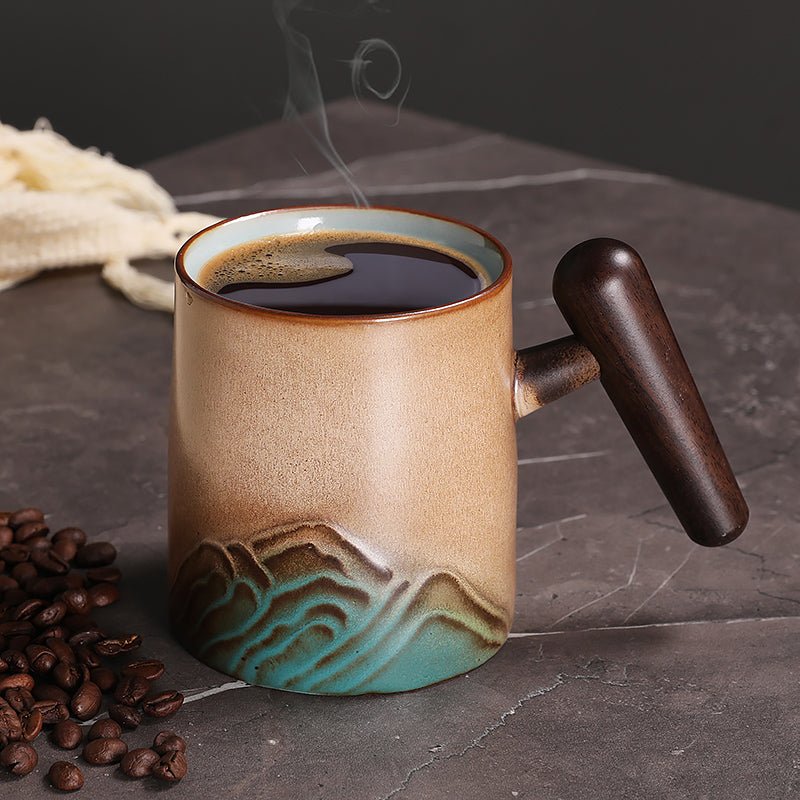
Large Cups for Tea: How to Choose the Right Mug Shape
Large cups for tea work best when the size, handle, and shape match how you actually drink. We break down the trade-offs between tall and wide mugs, plus what to check before you buy.
Read more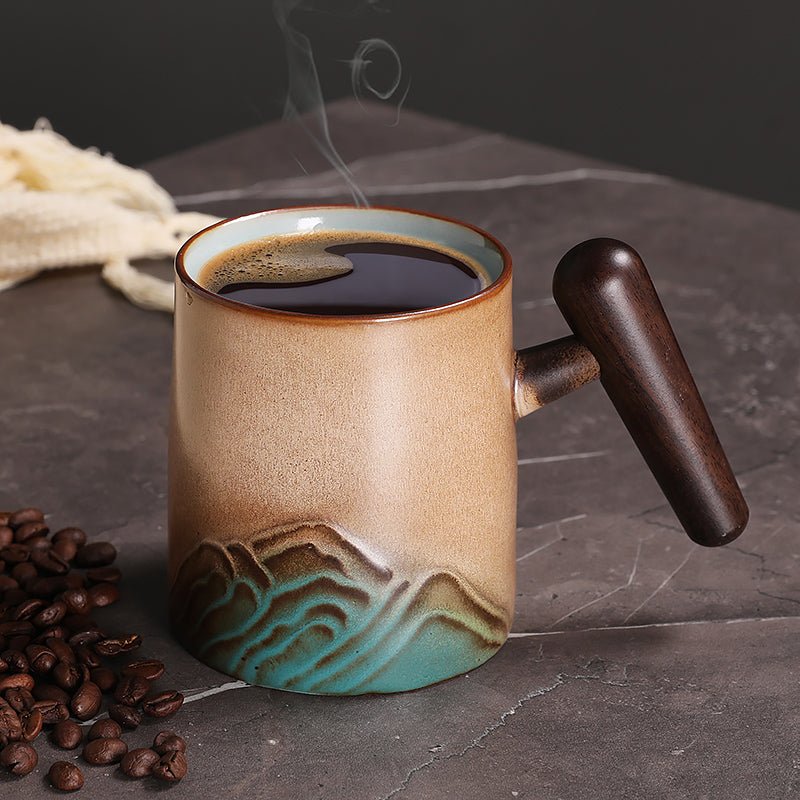
Mountain Mug Buying Guide: Which Style Fits Your Daily Cup?
A practical guide to choosing a mountain mug based on cup size, handle style, and daily use. We compare three options we actually sell, plus the trade-offs that matter at the counter and at gift time.
Read more
Leave a comment
This site is protected by hCaptcha and the hCaptcha Privacy Policy and Terms of Service apply.