
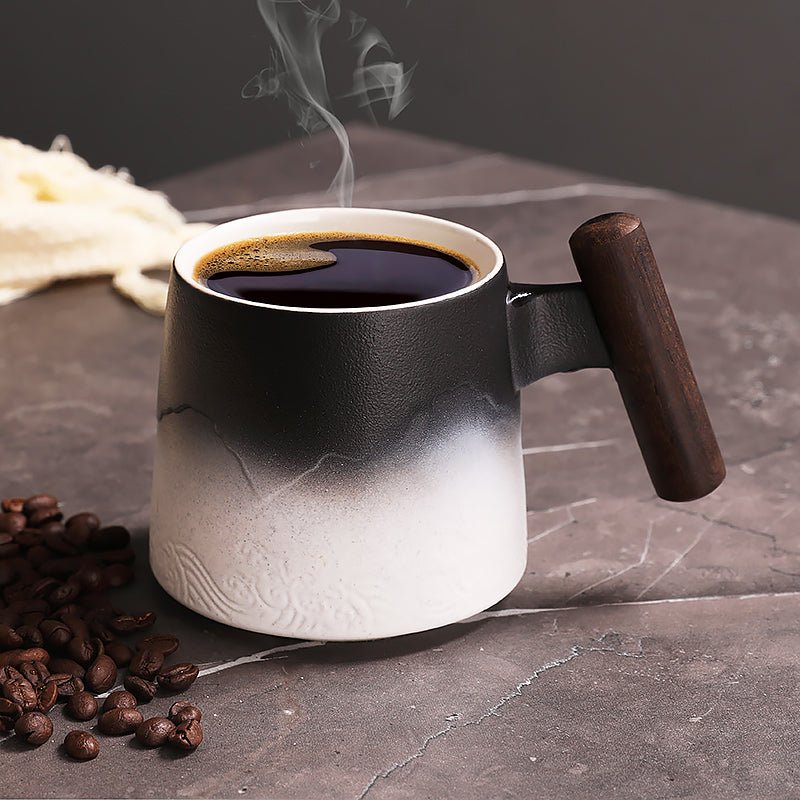
Coffee Mug Logo Buying Guide: Materials, Sizes, and Print Choices
Reading time: about 9 minutes
A coffee mug logo looks simple on screen. On the counter, in a gift box, or after a few dishwasher cycles, the details matter fast. A mug that feels too light, prints too close to the rim, or uses the wrong finish can turn a good idea into a disappointing order.
We handle mugs for people who want them to work in real life: office desks, client gifts, employee welcome kits, and everyday kitchen use. That means we look at more than the artwork. Material, size, handle comfort, wash durability, and print placement all affect how the logo reads once the mug is in someone’s hands.
If you are comparing options, start with our full product selection and our all collections page, then use the checks below to narrow the choice before ordering.
What makes a coffee mug logo look good in real use?
A strong coffee mug logo does two jobs at once. It should look clean from a few feet away, and it should still make sense when someone is holding the mug by the handle. That is where many orders miss. Artwork that looks balanced on a computer screen can end up too small, too high, or too close to the seam once printed on ceramic.
In our experience, the best-looking mugs share a few traits:
- The logo has enough clear space around it, so it does not feel cramped against the handle or lip.
- The contrast is strong enough to read across a desk, not just in a close-up photo.
- The shape of the mug fits the art. A wide wrap design suits some logos, while a front-facing centered mark suits others.
For buyers who want a broad overview before they choose a style, our Logo Coffee Mug Buying Guide: Materials, Sizes, and Best Uses goes deeper on the basics. This article focuses on the buying decisions that affect how the mug feels and how the logo holds up.
One practical point: a logo mug is not always the best choice for highly detailed art, thin script, or small legal text. Fine lines can blur or lose separation depending on the print method and glaze finish. If the design has tiny features, simplify it before placing the order.
Which mug material works best for a logo?
Material changes the whole experience. A logo that looks sharp on one mug can look flat or overly busy on another. The right choice depends on how the mug will be used, washed, and handled.
| Material | Best for | Trade-off |
|---|---|---|
| Ceramic | Office mugs, gifts, everyday use | Can chip if handled roughly or stacked carelessly |
| Porcelain | Cleaner, more refined presentation | Often feels lighter and less rugged than stoneware |
| Stoneware | Heavier, more tactile mugs for daily use | Bulkier and not always ideal for delicate logo art |
| Insulated steel | Travel and desk use where heat retention matters | Less classic as a logo gift mug and not ideal for every print style |
Ceramic is the safest all-around choice for most coffee mug logo orders. It takes print well, feels familiar in the hand, and fits both office and gift use. Stoneware feels more substantial, but the heavier body can make small handles and large logos feel visually crowded. Porcelain looks polished, though it is not the most forgiving option if the mug will be stacked, shipped frequently, or used in a break room.
If size is part of your decision, our guides to the 16 Ounce Coffee Mug Buyer’s Guide: Size, Material, and Fit, 20 oz Coffee Mug: What to Check Before You Buy, and 24 oz Coffee Mug: What to Check Before You Buy help match mug capacity to how people actually drink coffee.
What size should you choose for a coffee mug logo?
Size affects both comfort and branding. A mug that is too small can feel decorative rather than useful. A mug that is too large may look great in photos but sit awkwardly in a standard cup holder or cabinet shelf.
These are the practical size cues we use when advising buyers:
- 8 oz works for espresso-style servings, small office setups, and buyers who want a compact presentation. It is not the best choice for long work sessions or large drip coffee pours.
- 16 oz is a balanced everyday size. It gives enough front space for a visible logo without making the mug feel oversized. This is often the easiest format for a broad audience.
- 20 oz is better for heavy coffee drinkers who want fewer refills. The larger face can support a more visible mark, but the mug needs a handle and wall shape that still feels comfortable.
- 24 oz is a specialty choice. It works for big servings and high-visibility branding, but it is not ideal if the buyer wants a compact, classic mug.
If you are unsure, start with the average range rather than the extremes. Our Average Coffee Mug Size: What Buyers Should Know Before Ordering explains why many shoppers end up choosing a middle-size mug after comparing shelf space, hand feel, and drink volume. For a tighter size-by-size review, our 8 oz Coffee Mug: What to Check Before You Buy article is useful when you want a smaller footprint.
One limitation: bigger is not always better for logos. A wide mug can make a logo feel stretched if the design was created for a compact front panel. If the art is simple and bold, larger sizes can work well. If the artwork has text, thin lines, or a detailed mark, a mid-size mug usually prints cleaner.
How should the logo be placed on the mug?
Placement changes how the mug gets used. A centered front logo reads well in product photos and works for left- or right-handed users if the design is mirrored or repeated. A single-side logo is cleaner and more minimalist. A wrap design gives more room, but it can make the mug feel more like branded merchandise than a gift.
Here is how we think about placement in practice:
- Centered front: best for office desks, employee gifts, and mugs that will appear in photos.
- Single-side: best when you want a cleaner look and the logo itself does the work.
- Wraparound: best for large branding, slogans, or artwork that needs more horizontal space.
Placement should also leave room for the handle and lip. A logo too close to the rim can look rushed. A logo too near the handle can disappear when the mug is photographed from the side. In our experience, buyers are happiest when the design has enough breathing room to feel intentional, not squeezed in.
This is also where finish matters. A glossy white ceramic mug makes most logos pop clearly. A matte or textured surface can look more premium, but it may mute bright colors or make fine edges less crisp. If the logo depends on exact color matching, ask how the print will sit on the chosen surface before you commit.
What should you check before ordering logo mugs for gifts or office use?
Before you place an order, check the parts that are easiest to overlook and hardest to fix later. A nice logo cannot save a mug that feels awkward in the hand or arrives with the wrong finish.
- Handle comfort: make sure the handle fits normal fingers without forcing a tight grip.
- Dishwasher and microwave use: confirm care instructions if the mug will live in a break room or go to customers.
- Print durability: ask how the logo is applied and whether frequent washing changes the look over time.
- Surface color: white gives the most contrast, while darker colors can make some logos harder to read.
- Boxing and gifting: if the mug is meant for a present, check how it will unbox and whether the presentation matches the brand.
We see two common defect modes with logo mugs. The first is a design that is technically printed, but too small to read from normal distance. The second is a mug that looks good unboxed but feels off after repeated use because the handle is narrow or the cup is too heavy once filled. Both problems are preventable if you look at the mug as a daily object, not just a printed surface.
For shoppers comparing more than one style, our Awesome Coffee Mugs: How to Choose a Mug You’ll Actually Use is a good companion read. It focuses on the day-to-day factors that decide whether a mug stays in rotation or ends up in the back of a cabinet.
What kind of buyer is a coffee mug logo actually good for?
A coffee mug logo is strongest when you want practical branding that people will keep using. It works well for client gifts, team welcome boxes, trade show handouts, and shop merchandise where the mug itself needs to earn counter space. It is also a good fit for organizations that want one useful item instead of several smaller branded pieces.
It is not the best choice when the goal is ultra-premium presentation, highly detailed artwork, or a product that needs to be carried around all day. If the audience wants portability first, a travel tumbler style may be a better fit. If the goal is a collectible display piece, a special ceramic finish or limited-run design may make more sense than a standard mug format.
For buyers comparing the logo meaning or style itself, some terms can be more playful or niche than they first appear. That is why we keep our buying advice focused on use, print quality, and fit rather than trend language. If you want to browse available options after you narrow the format, start at our products page and compare the mug feel against the artwork you plan to use.
Frequently asked questions
What is the best mug size for a coffee mug logo?
For most buyers, 16 oz is the safest middle ground because it gives enough visual space for the logo without making the mug awkwardly large. If the design is simple and bold, 20 oz can work well too. For small or highly detailed logos, a smaller mug often keeps the art cleaner.
Does a coffee mug logo need a white mug?
No, but white gives the strongest contrast and the most forgiving result for most artwork. Dark or colored mugs can look sharper for certain brands, though some logos lose clarity on them. If your logo uses thin lines or light colors, white usually performs better.
Are logo mugs dishwasher safe?
Some are, but not all print methods age the same way in a dishwasher. If the mug will be used every day in an office or kitchen, confirm the care instructions before ordering. We would not assume a decorative print will hold up the same way as a mug designed for repeated washing.
Can I use a detailed logo on a coffee mug?
You can, but detailed logos are more likely to lose clarity if the lines are too fine or the type is too small. Simpler artwork usually prints more cleanly and stays readable from a normal viewing distance. If your logo has tiny text, consider a simplified version for the mug.
Is a coffee mug logo a good gift item?
Yes, if the mug feels comfortable and the logo is presented cleanly. For gifts, presentation matters as much as the print itself, so the mug should look good unboxed and feel sturdy in the hand. If the gift is meant to feel premium, avoid oversized or overly busy designs.
Use this short checklist before you choose: mug size, surface color, logo placement, care instructions, and whether the mug is for daily use or gifting. If you want to compare options side by side, start with the all collections page and match the mug format to the use case first, then the artwork.
Read more
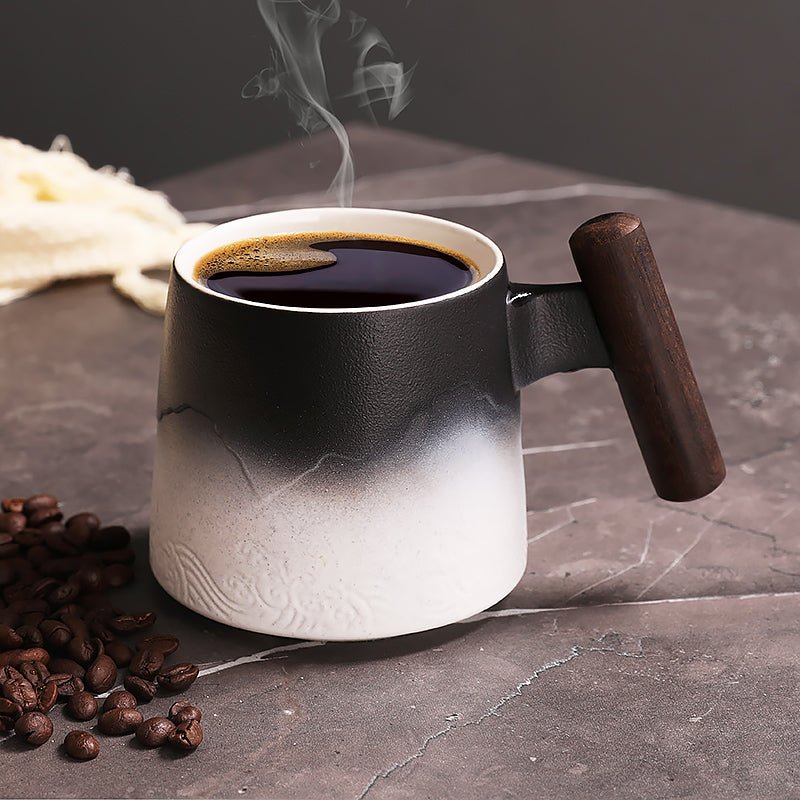
Ugly Mugs Coffee & Tea: How to Pick One That Actually Gets Used
A practical buyer’s guide to ugly mugs coffee & tea, with real trade-offs on size, comfort, care, and what makes a mug worth keeping on the desk or in the kitchen.
Read more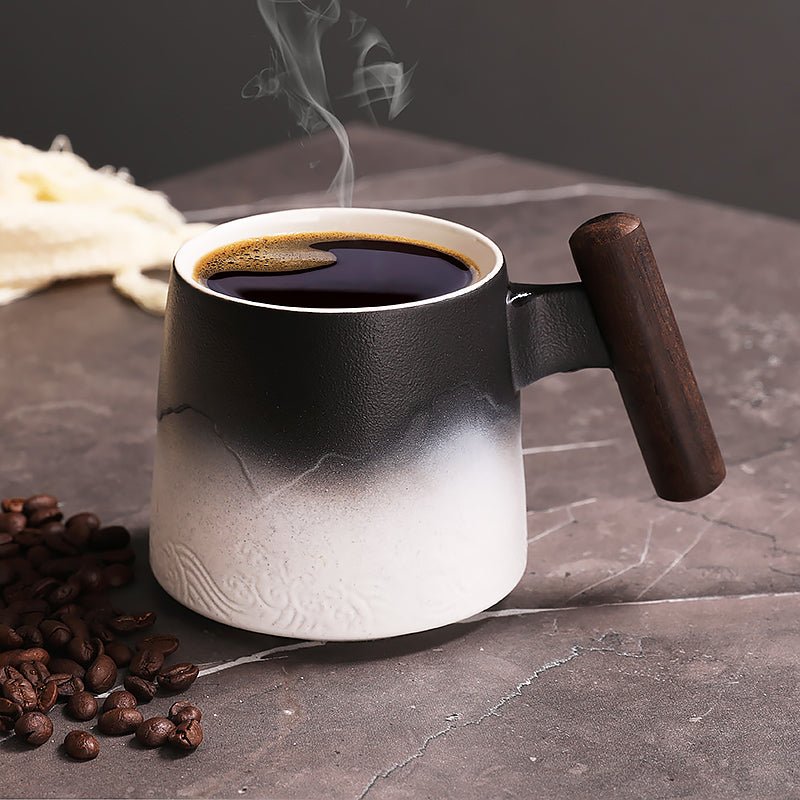
Custom Logo Coffee Mugs: What Buyers Should Check Before Ordering
Custom logo coffee mugs need to do more than carry a logo. We break down size, print method, finish, and practical trade-offs so buyers can order with fewer surprises.
Read more
Leave a comment
This site is protected by hCaptcha and the hCaptcha Privacy Policy and Terms of Service apply.