
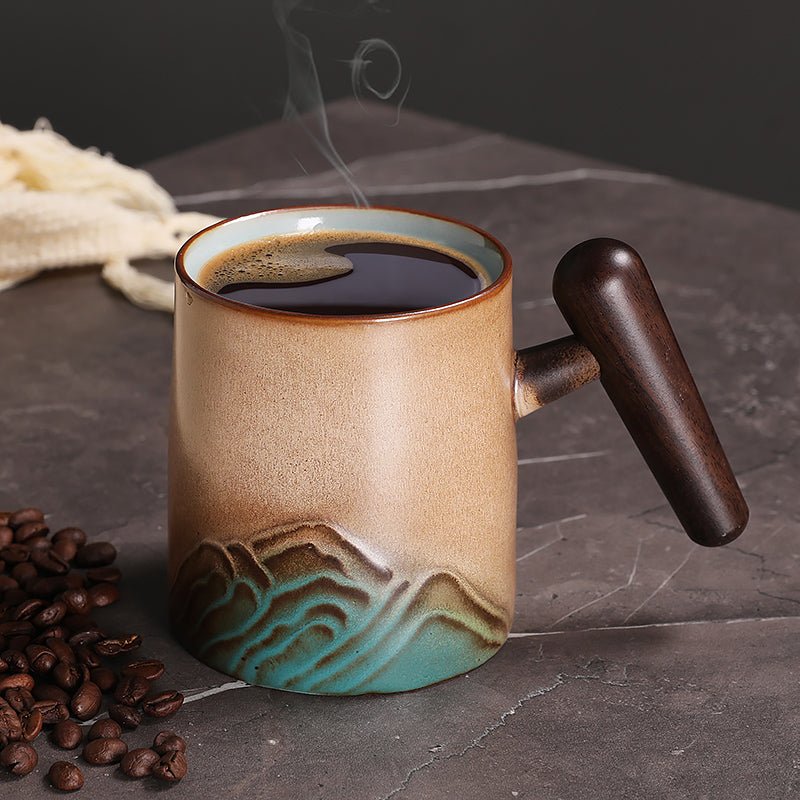
Coffee Mug Cookie Cutter: How to Choose the Right Shape and Use
Reading time: about 10 minutes
A mug-shaped cookie on a cooling rack looks simple until the cutter leaves a soft handle, a blunt rim, or a shape that spreads in the oven. We see that all the time with buyers who want a coffee mug cookie cutter for gift boxes, office treats, or holiday trays and then realize the cutter shape matters as much as the recipe.
If you are comparing options before buying, the main question is not just whether the cutter is cute. It is whether it will release cleanly, hold detail after baking, and fit the kind of cookie dough you actually use. That is the practical part we focus on in our store.
For shoppers who want to build a coffee-themed gift or browse related drinkware while planning the theme, our full collection is the easiest place to start. If you are pairing the idea with a real mug gift, the Mountain Coffee Tea Mug, Great Mountain Coffee Tea Mug, and Emerald Coffee Tea Mug are the kind of pieces people often choose alongside themed baked goods.
What should a coffee mug cookie cutter actually do well?
A good coffee mug cookie cutter should cut a clean outline, keep the handle identifiable, and lift out of dough without tearing the edge. That sounds basic, but the handle is where many cutters fail. If the handle is too thin, it disappears after baking. If it is too wide, the cookie starts looking like a generic rectangle with a bump.
We look for a cutter that gives enough space for the mug body and still leaves a handle large enough to decorate with icing. For sugar cookie dough, that means a shape with crisp corners and a handle that is not so delicate that it bends during pressing. For thicker doughs, a deeper cutter is easier to use because it does not smear the edges as much.
In our experience, the best mug-shaped cookies are not the most detailed. They are the ones that keep their silhouette after the dough is chilled, cut, transferred, and baked. That is the real test.
Which material is best for a coffee mug cookie cutter?
Most coffee mug cookie cutter options are made from stainless steel or food-grade plastic. Both can work, but they behave differently on the counter.
| Material | Best for | Trade-off |
|---|---|---|
| Stainless steel | Sharper cuts, cleaner edges, thinner dough | Can bend if stored loose; needs hand drying to prevent rust spots |
| Plastic | Safer for kids, easier grip, less sharp edges | May flex on sticky dough and can lose edge detail sooner |
Stainless steel is usually our first pick if you want a crisp outline for decorating. It presses through chilled sugar cookie dough more cleanly and tends to hold the mug shape better. Plastic is easier if you are baking with children or want a softer edge for frequent handling. The trade-off is that plastic cutters can struggle with firm dough unless you flour the cutter carefully.
One detail shoppers often miss: handle thickness matters more than the material alone. A thin handle on a steel cutter can still bend if it is stored under heavier tools in a drawer. A thicker plastic handle may feel sturdier in hand, even if the cutting edge itself is less precise.
What size works for decorating, gifting, or packing into boxes?
The right size depends on how you plan to use the cookies. If the cookie is going into a small gift bag or paired with a mug and cocoa, a medium cutter is easier to package neatly. If it is meant to stand out on a dessert tray, a larger cutter gives more room for icing details like steam lines, a saucer base, or a logo-style accent.
For a practical buying decision, think about these use cases:
- Gift boxes: choose a size that leaves room for a cookie liner and does not break when stacked.
- Office treats: medium shapes are easier to transport and less likely to crumble on the desk.
- Decorated platters: larger shapes give you a better canvas for flooded icing and piped outlines.
- Kids' baking: simpler, slightly larger shapes are easier to ice without losing the mug outline.
If you are already comparing cup sizes for gifting alongside the cookie theme, our article 11oz Coffee Mug Buying Guide: Size, Fit, and Best Uses helps with the mug side of the purchase, while 10 oz Coffee Mug: Size, Fit, and What to Check Before You Buy is useful if you want a slightly smaller presentation piece.
What dough works best with a mug-shaped cutter?
We get the cleanest results from chilled sugar cookie dough, shortbread-style dough, and other doughs that hold their edges. Soft, sticky dough tends to spread and can blur the handle area. That does not make the cutter bad. It just means the recipe is working against the shape.
A few practical points from our experience handling bake-and-gift setups:
- Roll the dough evenly, usually so the mug body and handle cut from the same thickness.
- Chill the sheet before cutting if the dough is soft or warm from mixing.
- Dust the cutter lightly with flour, especially around the handle notch.
- Lift the cut shape with a thin spatula rather than fingers alone.
That last point matters. The mug handle is the first place to crack when a cookie is moved roughly. We see better results when bakers treat it like a delicate edge, not a throwaway detail.
How do you keep the handle from breaking or disappearing?
The handle is the weak spot on almost every coffee mug cookie cutter design. A crisp handle depends on both the cutter and the dough. If the handle is too narrow, the cut can close up during baking. If the dough is too warm, the handle can slump and merge into the mug body.
What helps most is a combination of chill and thickness control. A slightly thicker dough sheet often gives better structure than a paper-thin roll. You also want a cutter with a handle opening that is big enough to survive transfer but not so large that it looks cartoonish once baked.
We also recommend checking the cutter edges before buying. If the rim is dull or uneven, the handle is usually the first area to show it. In our store, we prefer shapes that are simple enough to bake cleanly but still detailed enough to feel like a real mug rather than a vague cup icon.
What should you check before buying one online?
Online listings can make every mug cutter look similar. They are not. Before you add one to cart, check the details that affect real use on a counter or in a busy kitchen.
- Cutting edge: look for a firm, continuous edge that can slice chilled dough without ragged sides.
- Handle shape: make sure the handle is wide enough to survive baking and decorating.
- Material care: stainless steel usually needs drying right away; plastic is easier to wash but may flex.
- Size clarity: confirm whether the cutter is meant for mini cookies, standard cookies, or larger gift-size pieces.
- Storage: a cutter that bends or chips in a drawer is annoying long before it is worn out.
If you are trying to build a themed coffee gift, it also helps to compare the cookie shape with the mug you plan to pair it with. A tall mug and a small cookie can feel mismatched. A balanced set feels deliberate. That is why we often suggest checking the drinkware first in our collection and then choosing the cookie size around it.
What is a coffee mug cookie cutter not good for?
This is the part many product pages skip. A coffee mug cookie cutter is not the best choice if you want extremely intricate designs, ultra-thick dough, or biscuits that need a lot of surface texture. It is also not ideal for doughs that spread heavily, because the mug handle can lose definition fast.
If you are baking a dessert that needs a delicate teacup look, a more specialized cutter with embossed detail may be a better choice. If your goal is sturdy cookies for shipping, a simpler round or square cutter can be safer because there is less fragile edge work. The mug shape is charming, but it is not the most forgiving option for every recipe.
We think that honesty helps shoppers more than hype. If you want a themed cookie that is easy to recognize on a platter, the mug shape works well. If you need something very durable for transport, choose a shape with fewer fine details.
How do we pair the cookie theme with a mug gift?
In our experience, the best coffee-themed gifts feel coordinated without looking overdone. A mug cookie cutter can be part of a simple gift stack: one mug, a small batch of cookies, and maybe a packet of cocoa or coffee. That works better than trying to force too many motifs into one box.
For a visual match, many shoppers pair the cookie theme with a real mug that has a strong silhouette and a finish that photographs well. The Mountain Coffee Tea Mug and Great Mountain Coffee Tea Mug both suit a rustic, outdoorsy presentation. The Emerald Coffee Tea Mug gives the gift a deeper color story if you want the set to feel a little more polished.
For shoppers comparing mug sizes and fit before building a gift set, our articles 10 oz Coffee Mug: What Fits, What Doesn’t, and What to Buy and 12 Ounce Coffee Mug Buying Guide for Daily Use and Better Fit can help you match the mug to the occasion.
How should you clean and store the cutter?
Cleaning is straightforward, but the wrong habit shortens the life of a cutter. Wash it soon after use so dried dough does not harden around the handle opening or cutting edge. Dry it fully before storage, especially if it is metal. That keeps the edge cleaner and reduces the chance of rust spotting on steel cutters.
For storage, do not toss it loose in a drawer with whisks, peelers, and metal spoons. That is how handles get bent and edges get nicked. A small bin, pouch, or organizer keeps the shape intact and makes the cutter easier to grab when you are actually ready to bake.
We also recommend checking for tiny bends after the first few uses. If the cutter starts to catch on one side, it usually means the edge needs a gentle realignment or the dough is too warm. Catching that early saves a lot of frustration later.
Frequently asked questions
What dough is easiest to use with a coffee mug cookie cutter?
Chilled sugar cookie dough is usually the easiest because it holds the mug shape and the handle detail well. Shortbread-style dough also works if you want a sturdier cookie with clean edges. Soft doughs can spread too much and blur the handle.
Is a stainless steel coffee mug cookie cutter better than plastic?
Stainless steel usually gives sharper edges and a cleaner cut, especially on chilled dough. Plastic can be easier to hold and safer for kids, but it may flex more on firmer dough. If you care most about outline detail, steel is the better pick.
Can I use a coffee mug cookie cutter for gingerbread?
Yes, if the gingerbread dough is firm enough to hold the shape. A simple mug outline works better than a cutter with tiny fragile details. If your dough is sticky or heavily leavened, the shape may spread more than you want.
How do I keep the handle from breaking after baking?
Use chilled dough, roll it evenly, and choose a cutter with a handle that is not too thin. Let the cookies cool on the tray for a few minutes before moving them. If you try to lift them too early, the handle is the first part to crack.
Is a coffee mug cookie cutter a good gift by itself?
It can be, but it works best as part of a small baking set. Pair it with cookie mix, a mug, or a coffee sampler so it feels intentional. On its own, it is more of a niche tool than a complete gift.
If you are ready to choose, compare the cutter shape against the cookie size you want, then match it with a mug from our collection. That gives you a cleaner gift set and a better sense of whether the mug cookie will look right on the plate or in the box.
Read more
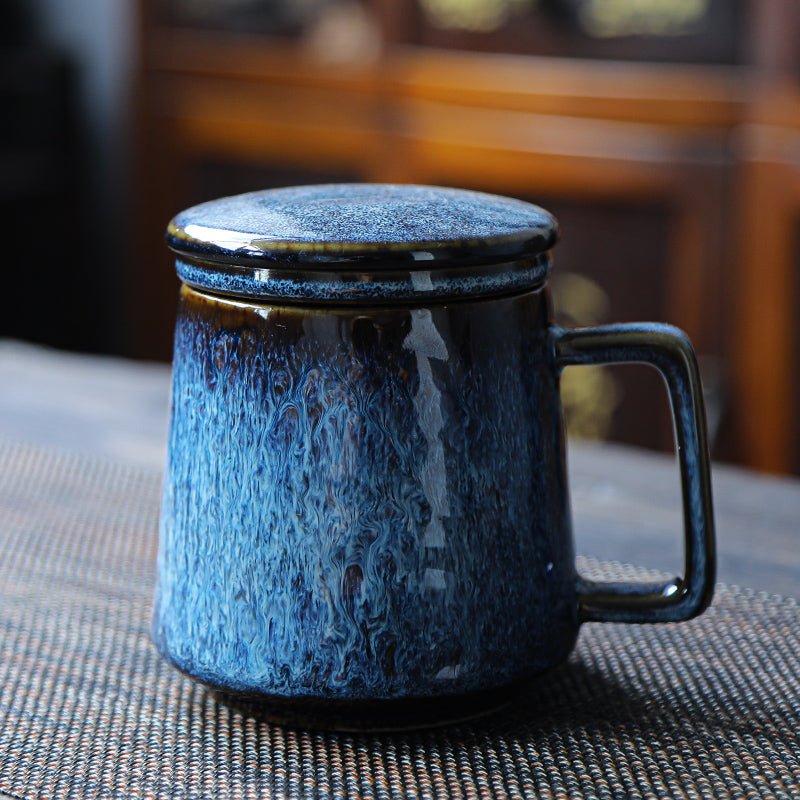
Alaska Coffee Mug Buying Guide: Best Sizes, Styles, and Fit
An Alaska coffee mug should feel right in the hand, hold the amount you actually drink, and hold up to daily washing. This guide compares size, material, and design details before you buy.
Read more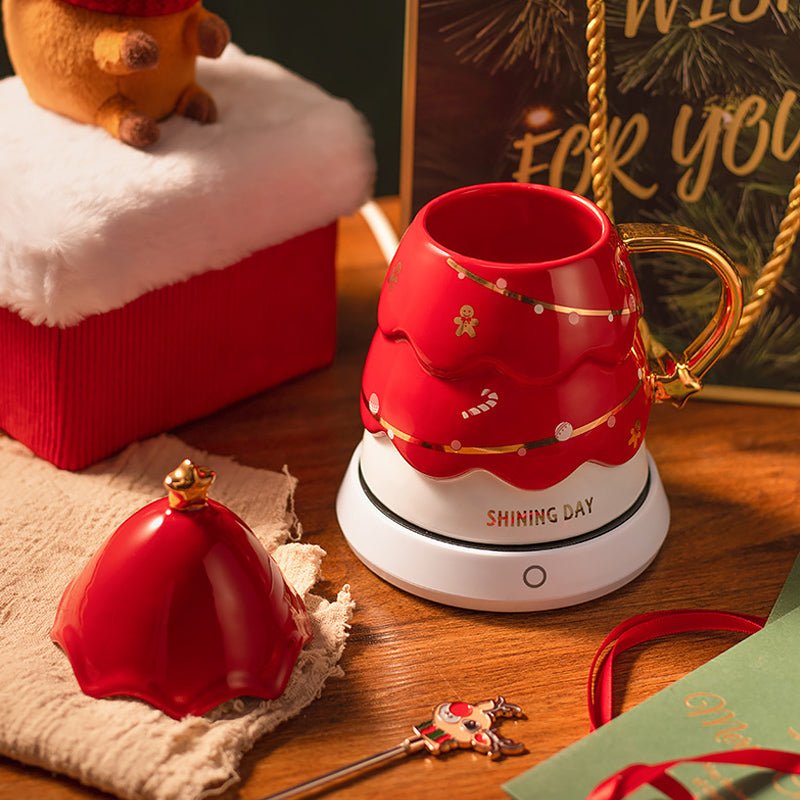
Christmas Cup of Coffee: How to Choose a Mug That Gets Used
A practical guide to picking a christmas cup of coffee that feels good in the hand, works on busy counters, and still looks right as a gift. We cover real trade-offs, care, and what to check before...
Read more
Leave a comment
This site is protected by hCaptcha and the hCaptcha Privacy Policy and Terms of Service apply.