
Coffee Cup Mug Buying Guide for Daily Use, Gifting, and Desk Coffee
Reading time: about 9 minutes
The wrong coffee cup mug shows up fast. The handle feels cramped at 7 a.m., the rim gets too hot on the first sip, or the cup looks good online and awkward on a desk the moment you set it next to a laptop and a notebook.
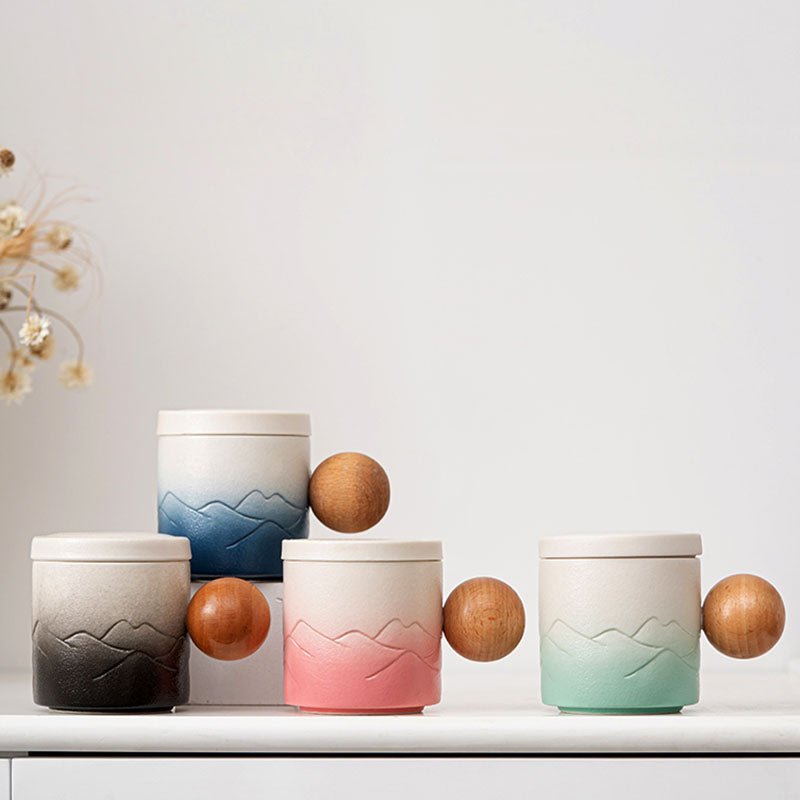
We handle mugs for that exact reason in our store: the shape matters as much as the finish. If you want a clean place to start, our all collections page pulls everything together, and the three styles that get the most attention are the Gradient Coffee Tea Mug, the Retro Coffee Tea Cup, and the Ball Handled Coffee Tea Mug.
Those three cover most buying decisions we see: a modern everyday mug, a smaller vintage-leaning cup, and a more distinctive handle shape for people who care about grip and presentation. If you want a broader buying framework before picking a style, our Mug & Cup Coffee Buying Guide for Daily Use and Gifting is a useful companion read. For buyers focused on material and finish, see Coffee Cup Mug Ceramic: What Buyers Should Check Before They Buy and Coffee Mug Sizes Guide: Choose the Right Cup for Daily Use.
What should you check before buying a coffee cup mug?
We look at mugs the same way a careful shopper does at the kitchen counter: hold it, tilt it, check the rim, and imagine the first five mornings of use. A coffee cup mug is not just a container. It has to work with your coffee routine, your machine, and the way you clean dishes.
Three details matter more than most product photos show:
- Handle clearance: your fingers should fit without touching the cup wall.
- Rim shape: a smoother, even rim usually gives a better sip than a thick, irregular edge.
- Base stability: a flat, balanced base matters on a crowded desk and on a dishwasher rack.
We also watch for common ceramic issues that shoppers notice only after the box is opened: tiny glaze pinholes, uneven glazing near the handle joint, hairline cracks near the base, and a mug that rocks slightly because the bottom was not finished evenly. Those are the kinds of defects that turn a good-looking mug into a daily annoyance.
If you drink coffee with milk, tea, or hot chocolate, a ceramic coffee cup mug is usually the easiest place to start because it feels familiar, insulates reasonably well, and does not pick up flavors the way some metal cups can. The trade-off is weight. Ceramic is solid, but it is not the lightest option, and it will chip if you knock it against a sink or another cup.
Which style fits your coffee routine best?
The right mug depends on how you actually drink. A person who brews one large mug at a kitchen island wants something different from someone who sips espresso at a desk or gifts mugs to a friend who values design.
| Style | Best for | What it does well | Trade-off |
|---|---|---|---|
| Gradient Coffee Tea Mug | Everyday coffee, tea, and a clean modern look | Easy to live with, visually polished, versatile on the counter | Not the most characterful choice if you want a vintage mood |
| Retro Coffee Tea Cup | Smaller pours and a more classic presentation | Feels intentional for tea service, espresso-style drinks, or a lighter coffee setup | Usually less suitable for a full oversized morning pour |
| Ball Handled Coffee Tea Mug | People who care about grip and a distinctive silhouette | Handle shape feels different in the hand and stands out as a gift | Not the most minimal look if you want a simple stackable mug |
The point is not to declare one winner. It is to match the mug to the job. If your coffee habit is a large drip brew you keep near a keyboard, a straight, stable mug usually makes more sense. If the cup is part of a breakfast table or a gift box, style matters more and the Retro Coffee Tea Cup can be the stronger pick. For shoppers who like a bit of design detail in the hand, the Ball Handled Coffee Tea Mug gives you a more memorable silhouette without turning the mug into a display piece only.
Why do handle shape and wall thickness matter so much?
Most returns in this category do not happen because the mug looked wrong in a listing. They happen because the mug felt wrong in use. Handle shape and wall thickness are the two parts that change the experience the most.
A handle with enough room lets you drink without twisting your wrist awkwardly. That sounds minor until you are carrying a full mug from the kitchen to a desk or trying to hold it while reading email. A ball-style handle can feel more secure for some hands, but it is not automatically better. If the opening is too tight, it will still feel cramped.
Wall thickness changes heat retention and comfort. A thicker ceramic wall usually feels sturdier and can help the drink stay warm a bit longer. A thinner wall often feels lighter and more refined, but it can cool down faster and get hot at the rim sooner. Neither is universally better. The right choice depends on whether you sip slowly or finish coffee quickly.
If you have ever set a mug down and noticed condensation on the outside or a warm spot on the base after a dishwasher cycle, you already know why construction matters. A solid mug should sit flat, feel even in the hand, and survive everyday washing without the finish looking tired after a few uses.
How do you compare mugs for home, office, and gifting?
We see the same three use cases over and over: a mug for the kitchen, one for the office, and one that needs to look good as a gift. The best choice shifts slightly in each case.
- For home use: choose the mug that feels best in your hand first. Home mugs get the most repeat use, so comfort beats novelty.
- For office use: stability matters. A mug with a dependable base and a handle that does not catch on laptop cables or notebook edges is easier to live with.
- For gifting: finish and shape matter more than volume alone. A gift mug should look intentional when unboxed, not generic.
That is why our Gradient Coffee Tea Mug is an easy everyday pick, while the Retro Coffee Tea Cup leans more toward a curated table setting. The Ball Handled Coffee Tea Mug is the one we would point to if the buyer wants something that feels a little less ordinary without becoming hard to use.
Trade-offs are real here. A decorative mug can be a better gift but a worse office cup if it is narrow, heavy, or awkward to wash. A very simple mug can be the best daily driver and still feel too plain for someone who wants a special-looking unboxing moment.
How should you care for a ceramic coffee cup mug?
Care is where many mug problems show up, especially on ceramic pieces with special glazing or decorative surfaces. We always recommend checking the specific product listing before you assume a mug is dishwasher or microwave safe.
In general, these habits help ceramic mugs last longer:
- Wash with a soft sponge instead of an abrasive pad.
- Avoid sudden temperature changes, such as moving a cold mug straight from the fridge to boiling water.
- Dry the base after washing so it does not sit on a wet shelf or rack for long periods.
- Watch for hairline cracks after a hard knock, especially near the handle attachment points.
If a mug has a printed graphic, metallic accent, or delicate glaze effect, hand washing is usually the safer long-term choice. If you use it every morning, that small extra step is worth it because it keeps the finish cleaner and reduces wear on the rim and handle.
For buyers who want a deeper material check, our Coffee Cup Mug Ceramic: What Buyers Should Check Before They Buy covers the practical questions we hear most often from shoppers comparing ceramic options.
Which coffee cup mug should you choose if you want one mug that does most things well?
If you want one mug that can handle weekday coffee, weekend tea, and occasional gifting, we would start by balancing three things: comfort, size, and appearance. That is the narrowest path to a mug you keep using instead of setting aside after a week.
Our practical rule is simple:
- Choose a mug with a comfortable handle first.
- Pick a size that matches your normal drink, not your ideal drink.
- Decide if you want a clean modern look, a vintage feel, or a more distinctive hand-feel.
That is also why our Gradient Coffee Tea Mug is the most flexible starting point for many buyers. It works in a kitchen, on a desk, or as a general-purpose gift without forcing a strong style commitment. If you want a mug that feels more curated, the retro option is the better move. If grip and personality matter most, the ball-handled design is the one to look at first.
For shoppers comparing sizes specifically, our Coffee Mug Sizes Guide: Choose the Right Cup for Daily Use is worth reading before you place an order. Size mistakes are hard to ignore once the mug is on your desk.
Frequently asked questions
What size coffee cup mug is best for everyday use?
A mid-size mug is usually the safest daily choice because it works for drip coffee, tea, and smaller milk drinks without feeling oversized on a desk. If you regularly refill, go a little larger; if you drink quickly, a smaller mug may feel better in the hand. The right size is the one that matches your actual pour, not a number on a product page.
Are ceramic coffee cup mugs good for hot coffee?
Yes. Ceramic is a strong everyday material for hot drinks because it feels solid, does not pick up flavors easily, and is comfortable for most people to use. The main trade-off is that ceramic can chip if it is knocked against hard surfaces, so it rewards normal care.
Which mug shape keeps coffee warmer longer?
A mug with thicker walls and a narrower opening usually holds heat a bit better than a thin, wide cup. That said, no mug will keep coffee hot for a long time if you leave it uncovered on a desk. If heat retention is the priority, focus on wall thickness and opening size first.
Is a ball-handled mug comfortable to hold?
It can be, especially if you like a more secure grip or want a handle that feels different from a standard loop. The best test is finger clearance: if the opening is too tight, comfort drops fast. We recommend thinking about your own hand size before choosing that style.
Can I use a coffee cup mug for tea too?
Yes, and many shoppers do. A neutral ceramic mug with a comfortable handle works well for both coffee and tea, which is why the same cup often earns a permanent spot in the kitchen. If you serve tea formally or prefer smaller pours, a retro cup may feel more appropriate than a large coffee mug.
If you want to compare styles quickly, start with our all collections page, then narrow by the mug that fits your routine: modern everyday use, a retro tea service feel, or a distinctive handled shape. That is the fastest way to choose a coffee cup mug you will still be happy with after the first wash and the tenth morning on the counter.
Read more
Father's Day Coffee Mug Gifts for Dads Who Use Them Daily
A Father's Day coffee mug works best when it fits how dad actually drinks coffee at home or at work. This guide compares three gift-worthy styles and explains what to check before you buy.
Read more
Pug Dog Coffee Mugs: What to Look For Before You Buy
Pug dog coffee mugs work best when the shape, handle, and finish fit real daily use, not just the photo. We cover what to check, what to avoid, and which mug styles make the best gift or desk compa...
Read more
Leave a comment
This site is protected by hCaptcha and the hCaptcha Privacy Policy and Terms of Service apply.