
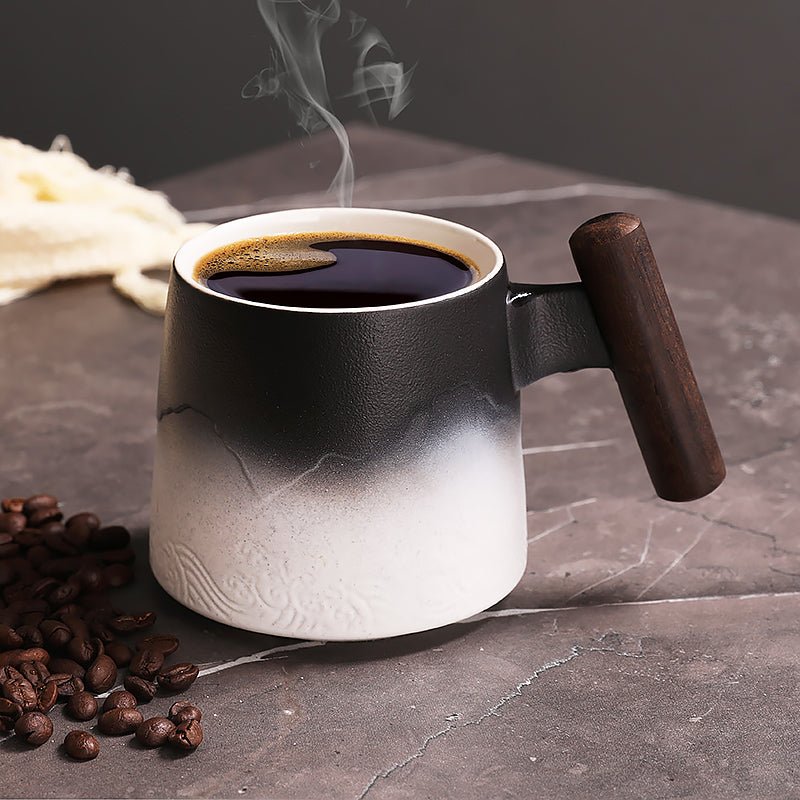
Cheap Coffee Mugs: What to Check Before You Buy
Reading time: about 9 minutes
A mug can look fine in a product photo and still feel wrong the first time you wrap your fingers around the handle. We see that all the time with cheap coffee mugs: the price is attractive, but the real test starts at the sink, the microwave, and the office desk.
If you are comparing budget mugs for daily use, gift sets, or a backup for the break room, the details matter more than the sticker price. A low-cost mug can still be a good buy if the walls feel steady, the glaze is even, the handle clears your knuckles, and the finish holds up after repeated dishwasher cycles. That is the lens we use in our store and in this guide.
What makes cheap coffee mugs worth buying?
A cheap mug is worth buying when it covers the basics without creating daily annoyances. That usually means a straightforward ceramic or stoneware body, a comfortable handle, a stable base, and a finish that does not chip at the first bump against a sink edge.
We look for practical value, not just a low price tag. A mug that is a little thinner but still sturdy can be a better purchase than a heavier mug with a crooked handle or an uneven foot. For most shoppers, the right choice is the mug that disappears into the routine and does its job every morning.
- Ceramic is common for budget mugs because it is affordable, easy to shape, and usually microwave friendly.
- Stoneware often feels a bit heavier and denser, which some buyers prefer for home use or desk use.
- Glazed finishes should look even and smooth; rough spots, pinholes, and glaze drips can be signs of weaker quality control.
If you want to compare broader options before narrowing down by budget, our full mug collection is the quickest place to start. For sizing decisions, our size-specific guides such as 12 oz Coffee Mugs: What to Check Before You Buy and 16 oz Coffee Mugs: What to Check Before You Buy are useful if you already know your preferred fill level.
Which size works best for everyday use?
Size is where a lot of shoppers overspend by accident. A mug that is too large can cool coffee faster because there is more open surface area, while a mug that is too small can force refills or leave no room for milk.
For everyday coffee, 12 oz is a common middle ground. It handles a standard drip coffee pour with a little room left at the top. If you drink larger servings or want space for cream, 16 oz is often the more forgiving choice. For readers who prefer a smaller serving or espresso-based drinks, smaller formats can make more sense, and we cover that in our 8 Ounce Coffee Mugs: What Buyers Should Check Before Ordering guide.
| Size | Best for | What to watch |
|---|---|---|
| 8 oz | Smaller servings, tea, espresso drinks | Limited room for milk or foam |
| 12 oz | Standard daily coffee | May feel small for large pours |
| 16 oz | Big coffee, lattes, longer desk sessions | Takes up more cabinet and dishwasher space |
| 20 oz | Large servings and all-day sipping | Heavier when full; can feel bulky in smaller hands |
If you are leaning larger, our posts on 20 Ounce Coffee Mugs: What Buyers Should Check Before Ordering and A buyer's guide to large capacity coffee mugs break down the trade-offs more clearly than a product photo can.
How do you spot a low-quality mug before you order?
We inspect mugs for the kinds of flaws customers actually notice after unboxing. Some defects are cosmetic, but others affect daily use. A mug with a crooked handle, uneven base, or rough glaze line is more likely to feel cheap in hand, even if the listing looks clean.
Here is the shortlist we use before we would consider stocking a budget mug:
- Check the handle clearance. There should be enough room for adult fingers without scraping the body of the mug.
- Inspect the rim. A smooth drinking edge matters more than most shoppers realize. A sharp or uneven rim is a daily annoyance.
- Look at the foot ring. A stable, flat base helps the mug sit securely on a desk, counter, or tray.
- Review the finish. Small glaze inconsistencies can be normal, but cracks, pinholes, and exposed rough clay are not good signs.
- Confirm care guidance. If a mug uses metallic decoration, special printing, or delicate trim, it may not be microwave safe.
Cheap coffee mugs are not the best choice if you need a premium presentation piece for a formal gift or a high-end cafe setup. In those cases, thicker stoneware or a more specialized mug style may suit you better. For office use, travel, or a kitchen drawer backup, budget mugs often make more sense.
In our experience, the most common complaint about low-cost mugs is not that they break immediately. It is that the handle feels awkward, the mug is too light or too heavy for the size, or the finish does not hold up as well as expected after regular washing.
Are cheap coffee mugs good for dishwasher and microwave use?
Some are, some are not. This is one of the first things we check because it changes how the mug fits into real life. A mug that cannot handle a microwave becomes inconvenient fast, especially for desk coffee or reheating half-finished cups.
For most buyers, the safest assumption is to confirm the product details before relying on machine care. Plain ceramic and stoneware mugs are often dishwasher safe and microwave safe, but decoration matters. Foil accents, metallic lettering, and certain specialty prints can limit microwave use. Hand washing may also be better for mugs with detailed artwork or delicate finishes.
- Dishwasher use: Fine for many plain mugs, but top-rack placement is usually gentler than crowding the lower rack.
- Microwave use: Works best on undecorated mugs with no metal accents.
- Thermal shock: Do not move a mug from a freezer-cold cabinet into boiling liquid or straight into a very hot cycle. Sudden temperature swings can lead to cracks.
If you want a deeper comparison on everyday materials and use cases, our article on Amazon Coffee Mugs: How to Compare Materials, Sizes, and Everyday Use is useful for sorting out which details matter most before you buy.
What should you buy cheap coffee mugs for, and what should you avoid?
Budget mugs shine in practical situations. They are a good fit for a home kitchen with a crowded cabinet, an office break area, guest use, or a gift set where quantity matters more than collector appeal. They are also useful as backups when you want a reliable mug without worrying about scratching a premium piece.
They are not ideal for every setting. If you need a showpiece for entertaining, a very thin wall for delicate tea service, or a mug that matches a specific handmade aesthetic, the cheapest option can feel generic. That is not a flaw if you know what you are buying. It is just a different job.
We tell shoppers to think about the mug in the context of the room it will live in:
- Kitchen counter: Prioritize durability and dishwasher safety.
- Office desk: Prioritize handle comfort and spill resistance around a keyboard.
- Gift box: Prioritize appearance, glaze consistency, and packaging presentation.
- Cabinet backup: Prioritize stackability and an easy-to-clean shape.
If your goal is simple everyday value, cheap coffee mugs can be a smart purchase. If your goal is a more specific size or a more premium hand feel, it may be worth moving up to a better-defined category and checking the fit before you buy.
How do we compare budget mugs in our store?
We compare the same things most shoppers notice after purchase, just earlier in the process. That means we pay attention to the inside of the mug as much as the outside. A smooth interior is easier to rinse. A balanced handle matters after the mug is full. A stable base matters more than most people expect when the mug sits on a crowded desk or beside a sink.
Our practical checklist is simple:
- Does the mug feel comfortable when filled, not just empty?
- Is the rim smooth against the lip?
- Does the handle leave enough room for fingers?
- Is the finish even enough for everyday use?
- Does the size match the amount of coffee the buyer actually drinks?
If you want to browse options directly, start with our products page and compare the mug shape, size, and care notes side by side. That is usually faster than guessing from photos alone.
Frequently asked questions
Are cheap coffee mugs safe for daily use?
They can be, as long as the mug has a smooth glaze, a stable base, and clear care instructions. For everyday use, plain ceramic and stoneware mugs are often the safest budget choices. Avoid mugs with visible cracks, rough rims, or metal decoration if you plan to use a microwave.
What size cheap coffee mug is best for home use?
For most homes, 12 oz is the most balanced size because it handles a normal coffee pour without feeling oversized. If you drink larger servings or add milk, 16 oz is often more practical. If you prefer smaller servings, an 8 oz mug can be a better fit.
Can cheap coffee mugs go in the dishwasher and microwave?
Many can, but not all. Plain ceramic and stoneware mugs are often dishwasher and microwave safe, while mugs with metallic accents, specialty prints, or delicate finishes may need hand washing or may not be microwave safe. Check the product details before you assume machine compatibility.
What is the biggest problem with low-cost coffee mugs?
The most common issues are awkward handles, uneven glazing, and finishes that do not hold up as well over time. A mug can still be usable with minor cosmetic imperfections, but poor balance or a rough drinking rim is a real drawback. Those are the flaws we watch for first.
Are cheap coffee mugs a good gift?
Yes, if the recipient values practical kitchen items and you choose a mug with a clean finish and a comfortable shape. They are less suitable for a formal or luxury gift unless the design is especially well done. For gift sets, presentation and consistency matter more than the lowest possible price.
If you want the fastest path to a solid buy, start with your preferred size, check the care notes, and compare handle shape before anything else. Then browse our collection or open the size guide that matches how much coffee you actually drink each day.
More from our blog
Read more
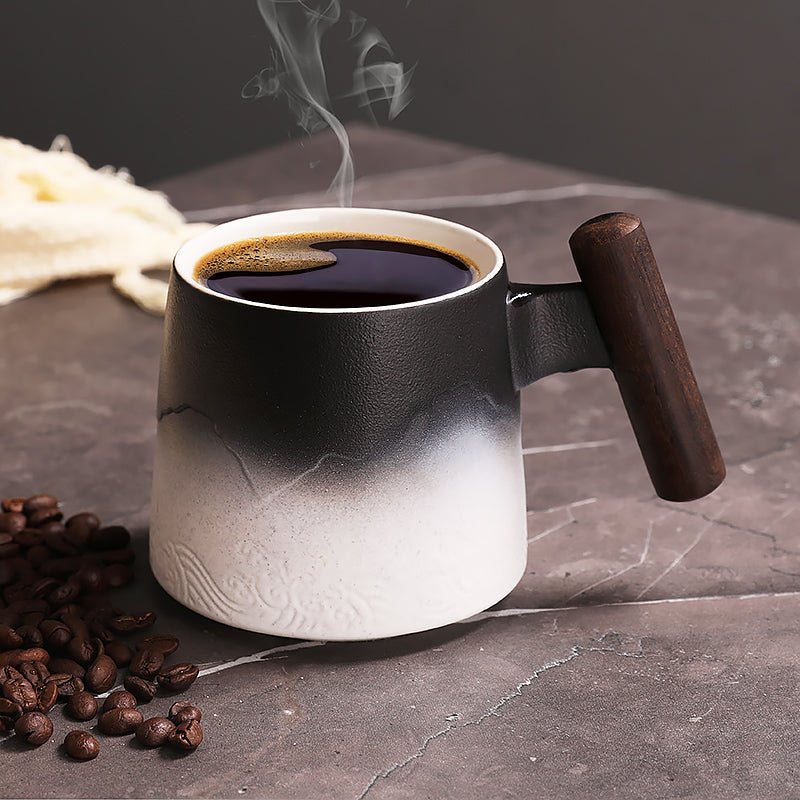
Yeti Insulated Coffee Mugs: What to Compare Before You Buy
A practical buyer's guide to Yeti insulated coffee mugs, with the size, lid, material, and use-case checks that matter before you order. Built for shoppers comparing home, office, and travel options.
Read more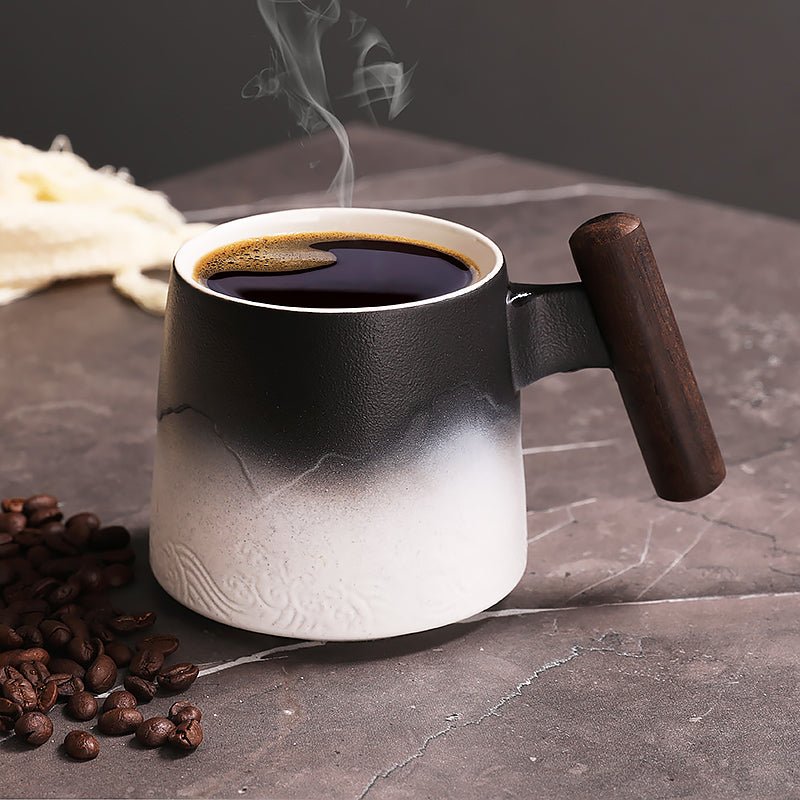
Coffee Mug Ember Buying Guide: What to Check Before You Buy
A coffee mug ember is a desk-first solution for keeping coffee at a steady temperature, but the details matter more than the label. We break down the real trade-offs: size, materials, charging, car...
Read more
Leave a comment
This site is protected by hCaptcha and the hCaptcha Privacy Policy and Terms of Service apply.