
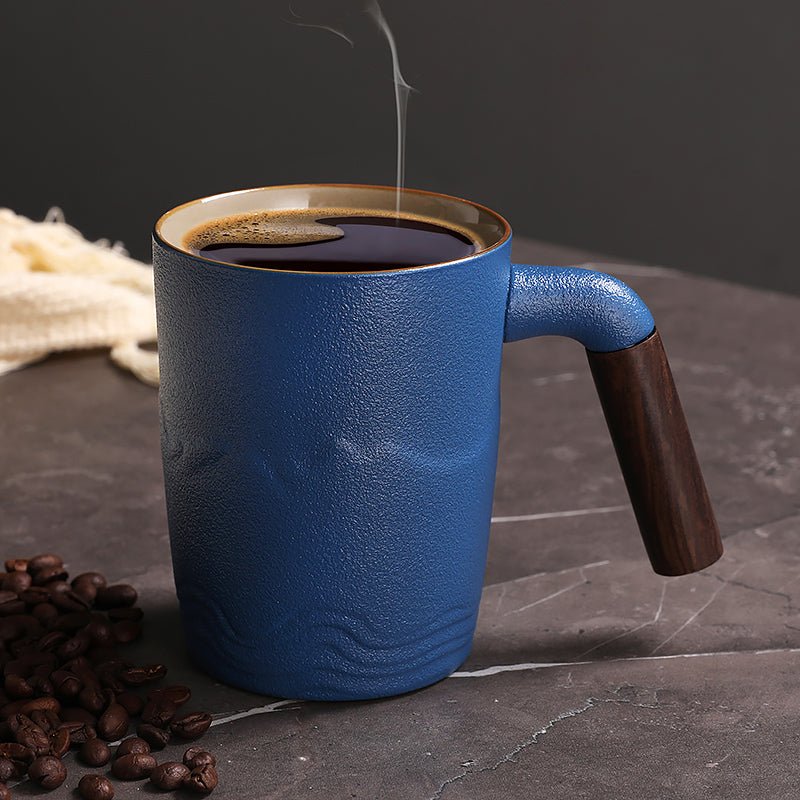
Ceramic vs porcelain mugs: which lasts longer
Reading time: about 8 minutes
Ceramic vs porcelain mugs is one of those comparisons that looks simple until you actually try to buy one for daily use. Both are common, both can look beautiful on a shelf, and both can work well for coffee or tea. The real difference shows up later: how the mug feels in the hand, how it handles repeated washing, whether the rim chips easily, and whether you still reach for it after a month.
In our store, we usually explain it this way: ceramic is often the safer everyday choice if you want a sturdier feel, while porcelain often wins when you want a lighter, cleaner, more refined mug. Neither is automatically better. The right pick depends on how hard the mug will be used, how much weight you like in hand, and whether the mug is for a kitchen workhorse, a desk favorite, or a gift.
What is the real difference between ceramic and porcelain mugs?
Porcelain is a type of ceramic, but shoppers usually use the words to mean two different mug experiences. In buying language, ceramic mugs usually mean thicker, more casual, more substantial mugs. Porcelain mugs usually mean finer, lighter, smoother mugs with a slightly more polished look.
The material and firing process matter, but from a buyer point of view the practical differences are easier to understand than the technical ones:
| Feature | Ceramic mug | Porcelain mug |
|---|---|---|
| Feel in hand | Often heavier and more grounded | Often lighter and more refined |
| Wall thickness | Usually thicker | Usually thinner |
| Visual style | Casual, cozy, artisanal, everyday | Clean, polished, elegant, more formal |
| Best fit | Daily kitchen use, larger mugs, relaxed routines | Tea service, lighter mugs, giftable or dressier use |
| Main trade-off | Can feel bulky if oversized | Can feel less forgiving if knocked around |
If you are still comparing overall mug fit, our broader Coffee Mug Buying Guide and Coffee Mug Size Guide help narrow the decision faster.
Which type usually lasts longer in daily use?
For rough everyday use, ceramic usually has the edge because many ceramic mugs are built with thicker walls and a more forgiving shape. That does not mean every ceramic mug lasts longer than every porcelain mug. A poorly finished ceramic mug can chip faster than a well-made porcelain mug. But in ordinary kitchen life, thicker ceramic tends to feel less delicate.
Where mugs usually fail is not dramatic breakage. It is small everyday damage:
- rim chips from bumping the sink or dishwasher rack
- handle stress from repeated one-handed lifting
- glaze wear or staining on lighter interiors
- hairline cracks after repeated temperature stress
In our experience, the mug that lasts longest is usually the one that matches the routine. A lighter porcelain mug can last very well in a calmer home setup. A heavier ceramic mug often lasts better in a busier kitchen, office break room, or household where dishes knock together more often.
Longevity is often less about the label and more about thickness, finish quality, and how the mug is treated once it gets home.
How do weight, rim feel, and finish change the experience?
This is the part many shoppers underestimate. Two mugs can hold the same amount of coffee and still feel completely different. Porcelain often feels lighter and cleaner at the rim. Ceramic often feels warmer, steadier, and more substantial in the hand.
Pay attention to these details:
- Weight: If you drink at a desk and lift the mug often, a lighter porcelain mug may feel easier over time. If you like a mug that feels stable and grounded, ceramic often feels better.
- Rim thickness: A thinner rim usually feels a little more refined. A thicker rim can feel more casual and sturdy.
- Finish: Glossy finishes are usually easier to wipe clean. Matte finishes may show coffee marks sooner.
- Handle shape: Material matters less if the handle is cramped or awkward. Always check handle clearance before deciding.
If your real question is less about material and more about which shape fits your routine, our Ceramic Mug Buyer Overview and all collections page make shape and size comparisons easier.
Which one is better for coffee, tea, gifts, and everyday kitchens?
For everyday coffee: ceramic is usually the safer bet. It fits the kind of mug people grab half-awake in the morning, use at a desk, rinse in the sink, and load into the dishwasher without thinking too hard.
For tea or lighter sipping: porcelain often feels especially good because the lighter body and finer rim can feel cleaner and a little more elegant.
For gifts: it depends on the recipient. If they like practical, cozy, everyday objects, ceramic is often the better gift. If they like polished, minimal, lighter tableware, porcelain may feel more special.
For larger mugs: ceramic often makes more sense because the added size already increases the mug's presence. If you are comparing fuller-capacity mugs, our Large Coffee Mugs collection is the best next step.
What should you check before you buy?
Before you choose ceramic or porcelain, use this short checklist:
- How often will the mug be used?
- Do you want lighter feel or sturdier feel?
- Will it live in a busy sink and dishwasher cycle?
- Do you care more about cozy everyday use or cleaner refined presentation?
- Is the handle comfortable enough for the way you actually drink?
We also recommend looking past the material label and checking the actual mug style. A practical everyday shopper should compare sturdy ceramic options first, especially if they want something giftable but still easy to use. Good starting points are our Round Ceramic Coffee Mug, the taller Landscape Tall Coffee & Tea Mug, and the more refined Pleated Elegant Ceramic Coffee Cup.
If you already know you prefer a calmer, design-led look, the fastest route is to compare them visually in the Product Image Gallery and then decide whether you want a broader everyday mug or a smaller, more refined cup.
Frequently asked questions
Do ceramic mugs last longer than porcelain mugs?
Often, yes, in rough everyday use, because many ceramic mugs are thicker and feel more forgiving. But build quality matters more than the label alone. A well-made porcelain mug can outlast a cheaply finished ceramic one.
Is porcelain better for tea than coffee?
Not automatically, but many people prefer porcelain for tea because it feels lighter and often has a finer rim. Ceramic is still excellent for tea if you prefer a sturdier, warmer-feeling mug.
Which chips more easily, ceramic or porcelain?
Thin porcelain edges can feel more vulnerable, while thicker ceramic mugs often handle casual bumps a bit better. The finish, rim shape, and how the mug is stored matter a lot.
Is ceramic or porcelain better for gifts?
Ceramic is usually better for practical everyday gifts. Porcelain can feel more elegant if the recipient likes lighter, more refined tableware.
What is the safest all-around choice?
If you want the broadest low-risk everyday choice, ceramic is usually the safer answer. It tends to suit more routines, especially for coffee drinkers who want comfort and durability first.
Read more
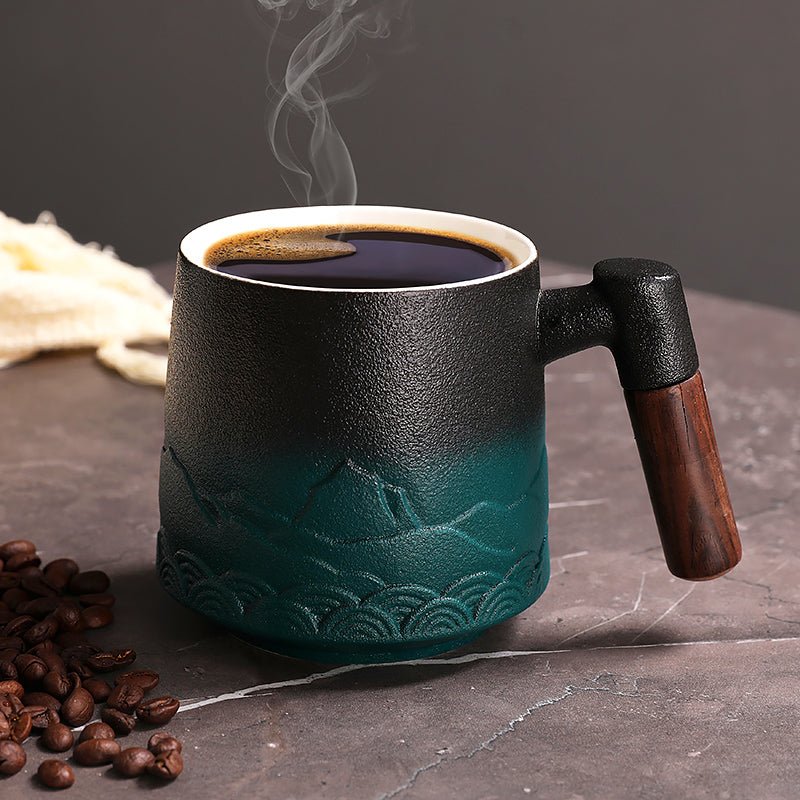
Personalized Coffee Mug Ideas That Actually Look Good
Practical personalized coffee mug ideas that look clean, gift-worthy, and easy to live with every day.
Read more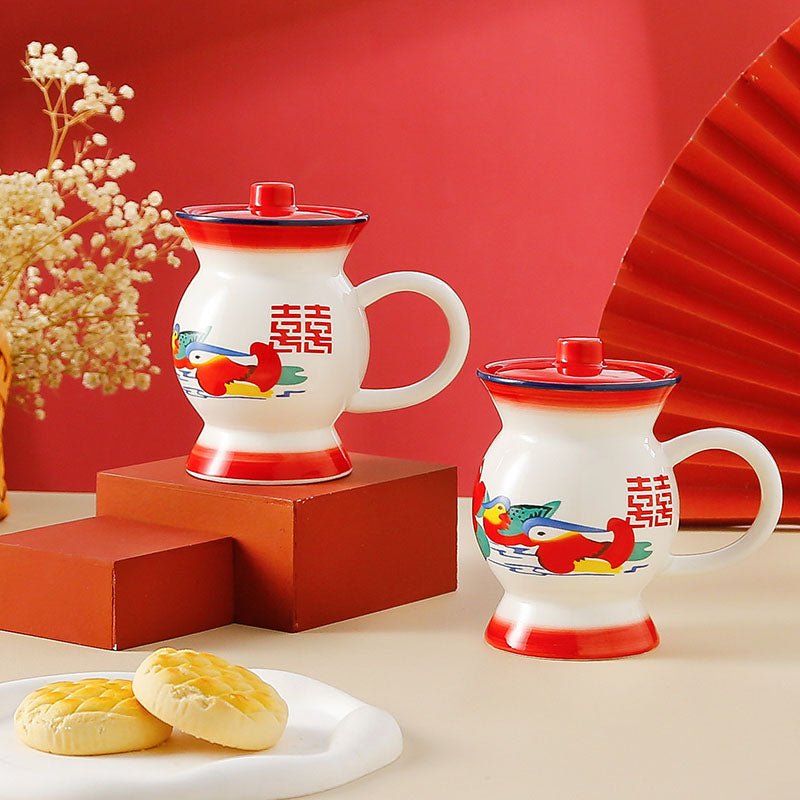
Oversized Coffee Mug Buying Guide: What to Check Before You Buy
A practical guide to choosing an oversized coffee mug based on real use: desk space, handle comfort, cleanup, and what size actually fits your routine.
Read more
Leave a comment
This site is protected by hCaptcha and the hCaptcha Privacy Policy and Terms of Service apply.