
Ceramic Cup Mistakes to Avoid Before Buying a Pleated Coffee Cup
Reading time: about 9 minutes
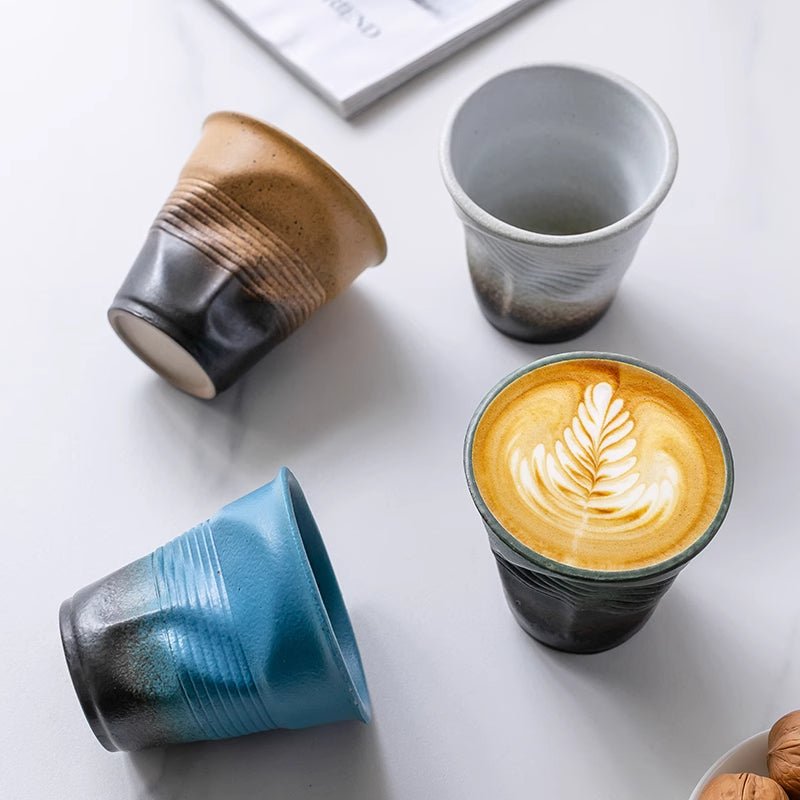
The mistakes usually show up after the cup is already on the kitchen counter. The pleated profile looks great in photos, then the buyer realizes it holds less than expected, feels different in the hand, or was never the right gift for someone who drinks large lattes. In our store, we see these ceramic cup mistakes most often with textured mugs because the design is easy to love and easy to misjudge at the same time.
If you are comparing the Pleated Coffee Tea Cup with other shapes in our unique coffee mugs collection, start with the basics: size, finish, daily use, and whether the cup is meant to be a working mug or a decorative piece. That one decision prevents most buyer regret.
Which ceramic cup mistakes show up most often?
The most common problem is buying for the look first and the routine second. A pleated ceramic cup has more visual texture than a plain cylinder, so it can feel more premium on a shelf even when the drink capacity is modest. We see buyers miss the practical details that matter at breakfast tables, office desks, and gift unboxings.
| Mistake | What to check | Why it matters |
|---|---|---|
| Choosing by photos only | Capacity, rim shape, and base stability | The cup may look larger or more formal than it feels in hand |
| Ignoring the drink size | Whether 200 ml fits your coffee or tea routine | A small cup can be perfect for espresso drinks and too small for large lattes |
| Overlooking the texture | How the pleats feel to hold and clean | Textured sides can be elegant, but they also collect residue if you let drinks sit |
| Buying a gift with no presentation plan | Gift wrap, packaging, and recipient taste | A beautiful cup still needs to suit the person opening it |
One practical rule we use: if a detail matters in the product photo, it will matter more in real life. Texture, thickness at the lip, and the way the cup sits on a flat surface are not minor details when you are using it every day.
Is the 200 ml size right for your coffee routine?
A common ceramic cup mistake is treating every mug as if it serves the same purpose. If the pleated cup you are looking at is the 200 ml version, think of it as a compact daily cup rather than a full-size mug. That makes it a good fit for espresso-based drinks, small flat whites, tea, and short breaks at a desk. It is not the best choice if you want a generous latte, long refills, or one cup that covers every drink size without compromise.
Here is the simplest sizing check we use before recommending a textured cup:
- Choose compact sizing if you prefer concentrated drinks, smaller servings, or a tidier cup on an office desk.
- Choose a larger mug if you pour milk-heavy drinks, like a lot of extra room in the cup, or tend to sip slowly over a long work session.
- Choose decor-first tableware if the cup will mostly sit on an open shelf or sideboard and be used only occasionally.
If you want a more detailed comparison before you buy, our How to Choose a Pleated Ceramic Coffee Cup | 200 ml Buying Guide breaks down the sizing trade-offs we see most often.
This is where many shoppers overcorrect. They either buy too small because the design looks elegant, or too large because they assume bigger is automatically more useful. Neither choice is right for every buyer.
What finish and build details should you inspect before checkout?
With textured ceramic, the build details matter more than they do on a plain mug. We look for a smooth drinking rim, an even base, and a clean glaze finish around the pleats. A cup can be beautiful and still be annoying to use if the lip feels rough, the foot ring is uneven, or the body rocks slightly on a hard counter.
Three concrete checks are worth doing before you buy:
- Rim comfort: the edge should feel smooth against the lips, not sharp or gritty.
- Base stability: the cup should sit flat on tile, wood, or a desk mat without wobbling.
- Glaze consistency: small variations can happen on ceramic, but rough spots, pinholes, or obvious finish defects should not be ignored.
These are the kinds of ceramic cup mistakes that are easy to miss in a styled photo and easy to notice the first time you pour hot coffee into the cup. We would rather see a buyer spend an extra minute checking the product page than regret a purchase after one morning use.
If you are comparing a few styles side by side, our Coffee Cup Mug Ceramic: What Buyers Should Check Before They Buy is the best cross-check for build quality and everyday usability.
How do cleaning habits change the way a pleated cup holds up?
Another mistake is assuming a textured ceramic cup should be treated exactly like a smooth one. It does not need special handling, but the pleats can show dried coffee, milk residue, or tea stains sooner if you let drinks sit. A quick rinse after use and a soft sponge for regular cleaning usually keep the surface looking fresh.
For practical use, we suggest a few habits that make sense for textured ceramic:
- Rinse the cup soon after finishing coffee or tea, especially if you added milk or syrup.
- Use a soft sponge or cloth so the finish keeps its clean look.
- Check the grooves and the base edge during washing, since textured cups can hide residue in small creases.
- Store it where it will not knock into heavier stoneware or metal tumblers.
This style is not the best fit for someone who wants a travel mug, a spill-proof lid, or a cup that lives in a crowded tote bag. It works better on a kitchen shelf, a coffee station, or an office desk where the shape can be appreciated and the cup can dry properly between uses.
Our Pleated Ceramic Coffee Cup 200 ml Care Tips to Make It Last Longer goes deeper into the handling habits that protect textured ceramic over time.
The upside is straightforward: a quality glazed ceramic cup is usually easy to wipe clean when you do not let stains set in. The trade-off is that decorative texture needs a little more attention than a plain, smooth mug.
Is this a good gift, or just a pretty shelf piece?
The pleated shape is one reason shoppers look for unique mugs in the first place. It feels more considered than a generic mug and looks good in a kitchen display, which is why it works for housewarmings, coworker gifts, and client presents. Still, a gift can miss the mark if the person drinks much larger servings or prefers very heavy mugs with a handle.
In our experience, the right gifting decision comes down to the recipient's habits, not just the look of the cup.
- Good fit: someone who likes clean tableware, smaller coffee servings, or tea on a neat desk setup.
- Mixed fit: someone who likes mugs as decor but also expects a large daily coffee cup.
- Poor fit: someone who wants a travel mug, a handle-heavy breakfast mug, or a very large serving size.
We also see buyers underestimate presentation. A mug can be exactly right and still feel underwhelming if it arrives without a gift plan. That is why we offer gift wrapping on eligible orders, which helps if the cup is going straight to a coworker, client, or someone who values the unboxing moment as much as the product itself.
If this is a gift purchase, our Pleated Ceramic Coffee Cup Gift Guide for Coworkers and Clients is the better next read before you place the order.
For shoppers who are still comparing shapes, our collection of unique coffee mugs is the fastest way to see whether this style is the best match or whether a different ceramic profile suits the recipient better.
How can you avoid regret before you click buy?
The easiest way to avoid ceramic cup mistakes is to compare the product against the actual use case, not the photo styling. We tell customers to make the decision in this order: first the drink size, then the feel in hand, then the finish, then the gift presentation. That sequence catches most problems early.
Use this short checklist before buying:
- Check whether the capacity matches your usual drink, not your occasional drink.
- Look closely at the rim, base, and glaze so you know what you are getting.
- Decide whether the cup is for everyday use, display, or gifting.
- Think about cleaning habits if the textured exterior will see frequent coffee or tea.
- Pick a style that fits the recipient if this is a gift, especially if gift wrapping matters.
That approach sounds basic, but it is the difference between a cup that gets used every morning and one that stays at the back of a cupboard. A pleated ceramic cup is strongest when the buyer wants a compact, attractive, easy-to-clean piece with a clear job to do.
If you are buying the pleated shape for a hosting setup, also read our guide to choosing a pleated ceramic cup for a guest room coffee tray, because tray footprint and drying grooves matter more in guest-room use.
Frequently asked questions
Is a pleated ceramic coffee cup good for everyday use?
Yes, if your everyday drinks are in the small-to-medium range and you prefer a compact cup on the counter or desk. It is especially practical for tea, espresso drinks, and short coffee breaks. If you usually want a large mug, this style may feel too small.
How do I know if 200 ml is enough?
Think about your normal drink, not your occasional one. A 200 ml cup is usually enough for smaller coffee servings and tea, but it is not ideal for a large latte or a long refill session. If you keep adding milk or want a bigger buffer, choose a larger mug instead.
Does the pleated texture make cleaning harder?
It can, but only if you let residue dry in the grooves. A quick rinse and a soft sponge are usually enough for routine cleaning. The texture is more about maintenance discipline than major cleaning difficulty.
Is this a good mug to give as a coworker or client gift?
Yes, if the recipient likes tasteful, smaller tableware and you want something that feels more personal than a basic mug. It is a weaker choice if the person clearly prefers oversized cups or very practical travel gear. Gift wrapping helps when presentation matters.
What should I buy instead if I want a larger coffee mug?
Choose a larger ceramic mug with a wider opening and more capacity. That will suit big morning pours, milk-heavy drinks, and people who do not want to refill often. The pleated style is better when the buyer values design, proportion, and a more compact drink size.
If you are still deciding, compare the cup against the unique coffee mugs collection and use the checklist above to match the size, finish, and gifting plan to the person who will actually use it.
Read more
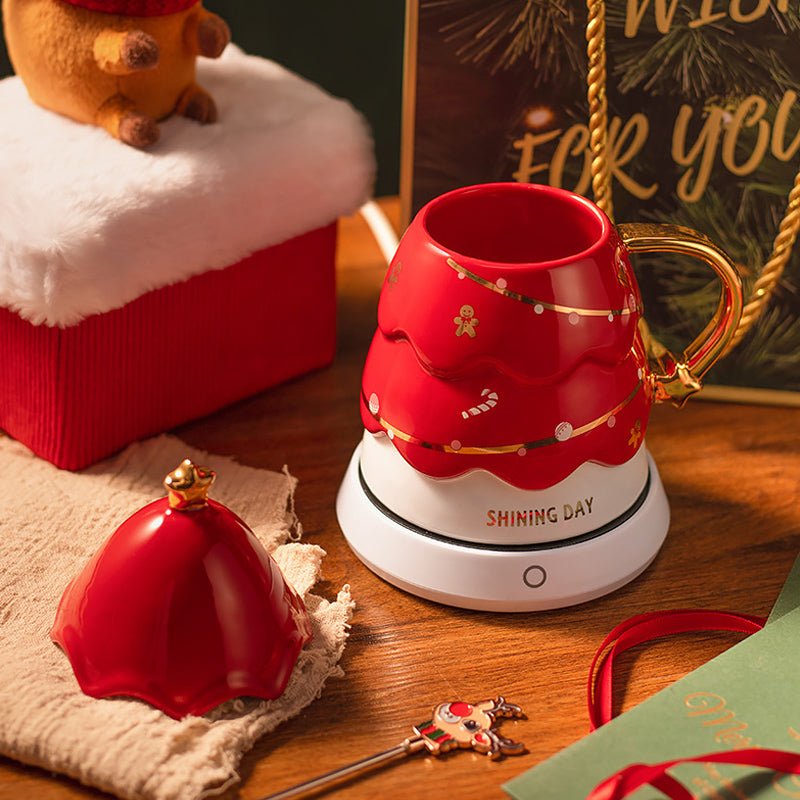
Christmas Story Coffee Mug: Buyer Guide for Gifts and Daily Use
A practical guide to choosing a christmas story coffee mug that works for gifting, office desks, and everyday coffee. We cover size, material, care, and where this style fits best.
Read more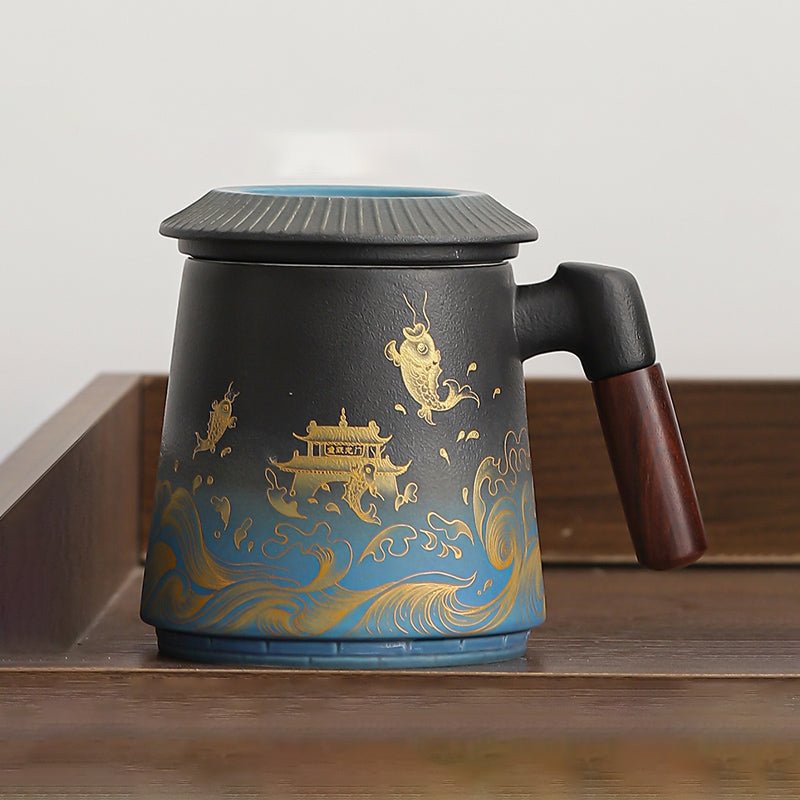
Melting Coffee: What It Usually Means and How to Fix It
Melting coffee usually points to a heat or mug problem, not coffee literally melting. We break down what shoppers are usually seeing, what causes it in daily use, and how to choose a mug that handl...
Read more
Leave a comment
This site is protected by hCaptcha and the hCaptcha Privacy Policy and Terms of Service apply.