
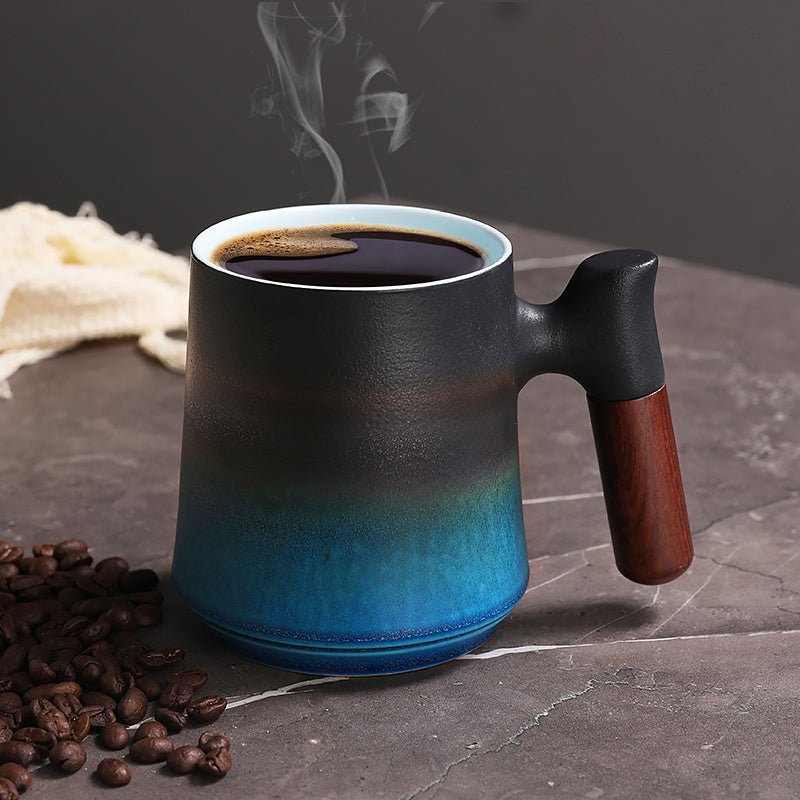
Ceramic Coffee Mugs 20 oz: Buyer's Guide for Fit, Heat, and Care
Reading time: about 9 minutes
A 20 oz ceramic mug takes up real space on a desk, a kitchen counter, and in a dishwasher rack. If you have ever picked up a mug that looked right online but felt too heavy, too wide, or awkward in the hand, you already know why size alone is not enough.
In our store, we see the same pattern over and over: shoppers want a bigger mug for long mornings, office refills, or a generous latte, but they still want something that feels steady and comfortable. That is the real job of ceramic coffee mugs 20 oz. They should hold more coffee without turning into a clumsy bowl with a handle.
This guide covers what actually matters before you buy, how 20 oz compares with smaller sizes, and where the trade-offs show up in everyday use. If you want a broader shopping pass first, our collection at our mugs collection is the easiest place to compare styles side by side.
Why do buyers choose a 20 oz ceramic mug over a smaller one?
People usually do not buy a 20 oz mug because they want a novelty oversized cup. They buy it because they want fewer trips back to the coffee pot, more room for cream or milk, or a mug that can handle a larger pour without feeling precarious.
That said, the extra capacity changes the experience. A 20 oz ceramic mug tends to have a wider body, a taller profile, or both. That can improve capacity, but it also affects heat loss, shelf fit, and how comfortably the handle clears your knuckles.
We usually recommend this size for:
- Long work sessions where a refill-free mug is the priority.
- People who drink drip coffee, café au lait, tea, or cocoa in larger pours.
- Office desks where the mug sits near a keyboard and needs a stable base.
- Gift buyers who want a practical size, not a tiny decorative cup.
It is not the best choice if you prefer espresso-based drinks in small servings, if your cabinet space is tight, or if you want a mug that fits neatly under low-profile coffee machines. In those cases, a 12 oz or 16 oz mug is usually easier to live with. We break that down more directly in our 16 oz coffee mug guide and our 12 oz coffee mug guide.
What should you check before ordering ceramic coffee mugs 20 oz?
A product page can make any mug look simple. In practice, the details that matter are often the ones buyers skip: handle clearance, wall thickness, finish quality, and how the mug will behave in daily cleaning.
Here is the checklist we use when we evaluate mugs in our store:
- Handle comfort: A 20 oz mug should feel secure with one hand. If the handle opening is too tight, the mug feels heavier than it should.
- Wall thickness: Thicker ceramic usually holds heat better, but it also adds weight. Thin walls feel lighter, but they can cool off faster.
- Base stability: A flat, well-balanced base matters on desks and side tables. If the mug rocks, it is a problem before the coffee even cools.
- Rim shape: A smooth rim is easier to drink from. An uneven or overly thick rim can make the mug feel clunky.
- Glaze finish: A smooth glazed interior is easier to wash and less likely to hold stains from coffee, tea, or cocoa.
- Care instructions: Dishwasher and microwave compatibility depend on the specific mug. Always check the product listing rather than assuming all ceramic is the same.
For a deeper walk-through of sizing, heat, and care, we also recommend our 20 oz ceramic coffee mug buying guide. It covers the same category from a more technical angle.
A 20 oz mug that looks right in a photo can still fail the daily-use test if the handle is cramped or the base feels unstable on a crowded desk.
One more thing buyers often miss: ceramic is not all the same. Stoneware usually feels denser and more rugged. Porcelain often feels a bit lighter and cleaner-lined. Both can work well for 20 oz mugs, but the feel in hand is different, and that difference matters if you use the mug every day.
How does a 20 oz mug compare with 12 oz, 16 oz, and 8 oz mugs?
Size affects more than volume. It changes heat retention, storage, and the amount of coffee you actually want to pour before the mug feels too full.
Here is a practical comparison:
| Size | Best for | Main trade-off |
|---|---|---|
| 8 oz | Espresso drinks, small tea servings | Not enough capacity for most regular coffee drinkers |
| 12 oz | Standard drip coffee, compact cabinets | Less room for milk, foam, or a larger refill-free pour |
| 16 oz | Everyday coffee, balanced hand feel | Still smaller than many modern coffee servings |
| 20 oz | Large coffee pours, tea, cocoa, desk use | Bulkier, heavier, and sometimes too large for compact storage |
If you are comparing sizes, our article on 20 oz coffee mugs is useful because it focuses on the same buying decision from a broader angle. For shoppers who are still weighing ceramic against other styles, our ceramic 20 oz mug article goes further into the material side.
The key trade-off is simple. A 20 oz mug gives you more capacity and usually a more relaxed drinking routine. In return, you accept more weight, more cabinet space, and a bigger footprint on the table. If you like small cups that cool quickly and disappear into a mug tree, this is not your size.
What makes ceramic a good material for a 20 oz coffee mug?
Ceramic is popular in this size because it feels substantial, holds heat reasonably well, and usually gives you a smoother drinking experience than very thin metal or glass. For coffee at home or in the office, that matters.
Here is what we see most often with ceramic mugs used day after day:
- Heat behavior: Ceramic warms up with the drink and stays comfortable in the hand, but it will still lose heat over time if the mug is left uncovered.
- Surface feel: A glazed ceramic surface usually resists coffee staining better than porous or unfinished materials.
- Everyday durability: Ceramic handles daily use well, but chips usually happen on the rim, handle edge, or base when mugs are stacked too tightly or knocked against the sink.
- Flavor neutrality: Ceramic does not add a metallic taste, which is one reason many coffee drinkers prefer it for drip coffee and tea.
There are limits. Ceramic mugs are not the best choice for travel, for keeping coffee hot for hours without a lid, or for households where mugs are constantly thrown into bags and car cup holders. If that is your routine, a travel tumbler is a better category entirely.
Care also matters. We advise buyers to check whether the specific mug is dishwasher safe and microwave safe. Even when a ceramic mug is safe for both, sudden temperature swings can still be rough on the piece over time. A room-temperature mug going into a very hot cycle is usually less stressful than a mug moving straight from the freezer to hot coffee.
How should you care for a 20 oz ceramic mug so it lasts?
Most ceramic mugs fail from handling habits, not from a dramatic single event. The most common problems we see are chips from crowded dish racks, hairline cracks from repeated knocks, and stains from letting coffee sit in the cup too long before washing.
Our practical care advice is straightforward:
- Rinse the mug soon after use if you are not washing it right away.
- Do not stack mugs tightly if the rims touch.
- Check the handle and base after any drop or hard tap against the sink.
- Use the dishwasher only if the product listing says it is safe.
- Avoid abrupt temperature changes when the mug is very hot or very cold.
On a kitchen counter, those habits matter more than the brand name on the mug. In an office kitchen, they matter even more because mugs get shared, shuffled, and moved around constantly.
If you want a deeper buyer-first checklist, our post on 20 oz coffee mug buying basics is a good companion read. It is especially helpful if you are choosing between multiple mugs and trying to avoid a bad fit.
Which buyer fits a 20 oz ceramic mug best?
We think 20 oz ceramic mugs make the most sense for a specific type of buyer: someone who values capacity and comfort more than compact storage.
You are probably a good fit if you:
- Like a generous morning coffee and do not want to refill often.
- Use your mug at a desk and want it to stay stable between sips.
- Prefer a fuller mug for latte-style drinks, tea, or hot chocolate.
- Want a gift that feels useful instead of purely decorative.
You may want a different size if you:
- Need your mug to fit under a small machine or tight cabinet shelf.
- Prefer lighter mugs that are easier to lift with one hand.
- Mostly drink espresso or short coffee servings.
- Want a travel-friendly vessel instead of a stationary cup.
That is the honest trade-off. A 20 oz mug gives you more room, but it asks for more storage, more table space, and a bit more care when handling.
If you are ready to compare styles in one place, start with our product selection and look for the mug shape that matches your routine, not just the photo.
Frequently asked questions
Are ceramic coffee mugs 20 oz too big for everyday use?
Not if you actually drink a larger pour and have the cabinet space for it. For many people, 20 oz is a comfortable everyday size for drip coffee, tea, or cocoa. If you prefer smaller servings or a lighter mug, 12 oz or 16 oz usually feels more practical.
Do 20 oz ceramic mugs stay hot longer than smaller mugs?
They can hold heat well, but the larger opening often exposes more surface area, so the drink may still cool at a normal pace. Wall thickness, glaze, and whether the mug starts with a warm or cold body all affect the result. Ceramic is good for regular use, not for all-day heat retention.
Can I put a 20 oz ceramic mug in the dishwasher and microwave?
Only if the product listing says it is safe for both. Many ceramic mugs are, but not every glaze, printed design, or decorative detail handles dishwasher or microwave use the same way. We always tell shoppers to check the exact item, not assume based on the material alone.
What size coffee fits in a 20 oz mug?
A 20 oz mug gives you room for a generous coffee serving plus milk, cream, foam, or extra water for tea. Most buyers do not fill it right to the brim in daily use, which is part of the appeal. The extra room helps prevent spills on a busy morning.
What should I look for if I want a 20 oz mug for work?
Prioritize a stable base, a comfortable handle, and a finish that is easy to clean. On a desk, a mug that feels balanced matters more than a decorative shape. If your office has a small dishwasher or limited shelf space, measure first before you buy.
If you are comparing options now, use this short checklist: handle comfort, base stability, glaze quality, care instructions, and how the mug fits your daily drink size. Then compare the available styles in our collection and choose the one that matches your routine instead of just the largest capacity.
More from our blog
Read more
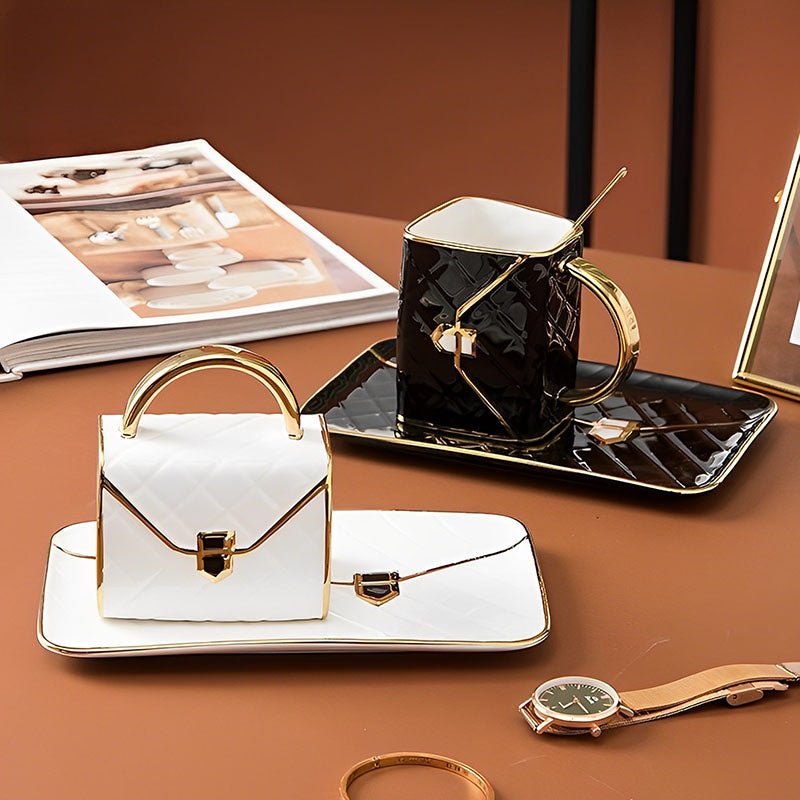
Apple Coffee Mug Buying Guide: Size, Material, and Gifting Tips
An apple coffee mug can be a practical desk mug or a gift, but the shape, glaze, handle comfort, and care routine matter more than the design alone. Here is what we check before we recommend one.
Read more
Coffee Travel Mug with Handle: What to Check Before You Buy
A practical guide to coffee travel mugs with handles, focused on lid fit, insulation, size, and daily usability so you can pick the right one for work, driving, or gifting.
Read more
Leave a comment
This site is protected by hCaptcha and the hCaptcha Privacy Policy and Terms of Service apply.