
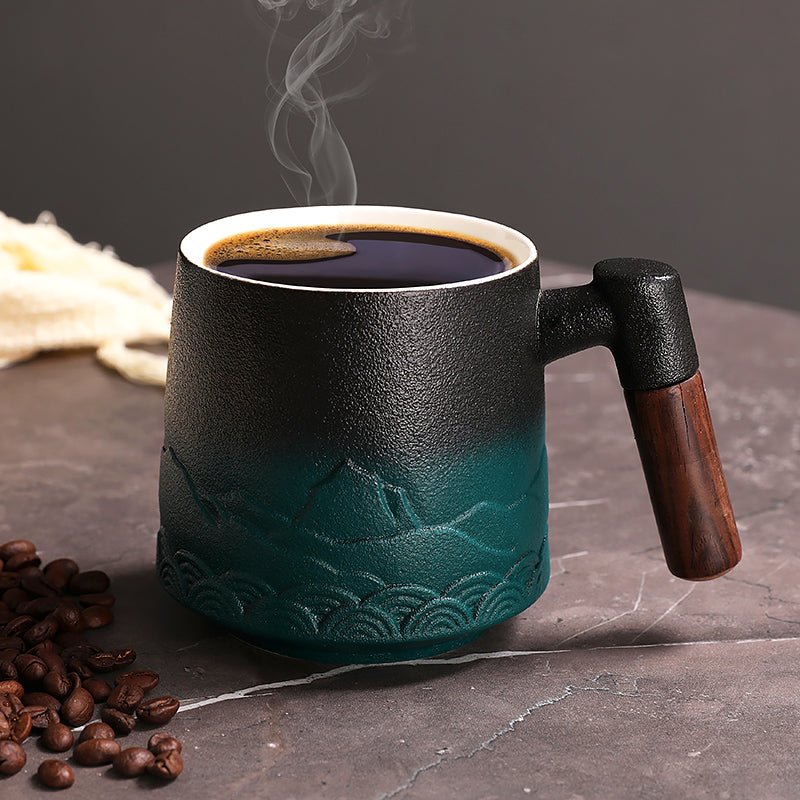
Browning Coffee Mug Guide: What to Buy, What to Avoid, and Why
Reading time: about 9 minutes
A coffee mug that starts to brown around the rim or inside usually gets noticed fast. It shows up on a white glaze first, then around the base where coffee splashes dry, and sometimes along the handle where fingers leave oils that collect dust. We see it a lot in real kitchens and office break rooms: a mug still works, but it no longer looks clean enough to leave on the counter.
If you’re comparing a browning coffee mug to replace one that stains easily, the real question is not just color. It is how the mug is glazed, what shape makes cleaning easier, and how much daily care you want to put into it. In our store, we look at these mugs the way shoppers use them: morning coffee, a quick rinse after lunch, dishwasher cycles, gift unboxings, and the occasional forgotten cup sitting overnight.
For shoppers who want to see the broader range first, our all mugs collection is the quickest place to compare styles side by side. If you already know you want a taller everyday mug, the Mountain Tall Coffee Tea Mug is a practical place to start because taller walls often keep splashes lower than very wide cups.
What causes a coffee mug to brown inside?
Most browning comes from repeated coffee residue, hard water minerals, and heat cycling. Coffee leaves natural oils and tannins behind. If a mug has tiny surface texture, a worn glaze, or a narrow curve near the bottom, those residues can cling there and build up faster. In our experience, the first places to stain are the inside shoulder, the rim, and the area just above the base.
Not every brown mark means the mug is damaged. Some lighter ceramic glazes show tea and coffee staining sooner than darker or speckled finishes. That said, a mug that browns quickly after normal washing may have a finish that is harder to keep clean in daily use.
- Coffee oils stick to glaze that is slightly porous or textured.
- Hard water can leave mineral film that makes stains look darker.
- Deep curves and tight bottoms are harder to reach with a sponge.
- Frequent dishwasher cycles can dull some decorative finishes over time.
Which mug features help prevent browning?
The best anti-browning choice is usually a mug with a smooth, fully glazed interior. That matters more than most shoppers think. A glossy interior gives coffee fewer places to grab on, so cleanup is simpler after a long morning or an afternoon refill at the desk.
We also pay attention to shape. Straight or gently tapered walls are easier to wipe than mugs with a deep bowl shape. A wide opening helps you reach the bottom with a sponge. A stable base helps keep the mug from tipping while you rinse it, which sounds small until you’ve cleaned a mug full of dried espresso rings at the office sink.
| Feature | What it does | Best for |
|---|---|---|
| Smooth glazed interior | Helps reduce residue buildup | Daily coffee drinkers |
| Wide opening | Makes hand washing easier | Shoppers who wash by hand |
| Taller profile | Can reduce splashing during carry | Desk use and travel between rooms |
| Simple interior shape | Fewer corners for stains to hide | Anyone who wants low-maintenance cleanup |
If size is part of your decision, our size-focused guides can help you choose the right fit before you buy. Read 11oz Coffee Mug Buying Guide: Size, Fit, and Best Uses if you want a common everyday capacity, or 12 oz Coffee Mug Buying Guide for Fit, Comfort, and Daily Use if you prefer a little more room for milk, foam, or a longer pour.
How do our mugs handle real daily use?
We judge a mug by the moments that matter: the first rinse before work, the scrape of a spoon against the bottom, and how it looks after several dishwasher runs. A good everyday mug should not feel fussy. It should go from counter to dishwasher without making you worry about the finish every time you pour coffee.
That said, no mug is perfect for every buyer. A decorative mug with a detailed exterior finish may look better on a shelf than next to a high-traffic sink. A narrow tall mug may help with less splash, but it can be a little harder to dry by hand than a wider cup. That trade-off is normal. The right choice depends on how you actually use it.
For a straightforward everyday shape, the Green Waves Coffee Tea Mug is worth a look if you want a mug with a calm, clean look that still feels practical on a kitchen counter. For buyers choosing a gift, the Christmas Coffee Tea Mug can work well as a seasonal pick, though seasonal mugs are usually better for gifting than for someone who wants one year-round all-purpose cup.
What we check before we list a mug
- Interior finish: We look for a smooth glazed surface that is easier to rinse clean.
- Rim shape: A comfortable rim matters if you sip hot coffee directly from the mug.
- Handle comfort: The handle should leave room for a normal grip, not just a fingertip hold.
- Base stability: A flatter base usually sits better on desks and trays.
- Visual wear points: We pay attention to spots that tend to stain, chip, or show coffee ring marks first.
What should you avoid if you hate brown stains?
If you dislike browning, avoid mugs with textured interiors, unglazed sections inside the cup, or very dark glaze changes where stains are harder to notice but still build up. Also be careful with mugs that have deep ridges or embossed patterns inside the drinking area. They may look interesting, but they often take longer to clean well.
We also do not recommend a decorative mug with a very narrow mouth if you want a low-maintenance daily cup. Narrow openings are annoying when you try to scrub the bottom. And if you use milk-heavy drinks, flavored syrups, or sweet coffee, residue can cling even more stubbornly.
Our practical rule: if the mug looks beautiful but makes you reach for a bottle brush after every use, it is probably better as a display mug than a daily driver.
For buyers who want more guidance on size and comfort, we also have a related breakdown in 10 oz Coffee Mug: Size, Fit, and What to Check Before You Buy. That article helps if you’re deciding between a smaller cup and a standard everyday mug.
How should you clean a mug that is already brown?
If the staining is light, warm water, dish soap, and a soft sponge often handle it. For stubborn rings, a baking soda paste can help lift residue without scratching the glaze. We recommend avoiding harsh abrasive pads on glossy ceramic finishes because they can dull the surface and make future staining more noticeable.
A simple cleaning routine is usually enough for most mugs:
- Rinse the mug soon after use, instead of letting coffee dry overnight.
- Wash with warm water and mild dish soap.
- Use a soft sponge or bottle brush for the bottom curve.
- Dry fully before stacking or storing.
- If needed, use a baking soda paste on the stained area, then rinse thoroughly.
If a mug stays brown after careful cleaning, the issue may be the glaze rather than the stain. That is when replacement starts to make more sense than repeated scrubbing.
Which browning coffee mug is best for your use case?
The best pick depends on where the mug lives and how you drink. We think about three common buyer profiles:
- Desk drinkers: Choose a mug with a stable base and a comfortable handle. Spills are the bigger problem here, not just stains.
- Busy kitchens: Choose a smooth interior and a shape that is easy to rinse quickly between uses.
- Gift buyers: Choose a mug that looks good out of the box and feels easy to use right away.
If you want a clean, taller silhouette for daily coffee or tea, the Mountain Tall Coffee Tea Mug is a strong option to compare. If you want something more decorative or seasonal, the Christmas Coffee Tea Mug makes more sense as a gift than as a neutral everyday mug. And if you want a pattern that still feels calm and usable, the Green Waves Coffee Tea Mug is a sensible middle ground.
How do you compare options before buying?
Before you commit, check the practical details that affect whether a mug stays looking clean after real use. This is the same checklist we use in our store when deciding which styles deserve a place in the collection.
- Interior surface: Look for smooth glaze and easy cleanup.
- Mug shape: Wide enough to wash, tall enough to feel stable.
- Handle room: Comfortable with one hand, even when full.
- Use case: Daily coffee, tea, gifting, desk use, or display.
- Care fit: Dishwasher-friendly use is ideal, but hand washing can be better for keeping certain decorative finishes looking fresh.
For shoppers narrowing down standard sizes, our other size-focused posts can help you decide between familiar capacities. See 11 oz Coffee Mug: Size, Fit, and What to Check Before You Buy if you are comparing the most common everyday range. If that one does not fit your search, the 12-ounce guide is a good next read for comfort and daily use.
Frequently asked questions
Why does my coffee mug turn brown inside?
Coffee leaves oils and tannins behind, and those build up on glaze over time. Hard water can make the stain look worse by leaving mineral film on top. A smooth glazed interior usually resists this better than a textured or worn surface.
Can a browning coffee mug be cleaned completely?
Often, yes, if the staining is only surface residue. Warm soapy water, a soft sponge, or a baking soda paste can remove a lot of buildup. If the glaze itself is worn or porous, though, the stain may come back faster even after cleaning.
What type of mug is easiest to keep from staining?
A mug with a smooth, fully glazed interior and a wide opening is usually easiest to keep clean. Straight or gently tapered walls are better than deep bowls with tight curves. That design gives you fewer places for residue to settle.
Are decorative mugs worse for browning?
Not always, but decorative details can make cleaning harder if they are inside the drinking area or near the bottom. Exterior decoration is usually fine. We would be more cautious with textures, ridges, or unglazed accents on the interior.
Should I choose a darker mug if I hate visible stains?
A darker mug can hide brown staining better, but it does not always solve the cleanup problem. If easy maintenance matters most, focus on glaze quality and shape first. Dark color is a visual workaround, not a substitute for a cleanable interior.
If you are ready to compare styles side by side, start with the full mug collection, then shortlist the mug that matches how you actually use it: daily coffee, office desk, or gifting. That simple check usually tells you more than color alone.
Read more
Rick and Morty Coffee Mug: How to Choose the Right One
A Rick and Morty coffee mug should do more than carry a print. The best pick feels balanced in the hand, fits your daily pour, and survives real kitchen use.
Read more
Best Friend Coffee Mugs: What to Buy for Gifts, Matching Sets, and Daily Use
Best friend coffee mugs work best when they fit real habits: desk coffee, tea breaks, and gift unboxings that feel personal without being fragile. Here’s how we help shoppers choose mugs that look ...
Read more
Leave a comment
This site is protected by hCaptcha and the hCaptcha Privacy Policy and Terms of Service apply.