
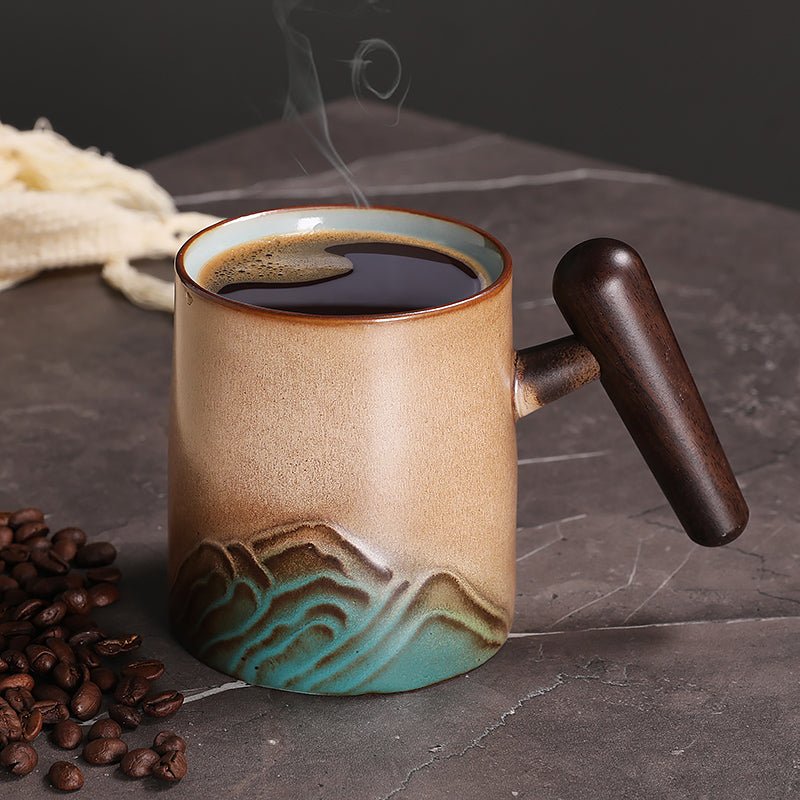
Big Tea Cup Buying Guide: Size, Material, and Daily Use
Reading time: about 9 minutes
What size actually counts as a big tea cup?
A big tea cup usually shows its value on a long morning or a slow desk afternoon. The first pour looks generous, the second refill is optional, and you do not feel as if you are constantly walking back to the kettle.
In practice, buyers use the term for several sizes. Some mean a roomy cup that still feels like a cup, while others mean something close to a small mug. The useful question is not only how much it holds, but how much you are comfortable lifting, washing, and storing every day.
We usually separate the range like this:
- 350ml to 450ml: a large everyday tea cup that still feels light in the hand.
- 450ml to 600ml: the sweet spot for desk tea, second pours, and longer sipping sessions.
- 600ml to 700ml: for buyers who want a very large cup and are fine with the extra weight and footprint.
The usable fill line matters more than the number printed on the page. A cup that is comfortable at 80 percent full is easier to live with than a larger vessel that feels awkward once it is actually filled. If you are still deciding on the upper end of the size range, our Large Tea Cup Buying Guide: What to Check Before You Buy goes deeper on capacity and shape.
Which material works best for daily tea?
Material changes the whole experience. It affects heat retention, weight, chip resistance, and even the sound the cup makes when you set it down on a kitchen counter. In our experience, most shoppers end up happiest with a glazed ceramic or stoneware cup because it balances comfort and durability without asking for much fuss.
| Material | What it feels like | Best for | Main trade-off |
|---|---|---|---|
| Ceramic | Usually smooth, familiar, and not too heavy | Everyday tea, desk use, gift buying | Can chip at the rim if handled roughly |
| Stoneware | Heavier and more solid in the hand | People who like a grounded, sturdy cup | Can feel bulky if you prefer a lighter cup |
| Porcelain | Refined, often thinner-walled, with a cleaner sip | Tea presentation and lighter drinking feel | Can feel delicate if you want a rugged daily cup |
| Glass | Lets you see color and steeping progress | Herbal tea, visible infusions, gift sets | Cools faster and can feel less forgiving in daily use |
| Stainless steel | Tough and travel-friendly | Out-of-home use or rough handling | Usually not microwave-safe and not ideal for a classic tea feel |
If your tea routine lives at a desk or kitchen table, glazed ceramic is usually the safest bet. If you want a cup that feels substantial and you do not mind extra weight, stoneware is worth a look. Porcelain works well for buyers who want a slightly more refined cup and do not need the heaviest build.
Glass is useful for showing the color of green, white, and herbal teas, but it is less forgiving if you want to keep tea hot for a long stretch. Stainless steel has its place, but it is not the right answer for every tea drinker, especially if you want a classic cup rather than a practical container.
What details should you check before you buy?
We check the same things over and over in our store because they are the details customers notice after the novelty wears off. Handle comfort, base stability, and glaze quality matter more than a polished product photo. A cup can look right online and still be annoying on a real kitchen counter if the handle is cramped or the base rocks.
Look for these details first:
- Handle clearance: make sure two or three fingers fit without touching the hot body of the cup.
- Base stability: a flat, even foot ring should sit without wobbling on a desk or tray.
- Rim feel: a slightly refined rim is pleasant; a rim that feels too thick or too sharp quickly becomes distracting.
- Glaze finish: check for even coverage, no rough patches inside the drinking area, and no pinholes where tea can stain more easily.
- Weight balance: a large tea cup should not feel top-heavy once it is full.
- Care label: confirm whether the cup is dishwasher-safe, microwave-safe, or only suitable for hand washing.
The common defect modes are usually modest, not dramatic. We see chipped rims, rough handle joins, glaze that pools too heavily near the foot, and the occasional hairline crack that is easy to miss if you do not inspect the cup closely. These are the kinds of issues that turn into frustration during everyday use, especially after a few dishwasher cycles.
A practical warning: dishwasher-safe does not mean indestructible. If a cup has metallic trim, delicate decals, or a very thin wall, it may need gentler care. Sudden temperature shifts are also a bad idea. Pouring boiling water into a cold cup can stress the body and glaze, which is one reason we prefer to warm a cup first when we are handling more delicate pieces.
Is a big tea cup better than a tea mug?
Sometimes yes, sometimes no. A big tea cup is a better fit if you want a more open shape, a lighter visual profile, and a drink that feels closer to traditional teaware. A tea mug is often better if you want more heat retention, a deeper body, or a shape that feels casual and easy to grip.
If you are comparing both, our Mug and Tea: How to Choose the Right Cup for Everyday Use and Tea Mug Buying Guide: How to Choose the Right Cup for Daily Tea are good next reads. They help separate the emotional preference from the daily-use reality.
Here is the simplest way to think about it:
- Choose a big tea cup if you care about aroma, presentation, and a relaxed sipping pace.
- Choose a tea mug if you want a more insulated feel and a shape that is less exposed at the top.
- Choose neither if you need spill resistance, a lid, or anything meant for commuting. A travel tumbler is the more sensible tool there.
A wide tea cup also cools faster because more surface area is exposed. That is not a flaw if you like to drink tea while it is still comfortable, but it is a real trade-off if you expect the last third of the cup to stay hot for a long time.
What is a big tea cup not good for?
A big tea cup is not the right answer for every tea routine, and that honesty matters. If you need to carry tea from room to room, pack it in a bag, or keep it hot for a very long stretch, a wide open cup will frustrate you. It is also not the easiest option for tiny cupboards or crowded dish racks.
It is a less comfortable choice for people with small hands if the handle is undersized or placed too close to the body. The extra volume also adds real weight once the cup is full, which can matter if you drink one-handed at a standing desk or while sorting mail in the kitchen.
There are a few cases where we would steer someone elsewhere:
- If you want your tea to stay hot for a long time, choose a more enclosed mug or an insulated cup.
- If you steep loose-leaf tea directly in the cup, make sure there is enough room for your infuser or basket. A very large cup is not automatically the best steeping vessel.
- If you need something for commuting, a lidded travel mug is a better purchase.
- If your cabinet space is tight, a smaller tea cup may be the smarter daily choice.
For buyers considering a very large format, our 700ml Cup Buying Guide: Size, Materials, and Daily Use is worth reading before you commit to the biggest size on the shelf. Big does not automatically mean better. It means better only if it fits your routine.
How do you choose the right one in our store?
We usually recommend starting with how the cup will actually be used. Morning tea at home, office desk refills, and gift purchases all reward different details. A gift can get away with a slightly larger cup if the shape is elegant; a daily desk cup needs balance and an easy handle more than it needs a dramatic silhouette.
In our store, we start with the same quick filter every time:
- Pick the capacity you will realistically fill, not the largest number that looks appealing.
- Check the handle with your hand in mind, especially if you drink hot tea and do not want your knuckles near the body.
- Look for a stable base if the cup will live on a desk, side table, or kitchen counter.
- Choose a finish you are willing to wash often, because tea leaves marks faster on some glazes than others.
- If this is a gift, prioritize a clean shape and a dependable feel over novelty size.
You can browse our current range at https://coffeifymug.com/products or view everything together in https://coffeifymug.com/collections/all. If you are comparing across the category, that is the fastest way to see which cups look right before you narrow down the final pick.
For shoppers who want more context around large formats, the related articles on our blog are useful too, especially if you are still deciding between a big tea cup, a mug, or a very large 700ml-style vessel.
Frequently asked questions
What size is a big tea cup?
Most shoppers mean somewhere between 350ml and 700ml, depending on how they drink tea. For everyday desk use, 450ml to 600ml is often the most practical range because it gives you a generous pour without becoming awkward to lift. The best size is the one you can fill comfortably and wash easily.
Is ceramic or stoneware better for a big tea cup?
Both work well, but they feel different in the hand. Ceramic is usually a little lighter and a bit more refined, while stoneware feels heavier and more solid. If you want a cup that feels sturdy on a desk, stoneware is a good fit; if you want something slightly lighter for repeated use, ceramic is often easier.
Can I put a big tea cup in the dishwasher and microwave?
Only if the maker says it is safe. Plain glazed ceramic and stoneware are often fine, but metallic trim, special decals, and some decorative finishes can change that. We also avoid extreme temperature shifts, because that is one of the quickest ways to stress a cup.
Is a big tea cup good for loose-leaf tea?
It can be, as long as the cup has enough room for an infuser or basket. A wide opening gives tea leaves space, but it also cools faster. If you use loose leaf every day, check the opening size and make sure the shape works with your steeping tool.
What is the main downside of a big tea cup?
The main downside is that it takes up more space and usually cools faster than a more enclosed mug. It can also feel heavy once filled, especially if the handle is small or the cup is tall. That is why we recommend it for home and desk use first, not for commuting.
If you want the simplest next step, compare capacity, handle clearance, base stability, and care instructions, then browse the current options in our all products collection to find a big tea cup that fits the way you actually drink tea.
More from our blog
Read more
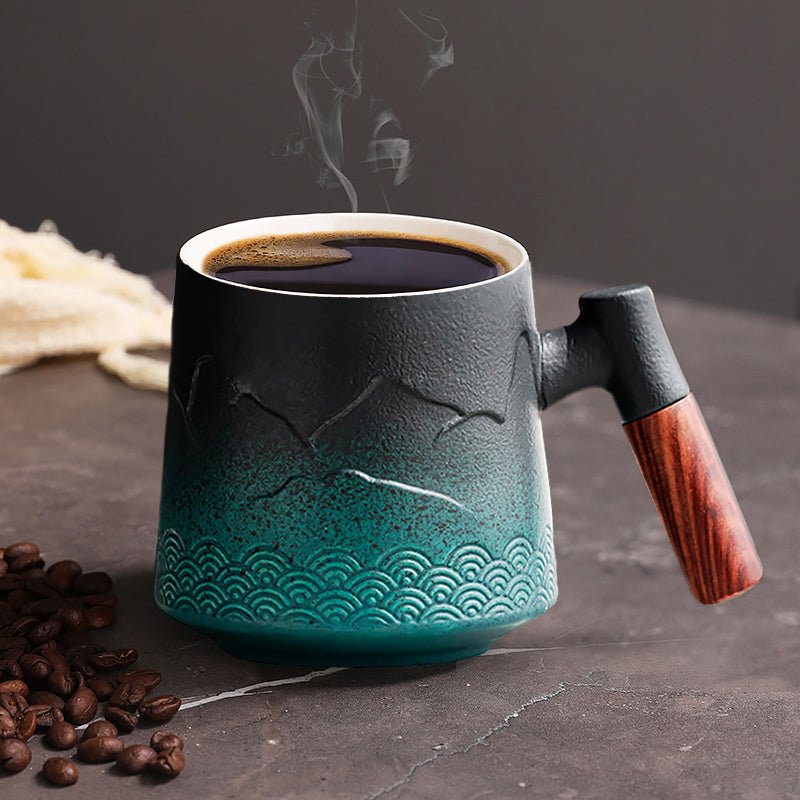
Wood Cups: What to Look for Before You Buy
Wood cups feel warm in the hand and look different on the counter, but the finish, size, and care instructions matter more than the grain pattern. We break down what to check before you buy so you ...
Read more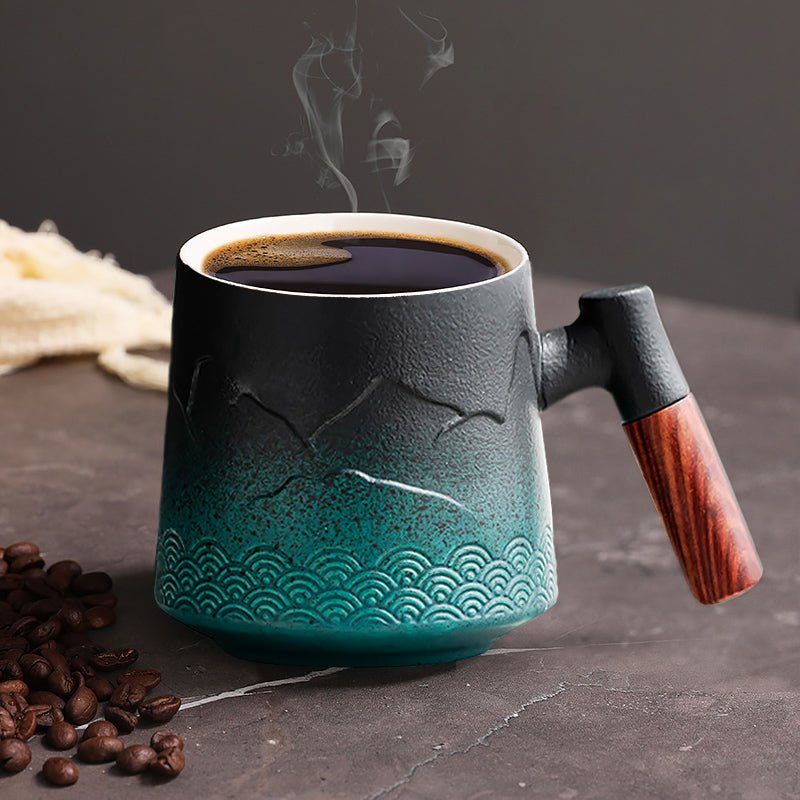
Mug Wood Buying Guide: Materials, Care, and What to Check
A practical guide to mug wood for shoppers comparing real trade-offs: feel, care, durability, and where wood works best. We also cover what to check before buying so you pick the right style for da...
Read more
Leave a comment
This site is protected by hCaptcha and the hCaptcha Privacy Policy and Terms of Service apply.