
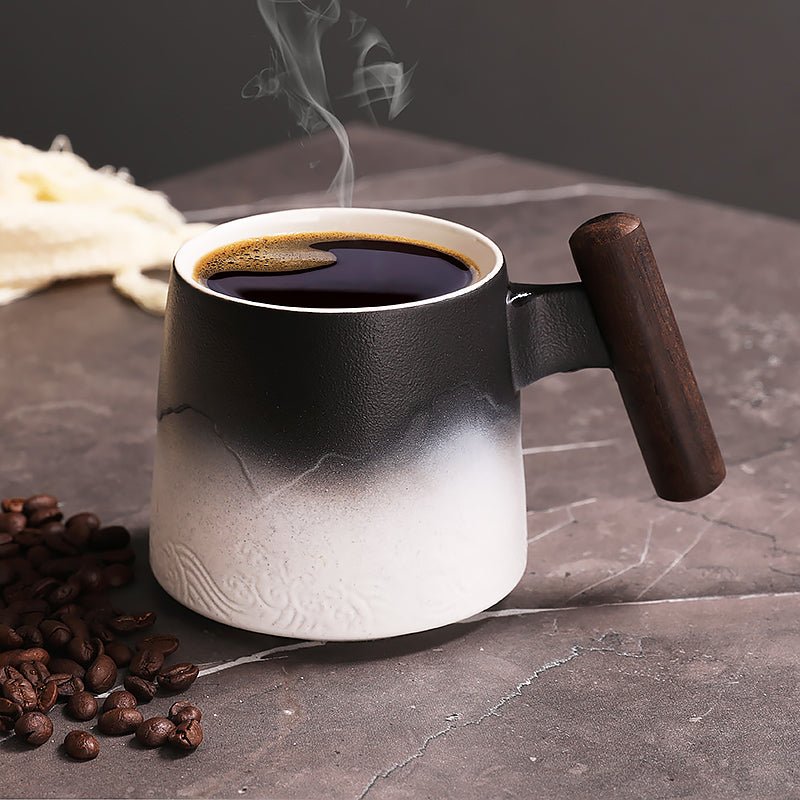
Best Heated Coffee Mug: What to Compare Before You Buy
Reading time: about 9 minutes
A heated coffee mug earns its keep at a desk, not on a product page. The real test is simple: does the coffee stay drinkable through a meeting, a few email replies, and a cold office morning without turning the cup into a cleanup project?
In our store, we look at these mugs the same way shoppers use them: on a kitchen counter before work, on a cluttered office desk, and as a gift someone opens without reading the manual first. That is why the best heated coffee mug is not just the one with the warmest spec sheet. It is the one that fits the cup you actually use, heats evenly, and stays easy to live with after the first week.
What should the best heated coffee mug do on a desk?
A good desk mug has a narrow job. It should keep a drink warm enough to sip comfortably, sit flat on the warmer, and stay easy to remove when you need to answer the phone or clear space for lunch. It should also reduce small annoyances. A lid that cuts down on surface cooling matters. So does a base that does not slide around under a keyboard cable.
We see the best results when the mug solves these everyday problems:
- It holds steady heat without pushing coffee into a burnt or bitter range.
- It sits level on the warming plate and does not rock when the desk moves.
- It has a handle or shape that feels natural to lift during a work break.
- It cleans quickly after coffee, tea, or cocoa.
- It does not demand special care every time you use it.
If you want a broader, use-case-first breakdown before buying, our Heated Coffee Mug Buying Guide for Desk Use and Daily Sips covers the basics we check before we add anything to the catalog.
Which mug materials and sizes fit daily use best?
Material and capacity shape the experience more than most shoppers expect. A ceramic mug tends to feel familiar and pleasant in the hand, but it can chip if it gets knocked into a sink or desk edge. Stainless steel is tougher and often better at holding temperature, but it can change the drinking feel and is not always the right match for a mug that is meant to sit and sip. Some heated mugs use a coated interior or a dedicated cup-and-base design, and the finish quality matters because a rough interior or a poor glaze can show wear faster.
Size is just as practical. A smaller cup warms faster and usually feels easier to balance on a desk warmer. A larger one gives you more coffee, but it can take longer to recover after each sip and may feel bulky in the hand. If you are comparing capacities, the size-specific guides for the 10 oz coffee mug, 12 oz coffee mug, 16 ounce coffee mug, and 20 oz coffee mug are a useful shortcut.
| Option | Best for | Trade-off |
|---|---|---|
| 10 oz to 12 oz mug | Short work sessions, espresso drinks, smaller pours | Less room for larger pours, but usually easier to heat and handle |
| 15 oz to 16 oz mug | Longer desk days and people who refill less often | Heavier in hand and slower to bring back to temp after a long pause |
| 20 oz mug | Big coffee pours or long meetings away from the kitchen | More desk space, more weight, and more heat to manage |
If the mug is for gifting, size matters even more. A 10 oz cup can feel refined and compact, while a 16 oz or 20 oz cup reads as a more substantial daily-use piece. If you are choosing for someone else, it helps to think about the drinks they already make instead of guessing from the photo.
Which heating features are worth paying for?
The best heating features are the ones that prevent frustration after week one. Adjustable temperature is useful if you like coffee at a lower sipping temperature, or if you drink tea and cocoa in the same mug. A single hot setting can be fine, but it is less forgiving. Some drinks need less heat than others, and milk-based drinks can feel harsh if the mug runs too hot.
Auto shutoff is another feature we value because it protects the mug from being left on all afternoon. A clear indicator light helps too, especially on a busy desk where it is easy to forget whether the warmer is live. A flat, stable heating surface matters more than flashy trim. If the base contact is poor, the mug may heat unevenly and leave you with a hot edge and a lukewarm center.
Here is the short version of what is worth checking before you buy:
- Temperature control: Better for black coffee, tea, and mixed drinks.
- Auto shutoff: Useful for office use and late work sessions.
- Lid fit: Helps reduce cooling and keeps splashes down when you move the mug.
- Base stability: Important if your desk gets bumped, shared, or crowded.
- Cord placement: Matters if the mug sits near a laptop, monitor stand, or notebook stack.
Not every feature is worth chasing. A long list of modes does not help if the mug does not sit properly on the heater or the finish starts to wear after a few wash cycles. We would rather see one or two controls that are clear and reliable than a crowded panel that nobody wants to learn.
How do we judge build quality before we list a mug?
We inspect heated mugs the same way shoppers use them in real life. We look for a cup that sits flat, lifts cleanly, and feels normal during a coffee break. That means checking the rim, the handle, the base contact, and the finish. It also means paying attention to the small defects that show up after repeated use, not just on day one.
In practice, we watch for these issues:
- Uneven seating on the warming plate, which can cause weak heating or wobble.
- Hairline glaze cracks or rough interior spots that become more visible after washing.
- Loose lids or poor-fitting covers that spill when the mug is moved across a desk.
- Weak cord strain relief or a base connection that feels flimsy after repeated plugging in.
- Decorative finishes that look good in photos but wear quickly under normal daily cleaning.
That is why we keep our catalog practical. If you want to browse what we currently carry, start at our products page or open the full collection. We treat gift unboxings, office use, and kitchen-counter testing as part of the same decision. A mug that feels solid in all three settings is usually the better buy.
Care matters too. If the manufacturer says the mug body is dishwasher-safe, that is useful. If not, hand-washing is the safer route. The base and electronics should never be soaked. Let the mug cool before washing so you are not stressing the finish with sudden temperature change, and wipe the warming base with a dry or lightly damp cloth only.
What should you avoid if you want one mug for work, home, and gifts?
The biggest mistake is buying a heated coffee mug for the wrong job. If you need something for commuting, a heated desk mug is usually the wrong format. It is also not the best choice for car cup holders, gym bags, or anyone who needs a seal that is built for movement. A desk warmer is meant for staying put.
There are a few other limits worth calling out. A heated mug is not ideal for people who want boiling-hot coffee at all times. It is also not the right answer if you only drink one quick cup and leave the desk right away. In those cases, a simple insulated mug may be a better fit. If your priority is carrying heat on the move, buy a travel tumbler first and a warmer second.
We also advise shoppers not to ignore the shape of the cup bottom. Rounded or heavily tapered bottoms can reduce contact with the warmer and create uneven heating. That problem shows up fast in daily use. The same goes for novelty handles, oversized bases, and finishes that look beautiful but are hard to wipe clean. A mug should make coffee easier, not become a desktop object you have to work around.
Frequently asked questions
How long does a heated coffee mug keep coffee warm?
It depends on the starting temperature, room temperature, whether the mug has a lid, and how well the cup fits the warmer. The more realistic question is whether it keeps coffee at a comfortable sip temperature through a meeting or work block. If you leave coffee unattended for long gaps, an insulated mug plus a warmer may be the better setup.
Can I put a heated coffee mug in the dishwasher?
Only if the manufacturer says the mug body is dishwasher-safe. The base and any electronics should never go in water. In our experience, hand-washing the cup and wiping the warmer is the safer daily routine, especially if the mug has a coated finish or printed details.
Is a 10 oz or 16 oz heated mug better?
A 10 oz mug is usually better if you pour smaller cups, want quicker warm-up, and prefer a lighter mug on the desk. A 16 oz mug is better if you drink more coffee at once or stay at your desk longer between refills. The trade-off is size and heat recovery: larger mugs can take longer to feel ready again after each sip.
Do heated mugs work for tea and hot chocolate?
Yes, but the right setting matters. Tea and cocoa can taste better at a lower, more stable temperature than black coffee, and milk-based drinks can feel harsh if the mug runs too hot. A lid is useful here because it slows surface cooling and reduces skin forming on cocoa.
What usually makes a heated coffee mug stop working?
Common failure points include poor base contact, worn cord strain relief, loose connectors, and internal heating failure. If the mug rocks on the warmer or the connection feels unstable, it is better to replace it than keep forcing it into daily use. We would also treat peeling finish or cracked glaze as a reason to retire the mug.
If you want the shortest path to a good choice, compare mug size first, then heating control, then cleaning. Start with our buying guide, check the size articles that match how much you drink, and then browse the full collection once you know whether you need a 10 oz, 12 oz, 16 oz, or 20 oz mug for your desk.
More from our blog
Read more
Stainless Steel Coffee Mug Insulated: What Buyers Should Check
A stainless steel coffee mug insulated should do more than keep coffee warm. We explain which build details matter, what to avoid, and how to choose a mug that fits desk use or travel.
Read more
Stain Steel Coffee Mug: What Buyers Should Check Before Ordering
A practical buying guide for shoppers comparing a stain steel coffee mug for daily use, office setups, or gifts. We break down size, insulation, lid fit, and care so you can choose with fewer surpr...
Read more
Leave a comment
This site is protected by hCaptcha and the hCaptcha Privacy Policy and Terms of Service apply.