
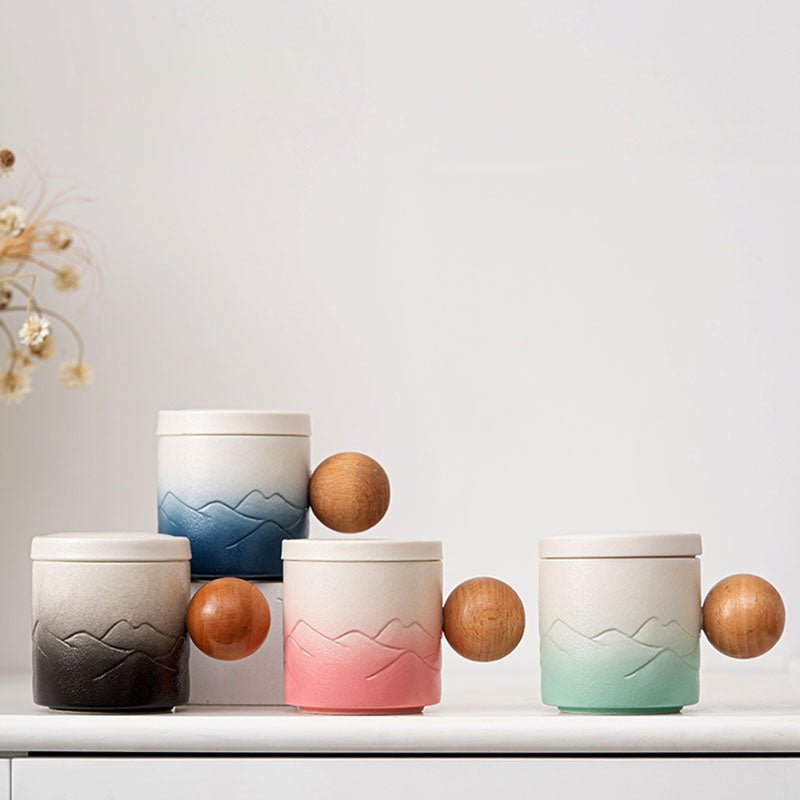
20 Ounce Coffee Mug Buying Guide for Fit, Heat, and Daily Use
Reading time: about 9 minutes
A full mug at a desk feels different from a smaller cup on the counter. The handle gets more important. So does the rim, the weight, and whether the mug still feels steady after a long pour of coffee, tea, or hot chocolate.
That is the real reason shoppers look for a 20 ounce coffee mug: they want fewer refills without moving into an oversized travel tumbler. In our store, we see buyers compare shape first, then material, then how the mug will actually live on a kitchen shelf, office desk, or gift tray.
If you are comparing styles, start with a few options from our collection, such as the Rhombus Coffee Tea Mug, the Handbag Coffee Tea Mug, and the White Golden Waves Tall Coffee Tea Mug. For a wider view of what is available, our full collection is the fastest place to compare forms, finishes, and styles in one place.
What makes a 20 ounce coffee mug different from a smaller mug?
A 20 ounce mug is built for volume, but the real difference is how that volume changes everyday use. A 12 or 15 ounce mug often disappears in your hand. A 20 ounce mug makes itself known immediately. It usually has a taller profile, a broader body, or both, and that affects storage, drinking comfort, and how much heat you feel through the wall of the mug.
For buyers, the main upside is simple: fewer refills. That matters if you work from home, keep a mug going through a long morning, or drink a larger latte-style pour. The trade-off is equally simple: more weight when full, more cabinet space, and sometimes a slower cool-down if the cup has thicker ceramic walls.
If you want a more compact feel, our related guides on a 12 ounce coffee mug or a 16 ounce coffee mug may help you decide whether you really need the extra capacity.
Which mug shape works best for a full 20 ounces?
Shape matters as much as capacity. Two mugs can both be 20 ounces and still feel completely different in the hand. We pay attention to four things when we evaluate them in our store:
- Body shape: Tall mugs save counter width, while rounder mugs often feel more stable and easier to sip from.
- Handle clearance: A handle needs room for gloved hands, larger fingers, or a comfortable two-finger grip.
- Rim comfort: A thinner, smooth rim usually feels better for daily drinking than a bulky edge.
- Base stability: A wider base helps reduce tipping, especially on crowded desks or uneven kitchen surfaces.
That is why a mug like the White Golden Waves Tall Coffee Tea Mug can work well for a customer who wants a more upright silhouette, while the Rhombus Coffee Tea Mug may appeal to someone who wants a more graphic, angular presence on the table. The Handbag Coffee Tea Mug leans more decorative and giftable, which can matter just as much as raw capacity.
For a deeper look at shape and fit, our article on 20 ounce coffee mugs: fit, shape, and buying guide covers the same sizing questions from a more detailed angle.
What material and finish should you check before buying?
For most shoppers, ceramic is the practical default. It feels substantial, keeps a drink warm for a reasonable stretch, and usually looks at home on a kitchen counter or office shelf. But not all ceramic mugs behave the same way. Glaze quality, wall thickness, and the way the handle is attached all affect day-to-day use.
Here is what we look for when we handle mugs in the store:
- Even glaze coverage: The finish should look consistent inside and out, with no rough spots where the lips meet the rim.
- Clean handle joins: The handle should blend into the body without obvious gaps, because weak joins are one of the common failure points on ceramic mugs.
- Balanced weight: A mug that feels too top-heavy can be annoying even if the capacity is right.
- Interior shape: A smoother interior is easier to rinse and less likely to trap coffee residue at the bottom curve.
We also tell shoppers to think about how the mug will be washed. If you expect frequent dishwasher cycles, a simpler shape with a durable glaze is usually a safer bet than a highly sculpted novelty body. Decorative mugs can still be excellent daily mugs, but they often ask for a little more care.
If you are comparing ceramic sizes more broadly, our 20 ounce ceramic coffee mug buying guide is a useful companion piece.
How do you know if a 20 ounce mug fits your daily routine?
The right mug depends on how you actually drink, not just what sounds convenient in theory. We see three common buyer profiles.
| Use case | What works well | What can be a problem |
|---|---|---|
| Desk coffee | Large capacity, stable base, comfortable handle | Too tall for low shelves or crowded keyboards |
| Morning latte or tea | Room for milk, foam, or a larger tea pour | Can get heavy once filled close to the top |
| Gift purchase | Distinctive shape and finish that looks intentional | Novel shapes may be less universal for daily use |
At our store, we often see a mismatch between the shopper and the mug. Someone buys a 20 ounce mug because they want less refilling, but they later discover they prefer a shorter cup that fits under a cabinet lip or single-serve machine. That is not a design flaw. It is a fit issue.
For people who want a cleaner size comparison before stepping up, a shorter read like 15 ounce coffee mug buying guide can make the differences easier to judge.
What are the common trade-offs with a 20 ounce coffee mug?
A bigger mug solves one problem and creates another. That is normal. A 20 ounce coffee mug is not the best choice for every buyer, and it should not pretend to be.
Here are the most common trade-offs we see:
- More capacity, more weight: A full mug can feel noticeably heavier than a 12 or 16 ounce option.
- Better for long drinks, worse for small servings: If you usually drink a short espresso-based beverage, the extra room may go unused.
- More presence on the table: A large mug looks bold, but it can crowd a small place setting.
- More forgiving for milk or add-ins: If you like cream, oat milk, cinnamon, or whipped toppings, the extra headroom helps.
That is why some shoppers should choose something else. If you want a mug for quick coffee breaks, a 12 or 15 ounce mug may be more comfortable. If your priority is a balanced all-purpose cup that still feels compact, a 16 ounce mug can be the better middle ground. We say that plainly because the wrong size creates regret fast.
How should you care for a large ceramic mug so it lasts?
Care is usually simple, but the details matter. A 20 ounce ceramic mug gets a lot of thermal movement: hot drink, rinse, wash, dry, repeat. Over time, that is where careless handling shows up.
In practice, we recommend a few habits:
- Wash off sugary drinks soon after use so residue does not harden along the lower curve.
- Avoid knocking the handle against sinks or drying racks, since the handle join takes repeated impact poorly.
- Check the rim and base for chips before stacking, because one chipped mug can scratch another.
- If the mug has a decorative exterior finish, avoid abrasive scrubbers that can dull the surface.
Common defect modes on ceramic mugs are usually straightforward: chips on the rim, hairline cracks near the handle, and glaze imperfections that become noticeable only after a few wash cycles. We inspect for those because they affect lifespan more than a pretty photo does.
Which 20 ounce mug should you pick first?
If you want a practical starting point, choose based on use case rather than style alone. A shape that feels right in the hand will matter more after the tenth refill than the first glance.
- Pick the most stable shape if you drink at a desk or near electronics.
- Pick the most comfortable handle if you carry a full mug across the room often.
- Pick the easiest finish to clean if you know the mug will see daily use.
- Pick the more decorative option if the mug is mainly for gifting or display.
If you want to browse the full range and compare styles side by side, start with our collection page. If you want more sizing context before deciding, the related guides on what buyers should check before ordering and 16 ounce coffee mug buying guide for size, fit, and daily use are good comparison points.
Frequently asked questions
Is a 20 ounce coffee mug too big for everyday use?
Not if you regularly drink large coffee or tea servings. It can feel oversized for short drinks, but for desk use, long mornings, or milk-based drinks, the extra capacity is often the point. If you prefer smaller portions, a 12 to 16 ounce mug may feel more natural.
Will a 20 ounce mug fit under a coffee machine or cabinet?
Sometimes, but not always. Tall mugs are the most likely to run into clearance issues under low cabinets, shelves, or single-serve machines. Measure the height you have available before buying, especially if the mug is meant for a specific coffee station.
Are large ceramic mugs harder to hold?
They can be, especially when filled near the top. The comfort of the handle matters more on a 20 ounce mug than on a smaller cup. A well-shaped handle and balanced body make a bigger difference than the label size alone.
Is a 20 ounce coffee mug good for tea and hot chocolate too?
Yes. The extra capacity works well for tea, cocoa, and drinks with milk or toppings. It is less useful for small espresso-style servings, where the mug can feel too large for the drink.
What should I check first before ordering a 20 ounce coffee mug?
Check the shape, handle comfort, and how you plan to wash it. Those three details affect daily satisfaction more than the photo on the product page. If you want the widest comparison, start with the mug styles in our collection and choose the one that fits your routine, not just the one that looks boldest.
If you are narrowing down your options, compare the handle shape, body height, and cleaning style first, then decide whether the best fit is one of our decorative pieces or a more straightforward daily mug from the full collection.
Read more
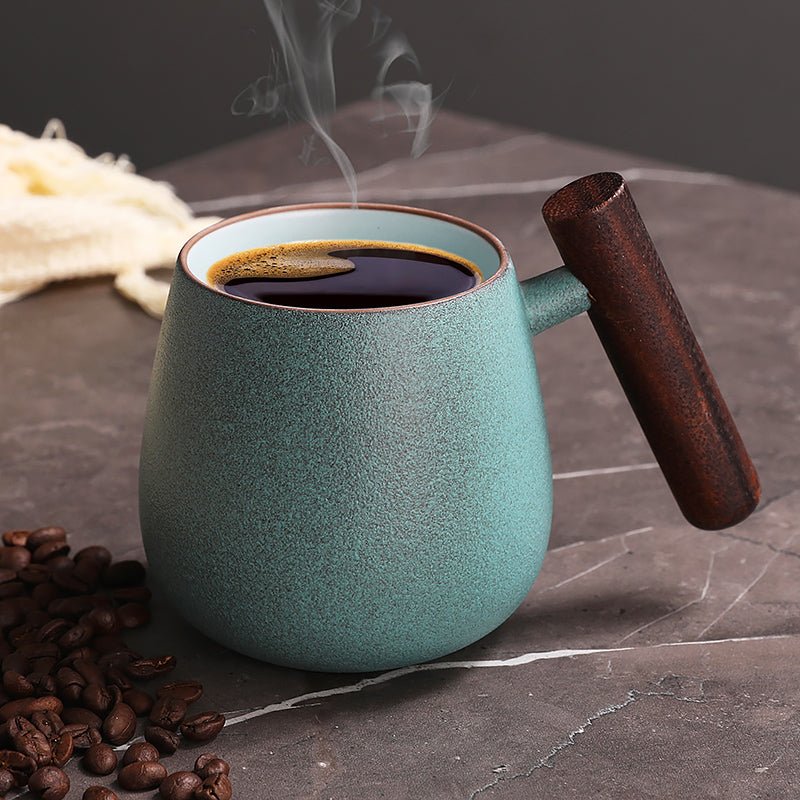
Rainbow Coffee Mug Buying Guide: What to Check Before You Buy
A rainbow coffee mug should do more than look bright on a shelf. We break down size, finish, durability, and which styles work best for daily coffee, desk use, and gifting.
Read more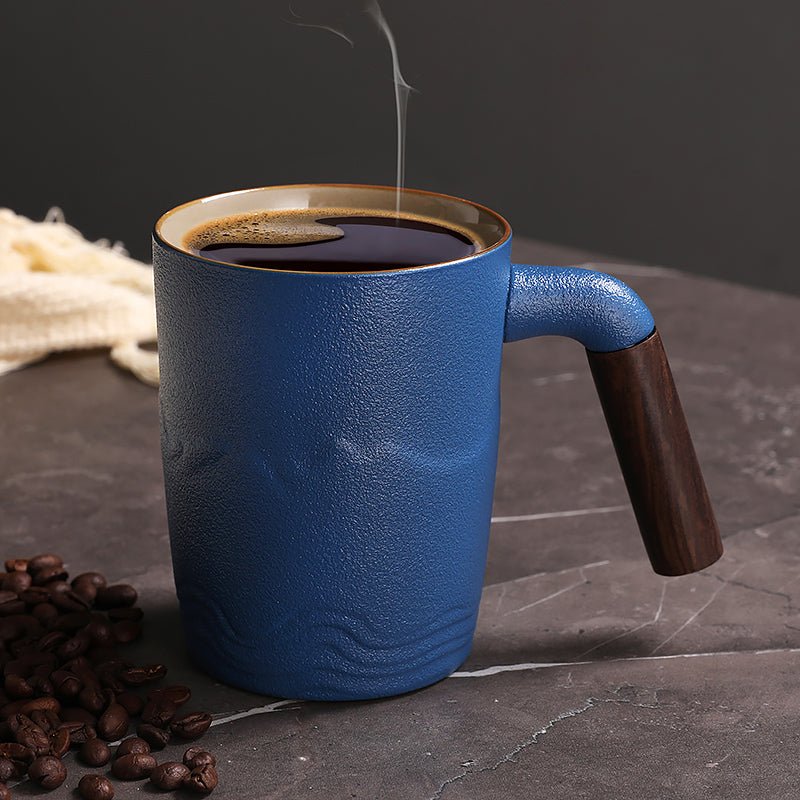
Summer Coffee Mugs: What to Buy for Iced Coffee, Patio Use, and Gifts
A practical guide to summer coffee mugs with real trade-offs on shape, size, and daily use. Compare options that work better for iced drinks, desk setups, and giftable summer refreshes.
Read more
Leave a comment
This site is protected by hCaptcha and the hCaptcha Privacy Policy and Terms of Service apply.