
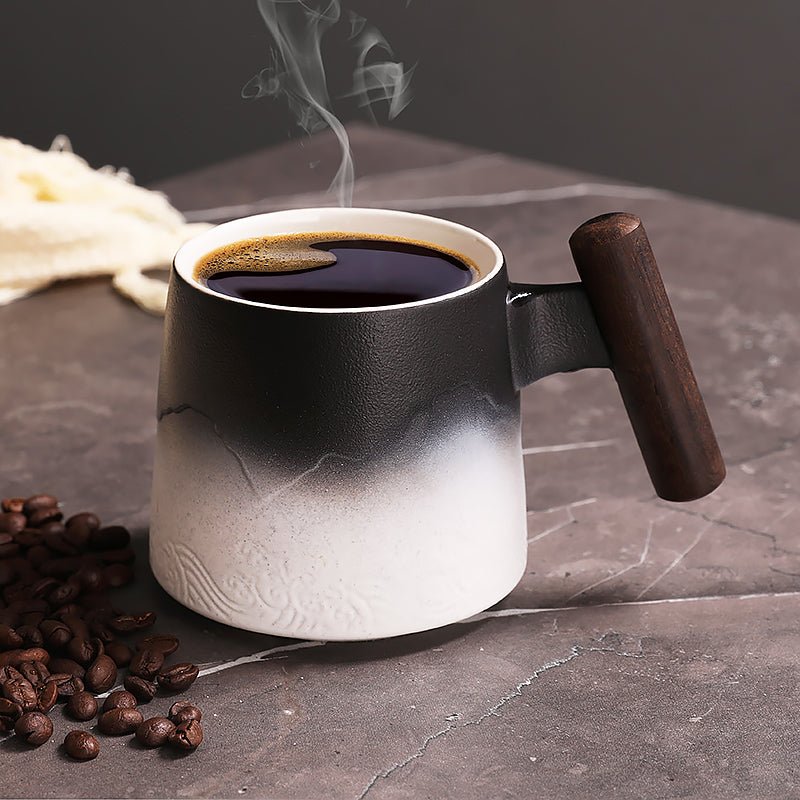
16 oz Coffee Mug: What Buyers Should Check Before They Buy
Reading time: about 8 minutes
What does a 16 oz coffee mug actually mean in daily use?
A 16 oz coffee mug solves a very specific problem: it gives you room for a full pour, a splash of milk, and a little breathing space, but it also shows you fast whether the handle is comfortable and the mug still fits your machine. In our store, this is the size many shoppers pick after realizing their 12 oz mug feels too small for a long morning cup, but a larger mug would crowd the shelf or the desk.
The number on the listing is only part of the story. A mug labeled 16 oz often holds that amount at the brim, not at a comfortable drinking line. Shape changes the experience too: a wider mug can feel lower and easier to sip from, while a taller mug can take up more cabinet space and feel less stable if the base is narrow.
If you are comparing sizes, our smaller-size guides like 10 oz Coffee Mug: Size, Fit, and What to Check Before You Buy and 12 oz Coffee Mug: Size, Fit, and What to Check Before Buying are useful for seeing where the jump to 16 oz starts to feel noticeable in the hand.
Is a 16 oz coffee mug the right size for your routine?
For a lot of buyers, yes. A 16 oz mug is a strong everyday size for drip coffee, americanos, tea, hot chocolate, and lattes with milk. It is also a practical office mug because it reduces the need to refill as often, which matters on a desk where you do not want to keep getting up.
We would not call it the best choice for everyone. It is usually not the best mug for espresso-only drinkers, for people with very small hands, or for setups with a low coffee machine clearance. If your mug has to slide under a drip tray or sit beside a compact single-serve machine, measure first.
There is a real trade-off here:
- A 16 oz mug gives you more room for milk, foam, or extra coffee.
- It can feel heavy when filled, especially if the walls are thick stoneware.
- It may not fit on narrow cabinet shelves as neatly as an 11 oz or 12 oz mug.
- It is less likely to feel cramped than a 10 oz mug during a long morning pour.
If you are stuck between sizes, our 15 oz Coffee Mug: Size, Fit, and What Buyers Should Check guide explains the small-but-real jump between mid-size mugs and a true 16 oz cup, while 20 oz Coffee Mug: What to Check Before You Buy is the better read if you usually pour large iced coffee or refill throughout the day.
Which materials make the biggest difference?
For a 16 oz coffee mug, material changes more than appearance. It affects heat retention, weight, chip resistance, and how the mug feels after a week of real use on a kitchen counter or office desk.
| Material | What it does well | Trade-off |
|---|---|---|
| Ceramic | Balanced weight, smooth drinking feel, common for everyday use, usually easy to clean | Can chip if it gets knocked against a sink, tray, or another mug |
| Stoneware | Heavier feel, solid in the hand, often holds heat a little longer because of thicker walls | Extra weight can matter when the mug is full |
| Porcelain | Cleaner lip feel, lighter in the hand, often a good gift option | Can feel more delicate and may show rim chips sooner |
We pay attention to more than the label. A smooth interior glaze matters because coffee oils settle into rough spots over time. A fully glazed foot ring helps in dishwasher cycles because it is less likely to hold water. And if a mug is printed, the quality of the finish around the graphic matters too; a good mug should not feel like the design is sitting on top of the cup in a way that wears off fast.
For gift purchases, we usually check the rim, the handle seam, and the base first. Those are the places where a mug either feels well made or looks rushed when someone opens the box.
What should you compare before you buy?
The best 16 oz coffee mug is not just about volume. It is about how the mug lives in your kitchen, your office, and your dishwasher.
- Handle clearance: A comfortable handle should give you enough room for at least two fingers, and three is better if you drink hot coffee without a sleeve.
- Base stability: A flat, even base helps the mug sit securely on a desk, nightstand, or kitchen island.
- Rim shape: A thinner, smooth rim usually feels better to sip from than a thick lip that catches coffee at the edge.
- Interior finish: A glossy, smooth interior is easier to rinse clean after espresso drinks, tea, or cocoa.
- Machine fit: Check the mug height against your coffee maker, cabinet shelf, and dishwasher rack.
- Care label: If you want low-effort daily use, make sure the mug is clearly suitable for your dishwasher and microwave habits.
If you want to compare current options across styles and sizes, start with our full mug collection or go straight to our current product page to see what we are offering now. That makes it easier to compare the shape in one place instead of relying on a single photo.
One practical note from our experience: a mug that looks perfect in a product photo can still feel wrong if the handle opening is tight or the body is too tall for your shelf. Those are the details that shoppers usually notice only after the first coffee.
What problems should you watch for after the mug arrives?
Real-world use is where a mug either proves itself or annoys you. We see the same few issues again and again.
- Rim chips: Often caused by stacking mugs too tightly or bumping them in a sink.
- Hairline glaze cracks: Sometimes called crazing; these can show up after repeated heat changes or a rough manufacturing run.
- Handle discomfort: A handle may look fine but still pinch the fingers when the mug is full.
- Heat transfer: Thin mugs can get hot quickly; thick mugs stay warm longer but feel heavier.
- Storage friction: A tall mug may not fit under a shelf, especially if the cabinet space is already tight.
We do not treat a 16 oz coffee mug as the answer for every setup. If you mostly drink espresso, want the lightest possible cup, or need a mug that disappears under a low machine, a smaller size is often smarter. That is why comparing sizes matters. A 16 oz mug is a good daily driver, not a universal one.
How should you care for a 16 oz coffee mug?
Daily care is simple, but the habits matter. A mug that gets treated roughly usually shows wear at the rim, base, or handle long before the rest of it looks tired.
- Rinse coffee or tea residue soon after use so stains do not settle into the glaze.
- Use the dishwasher only if the mug is rated for it, and place it where it will not knock into heavier dishes.
- Avoid sudden temperature swings, like moving a very hot mug straight into cold water.
- Do not stack mugs rim-to-rim if the finish is delicate or the glaze is thin.
- Dry the foot ring after washing if your cabinet storage area tends to trap moisture.
For printed mugs, a gentle sponge is usually the safer option than an aggressive scrubber. That matters for gift mugs too, because the first wash is often where a buyer notices whether the finish feels durable or fussy. If a mug is going to live on a breakroom shelf and go through frequent dishwasher cycles, practicality should win over decoration alone.
Frequently asked questions
Is a 16 oz coffee mug too big for daily drip coffee?
Not usually. For most people, 16 oz is a comfortable everyday size for drip coffee because it leaves room for milk or cream without filling to the brim. It can feel too large only if you prefer small servings or if the mug itself is very tall and heavy.
Will a 16 oz coffee mug fit under most coffee makers?
Some will, some will not. Fit depends on the mug height, handle shape, and the clearance under your machine or drip tray. If your setup is compact, measure before you buy rather than assuming a standard mug will fit.
What material is best for a 16 oz coffee mug if I use the dishwasher every day?
We usually point people toward a well-finished ceramic mug with a smooth glaze and a clearly stated care label. Stoneware can also work, but it is often heavier. The key is not just the material; it is whether the finish, handle, and base are built for repeated washing.
Should I choose 15 oz or 16 oz?
If you want a little more room without moving into oversized territory, 16 oz is the safer pick. If you prefer a mug that feels slightly more compact in the hand or on a desk, 15 oz can be the better fit. The difference sounds small, but it changes the feel once the mug is full.
What is the biggest mistake buyers make with a 16 oz mug?
They focus on the size label and ignore the handle, height, and base. A mug can be the right volume and still be awkward if it does not fit the shelf, the machine, or your hand. Those details matter more than a marketing photo.
If you want the easiest next step, compare handle clearance, mug height, material, and care instructions, then browse the full collection or check our current products for the styles we have available now. If you are still deciding, the 15 oz and 20 oz guides are the best side-by-side checks around this size.
More from our blog
Read more
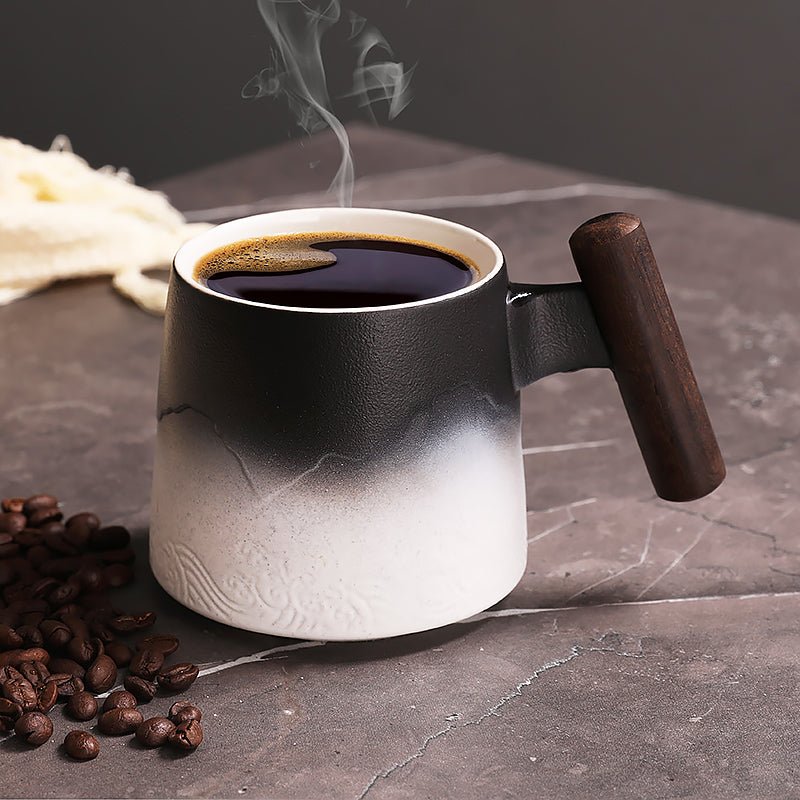
16 Ounce Coffee Mugs: Size, Materials, and Fit Guide
A practical guide to 16 ounce coffee mugs with real buying advice on material, handle comfort, daily use, and what to avoid if you want the wrong size less often.
Read more
Buffalo Bills Coffee Mug Buying Guide: Size, Print, and Care
A Buffalo Bills coffee mug should do more than show the logo. The right one needs a size that fits your pour, a print that holds up in the dishwasher, and a shape that feels good on a desk or game-...
Read more
Leave a comment
This site is protected by hCaptcha and the hCaptcha Privacy Policy and Terms of Service apply.