
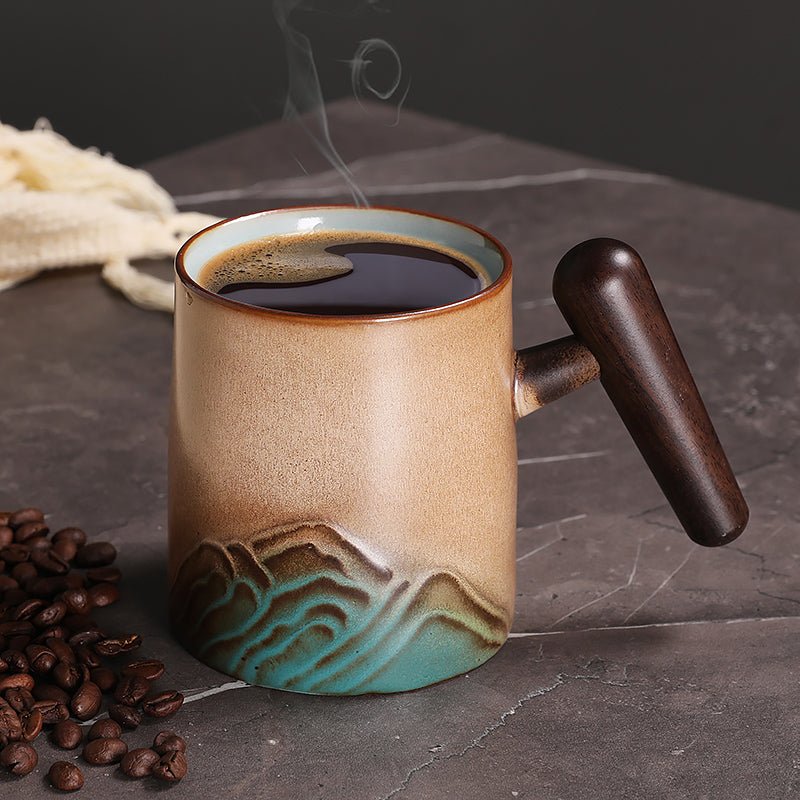
16 Ounce Coffee Mug Buyer’s Guide: Size, Material, and Fit
Reading time: about 9 minutes
A 16 ounce coffee mug sits in a useful middle zone. It is big enough for a real pour of drip coffee, tea, or hot chocolate, but not so oversized that it feels awkward on a desk or takes over a cabinet shelf. In our store, this is the size customers usually choose when they want one mug that can handle a full morning cup without jumping all the way to a travel tumbler.
The catch is that not every mug labeled 16 ounces feels the same in hand. Wall thickness, handle shape, base diameter, and whether the listed volume is filled to the brim all change how the mug actually behaves at the table. If you are comparing options, we recommend starting with the details that affect daily use, not just the number printed in the title. For a broader size comparison, our 16 oz Coffee Mugs: What to Check Before You Buy guide is a good companion read.
What does a 16 ounce coffee mug actually hold in real use?
Most buyers think of a 16 ounce coffee mug as a large standard mug, but the real usable fill level depends on the shape. A mug with a flared lip may seem roomy, while a straight-sided mug may hold the same amount in a more compact footprint. In practice, many people use a 16 ounce mug for a generous serving of drip coffee, a latte with some extra milk, or tea with room for cream and sugar.
We tell shoppers to think about working capacity, not just advertised capacity. A mug filled right to the rim is not comfortable to carry and is easy to spill. If you like a cleaner pour, leaving a little headspace matters more than chasing the maximum number on the product page.
- Good fit: drip coffee, tea, chai, cocoa, and larger home brews
- Less ideal: very small espresso drinks that would be lost in the cup
- Worth checking: whether the size is measured to the brim or to a practical fill line
Which material is best for a 16 ounce coffee mug?
Material changes the whole experience. We handle a lot of mugs, and the differences show up fast once you start using them every day on a kitchen counter, at an office desk, or after a dishwasher cycle.
| Material | What it feels like | Best for | Trade-off |
|---|---|---|---|
| Ceramic | Solid, familiar, often keeps heat well | Everyday home use, gifting, microwave-friendly routines | Can chip if knocked against a sink or another mug |
| Porcelain | Smoother and often a little lighter than stoneware | Cleaner, more refined look | May feel more delicate in hand |
| Stoneware | Heavier with a sturdier feel | People who want a substantial mug | Can be bulky in a small cabinet or dishwasher rack |
| Glass | Light and visually clean | Anyone who likes to see the drink | Usually not as forgiving with heat retention or accidental knocks |
For most shoppers, ceramic is the practical default. It is comfortable, easy to rinse, and usually fits common kitchen routines. Stoneware is better if you like a heavier mug that feels grounded in the hand. Glass looks nice, but it is not the best choice if you tend to grab your mug one-handed while answering emails or moving around the house.
One real limitation: if you use your mug in the microwave every day, check the finish and any metallic decoration. A pretty exterior is not worth much if the mug cannot handle your routine. We always advise buyers to check care notes before ordering from any store, including ours at our full collection.
How do handle shape and mug width affect comfort?
Handle comfort is one of the most overlooked parts of buying a 16 ounce coffee mug. A large mug can still be awkward if the handle opening is too tight for your fingers or if the mug’s weight pulls forward when full. That problem shows up quickly when someone carries it from the kitchen to a desk with one hand.
What we look at first is the grip. A comfortable handle should give your fingers enough room without forcing a squeeze. The mug should also feel balanced when lifted. If the base is too narrow for the body size, the mug can feel top-heavy when filled. That is not a dealbreaker for everyone, but it matters if you use a mug on the go around the house.
Common comfort checks we use in our store:
- Handle opening: enough space for two or three fingers without pinching
- Rim shape: smooth enough for easy sipping, not overly thick
- Base width: stable on a desk or counter, especially near laptop cords
- Body shape: wider mugs may cool faster, taller mugs may fit better on some shelves
If you are choosing between sizes, our related guides on 20 Ounce Coffee Mugs: What Buyers Should Check Before Ordering and 8 Ounce Coffee Mugs: What Buyers Should Check Before Ordering make the trade-offs clearer. A 20-ounce mug can be better for very long drinking sessions, while an 8-ounce mug works better for smaller servings or tighter cabinets.
Is a 16 ounce coffee mug the right size for your daily routine?
For many buyers, yes. A 16 ounce coffee mug is large enough for a full mug of coffee without feeling oversized. It is especially practical if you refill less often, use milk or creamer, or want a mug that can handle tea and cocoa as well as coffee. It also tends to feel at home in both the kitchen and the office.
That said, it is not the best choice for every use case. If you prefer small, concentrated drinks, a mug this size can make the drink feel diluted or too spread out. If you pack your mug into a car cup holder, most regular mugs will not work at all, no matter the capacity. In those cases, a travel tumbler is the better category entirely.
Here is the simple rule we use with shoppers:
- Choose 16 ounces if you like a generous home pour and want one mug that does most things well.
- Choose larger only if you often top off with more coffee or use a lot of milk and ice.
- Choose smaller if you want a stronger drink profile, less weight, or a mug that stays compact in the hand.
We see the best long-term satisfaction when the mug matches the buyer’s actual routine, not just the number on the page.
What should you check before buying one online?
Online mug shopping is mostly about avoiding surprises. A mug can look perfect in photos and still disappoint if it is too heavy, too wide for the shelf, or not suited to dishwasher use. That is why we always recommend checking the practical details first.
- Material and finish: ceramic, stoneware, porcelain, or glass; glossy finishes often show marks differently than matte ones
- Dimensions: height, rim width, and base diameter, not just ounces
- Care instructions: dishwasher safe, microwave safe, or hand wash only
- Handle size: especially important if you have larger hands or prefer a deeper grip
- Decoration method: printed graphics, glaze patterns, or embossed textures can wear differently over time
- Shape stability: a mug with a narrow base may not feel as steady on a cluttered desk
We also suggest checking for common defect modes that show up in everyday use: hairline glaze issues, rough spots on the rim, handles that feel slightly sharp where they join the body, and base rings that sit unevenly on a flat table. Those are the kinds of small flaws that turn into daily annoyances.
If you want to browse options after comparing the basics, our products page is the best place to start.
What kind of buyer should choose something other than a 16 ounce coffee mug?
A 16 ounce coffee mug is versatile, but versatility is not the same as perfect fit. If you mostly drink short espresso-based drinks, a smaller mug often feels better. If you regularly want a very large brew, a 20-ounce option may suit you more, and our 20 oz Coffee Mug: What to Check Before You Buy article covers those trade-offs in more detail.
We would also steer some buyers away from 16 ounces if:
- they need a cup that fits in a vehicle cup holder
- they want a very lightweight mug for commuting between rooms or offices
- they prefer a narrow, small-mouth mug that cools more slowly
- they dislike heavier ceramic or stoneware in the hand
That does not make the 16 ounce size a compromise in a bad way. It just means the right mug depends on the use case. Our experience selling drinkware is that buyers are happiest when they choose based on how they actually drink, not how they imagine the mug will look on a shelf.
How do you care for a 16 ounce coffee mug so it lasts?
Care is usually simple, but small habits make a difference. Most ceramic and stoneware mugs do well with normal washing, yet repeated knocks in a crowded sink can chip the rim or handle. If the mug is dishwasher safe, place it where it will not bang into heavier cookware. If it is hand wash only, rinse it soon after use so stains from coffee or tea do not set in.
A few practical care habits we recommend:
- Do not stack mugs too tightly unless the manufacturer says they are designed for it
- Let very hot drinks cool slightly before adding cold liquid, which can stress some materials
- Avoid abrasive scrubbers on printed or decorated surfaces
- Check the underside occasionally for rough wear that could scratch shelves
These are small things, but they matter if the mug is part of your every morning routine. A dependable mug should make the day easier, not add one more item to baby the whole time.
Frequently asked questions
Is a 16 ounce coffee mug too big for everyday coffee?
For many people, no. It is a comfortable everyday size if you like a fuller pour, add milk, or drink slowly over time. If you prefer a small, concentrated cup, it may feel larger than you need.
Will a 16 ounce coffee mug fit under a home coffee machine?
Sometimes, but not always. The answer depends on the mug height and the clearance under your machine’s spout or brew basket. Check the mug’s dimensions, not just the capacity.
Is ceramic or stoneware better for a 16 ounce coffee mug?
Ceramic is usually the easiest all-around choice for daily use. Stoneware feels heavier and sturdier, but it can also be bulkier and take up more space. The better pick depends on whether you prefer light comfort or a more substantial feel.
Can I use a 16 ounce coffee mug in the microwave and dishwasher?
Many can be used in both, but not all. Always check the care instructions for the specific mug, especially if it has metallic details, specialty glaze, or decorative printing. Those features can change how the mug should be cleaned and heated.
What is the main downside of a 16 ounce coffee mug?
The biggest downside is size for people who want a compact cup. It can feel too large for espresso-style drinks and may not suit travel use. If you need portability, a travel tumbler is usually the better category.
If you are comparing a few options, start with the size and care notes, then check the handle and dimensions against your cabinet or dishwasher space. After that, browse our full collection and pick the mug that fits your real routine, not just the photo.
More from our blog
Read more
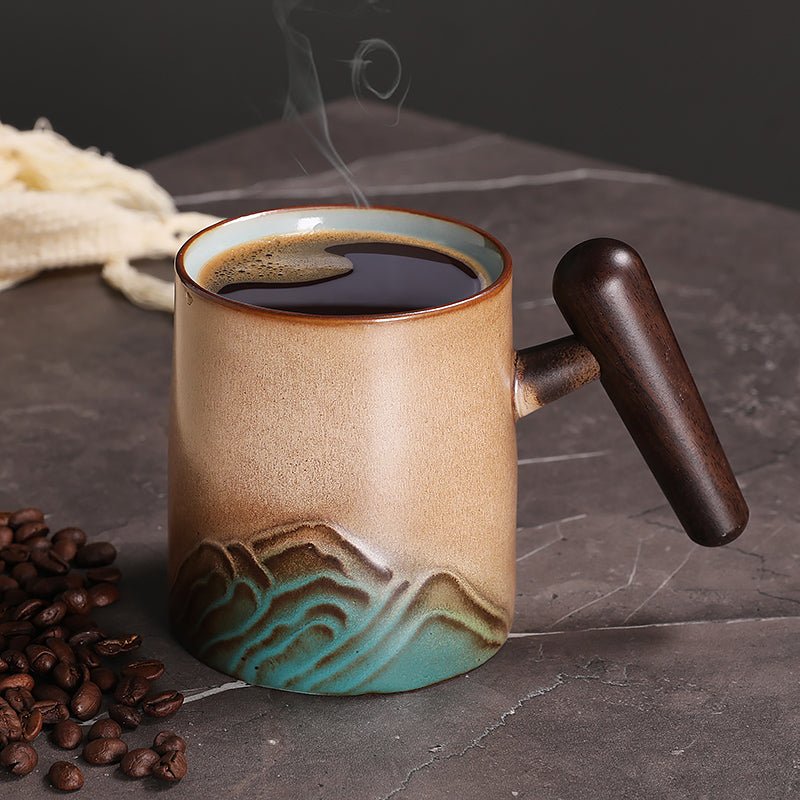
14 Ounce Coffee Mugs: Size, Fit, and Buying Guide
A practical guide to 14 ounce coffee mugs with size, material, and fit details that matter in daily use. We cover where this size works well, where it falls short, and what to check before you buy.
Read more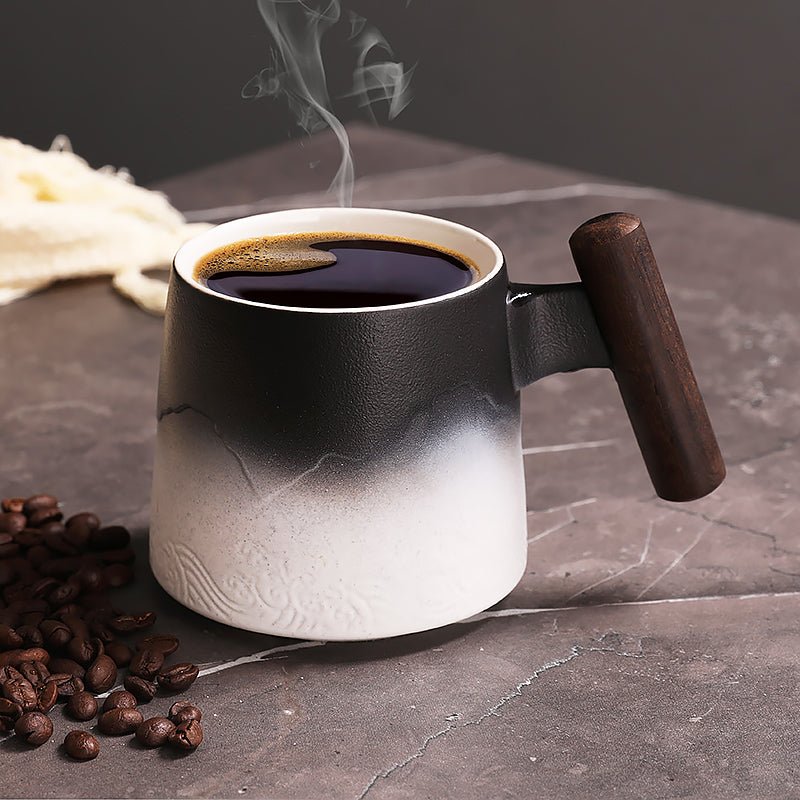
15 oz Coffee Mug: Size, Fit, and What Buyers Should Check
A practical guide to choosing a 15 oz coffee mug for daily coffee, tea, and desk use. We cover fit, handle comfort, material trade-offs, and when a smaller or larger mug makes more sense.
Read more
Leave a comment
This site is protected by hCaptcha and the hCaptcha Privacy Policy and Terms of Service apply.