
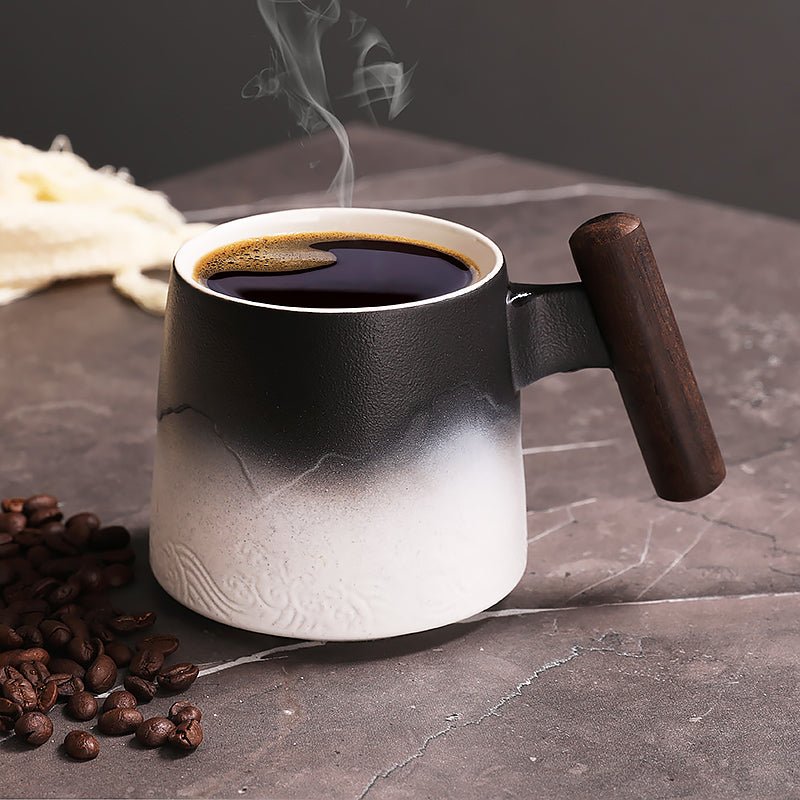
Yeti Coffee Mugs: What to Compare Before You Buy
Reading time: about 9 minutes
A mug that looks great on a product page can feel wrong the first morning you use it in a rush. The handle may crowd your fingers, the lid may click shut but still leak in a tote bag, or the cup may be too wide for the car cup holder you actually use.
That is why we compare yeti coffee mugs by real-life use first: desk coffee, school drop-off, commute coffee, and the kind of kitchen-counter mug that gets washed every night. In our store, we have seen buyers regret buying based on looks alone, especially when the mug is meant to replace an everyday favorite, not just sit in a cabinet.
If you are still narrowing the field, our broader collection of mugs and drinkware is a useful starting point. For shoppers comparing product details across styles, our products page is the fastest way to see what is available now.
What makes yeti coffee mugs different from a regular mug?
The main difference is insulation. A standard ceramic mug is built for the table or desk, while a Yeti-style insulated mug is meant to hold heat longer and reduce temperature swings during a slow morning. That matters if you actually sip over an hour or more.
There is a trade-off, though. Insulated mugs usually weigh more than a basic ceramic cup, and the thicker walls can make the mug feel less elegant in hand. They can also take up more space in a cabinet or dishwasher rack. If you mainly drink coffee at home and finish it quickly, a classic ceramic mug may be the better fit.
For buyers deciding between smaller and larger everyday mugs, our related guides on 12 oz coffee mugs and 16 oz coffee mugs are helpful because size affects both heat retention and how comfortable the mug feels in the hand.
Which size should you choose for your coffee routine?
Size is where most buyers get tripped up. A mug can be labeled generously and still feel awkward once you add cream, foam, or a long-spouted travel lid. We recommend choosing based on how you actually drink, not on the biggest number on the listing.
| Common size | Best for | Watch for |
|---|---|---|
| 12 oz | Smaller pours, shorter coffee breaks, lighter carry | May feel tight if you add a lot of milk or use a large pour-over |
| 16 oz | Most everyday coffee drinkers, office desks, drip coffee | Can be bulkier in a car holder or crowded cabinet |
| 20 oz | Long mornings, iced coffee, extra room for add-ins | Heavier when full; not ideal if you prefer a compact mug |
For larger pours, our buyer guide on 20 ounce coffee mugs and the broader large capacity coffee mug guide can help you avoid the most common sizing mistakes. A bigger mug is not automatically better. If the handle is too small or the base is too wide, the extra ounces can become a daily annoyance.
What should you check in the lid and sip opening?
The lid is where many insulated mugs either feel excellent or fall apart. We test for three things: how securely it seals, how easy it is to clean, and how the sip opening behaves while walking or driving. A lid that feels firm on the counter can still drip if it has a poorly seated gasket or a slider that does not fully close.
Here is what we tell shoppers to inspect before buying:
- Seal design: Look for a lid that sits evenly and does not wobble once locked in place.
- Opening size: A narrow sip opening keeps splashes down, but it can cool coffee more slowly and may be awkward for thicker drinks.
- Cleaning access: If the lid has hidden channels, corners, or a gasket you cannot remove easily, daily cleanup becomes frustrating.
- One-handed use: If you commute, a simple slide or press lid is usually easier than a lid that requires two hands.
We see the same complaint repeatedly in real use: the lid works fine for one week, then coffee oils build up in the seams. That is why easy disassembly matters as much as leak resistance. A travel-ready mug should not require special tools or a long soak every night.
Are yeti coffee mugs better for home, office, or travel?
The honest answer is that they can work in all three places, but not equally well in every setting. At home, the biggest advantage is temperature stability. On an office desk, the mug reduces the need for reheating. In the car, the shape and lid matter more than brand name or color.
For home use, comfort and dishwasher access often matter most. For office use, choose a mug that fits under a coffee machine and does not clang loudly on a desk. For travel, check whether the base fits your cup holder before you buy. A slightly tapered body can be more useful than a straight-sided one if you drive often.
If you are comparing mug styles beyond insulated drinkware, our article on Amazon coffee mugs is useful for weighing everyday materials, and our post on amusing coffee mugs is a reminder that a funny mug still needs to be practical if you want it used regularly.
Which materials and finishes hold up best in daily use?
For this category, stainless steel is the material most buyers are usually evaluating, especially for insulated mugs. It is durable, easy to wipe down, and less fragile than ceramic if it gets knocked off a counter. That said, it can show cosmetic wear over time, especially on painted finishes or powder-coated surfaces.
Here are the details we look at in our store when comparing mugs:
- Body material: Double-wall stainless steel is common for heat retention and durability.
- Interior finish: A smooth interior is easier to rinse and less likely to hold coffee odor.
- Exterior coating: Powder-coated finishes can feel better in hand, but they can scuff if tossed into a bag with keys.
- Handle comfort: A good handle should leave enough space for larger fingers and still feel balanced when the mug is full.
Ceramic still has its place. If you mainly drink at a kitchen table and want a more traditional feel, ceramic is more pleasant for short sessions and often better for microwave use, depending on the mug. Insulated steel is not the right choice if you want to reheat coffee in the microwave. That is a real limitation, not a minor one.
How do you clean and care for them without shortening the lifespan?
Care is where buyers can protect their purchase. The mug body and the lid do not age the same way, and they should not always be treated the same way. We recommend checking the care instructions before ordering, then building a simple routine around them.
- Rinse the mug soon after use so coffee oils do not dry inside.
- Wash the lid separately if it has a gasket or sliding cover.
- Let all parts dry fully before reassembling to avoid trapped moisture.
- Avoid abrasive scrubbers on coated exteriors if you want the finish to look good longer.
Some buyers assume dishwasher-safe means maintenance-free. It does not. High heat and repeated cycles can still wear on seals, printing, or coatings over time. If you are the kind of shopper who leaves a mug in the car overnight or forgets it on a desk all weekend, choose a design that is easier to inspect and clean than one with complex lid parts.
What problems do we see most often with coffee mugs in this category?
In our experience, the common issues are not dramatic failures. They are small annoyances that pile up. A lid that is slightly harder to align after a few weeks. A body that is a little too wide for a bag pocket. A handle that feels fine empty but awkward when filled to the brim.
The most common defect modes buyers should watch for are:
- Seal wear: Gaskets that loosen or collect residue.
- Finish wear: Chips, scratches, or scuffs on coated exteriors.
- Fit issues: Lids that do not sit flush or bases that do not fit cup holders.
- Comfort mismatch: A handle or rim shape that feels wrong after repeated use.
These are the details that separate a mug that stays in rotation from one that gets pushed to the back of the cabinet. A mug can look excellent in photos and still be the wrong daily tool for your routine.
Frequently asked questions
Do yeti coffee mugs keep coffee hot long enough for a slow morning?
Usually, yes, if you are looking for a mug that holds heat better than a standard ceramic cup. They are a good fit for people who sip slowly at a desk or spend time doing errands before finishing the drink. If you want microwave reheating, though, stainless insulated mugs are not the right choice.
Are yeti coffee mugs dishwasher safe?
Some are, but you should still check the specific care instructions for the body and lid. Even when dishwasher-safe, repeated high-heat cycles can wear seals and finishes over time. We still recommend rinsing them promptly and separating the lid pieces when possible.
Which size is best for everyday coffee use?
For most buyers, 16 oz is the most flexible starting point because it handles a normal pour with room for milk or cream. If you drink smaller servings, 12 oz may feel better in hand. If you tend to make larger pours or iced coffee, 20 oz can be the better match.
Are yeti coffee mugs good for car cup holders?
Some are, but not all. Cup holder fit depends on the base diameter and the shape of the lower body, not just the ounce size. If you drive often, compare the width carefully before ordering.
What should I buy if I only need a mug for the office desk?
Choose the mug that balances heat retention with easy cleaning and a comfortable lid. For desk use, a travel-style lid can be useful, but a simple insulated mug without too many moving parts is often easier to live with day after day. If you want more options, our products page makes it easy to compare what we currently carry.
What should you compare before you order?
If you are ready to choose, we would compare these five things in order: size, lid type, cup holder fit, cleaning effort, and how the mug feels full rather than empty. That order matters. A pretty mug that leaks or feels awkward after the first week is not a good buy.
For a final check, use this quick comparison:
- Will it fit your desk, cabinet, or car?
- Do you want a simple daily mug or a travel-ready one?
- Is the lid easy to remove and clean?
- Does the size match your normal pour, not your occasional one?
- Are you okay with a heavier feel in exchange for better insulation?
If you are comparing options right now, start with our current mug collection, then use the size and lid questions above to narrow the choice quickly. That is the fastest way to avoid a mug that looks right but lives in the cabinet instead of on the counter.
More from our blog
Read more
Stanley Coffee Travel Mug: What Buyers Should Check Before Ordering
A practical buyer’s guide to the Stanley coffee travel mug, focused on lid design, size, insulation, and everyday use. We break down where it works well, where it falls short, and what to compare b...
En savoir plus
Nice Coffee Travel Mugs: What to Look for Before You Buy
A practical guide to choosing nice coffee travel mugs that feel good in hand, seal well in a bag, and hold up to daily use. We cover the trade-offs shoppers should compare before buying.
En savoir plus
Laisser un commentaire
Ce site est protégé par hCaptcha, et la Politique de confidentialité et les Conditions de service de hCaptcha s’appliquent.