
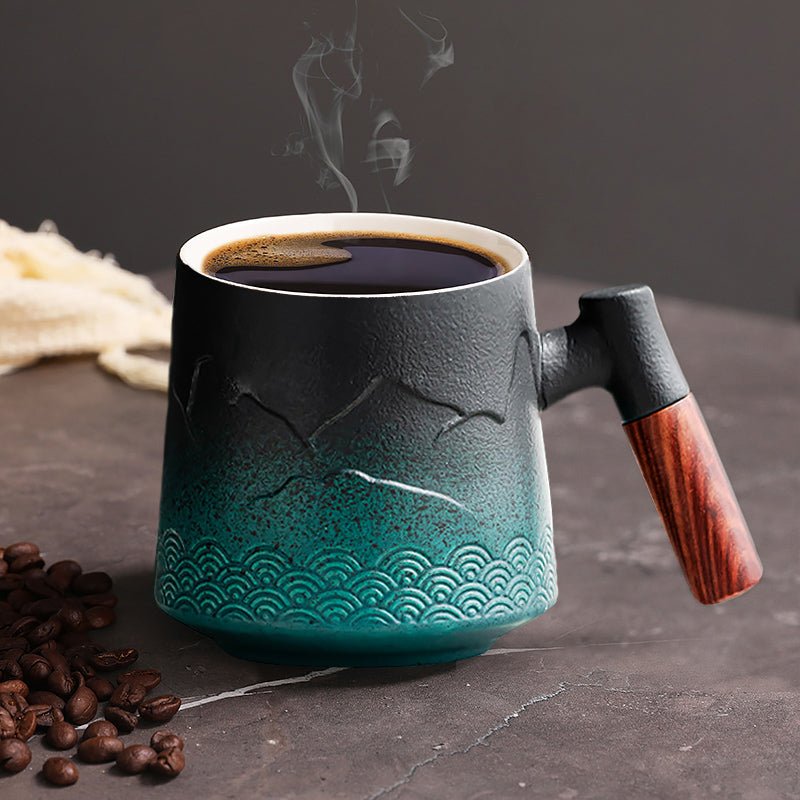
Wooden Mugs: What to Check Before Buying for Daily Use
Reading time: about 8 minutes
A mug with a wooden handle feels right on a cold morning desk, but the details decide whether it stays a favorite or becomes the one you stop reaching for. In our store, we see buyers care less about trend and more about grip comfort, cleaning, and whether the mug still feels good after a few weeks of real use.
That is why we treat wooden mugs as a practical buying decision, not just a style choice. If you want to compare our current options, start with the Mountain Sea II Coffee Tea Mug with Wooden Handle and The Cloud Coffee Tea Mug Wooden Handle, then scan the rest of our full collection if you want to compare other shapes and finishes side by side.
What do buyers usually mean by wooden mugs?
Most shoppers use wooden mugs to describe one of two things. Some mean a mug made mostly from wood. Others mean a mug with a wooden handle or a wood-accented grip. Those are not the same product, and the difference matters for heat, cleaning, and long-term wear.
Solid wooden drinkware has a different feel and a different maintenance routine. It can be beautiful, but it also asks more from the owner. A wooden-handle mug is usually the more practical daily-use choice because the mug body can still do the heavy lifting of holding hot coffee or tea while the handle adds the visual and tactile warmth people want.
That is the frame we use when we talk about this category. If you are shopping for everyday coffee, you want something that looks natural but still behaves like a normal mug on a kitchen counter, office desk, or gift table.
Are wooden mugs practical for daily coffee?
Yes, but only if the construction matches your routine. A good wooden-handle mug should feel stable in the hand, stay comfortable to hold, and be easy to rinse and dry. The wooden part should add grip and warmth, not create extra work every time you wash the mug.
The practical upside is simple:
- The handle can feel less cold than bare metal or stoneware in a winter kitchen.
- The mug usually looks better on an open shelf or office desk than a plain utility cup.
- The grip can feel easier for people who prefer a slightly fuller handle shape.
The trade-offs are real too. Wooden accents are not ideal if you want to toss everything into the dishwasher without thinking. They are also a poor fit for people who leave mugs soaking in the sink for long stretches. If the handle is real wood, repeated soaking can dull the finish, raise the grain, or leave the surface looking tired faster than the mug body itself.
That is why we steer buyers toward wooden mugs only when they actually want the look and are willing to give the handle basic care. If you want a mug that lives in the dishwasher or microwave every day, a simpler all-ceramic mug may be the better call.
What should you check before ordering?
Before you buy any wooden mug, inspect the same details we look at when deciding what to stock. A pretty photo is not enough.
- Handle attachment: the handle should look aligned and secure, with no visible wobble points or rough glue lines where your fingers will land.
- Wood finish: the handle should feel smooth, not dry or splintery. If the wood is unfinished or only lightly sealed, expect more upkeep.
- Mug body material: ceramic, stoneware, and similar bodies behave differently from full wood. The body material tells you how well the mug handles heat and routine washing.
- Interior glaze: the inside should be easy to rinse clean. Small glaze flaws, pinholes, or rough edges can trap residue over time.
- Daily-use size: check whether the mug matches the amount you actually pour, not the amount you wish you drank.
The most common defect modes in this category are not dramatic. They are the small things that annoy you later: a handle that feels rough at the thumb rest, a finish that darkens after a few washes, a cup that looks larger online than it feels in the hand, or a handle joint that never looks quite finished. Those are the details that separate a display mug from a daily-use mug.
If you want a fuller pre-order checklist, our article on Wooden Mugs: What Buyers Should Check Before Ordering breaks down the same buying points in more detail.
Which mug size works best for your routine?
Size is where many wooden mugs get misread. A mug can look compact in a product photo and still feel oversized on a desk, or look delicate and turn out too small for a full morning pour. We see this most often with buyers choosing between a smaller everyday cup and a larger tea or drip coffee mug.
For many people, the right choice comes down to how they actually drink:
- Smaller pours: if you refill often or drink espresso-based drinks with a small top-up, a compact mug is easier to live with.
- Standard drip coffee: this is the most common daily-use zone, and it usually benefits from a mug that does not feel cramped once cream or milk is added.
- Tea or larger morning coffee: if you want one mug to carry you through a longer session, a larger capacity usually makes more sense.
If you are trying to choose between size families, our guides on 12 oz Coffee Mugs: How to Choose the Right Mug for Daily Use and 16 oz Coffee Mugs: How to Choose the Right Mug for Daily Use are useful comparisons. The short version: 12 oz tends to suit smaller daily pours and tighter cabinet space, while 16 oz gives you more room for milk, tea, or a bigger refill-free cup.
| Buyer need | What to check | Better fit |
|---|---|---|
| Desk coffee | Comfortable handle, stable base, easy one-handed lift | Balanced mug that does not feel bulky |
| Kitchen shelf display | Finish quality, color consistency, handle shape | More decorative wooden-handle style |
| Gift order | Universal size, easy care instructions, clean presentation | Simple, low-fuss mug with clear use case |
| Frequent washing | Sealed wood, durable body material, no rough edges | Wood-accent mug with straightforward care |
How do our wooden-handle mugs compare?
We keep the comparison simple. Mountain Sea II and The Cloud both fit the wooden-mug buyer who wants a practical cup with a natural-looking handle, but they appeal to slightly different tastes. One may read as a stronger statement piece, while the other feels quieter and easier to drop into a minimal kitchen setup.
If you are buying for yourself, think about where the mug will live. A kitchen counter with open shelving can handle a more distinctive look. A shared office kitchen usually works better with a calmer design that does not dominate the space. A gift order should lean toward the safer, more universal option unless you know the recipient likes bolder tableware.
For shoppers comparing styles rather than just one product, the full collection is the fastest way to judge what feels right next to other mug shapes, handle styles, and daily-use formats.
How should you care for a wooden handle?
Wood needs a little more respect than ceramic, but the routine is not difficult. The goal is to keep the handle dry, clean, and smooth.
- Wash by hand unless the product page specifically says otherwise.
- Do not leave the mug soaking in water for long periods.
- Dry the wooden handle right after washing, especially around the joint where the handle meets the body.
- Use a soft sponge instead of abrasive scrubbers that can dull the finish.
- If the handle ever feels dry, rough, or grippy in a bad way, stop and assess before the finish gets worse.
These care habits matter because the failure pattern is usually gradual. The handle does not usually break on day one. It gets dull, then slightly rough, then harder to keep clean-looking. That is why wooden mugs are best for buyers who want a little maintenance in exchange for a better tactile feel.
They are not the best choice for someone who wants a mug to cycle through the dishwasher every night or live in a microwave without thought. If that is your routine, a plain ceramic mug will usually suit you better.
Frequently asked questions
Are wooden mugs dishwasher safe?
Not by default. If the mug has a real wooden handle, hand washing is the safer routine unless the product page explicitly says the construction can handle the dishwasher. Repeated hot cycles and long exposure to water can wear the finish faster.
Can I put hot coffee in a wooden mug?
Yes, as long as the mug body is designed for hot drinks. Most buyers use wooden-handle mugs for coffee, tea, or other hot beverages every day. The part to watch is the handle finish and overall construction, not the fact that the drink is hot.
What is the difference between wooden mugs and mugs with wooden handles?
A true wooden mug is made mostly or entirely from wood, while a wooden-handle mug usually has a ceramic or stoneware body with a wood accent. The second type is usually easier to maintain for daily use and more familiar if you want a normal coffee mug feel.
Are wooden mugs good as gifts?
Yes, especially if the person likes natural materials or thoughtful kitchen pieces. They work best when the design is clean and the care routine is easy to explain. For someone who wants zero maintenance, a standard ceramic mug may be a safer gift.
How do I clean a wooden handle without damaging it?
Use mild soap, warm water, and a soft sponge, then dry the handle right away. Avoid soaking and avoid harsh scrubbers. If the handle has a protective finish, keeping it dry and clean is the best way to preserve it.
If you are ready to compare options, use this short checklist: handle comfort, body material, care routine, and the size you actually drink from every day. Then browse our collection and compare Mountain Sea II with The Cloud against your own kitchen routine, not just the product photo.
Read more
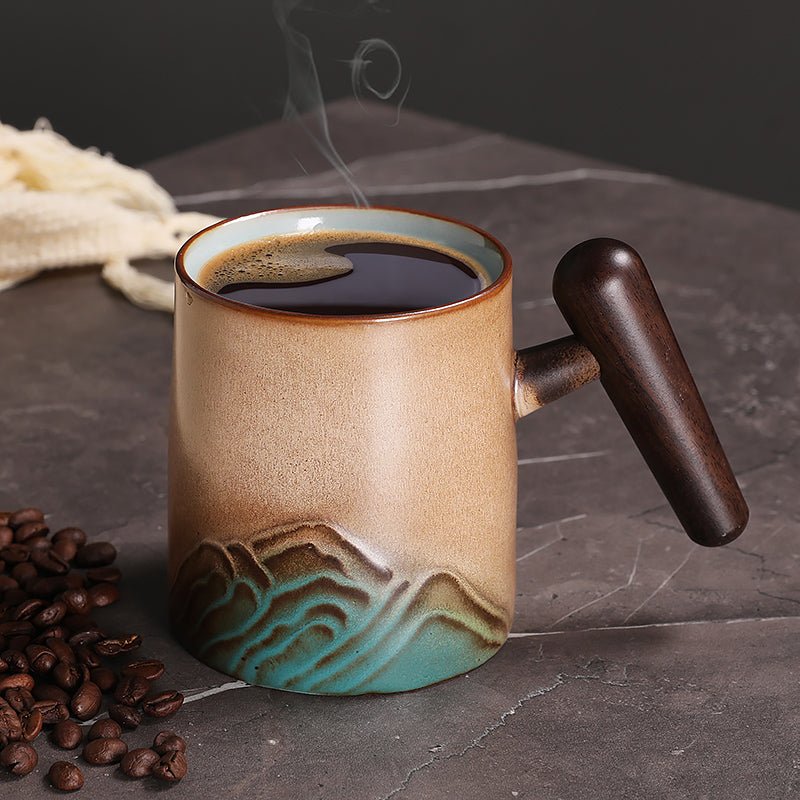
Large Coffe Mugs: What to Check Before You Buy
Practical guidance for shoppers comparing large coffe mugs: how shape, handle feel, and care affect daily use, plus which CoffeifyMug styles fit coffee, tea, and desk routines best.
En savoir plus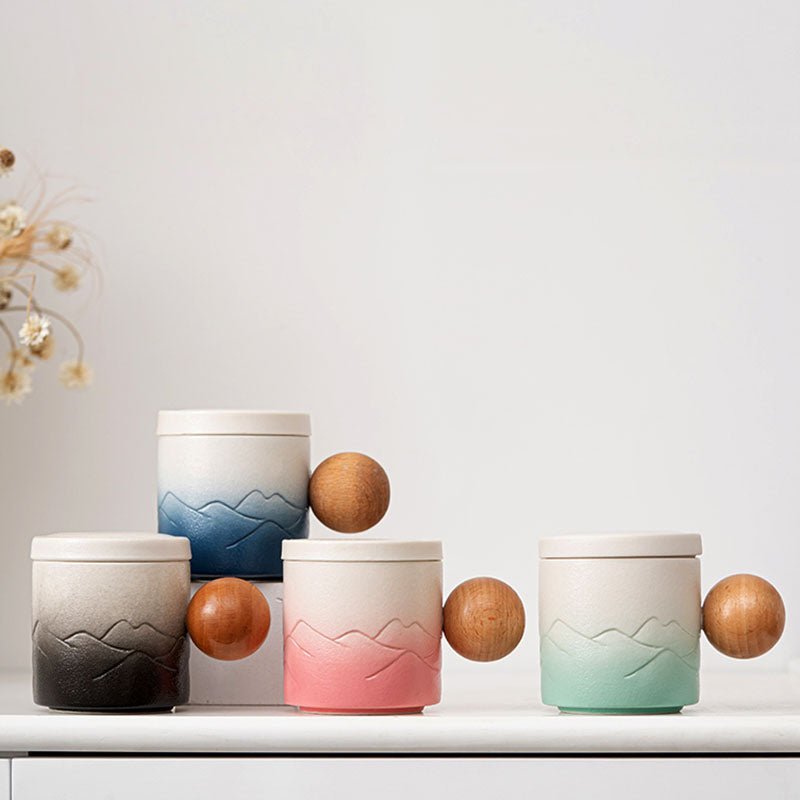
Tea Handle Buying Guide for Everyday Mugs and Gifts
A tea handle affects more than comfort. It changes how steady the mug feels on a desk, how hot it feels after a few minutes, and whether it is a good gift or a daily-use piece.
En savoir plus
Laisser un commentaire
Ce site est protégé par hCaptcha, et la Politique de confidentialité et les Conditions de service de hCaptcha s’appliquent.