
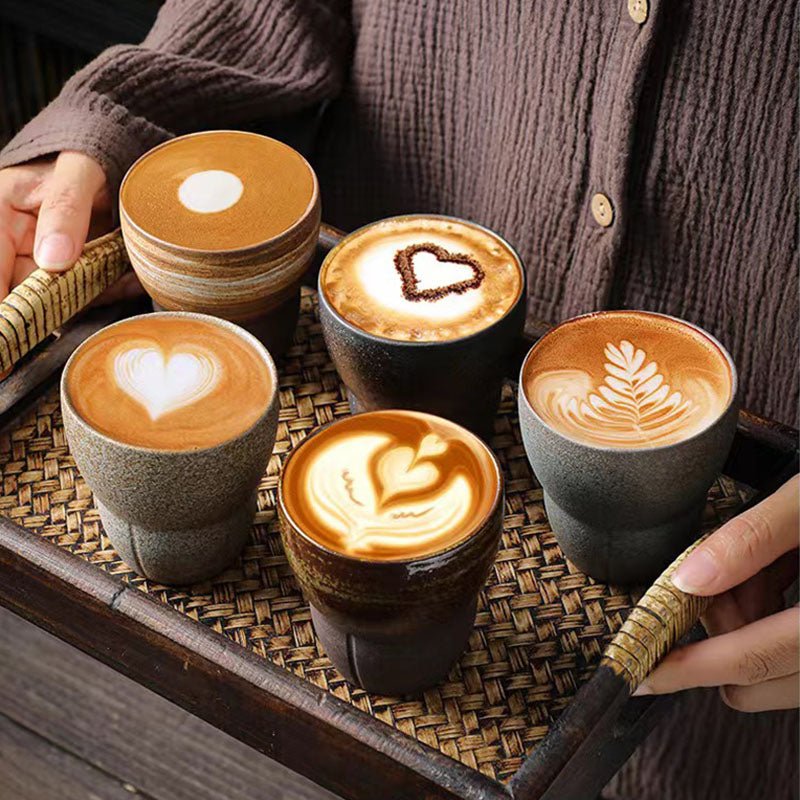
What to Compare Before Choosing a Vintage Retro Small Coffee Cup
Reading time: about 8 minutes
A vintage retro small coffee cup can look perfect in a product photo and still feel wrong on a real kitchen counter if the handle pinches, the rim feels rough, or the cup is too small for the way you actually drink coffee or tea.
That is the comparison we see shoppers make every day. Some want a cup for espresso or a short afternoon pour. Others want something decorative that still gets used. In our store, we look at these cups the same way a customer would: on a desk, next to a kettle, or after a dishwasher cycle, not just under studio lighting.
If you are narrowing down options, start with the product itself here: retro coffee tea cup. If you want to compare more styles before deciding, the broader unique coffee mugs collection is a better place to look side by side.
What size and shape fit the drinks you actually make?
Small cups are not interchangeable. A cup that feels right for a short black coffee may feel cramped for tea, cocoa, or a longer morning pour. Before you buy, compare the usable capacity, the mouth opening, and the base width, not just the overall look.
Here is the practical test we use when comparing a retro coffee tea cup:
- Capacity: check whether it suits espresso, a small tea service, or a modest coffee pour. A decorative cup that is too small becomes frustrating fast.
- Mouth opening: a wider opening cools drinks a little faster and is easier to sip from, while a narrower opening can feel more traditional.
- Base stability: a wider base sits more securely on a crowded desk or a busy breakfast table.
- Wall thickness: thicker ceramic tends to feel sturdier in hand, while a thinner wall can feel more delicate and refined.
If you drink at a desk, pay attention to spill risk. A small retro cup that is too light or top-heavy is annoying around a laptop. If your main use is tea on the couch, balance matters less than comfort and warmth retention. For a buyer who wants a decorative piece first and a daily drinkware item second, the smaller format works well. If you want a large mug for long work sessions, this category is not the right fit.
Which ceramic details matter more than the pattern?
Print and color matter, but the ceramic body is what decides whether the cup feels satisfying after a week of use. We pay attention to the glaze, the rim, the handle joint, and the underside because those are the areas where lower-quality cups usually give themselves away.
In a real retro coffee tea cup comparison, we look for these specifics:
- Smooth glaze coverage: a clean glaze helps with easy cleaning and reduces staining from coffee oils and tea tannins.
- Even rim finish: a rough or uneven rim stands out the first time you drink from it.
- Secure handle attachment: the handle should feel like part of the cup, not like an afterthought.
- Foot ring quality: the base should sit flat and not wobble on a tabletop.
- Visible defect checks: look for pinholes, hairline cracks, glaze pooling, or small chips before you buy.
Those flaws are not just cosmetic. A cup with a rough rim or a weak handle is the kind of thing we see customers notice immediately after unboxing. If you are buying for yourself, that may be a minor annoyance. If you are buying as a gift, it can change the whole impression.
For a more detailed buying lens, our article on How to Choose a Vintage Retro Small Coffee Cup: Practical Buying Guide walks through the same decision from another angle. If you have ever had a mug chip early or arrive with a glaze issue, the comparison in Ceramic Cup Mistakes to Avoid When Buying a Vintage Retro Small Cup is worth reading before checkout.
How do you know if the handle and weight will feel comfortable?
A lot of shoppers focus on the print and miss the part they will touch most: the handle. That is usually where a retro cup succeeds or fails. A small handle should give enough clearance for two fingers without forcing your knuckles into the mug body, and it should feel balanced when the cup is full.
Comfort checks we recommend:
- Hold it empty first: a cup can look good and still feel awkward if the handle angle is tight.
- Imagine it full of hot liquid: a very light cup can get hot fast or feel unstable when lifted.
- Check the grip points: the best handles do not require an awkward pinch or finger shuffle.
- Think about your hand size: a compact handle may suit smaller hands but frustrate bigger ones.
This matters more than many gift buyers expect. A cup that is comfortable for one person may feel decorative only for another. If the recipient likes larger coffee mugs, a vintage small cup may be charming but not their daily choice. That is a real trade-off, not a flaw.
For shoppers who want a broader comparison of quality signals across premium-looking drinkware, our post on High End Coffee Mugs: What Buyers Should Compare Before Choosing is useful because the same basics still apply: handle comfort, glaze quality, and finish.
Is this the right kind of gift, or just a nice-looking cup?
That depends on the person. A vintage retro small coffee cup is a strong gift when the recipient likes home decor, unique kitchen pieces, or a more curated coffee shelf. It also works well when you want something that feels thoughtful without becoming bulky or hard to wrap.
Our store sees these cups do especially well as gifts when the shopper cares about:
- Presentation: small ceramic pieces feel intentional and easy to package cleanly.
- Style value: the retro look fits shelves, open cabinets, and styled breakfast corners.
- Practical use: a cup that is easy to clean and comfortable to hold gets used after the gift is opened.
- Gift readiness: if gift wrapping is available, that saves time and makes the purchase feel complete.
There is also a limit. If the person drinks large coffees, wants matching sets, or prefers an insulated travel mug, this style is not the best match. A decorative retro cup can be a better gift than a plain mug for someone who loves design, but it is not the universal option for every coffee drinker.
If you are comparing styles for gift shopping, the collection page is usually the faster route: unique coffee mugs. And if you want to avoid common buyer mistakes before you decide, keep our care guide in mind too: Vintage Retro Small Coffee Cup Care Tips for Longer Use.
What should you compare on the product page before you check out?
We recommend comparing the product page the same way we would inspect a new shipment in our own shop. Focus on the details that affect daily use, not just the styling language.
| What to compare | What good looks like | Why it matters |
|---|---|---|
| Material | Quality ceramic with a smooth finish | Better feel, better durability, easier cleaning |
| Rim and glaze | Even edges and consistent glaze coverage | Improves drinking comfort and reduces defect risk |
| Handle design | Clear finger space and a balanced grip | Makes the cup comfortable for everyday use |
| Cleaning | Easy to clean surface with no deep texture traps | Helps with coffee stains and tea residue |
| Gift presentation | Gift wrapping available if you need it | Saves time and improves the unboxing experience |
That table is the short version. The long version is this: if the cup feels right, looks right, and cleans up without effort, it will probably earn its place. If it only looks good in a photo, it will eventually get pushed to the back of the cabinet.
One more detail worth calling out: if a cup has a lot of embossed texture or heavy decorative grooves, it may look more authentic but be harder to keep spotless. That trade-off is worth accepting for some buyers and a bad fit for others.
Frequently asked questions
Is a vintage retro small coffee cup good for espresso and tea?
Yes, especially if you drink smaller servings. A cup in this style is a natural fit for espresso, short coffee pours, and tea when you want a smaller, more decorative vessel. It is not the best choice for large lattes or long office drinking sessions.
Can I put a ceramic retro coffee cup in the dishwasher?
Check the product listing for the exact care guidance. Many ceramic cups are easy to clean by hand and may be dishwasher-friendly, but glaze finish and printed decoration can change that. If you want the safest approach for a gift or a keepsake, hand washing is usually the gentlest option unless the product says otherwise.
What should I compare if I am buying this as a gift?
Compare the look, the handle comfort, the cleaning ease, and whether gift wrapping is available. A good gift cup should feel special without being fussy. If the person already owns large mugs, make sure the smaller size matches how they actually drink coffee or tea.
What defects should I watch for in a retro ceramic cup?
Look for chips, hairline cracks, rough rim edges, glaze pinholes, and a base that does not sit flat. These are the issues that show up fast once the cup is used daily. We would rather shoppers catch them on the product page than after the first wash.
Is this style good for everyday office use?
It can be, if you mainly drink small servings and want something that looks better than a standard mug on a desk. It is less practical if you want a cup that stays hot for a long time or holds a larger drink. For office use, comfort and spill stability matter more than the retro look alone.
What should you check before you buy?
Before you add a vintage retro small coffee cup to cart, run through this quick checklist:
- Does the size match your drink routine?
- Does the handle feel comfortable for your hand?
- Is the ceramic finish smooth and easy to clean?
- Would the cup still make sense after the novelty wears off?
- Are you buying for daily use, display, or gifting?
If you want the most direct route, start with the retro coffee tea cup and compare it against the rest of our unique coffee mugs collection. That gives you a cleaner read on style, comfort, and practical fit before you decide.
Read more
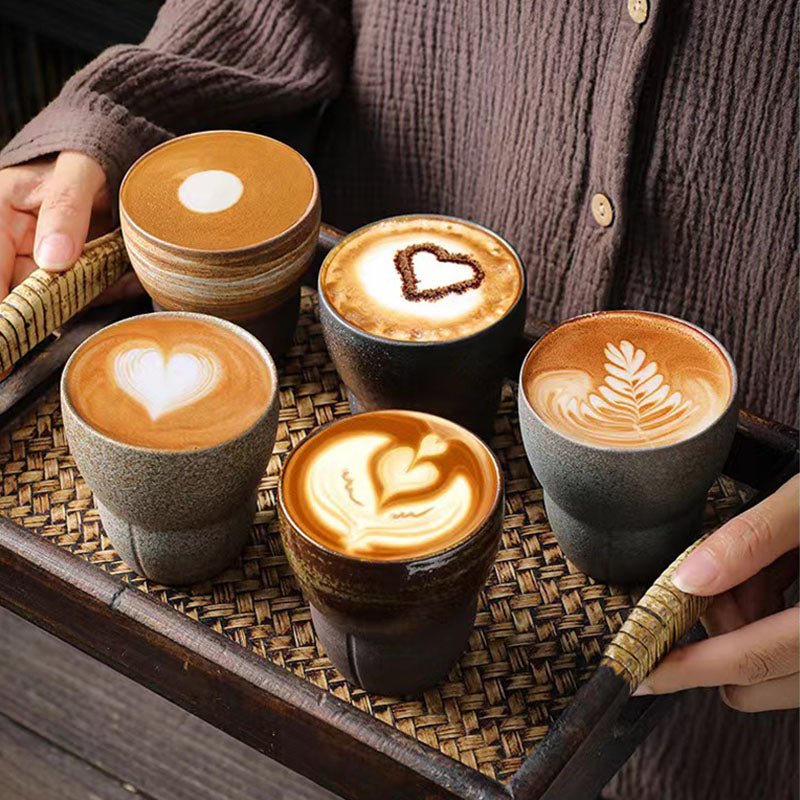
Ceramic Cup Mistakes to Avoid When Buying a Vintage Retro Small Cup
Common ceramic cup mistakes to avoid before buying a vintage retro small coffee cup, from checking size and glaze quality to choosing a gift that actually gets used.
En savoir plus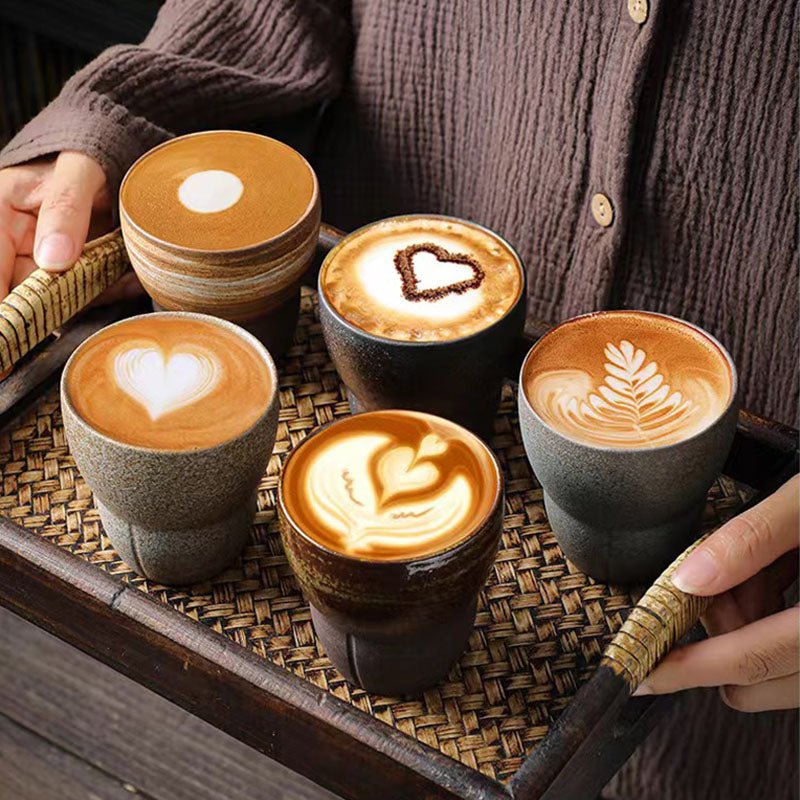
Vintage Retro Small Coffee Cup for Coffee Lovers and Home Decor
A small retro ceramic cup can solve two problems at once: it works for daily coffee or tea, and it adds a deliberate accent to a kitchen shelf or coffee station. This guide covers fit, care, giftin...
En savoir plus
Laisser un commentaire
Ce site est protégé par hCaptcha, et la Politique de confidentialité et les Conditions de service de hCaptcha s’appliquent.