
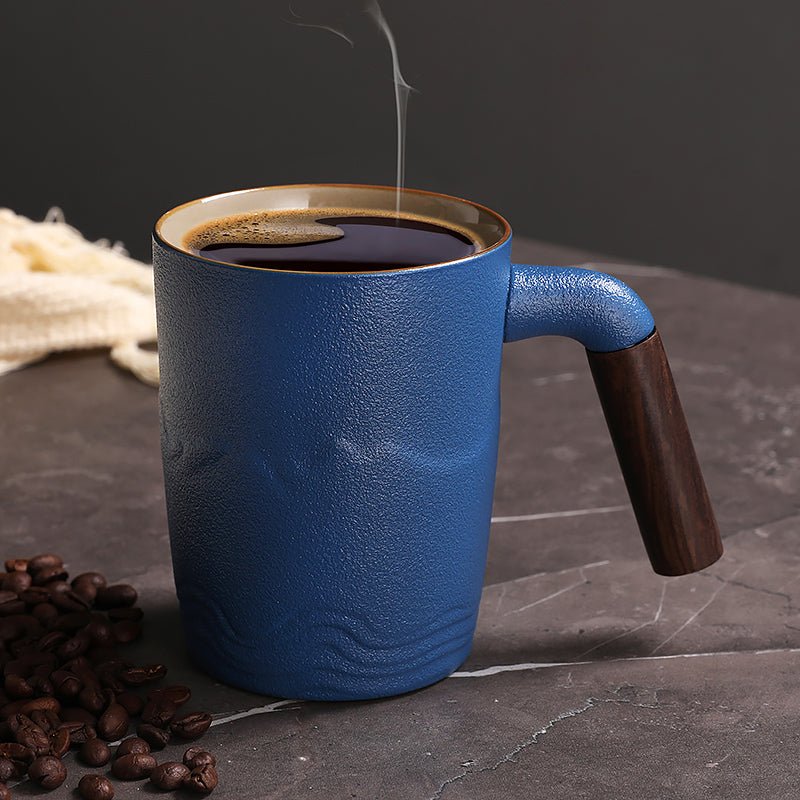
UGA Coffee Mug Buyer’s Guide: What to Check Before You Buy
Reading time: about 9 minutes
A mug that looks right on the shelf can still feel wrong at 7 a.m. if the handle is tight, the rim is awkward, or the cup is too heavy for one-handed use at a desk. That is the part shoppers usually discover after the order arrives, and it is exactly where a little comparison saves time.
If you are shopping for a uga coffee mug, we would treat it the same way we do in our store: check the fit, the shape, the finish, and how you plan to use it. A mug for a dorm desk, office breakroom, or gift box should not all be judged the same way. The right pick is the one you will actually reach for every day.
For shoppers comparing style-first ceramic options, our own lineup is a useful place to start. You can browse the full range in our collection of mugs, then narrow it down by silhouette and feel. If you want a more sculpted, decorative cup, the Pleated Coffee Tea Cup, Golden Waves Kio Coffee Tea Mug, and The Flow Coffee Tea Mug are the kinds of pieces that work well when appearance matters as much as function.
What should you check first on a uga coffee mug?
The first thing we check is not the print or the color. It is the daily handling details: capacity, handle clearance, rim feel, and overall weight. Those are the things that decide whether a mug feels pleasant or annoying after a week of use.
For a typical ceramic mug, the most common size shoppers compare is in the 10 to 12 oz range. If you want a deeper size breakdown, our guides on 10 oz coffee mug size and fit and 11oz coffee mug fit and daily use are useful references. We use those size checks because they mirror real use: one pour from a drip machine, a cappuccino at the desk, or tea that cools a little slower in a thicker ceramic cup.
- Capacity: Smaller mugs are better for espresso drinks, tea, or limited counter space. Larger mugs suit longer coffee sessions, but they can get heavy once filled.
- Handle clearance: Make sure two fingers fit comfortably. A beautiful handle that feels pinched is a daily regret.
- Rim thickness: A thinner rim usually feels nicer to sip from. A thicker rim can feel sturdier, but it changes the drinking experience.
- Base stability: A wide, flat base is less likely to wobble on a desk, tray, or uneven kitchen counter.
We also look for finish issues that buyers often only spot after opening the box: small glaze variations, minor paint irregularities, or a handle seam that feels sharp. Those are not always deal-breakers in handmade-leaning ceramic pieces, but they do matter if you want something polished for gifting.
Which mug style works best for daily coffee use?
For everyday use, the best mug is usually the one that disappears into your routine. It should be easy to wash, comfortable to hold, and practical around your current habits. A mug with dramatic sculpting may look impressive, but that same shape can be less convenient in a dishwasher rack or office cupboard.
That is why we suggest thinking in use cases rather than just looks. In our experience, a buyer shopping for a uga coffee mug usually falls into one of these groups:
- Desk drinkers: Need a mug that sits stable near a keyboard and does not crowd the workspace.
- Kitchen regulars: Want something easy to rinse, stack, and store near the machine.
- Gift buyers: Need a mug that feels distinctive when unboxed, not generic.
- Tea drinkers: Often prefer a shape that lets the drink cool a bit without splashing.
If you are shopping for style with a practical edge, the Pleated Coffee Tea Cup is a strong example of a decorative profile that still reads as usable. The pleated exterior adds visual interest without relying on loud graphics, which makes it a good fit for a desk, a shelf, or a gift bag. The trade-off is simple: textured silhouettes can be slightly more fussy to clean than a plain cylinder.
For buyers who want something with more visual movement, the Golden Waves Kio Coffee Tea Mug gives you a more expressive look. Pieces like this tend to work well as a present because they feel chosen, not generic. The limitation is that highly styled mugs are not always the best choice if you need a stackable set for daily office rotation.
What makes a mug good for gifting instead of just personal use?
Gift mugs live in a different category. A personal mug can be purely functional. A gift mug has to do two jobs at once: be useful and feel special the moment it comes out of the box.
That is why finish, shape, and presentation matter more than most shoppers expect. A mug with an attractive glaze, a clean silhouette, and a comfortable handle gives the recipient a better first impression than a novelty design that looks funny online but feels awkward in hand. We see this often with desk gifts, housewarming gifts, and small thank-you presents.
The The Flow Coffee Tea Mug is a good example of a piece that leans giftable because it feels considered. It has that sculpted, flowing look that stands out without feeling loud. If you want a mug that can sit on a bookshelf as easily as it sits beside a coffee maker, that kind of shape makes sense. If you want a plain workhorse mug for repeated dishwasher cycles, a simpler cup may be the better value.
Here is the trade-off we always tell shoppers to consider:
- Choose style-forward mugs if the mug is a gift, a display piece, or part of a curated kitchen setup.
- Choose simpler mugs if you want easy stacking, easier cleaning, and less visual fuss.
If you are comparing capacity along with appearance, our related size guides can help you avoid buying a mug that looks right but holds too much or too little. Start with 12 ounce coffee mug buying guide for daily use if you prefer a fuller cup, or 11 oz coffee mug size and fit if you want something closer to a standard everyday pour.
How should you think about materials, finish, and care?
Most mugs in this category are ceramic, which is a practical choice because it holds heat reasonably well, feels solid in the hand, and works for coffee or tea. Ceramic also gives you a lot of design flexibility, which is why so many attractive mugs use glazed surfaces and molded shapes. The downside is that ceramic can chip if it is knocked against a sink, stacked carelessly, or rattled around with heavy utensils.
When we handle these mugs in our store, we look for three things that matter in real kitchens:
- Glaze consistency: A smooth glazed surface is easier to wipe clean and usually feels more refined.
- Handle joint quality: The point where handle meets body should feel smooth, not sharp or rough.
- Base finish: The bottom should sit flat and not scrape or wobble on a countertop.
Care is straightforward, but it still matters. Use mild dish soap, avoid harsh scouring pads on decorative finishes, and give the mug enough space in the dishwasher so it does not bang against other items. If a mug has textured exterior detail, like the Pleated Coffee Tea Cup, we would be a little more cautious with abrasive sponges than we would be with a plain glazed cylinder. Decorative cups are often perfectly usable every day, but they are not always the best choice if you are rough on dishware.
One more honest note: a style-led mug is not ideal if you want a travel mug, a thermal tumbler, or something that keeps coffee hot for hours on end. A ceramic cup is about the drinking moment, not insulation. If heat retention is your main goal, a lidded insulated option would suit you better than a decorative ceramic mug.
How do the three featured mugs compare in real use?
Here is the simplest way to compare these pieces without overthinking it. All three are ceramic-style mugs built for hot drinks, but each serves a slightly different buyer.
| Mug | Best for | Trade-off |
|---|---|---|
| Pleated Coffee Tea Cup | Shoppers who want texture and a refined everyday look | Textured detail can need a little more care when washing |
| Golden Waves Kio Coffee Tea Mug | Gift buyers and shoppers who want a more expressive silhouette | Less minimal, so it may not suit a plain office setup |
| The Flow Coffee Tea Mug | People who want a sculpted mug that feels special without being loud | Styled pieces are usually less about stacking and more about display |
Our own sales and packing experience says the biggest reason people return to a mug is not brand name alone. It is comfort. If the handle is easy, the cup sits securely, and the finish still looks clean after a few washes, the mug earns a place in the routine. If any of those fail, the mug tends to get pushed to the back of the cabinet.
What should you avoid if you want the mug to last?
A good mug can still wear badly if you use it the wrong way. The most common avoidable problems are simple:
- Stacking mugs too tightly, which chips rims and decorative surfaces.
- Using metal spoons aggressively against the inside wall, especially with a tighter mouth opening.
- Putting a hot ceramic mug on a very cold or wet surface right after washing.
- Scrubbing textured or glazed decorative areas with abrasive pads.
These are the kinds of things that do not show up in product photos but absolutely show up after a few weeks of use. We have seen buyers fall in love with a mug for the look, then lose that feeling when it becomes inconvenient in the sink or cabinet. That is why we are upfront about limitations. A decorative mug is not the best pick if you want indestructible utility. It is a better fit if you want everyday beauty that still works like a real mug.
Frequently asked questions
Is a uga coffee mug a good gift for a coffee drinker?
Yes, as long as you pick a shape that feels comfortable in the hand and looks polished out of the box. Gift buyers usually do best with a mug that has a distinctive silhouette or finish rather than a plain generic cup.
What size mug should I choose for daily coffee?
Most daily-use shoppers are comfortable in the 10 to 12 oz range. That size is usually enough for a standard pour without feeling oversized on a desk or in a kitchen cabinet.
Are decorative ceramic mugs hard to clean?
Usually not, but textured or sculpted surfaces can need a little more attention than a plain smooth mug. We recommend mild soap and a non-abrasive sponge, especially for mugs with exterior detail.
Can I use a decorative mug every day?
Yes, if you are fine with a mug that prioritizes style as much as utility. The trade-off is that decorative shapes are sometimes less ideal for stacking, rough dishwashing, or crowded office shelves.
What should I check before buying a mug online?
Check capacity, handle comfort, base stability, and care instructions first. Then look at the mug from the perspective of how you actually drink coffee or tea at home, at work, or as a gift.
If you want to compare more options side by side, start with our full mug collection, then open the product pages for the shapes that match your routine best. A quick checklist helps: handle fit, capacity, glaze finish, and whether you want something everyday-simple or display-worthy.
Read more
Adult Humor Coffee Mugs: How to Choose One That Gets Used
Adult humor coffee mugs work best when the joke, size, and print quality match the person using it. We break down what to check before you buy and what to avoid.
En savoir plus
Unbreakable Coffee Mugs: What Actually Holds Up in Daily Use
A practical guide to unbreakable coffee mugs, with honest trade-offs on materials, durability, and everyday use. Compare the options we actually recommend for kitchen counters, office desks, and gi...
En savoir plus
Laisser un commentaire
Ce site est protégé par hCaptcha, et la Politique de confidentialité et les Conditions de service de hCaptcha s’appliquent.