
Turkish Coffee Mug Buying Guide: Fit, Handle, Heat, and Care
Reading time: about 10 minutes
A Turkish coffee setup looks simple until the cup feels wrong in the hand. We see this all the time in our store: people want a mug that suits a short, concentrated pour, stays comfortable to hold, and does not feel oversized next to a small serving of coffee.
That is the real job of a turkish coffee mug. It is not just a decorative cup. It needs the right bowl shape, a comfortable grip, and a material that handles heat without making the drink feel fussy. For shoppers comparing options, those details matter more than a printed pattern or a trendy name.
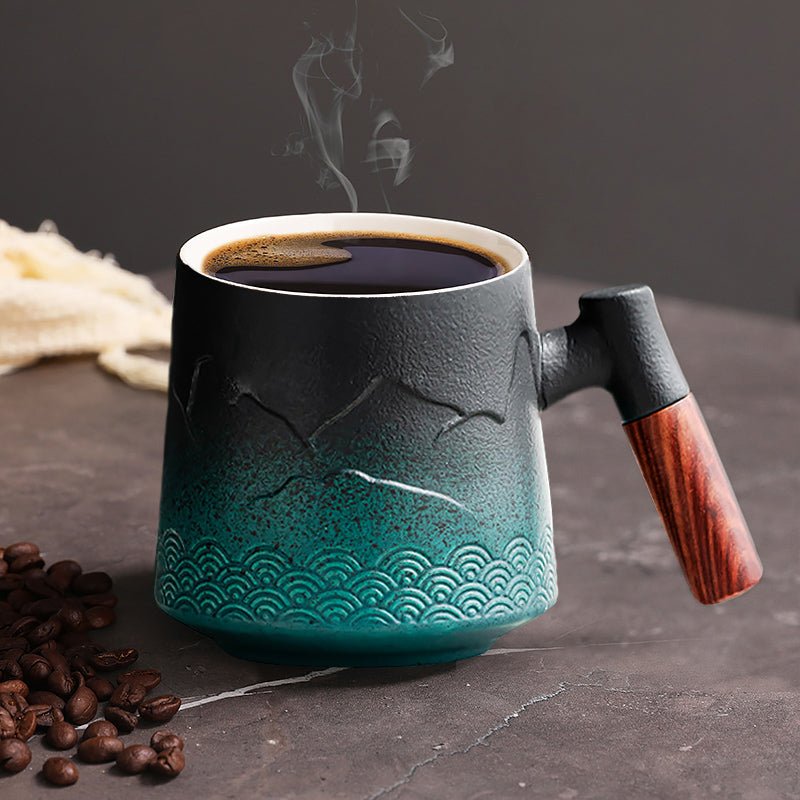
If you are narrowing down choices, start with the basics in our full mug collection, then compare the pieces that actually fit this style of use. For a cup with a clean, everyday feel, the Green Waves Coffee Tea Mug is a practical reference point. If you prefer a wood-accented grip, look at the Mountain Sea II Coffee Tea Mug with Wooden Handle and the The Cloud Coffee Tea Mug Wooden Handle.
What should a Turkish coffee mug actually do?
A good Turkish coffee cup should serve a small, strong pour without making it feel lost in a large vessel. In practice, that means a mug that is easy to lift, easy to sip from, and easy to set down on a crowded breakfast table or office desk.
In our experience, buyers usually care about four things:
- Capacity that matches the drink. Turkish coffee is traditionally served in a smaller amount than drip coffee or a latte.
- A stable base. Small cups can tip more easily, especially on a busy counter or tray.
- Handle comfort. A handle should feel secure when the drink is hot, not cramped or awkward.
- Cleaning simplicity. If the cup is going into a dishwasher cycle often, the finish and handle detail need to hold up.
A cup that is too large can make the serving feel diluted or visually off. A cup that is too small can be fiddly, especially if you are serving guests and want the presentation to feel intentional. Turkish coffee rewards balance. The cup should support that balance instead of fighting it.
Which shape works best for a Turkish coffee serving?
Traditional Turkish coffee cups tend to be small and refined. Some shoppers want that classic look. Others want a mug that still works for Turkish coffee but can also handle tea, macchiato-style drinks, or a short pour on the weekend.
Shape changes the experience more than many buyers expect. A narrower cup usually keeps the drink feeling concentrated. A broader cup can feel more casual and can be easier to clean, but it may not deliver the same traditional presentation. Neither is wrong. The right choice depends on how you actually use it.
Here is the practical split we use when helping customers decide:
- Choose a compact cup if you want a more classic Turkish coffee presentation and a smaller serving size.
- Choose a mug-style cup if you want something that can move between coffee, tea, and everyday use.
- Choose a wider rim if you care about easier sipping and easier washing.
- Choose a tighter profile if visual presentation matters more than versatility.
If you have already read our sizing pieces like 10 oz Coffee Mug: Size, Fit, and What to Check Before You Buy or 11 oz Coffee Mug: Size, Fit, and What to Check Before You Buy, you already know size affects feel more than the number on the listing. The same logic applies here. A smaller-format coffee mug is often the better fit for Turkish coffee than a standard large mug.
What materials and details hold up best?
For this category, material choice affects both comfort and long-term use. We generally see three details that matter most: the body material, the handle material or construction, and the finish.
Ceramic is the most familiar choice for a Turkish coffee mug because it feels stable, retains heat well enough for a short serving, and usually works for both coffee and tea. It also tends to look at home on a breakfast table, which matters more than people admit when they are choosing a gift.
Wooden-handle designs change the experience in a useful way. A wood handle can stay comfortable in the hand when the cup is warm, and it gives the mug a more handcrafted look. The trade-off is that wood needs a little more care than an all-ceramic piece. If you are the kind of person who throws every dish into the dishwasher without checking, an all-ceramic option is the safer choice.
Glaze and finish matter too. A smooth glaze is easier to wipe clean after a coffee oil film forms. A matte or textured finish can look attractive, but it may show residue differently and may need a little more attention after repeated use. We mention this because shoppers often notice it only after the first week of ownership.
| Feature | Why it matters | Best for |
|---|---|---|
| Ceramic body | Stable feel and familiar heat retention | Daily coffee or tea use |
| Wooden handle | Comfortable grip and visual contrast | Gift buyers and people who prefer a warmer touch point |
| Smooth glaze | Easier cleanup after oils and stains | Frequent use and low-maintenance kitchens |
One more practical point: avoid very delicate pieces if you plan to use the cup at a desk, in a shared office kitchen, or on a tray passed around guests. Small mugs get bumped. Handles get grabbed quickly. A cup that looks fragile in the listing usually feels fragile in real life too.
How do our store picks compare for real use?
We carry mugs that can work well for Turkish coffee, even when they are not labeled that way, because shoppers often want a versatile cup instead of a one-purpose piece. The difference comes down to how each mug behaves on the counter and in the hand.
Green Waves Coffee Tea Mug is the simplest choice if you want a clean, everyday mug without extra hardware or visual noise. It is the easiest option to place into a mixed kitchen cabinet because it does not lock you into one style of use. If you want a mug that can do Turkish coffee in the morning and tea later in the day, this is the most straightforward route.
Mountain Sea II Coffee Tea Mug with Wooden Handle is the better pick if you want a more tactile grip and a mug that feels slightly more special when you serve. The wooden handle adds a distinct visual cue and can be more comfortable when the drink is hot. It is less ideal if you want the absolute simplest cleaning routine, since mixed-material care is always a little more deliberate than all-ceramic care.
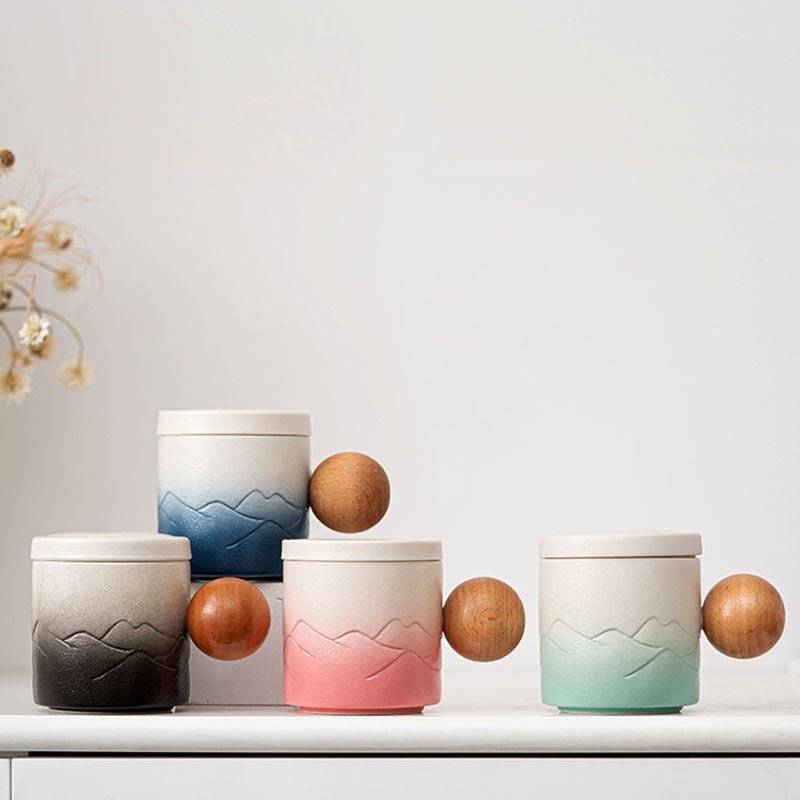
The Cloud Coffee Tea Mug Wooden Handle is the option we would point to for shoppers who want a softer, lighter visual feel with the same handle advantage. It suits a kitchen shelf display as much as it suits the coffee moment itself. If you care about presentation for gifting, this style tends to land well.
That is the honest trade-off: the more character a mug has, the more specific its use becomes. A plain ceramic cup is easier to live with. A wooden-handle mug feels more considered. Neither is universally better.
What should you check before buying for gift use or daily use?
Gift buyers and self-buyers usually check different things. A gift should look complete out of the box. A daily-use mug should feel easy on a Tuesday morning when you are late and half awake. Both need to be useful, but the balance is different.
Before you buy, we suggest checking these points:
- Size against the drink. If the mug is too large, Turkish coffee can look undersized.
- Handle spacing. Make sure fingers can pass through without pinching, especially if the cup is for someone with larger hands.
- Finish. Smooth surfaces are easier to rinse and are usually less fussy after repeated use.
- Storage fit. Tall handles and unusual shapes may not stack well in crowded cabinets.
- Care routine. If the mug has wood, expect to handle it differently from a fully ceramic cup.
We see the same pattern with sizing advice in our other guides, like 12 Ounce Coffee Mug Buying Guide for Daily Use and Better Fit and 12 oz Coffee Mug: Size, Fit, and What to Check Before Buying. The number is only the start. The real question is how the cup feels in a hand, on a tray, and beside the drink you actually pour.
We tell shoppers this directly in our store: the best mug is not the one with the most features. It is the one that fits your pouring habit, your cleanup routine, and the way you actually serve coffee at home.
How should you care for a Turkish coffee mug so it lasts?
Care depends on material, but the basic rule is simple: clean it promptly and avoid letting coffee oils sit too long. Turkish coffee can leave a visible film faster than some other brew styles because of how concentrated it is.
For all-ceramic mugs, regular washing is usually straightforward. Use warm water and a mild dish soap if you are washing by hand, and rinse fully so detergent does not linger on the surface. If the mug goes in the dishwasher, place it where it will not get knocked against metal utensils or heavier dishes.
For wooden-handle mugs, keep the handle dry as much as possible. Do not soak it for long periods. If the handle is removable or attached with a joint, check that area after washing so moisture does not collect. That small step can make a meaningful difference over time.
What these mugs are not best for: rough handling, extremely high-volume office dish rotations, or situations where you need an unbreakable camp-style cup. If you want that kind of use, a different material and shape would suit you better. A Turkish coffee mug is about presentation and controlled use, not brute durability.
Frequently asked questions
Is a Turkish coffee mug the same as a demitasse cup?
Not always. A demitasse cup is usually a small serving cup, and many Turkish coffee cups fall into that size family, but the style can vary in shape, handle design, and material. If you want a more flexible cup for coffee and tea, a mug-style option may be easier to live with.
Can I use a Turkish coffee mug for espresso?
Yes, if the size and shape feel right for your pour. A Turkish coffee mug often works well for espresso or similar short servings, but a very wide mug may not give the same presentation. If you care about crema and visual proportion, a smaller cup usually looks better.
Are wooden-handle mugs hard to clean?
They are not hard, but they do need more attention than all-ceramic mugs. Keep the wood out of long soaks, dry it after washing, and avoid treating it like a fully dishwasher-safe piece unless the product listing clearly supports that use. The handle is the main trade-off for the warmer feel and look.
What size should I buy for Turkish coffee?
Choose a smaller serving size than a standard everyday coffee mug if you want the drink to feel balanced. The goal is not to maximize volume; it is to match the concentrated pour. If you also want the cup for tea or milk-based drinks, a slightly larger mug-style option can make more sense.
What is the best Turkish coffee mug for gifting?
A mug that looks complete on its own and has a comfortable grip is usually the safest gift choice. Wooden-handle designs feel more distinctive, while plain ceramic options are easier to match with the recipient’s kitchen. If you are unsure, start with a versatile piece from our collection and choose a style that fits the person’s daily routine.
Which option should you pick next?
If you want the simplest path, compare the three product pages above against your actual routine: one cup for daily coffee, one that can cross over to tea, or one that feels more special as a gift. If you want more options in the same buying lane, start with our full collection and narrow by handle style, finish, and how the mug feels in a small serving setup.
For a quick final check, ask yourself three questions: does the mug suit a small pour, does the handle feel comfortable when the drink is hot, and will you still want to wash it after the third use of the week? If the answer is yes, you are probably looking at the right turkish coffee mug.
Read more
Best Ceramic Coffee Mug: How to Choose a Daily Cup That Lasts
A good ceramic mug should feel balanced, keep heat without burning your hand, and survive real kitchen use without chipping at the rim. We break down the trade-offs and point you to the ceramic mug...
En savoir plus
Pictures on Coffee Mugs: What to Check Before You Buy
Pictures on coffee mugs can look sharp or messy depending on photo crop, print area, and mug shape. We break down the checks we use in our store before recommending a gift or everyday mug.
En savoir plus
Laisser un commentaire
Ce site est protégé par hCaptcha, et la Politique de confidentialité et les Conditions de service de hCaptcha s’appliquent.