
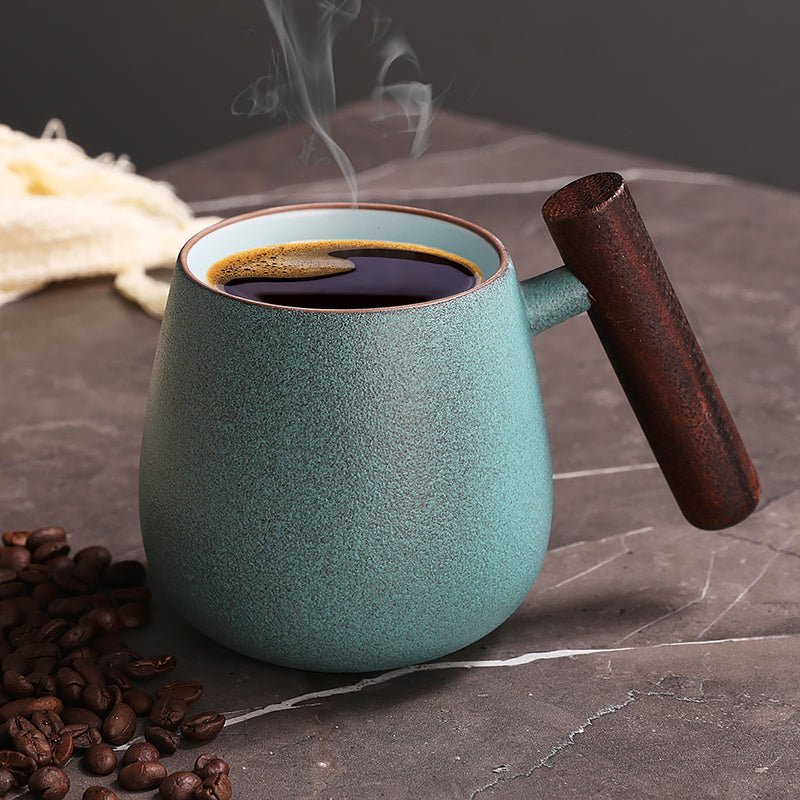
Travel Mugs for Coffee: What to Buy for Commutes, Office Days, and Trips
Reading time: about 9 minutes
A travel mug that leaks once in a work bag usually stops being “the good one” pretty quickly. We see that decision play out all the time: shoppers want something that keeps coffee hot, fits a car cup holder, and does not make a mess on the commute or at a desk.
That is why we built this guide around how travel mugs for coffee actually get used. If you want a broader comparison across commute and weekend options, our post on Best Coffee Mugs Travel: What to Buy for Commutes, Office Days, and Trips is a good companion read. Here, we will focus on the details buyers usually care about right before checkout.
What should a travel mug for coffee do first?
The first job is simple: keep coffee where it belongs. That means a lid that seals well, a body that is easy to hold, and enough insulation for your actual routine. A mug that looks good on a shelf but drips through a backpack is the wrong buy for most people.
In our store, the most common buying mistake is choosing on appearance alone. A travel mug should match the route it will travel. A short school run is different from a 90-minute train ride. An office desk is different from a car console. The best choice depends on the mess you can tolerate and how long you want the coffee to stay drinkable.
- For commuting: leak resistance and one-handed sipping matter most.
- For office use: a stable base and comfortable lid opening matter more than ruggedness.
- For trips: heat retention and a secure seal matter most.
If you are still narrowing the field, our guide to Best Travel Coffee Mugs for Commutes, Office Days, and Trips breaks those use cases down in a practical way.
Which lid style works best for travel mugs for coffee?
The lid is often the difference between a mug you trust and one you babysit. We inspect lids closely because they are usually where complaints start: stray drips, stiff sliders, weak seals, or parts that are annoying to clean after a few uses.
There are three common lid styles shoppers compare:
| Lid style | Best for | Trade-off |
|---|---|---|
| Flip lid | Quick sipping in the car or at a desk | Can be harder to clean around the hinge or seal |
| Slider lid | Daily commuting and bag carry | The slider can collect coffee residue if not washed well |
| Twist or screw-top lid | Maximum spill resistance for travel | Takes more effort to open and close repeatedly |
We usually tell shoppers to be honest about their routine. If you sip while walking to a train, a lid with a confident seal is worth more than a flashy finish. If the mug will live mostly on a desk, easy opening may matter more than full spill protection.
For buyers who prefer a ceramic feel, read Ceramic Travel Coffee Mugs: What Buyers Should Check Before Ordering. Ceramic can be a good fit for taste and texture, but it is usually less forgiving than steel if you drop it or pack it loosely.
Is stainless steel better than ceramic for daily coffee travel?
For most commuters, stainless steel is the more practical choice. Double-wall insulated stainless steel handles bumps, desk drops, and bag wear better than ceramic. It also tends to retain heat longer. That said, it is not automatically better for everyone.
Here is the honest trade-off we see:
- Stainless steel: durable, lighter than many ceramic travel cups, and better for bags and commutes.
- Ceramic: better if you care about taste purity and the feel of drinking from a cup-like rim, but it is more fragile.
- Plastic components: common in lids and sliders, but quality varies. Cheap plastic can feel flimsy and may stain or hold odors if not cleaned well.
One thing we always point out in our store: a travel mug is only as good as its lid seal and finish. Even a solid steel body can disappoint if the lid warps, the gasket shifts, or the opening mechanism feels loose after repeated dishwasher cycles.
If you are comparing premium-style insulated options, our article on Insulated Travel Coffee Mugs: How to Choose the Right One goes deeper into what insulation can realistically do during a workday.
What size travel mug should you buy?
Size sounds simple until you try to fit the mug into a cup holder, a laptop bag side pocket, and your actual caffeine habits. We see shoppers overbuy capacity more often than they expect. A huge mug is not always the best mug.
Use this quick check before you choose:
- Think about your pour: Do you brew one full mug at home, or do you refill throughout the day?
- Check your cup holder: A wide base can be annoying in a car, even if the mug is excellent otherwise.
- Match it to your bag: A taller mug may be fine at home but awkward in a backpack with a laptop.
- Consider cleaning: Wider openings are easier to wash by hand; narrow interiors can trap residue near the bottom.
From a practical standpoint, the best everyday size is the one you will actually carry empty and fill often. Many buyers are happier with a mug that balances grip, height, and capacity instead of chasing the biggest option available.
How do you tell if a travel mug will really stay leak-resistant?
Leak resistance is not a vague marketing feature. It comes down to the lid design, the gasket fit, and how tightly the parts close after repeated use. A mug can seem fine on day one and become frustrating after a few dishwasher runs or a few weeks of coffee oils building up around the seal.
We look for a few concrete signs that matter in real life:
- Gasket fit: The silicone seal should sit cleanly, without gaps or twisting.
- Closure feel: The lid should lock or seat firmly, not feel loose when turned or snapped shut.
- Interior shape: Fewer hidden corners make cleanup easier and reduce buildup around the lid.
- Base stability: A mug that wobbles on a desk or in a car holder is more likely to tip.
A leak-resistant mug is not always the easiest mug to open with one hand. That is the trade-off. If you want the most secure option for a backpack, you may sacrifice some convenience. If you want fast sipping at a desk, you may accept a little less security.
What care routine keeps a travel mug working well?
Good care is simple, but it matters. Coffee oils build up fast, especially around lids, sliders, and silicone seals. If those areas are ignored, even a decent mug can start to smell stale or pour unevenly.
Our team usually recommends this routine:
- Rinse the mug soon after use, not hours later.
- Wash the lid pieces separately if they come apart.
- Check the gasket for trapped grounds or residue.
- Let everything dry fully before reassembling.
- If the product is labeled dishwasher-safe, still place the lid where it will not get forced against other items.
That last point matters. Dishwasher cycles can be rough on sliders, seals, and printed finishes. If a mug has a delicate coating or a complex lid, handwashing often keeps it looking and functioning better for longer. We have seen plenty of otherwise solid mugs fail early because a lid was assembled wet or the gasket was not seated correctly after cleaning.
Which travel mugs for coffee are better for the office, car, or weekend trip?
The right mug depends on the setting. A single “best” option usually does not exist. We help customers by asking where the mug will spend most of its time.
For the office: choose a mug with a quiet lid, a stable base, and a size that fits beside a keyboard without crowding the desk. A mug that is too tall can knock into laptop sleeves or monitor stands.
For the car: pick one with a base that fits standard cup holders and a lid you can sip from without taking your eyes off the road for long. A twist-top can be secure, but some drivers prefer a simpler slider for convenience.
For weekend trips: durability and heat retention matter more than elegance. A stainless steel mug with a snug lid usually makes more sense than a fragile ceramic option.
If your focus is broad comparison shopping, our collection page at all products is the easiest place to scan the current range in one place.
What are the common problems buyers should watch for?
We like to be direct here because the same issues come up repeatedly after unboxing. These are not deal-breakers for every mug, but they are worth checking before you buy.
- Stiff lids: A seal can be good and still feel awkward to open with one hand.
- Odor retention: Low-quality plastic parts can hold on to coffee smells.
- Paint wear: Exterior finishes may scuff in bags or on office desks.
- Heat loss through the lid: Even a well-insulated body can cool faster if the top is poorly designed.
- Cleaning frustration: Narrow openings and complex sliders can make regular washing tedious.
These are the kinds of details that separate a mug you keep in rotation from one that lives in a cabinet. If you are comparing multiple styles, our team would rather you pick the simpler design that matches your routine than the fancier one you will resent cleaning every night.
Frequently asked questions
Do travel mugs for coffee fit in most car cup holders?
Many do, but not all. A mug with a wide base or oversized handle can be awkward in standard cup holders, especially in smaller cars. Check the base diameter and overall height before buying if car use is a priority.
Are stainless steel travel mugs better than ceramic ones?
For commuting and bag carry, stainless steel is usually the safer choice because it is tougher and less breakable. Ceramic can be nicer for taste and drinking feel, but it is better for gentler use at home or at a desk.
Can I put a travel mug in the dishwasher?
Some mugs and lids are dishwasher-safe, but not all finishes and seals handle frequent dishwasher cycles equally well. If a mug has a complex lid or decorative coating, handwashing usually helps it last longer. Always check the product care instructions before buying.
What size travel mug is best for daily coffee?
The best size is the one that matches your actual coffee routine and fits your bag or cup holder. Many shoppers do better with a practical middle size rather than the largest option. If you refill during the day, a smaller mug can be easier to carry and clean.
What should I check before buying travel mugs for coffee online?
Focus on lid type, seal quality, material, size, and care instructions. Those details matter more than photos alone. If you want a fast way to compare options, start with the current selection in our products page and match each mug to your commute or desk routine.
If you want a simple next step, compare three things side by side before you buy: lid style, base size for your cup holder, and whether you are willing to handwash the lid. If those line up, you are much more likely to end up with a mug you actually use every day.
More from our blog
Read more
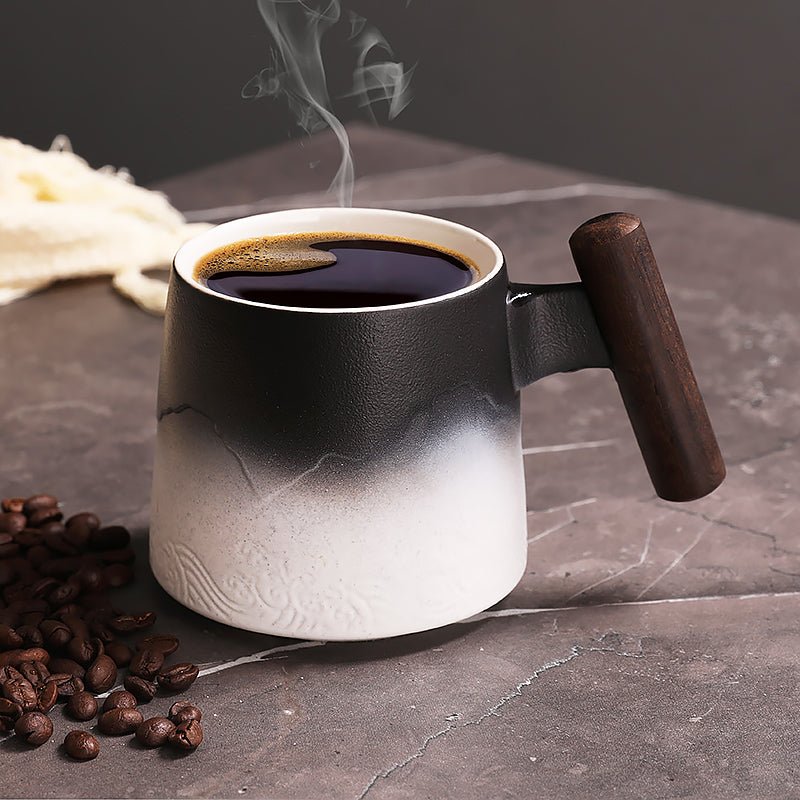
Image of Coffee Mug: What Buyers Should Check Before They Order
A close look at what a good image of coffee mug should show before you buy: size cues, handle shape, finish, and real-use details. We also cover the trade-offs that matter once the mug reaches a ki...
En savoir plus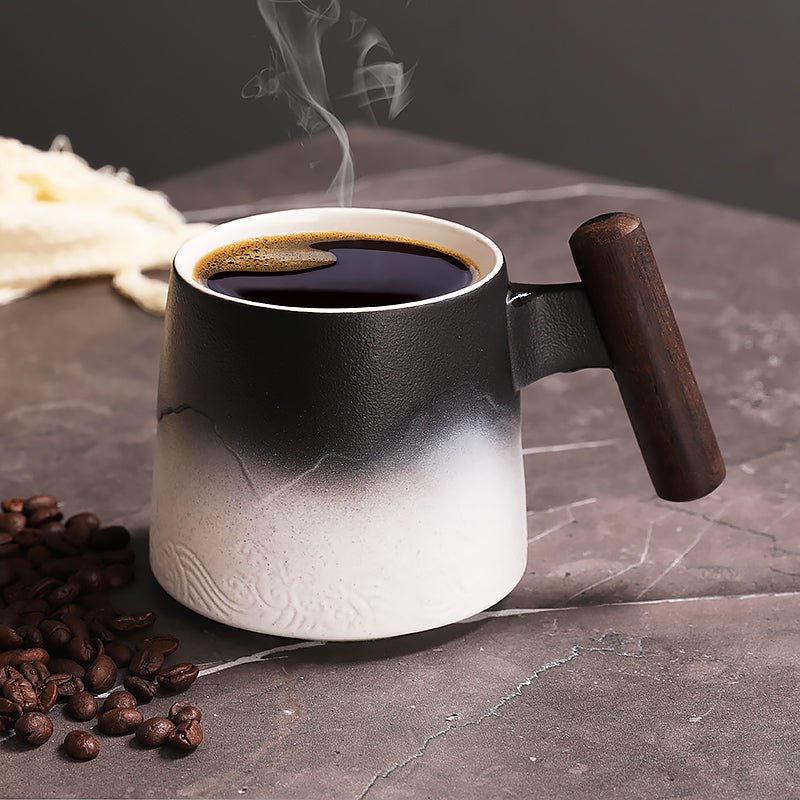
Mr Coffee Mug Warmer: What Buyers Should Check Before Choosing One
A practical guide to choosing a Mr Coffee mug warmer for desk or home use, with the fit checks, trade-offs, and mug compatibility issues shoppers run into most often.
En savoir plus
Laisser un commentaire
Ce site est protégé par hCaptcha, et la Politique de confidentialité et les Conditions de service de hCaptcha s’appliquent.