
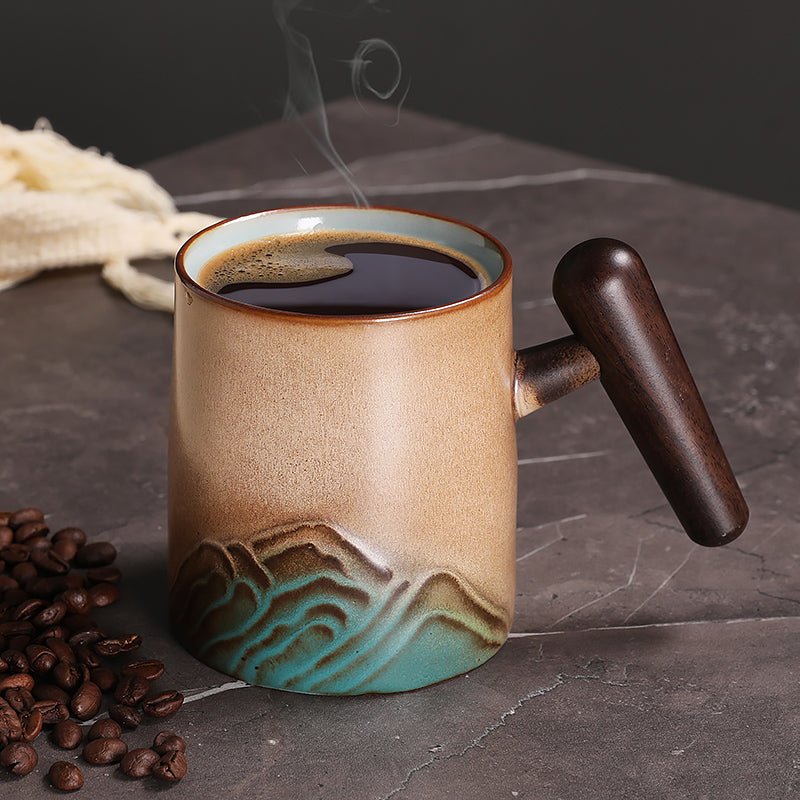
Titanium Coffee Mug Buying Guide: What Matters Before You Buy
Reading time: about 8 minutes
A titanium coffee mug usually shows up on a very specific shopping list: the one that gets packed into a backpack, carried to a worksite, or tossed into a desk drawer without much worry. Our team sees the same pattern again and again. Buyers want something light, sturdy, and dependable, but they do not always want a metal mug that behaves like every other metal mug.
That is where the trade-off starts. Titanium is excellent for weight and corrosion resistance, but it is not automatically the best choice for heat retention, desk comfort, or a relaxed at-home coffee routine. If you are comparing options carefully, that distinction matters more than the word "titanium" on the listing.
What does a titanium coffee mug do better than other mugs?
A titanium coffee mug earns its place when portability matters more than table presence. In our experience, it appeals to campers, commuters, and anyone who wants a mug that is easy to carry and less likely to corrode or retain odors after repeated use. The material is also a strong fit for people who clean their mug quickly, pack it often, and do not want extra bulk in a bag.
What titanium does not do especially well is hold heat the way a double-wall insulated tumbler does. A thin titanium mug can warm up fast from a hot pour, and it can also cool down faster than a vacuum-insulated vessel. That is not a defect. It is the nature of the category.
- Best for weight-sensitive use: backpacking, travel, and minimalist desk setups.
- Best for durability concerns: buyers who want a mug that stands up to frequent handling and packing.
- Best for simple maintenance: people who prefer a rinse-and-go routine.
- Not best for: long meetings, slow sipping, or anyone who wants coffee to stay hot without a lid.
We usually tell shoppers to think of a titanium coffee mug as a tool first. If you want a mug that feels more like part of the kitchen, our ceramic options such as the Round Coffee Tea Mug or the taller Landscape Tall Coffee Tea Mug are easier everyday picks. If you are shopping for a gift with a little more personality, the Elk and Moon Coffee Tea Mug is a different kind of buy entirely: less gear-like, more display-friendly.
Which details should you check before buying one?
Most titanium mug listings look similar at first glance. The differences show up in the details our store team checks before we would recommend one for daily use. A clean listing photo is not enough. You want to know how it is built, how it finishes, and what might feel annoying after the tenth wash.
| Feature | What to look for | Why it matters |
|---|---|---|
| Wall construction | Single-wall or double-wall | Single-wall is lighter and often used for outdoor carry; double-wall helps slow heat loss. |
| Capacity | Common sizes like 8 oz, 10 oz, or 12 oz | Capacity affects how much room you have for milk, foam, or a drip coffee pour. |
| Rim finish | Smooth, even lip without sharp edges | The rim is where cheap machining shows up first, and it changes the drinking feel immediately. |
| Handle design | Foldable, welded, or integrated handle | Handle style affects packability, balance, and whether the mug feels stable in the hand. |
| Surface finish | Brushed, polished, or coated | Finish affects scratch visibility, cleaning, and whether the mug looks good after repeated use. |
We also check for the less obvious issues that show up after unboxing. Tiny weld marks are normal on some designs, but they should look clean and even. A wobbly handle is not acceptable. On coated mugs, chipped finish around the rim or base is worth returning right away. And if the mug has a lid, test the fit before you trust it in a bag.
For sizing context, our size-focused guides on 10 oz Coffee Mug: Size, Fit, and What to Check Before You Buy, 11 oz Coffee Mug: Size, Fit, and What to Check Before You Buy, and 12 Ounce Coffee Mug Buying Guide for Daily Use and Better Fit are useful if you want to compare usable capacity, not just the number printed on the product page.
How does titanium compare with stainless steel and ceramic?
If you are choosing between materials, the right answer depends on where the mug will live most of the time. Titanium, stainless steel, and ceramic all solve different problems. A titanium coffee mug is usually about portability and corrosion resistance. Stainless steel is usually about tougher insulation options and a more rugged feel. Ceramic is usually about drinking comfort and the familiar feel of a proper kitchen mug.
| Material | Strengths | Trade-offs |
|---|---|---|
| Titanium | Lightweight, corrosion-resistant, easy to pack | Can feel hot to the touch, often less heat-holding than insulated steel |
| Stainless steel | Durable, widely available, strong thermal options | Heavier than titanium and sometimes bulkier in simple mug form |
| Ceramic | Comfortable to drink from, stable on a desk, familiar look and feel | Breakable, heavier than titanium, not ideal for travel or rough packing |
If you are buying for a desk, shelf, or gift box, ceramic often wins on feel. If you are buying for a pack, a trail bag, or a workday that moves around, titanium starts making more sense.
That is why we do not push titanium as the default for every buyer. For a home kitchen mug, our ceramic lineup is usually the better daily-use choice. For a portable cup that has to disappear into a bag without complaint, titanium has the edge. The better product is the one that fits the routine, not the one with the most appealing material name.
When is a titanium coffee mug the wrong pick?
A titanium coffee mug is not the best choice if you want a mug that behaves like a cozy tabletop vessel. It is also not the best fit if you expect long heat retention from an uninsulated cup. We see buyers miss this all the time: they want the lightest possible mug and the hottest possible coffee for the longest possible time. Those are competing goals.
Here is where titanium usually falls short:
- Long sipping sessions: coffee cools too quickly without insulation or a lid.
- Microwave use: metal mugs are not microwave-safe.
- Desk comfort: thin metal can feel less pleasant than ceramic in the hand.
- Decorative gifting: titanium looks practical, not warm or styled for every taste.
There is also a real difference between a simple mug and a camping vessel meant to take heat directly from a stove or flame. A bare titanium mug is not automatically a cookware pot. If a listing suggests direct-heat use, read the manufacturer details carefully and do not assume every mug in this category is designed for that job.
In our store, we are honest about the limit: if you mainly drink coffee at a kitchen counter or office desk, a titanium mug may be the wrong investment. That is where ceramic makes more sense, and where browsing our full collection can help you compare a few different everyday styles before you commit.
What size should you buy for daily coffee?
Capacity matters more than many shoppers expect. A titanium coffee mug that is too small feels cramped as soon as you add cream or foam. One that is too large can make a standard drip coffee look and feel underfilled. For most everyday buyers, the practical range sits around 10 oz to 12 oz, depending on how you drink coffee.
Here is the simplest way we break it down:
- 8 oz: better for short pours, espresso-based drinks, or smaller hands.
- 10 oz: a good fit for tighter servings, smaller drip pours, or reduced coffee intake.
- 11 oz to 12 oz: the most flexible everyday range for drip coffee with a little room for milk.
- Over 12 oz: useful if you want a larger pour, but less compact for bags and shelves.
If you are cross-checking everyday mug sizing, our guides on 10 oz Coffee Mug: What Fits, What Doesn’t, and What to Buy and 12 oz Coffee Mug: Size, Fit, and What to Check Before Buying can help you translate capacity into real use. That matters because a titanium coffee mug chosen for the wrong volume tends to feel wrong every morning, not just on day one.
Care is straightforward, but it still deserves attention. Hand wash if the mug has a coating or printed finish. Avoid abrasive scrubbers on brushed metal if you want to keep the surface even. Rinse promptly after acidic drinks like very strong coffee with citrus add-ins or flavored syrups, especially if you notice residue building up around the rim.
Frequently asked questions
Is a titanium coffee mug better than stainless steel for travel?
Not always. Titanium is lighter and resists corrosion very well, which makes it appealing for pack weight and simple carry. Stainless steel usually gives you more insulation options and can be a better choice if keeping coffee hot is the main goal.
Can I put a titanium coffee mug in the dishwasher?
Many uncoated titanium mugs can handle a dishwasher, but the safest answer is to follow the maker’s care instructions. If the mug has a printed, colored, or coated finish, hand washing is the safer way to preserve the surface.
Does titanium change the taste of coffee?
Plain titanium is generally valued for being inert, so it is not chosen for flavor transfer concerns. If you taste something odd, the cause is usually residue, coating wear, or a poorly finished rim rather than the metal itself.
What size titanium coffee mug is best for everyday use?
For most people, 10 oz to 12 oz is the most practical range. Smaller sizes work well for short coffee drinks, while 12 oz gives more room for milk, foam, or a fuller drip pour.
Is a titanium coffee mug good for the office?
It can be, but only if you value light weight and a minimal look more than a cozy drinking feel. For a desk mug that stays pleasant to hold and fits a more traditional coffee routine, ceramic is often the better office choice.
If you are still deciding, use this simple checklist: choose titanium for portability and low weight, choose stainless steel for insulation, and choose ceramic for desk comfort. Then compare the exact size you drink from most often, and browse our collection if you want to see the everyday options side by side before buying.
Read more
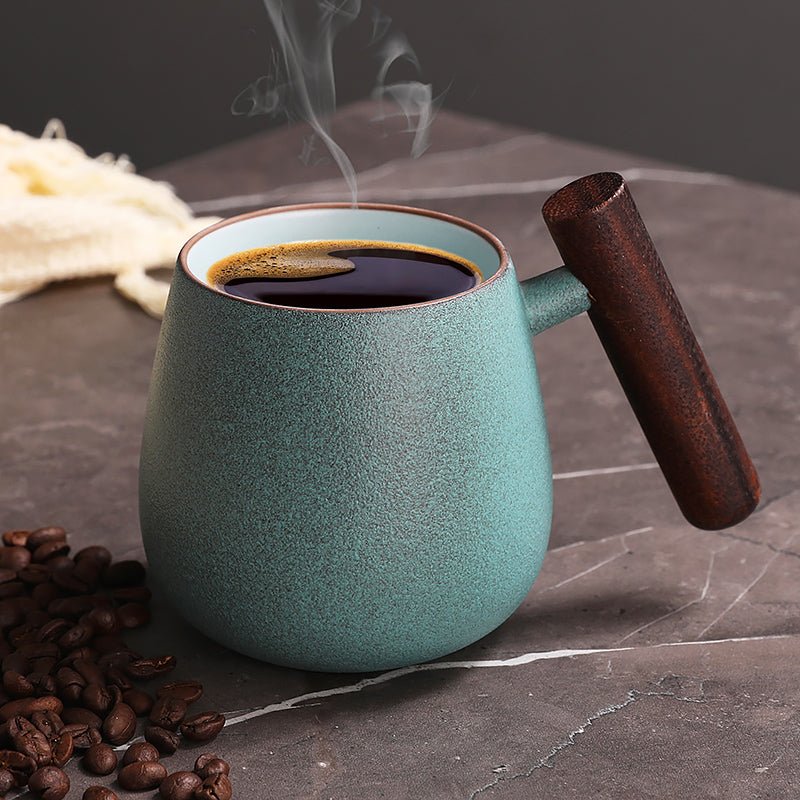
Coffee Mug Is How Many Ounces? Real Sizes and Buyer Tips
Most coffee mugs fall between 8 and 16 ounces, but the number on the listing is usually the rim-full capacity, not the amount you actually want to pour. We break down the sizes shoppers use in kitc...
En savoir plus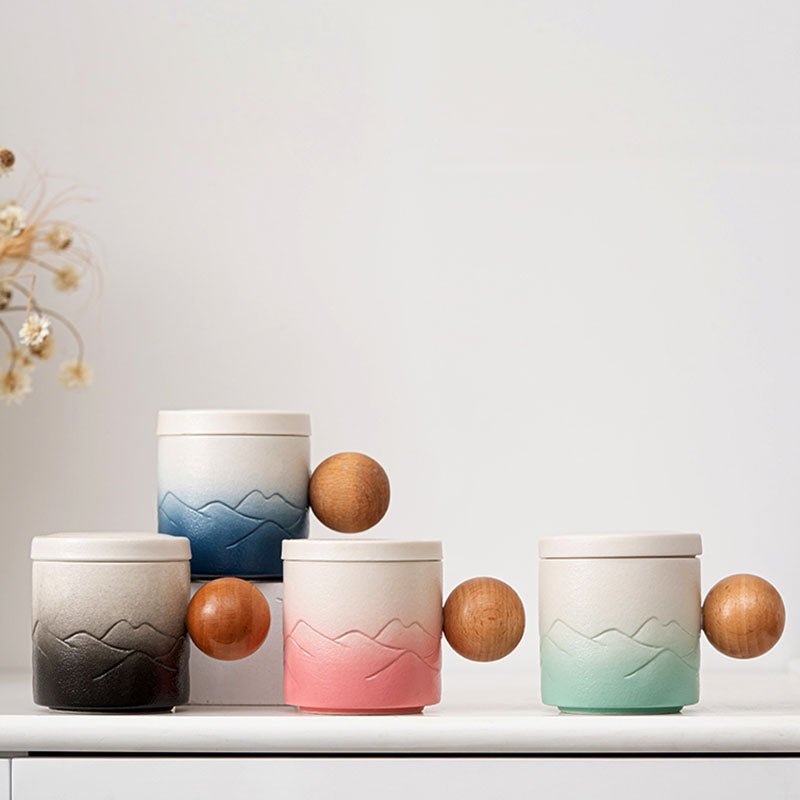
National Park Coffee Mugs: How to Choose the Right One for Daily Use
We break down what matters in national park coffee mugs: size, handle comfort, material, and care. Use it to pick a mug that looks good on a shelf and still works on a kitchen counter.
En savoir plus
Laisser un commentaire
Ce site est protégé par hCaptcha, et la Politique de confidentialité et les Conditions de service de hCaptcha s’appliquent.