
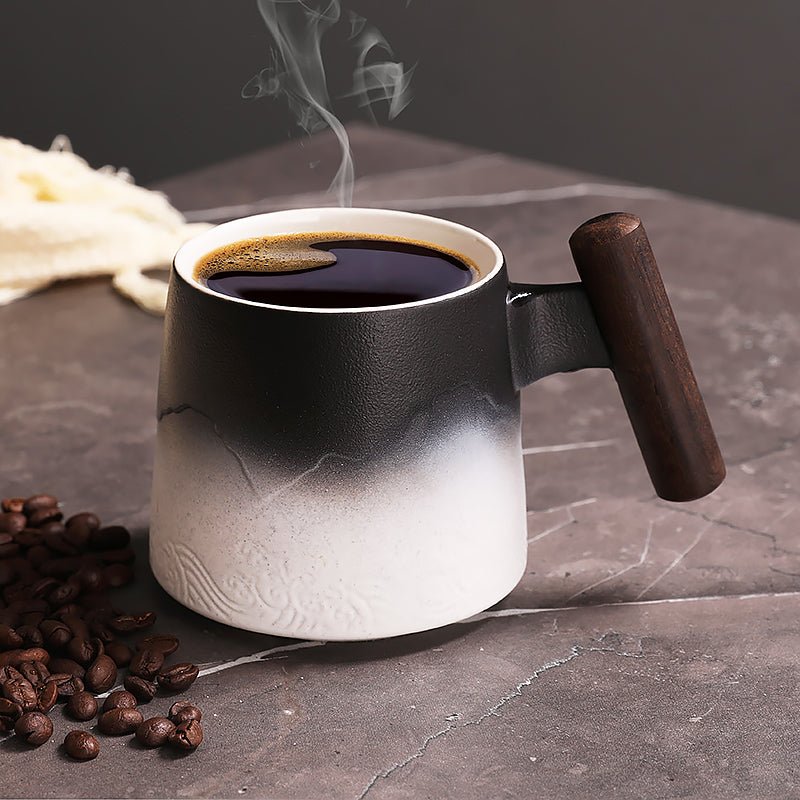
Temperature Controlled Coffee Mug: What Buyers Should Check
Reading time: about 10 minutes
A cup of coffee that starts strong and turns lukewarm before the second sip is a real desk problem. That is usually the point where a temperature controlled coffee mug starts making sense: not as a novelty, but as a way to keep a drink in the range you actually want while you answer emails, take calls, or drift back to the cup twenty minutes later.
We see the same buying pattern over and over in our store. People do not need a dramatic gadget. They need a mug that holds heat predictably, cleans up without a hassle, and fits the way they already drink coffee at a kitchen counter, office desk, or home workspace. If that is the goal, the details matter more than the marketing.
What problem does a temperature controlled coffee mug solve at a desk?
A temperature controlled coffee mug is useful when your coffee sits still long enough to cool down faster than you drink it. That happens at a desk, in a meeting room, during long calls, or on a slow morning when one cup lasts half an hour instead of five minutes. The mug is not there to make coffee better than it was brewed. It is there to keep the temperature more consistent after the pour.
That sounds simple, but it changes the buying decision. A standard ceramic mug loses heat quickly. A double-wall insulated mug slows that loss, but it does not actively hold the drink at a set temperature. A temperature controlled mug sits closer to the middle: more control than passive insulation, less portability than a sealed travel tumbler.
In our experience, the buyers happiest with this category are the ones who spend most of their time at one spot. If you carry your coffee from car to train to office, a sealed travel mug is usually a better fit. If you keep coffee on a desk and come back to it repeatedly, active temperature control can be the better trade-off.
Which features should you check before buying one?
We recommend looking at the practical details first, because they determine whether the mug feels convenient or fussy after the first week.
- Heating method: Some mugs heat from a base, while others use a warmer or charging dock. A base with clear controls is easier to use at a desk than one with a tiny button you have to tap repeatedly.
- Capacity: A mug that is too small forces refills. One that is too large can be awkward if you usually drink 8 to 12 ounces. If you are comparing sizes, our 10 oz Coffee Mug: Size, Fit, and What to Check Before You Buy and 12 Ounce Coffee Mug Buying Guide: Size, Fit, and Best Uses guides help narrow that down.
- Lid design: A lid with a silicone gasket reduces heat loss better than an open top, but it is not the same as a travel mug seal. That matters if you tend to tip a mug while walking around the house.
- Material: Ceramic feels familiar and is easy to drink from, while stainless steel is more durable and usually better at retaining heat. Some mugs use a coated interior, and that should be checked for wear over time.
- Cleaning routine: If a mug has electrical parts, the base should stay dry. A removable cup, hand-washable lid, and easy-to-wipe surface will save time after the first sticky coffee spill.
- Temperature control style: Some products let you choose a setting, while others maintain one target range. If you drink black coffee and milk-based drinks, a wider control range is more flexible.
Small defects show up quickly in this category. A lid that does not sit flat, a base that wobbles on a smooth desk, or controls that are hard to read are the kinds of issues that turn a useful mug into clutter. We look for the opposite: steady fit, clean edges, and controls that make sense without a manual.
How do mug size and fit affect the drinking experience?
Size matters more than most shoppers expect. A temperature controlled coffee mug that is technically the right technology but the wrong capacity will still annoy you every morning. If you usually pour 8 ounces, a larger mug can feel clumsy and cool down too much before you reach the bottom. If you add cream, milk, or a flavored mix, a little extra room is useful so you are not filling to the rim.
For buyers comparing common coffee mug sizes, it helps to think in use cases rather than just ounces. A 10 oz mug can feel compact and tidy for a short pour. An 11 oz or 12 oz mug is often a more forgiving everyday size for drip coffee. A 14 oz, 15 oz, or 16 oz mug gives more room for larger pours, milk, or a long drink on a work desk. If you want to compare those options in more detail, our 14 oz Coffee Mug: What Buyers Should Check Before They Buy and 16 Ounce Coffee Mug Buyer’s Guide: Size, Material, and Fit posts are good references.
Fit is not only about volume. It also includes how the mug sits in your hand and on your surface. A wide base is usually more stable on a desk, which matters if you work around papers, a laptop, or a crowded kitchen counter. A tall, narrow mug can save space, but it may feel less stable if the warmer base is small or the table is uneven.
For our store, this is one of the easiest ways to avoid regret: match the mug to the amount you actually pour, not the amount you imagine. A bigger cup is not automatically better if you drink your coffee while it is still hot.
How does a temperature controlled mug compare with an insulated mug or ceramic mug?
Different mugs solve different problems. The comparison below is the simplest way to sort it out.
| Option | Best for | Trade-offs |
|---|---|---|
| Temperature controlled coffee mug | People who keep coffee at a desk and want the drink to stay in a preferred heat range | Less portable, usually needs a base or charging setup, and has more parts to clean |
| Insulated mug | Commuters and anyone who drinks away from a desk | Holds heat well, but does not actively regulate temperature once poured |
| Standard ceramic mug | Simple home use, gift giving, and quick cups | Cools faster and offers no control beyond the cup itself |
If you want the easiest daily routine, a ceramic mug is still hard to beat. It is familiar, easy to store, and usually dishwasher friendly if the glaze and print are suitable. If you need something for the car or a walk to the office, a sealed insulated mug wins on portability. If your complaint is specifically that coffee gets cold while you are still working, the temperature controlled option is the one built for that problem.
That is also why we do not treat this category as an automatic upgrade. A temperature controlled coffee mug is not the best choice for somebody who drinks a cup in five minutes and moves on. It is also not ideal if you need something that can be tossed in a bag without thinking.
What are the trade-offs and when is another mug a better fit?
The biggest trade-off is convenience versus control. More control usually means more parts, more charging or power considerations, and more care at cleanup time. A simple mug is easier to live with. A controlled mug is better when the inconvenience of reheating coffee is more annoying than the extra steps of using the mug.
There are a few situations where we would steer shoppers toward a different style:
- If you commute, a sealed travel mug is usually the better call.
- If you microwave coffee often and do not mind a second heat-up, a standard ceramic mug may be enough.
- If you want a gift that feels uncomplicated, a classic mug can be easier to give than one with a charging base.
- If you wash everything in a dishwasher and want zero special handling, check the care instructions carefully before choosing a temperature controlled model.
There are also care limits that buyers should know up front. Electrical components should never be submerged. Lids should be rinsed and dried so coffee residue does not build up around the gasket. If the mug has a coated interior, repeated metal utensil contact can eventually show wear. Those are normal ownership realities, but they are easier to accept when you know them before purchase.
For shoppers who are still comparing basic mug sizes, our 11 oz Coffee Mug: Size, Fit, and What to Check Before You Buy guide is a good middle ground between compact and roomy. It is the kind of detail that helps people avoid buying too small, then regretting it on a Monday morning.
Where should you start if you want to compare options in our store?
If you want to compare styles before making a decision, start with the full range on our products page and then browse the broader all coffee mugs collection. That gives you a simple way to compare shapes, capacities, and everyday use cases without guessing from a single product photo.
We suggest choosing in this order:
- Decide where the mug will live most of the time: desk, kitchen counter, or travel bag.
- Pick the capacity that matches your usual pour, not your occasional large day.
- Check cleaning steps before you buy, especially if there is a charging base or lid gasket.
- Decide whether active temperature control is worth the extra setup versus an insulated mug.
- Use one of our size guides if you are unsure between two capacities.
That process keeps the decision grounded in how you actually drink coffee. It also reduces the chance of buying a mug that looks right online but does not feel right in daily use.
Frequently asked questions
Is a temperature controlled coffee mug worth it for office use?
Yes, if your coffee usually sits for a while between sips. It is most useful on a desk where the mug stays in one place and you want the drink to remain comfortable without reheating. If you only drink coffee quickly, the extra setup may not be worth it.
Can I use milk or cream in a temperature controlled coffee mug?
Yes, but the mug should still be cleaned promptly after use. Milk-based drinks can leave residue around the rim, lid, or heating surfaces if they sit too long. If you use cream often, a slightly larger capacity helps avoid overflow when you stir.
Is a temperature controlled mug better than an insulated mug?
Not automatically. An insulated mug is usually better for commuting and carrying coffee around, while a temperature controlled mug is better for desk-based use where the cup stays in one place. The right choice depends on where you drink most of your coffee.
How do I clean a temperature controlled coffee mug safely?
Keep electrical parts dry and follow the maker’s care instructions for the cup, lid, and base. In practice, that usually means hand-washing removable parts, wiping the base with a dry cloth, and avoiding full immersion. Let everything cool before washing so temperature shock does not stress the materials.
What size should I buy if I drink coffee with room for cream?
Choose a little more capacity than your usual pour so you have space to stir. For many buyers that means moving up one size from the amount they normally drink straight black. If you are unsure, compare the 12 oz, 14 oz, and 16 oz guides before deciding.
If you want the simplest next step, compare your usual pour size against our size guides, then check the current selection on the products page. That is the fastest way to decide whether a temperature controlled coffee mug fits your routine or whether a classic insulated or ceramic mug will serve you better.
More from our blog
Read more
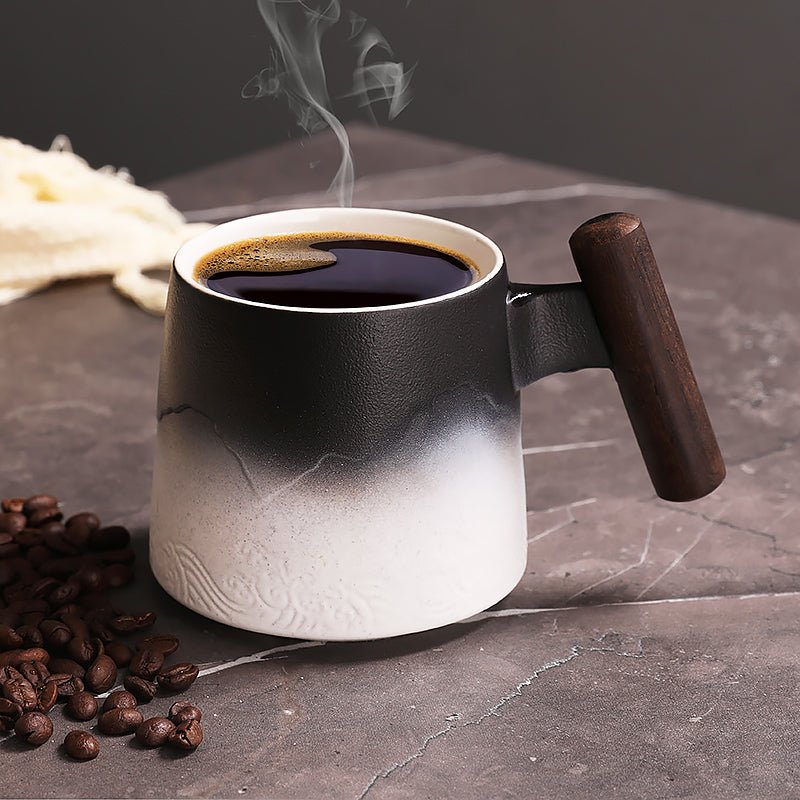
Coffee Mug Custom Guide: Materials, Sizes, Printing, and Buying Tips
A practical coffee mug custom buying guide from the shop floor: how to compare size, material, print quality, and care before you order. Use it to pick the right mug for home, office, or gifting wi...
En savoir plus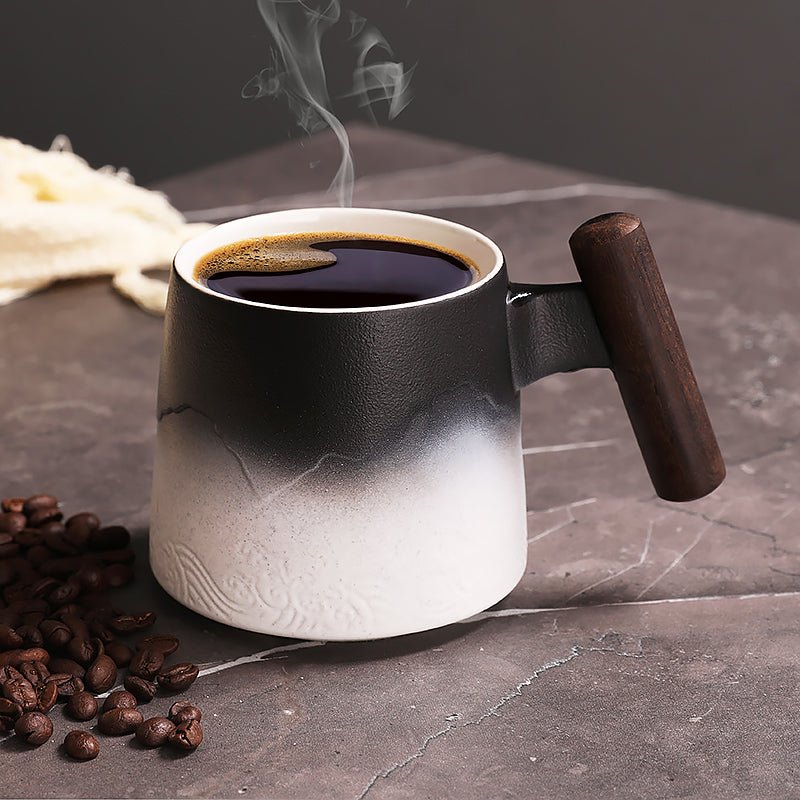
Coffee Mug to Go: What to Check Before You Buy
A practical coffee mug to go guide from the store side: what lid design, size, material, and care details matter, what fails first, and which mug suits commuting, desk work, or short errands.
En savoir plus
Laisser un commentaire
Ce site est protégé par hCaptcha, et la Politique de confidentialité et les Conditions de service de hCaptcha s’appliquent.