
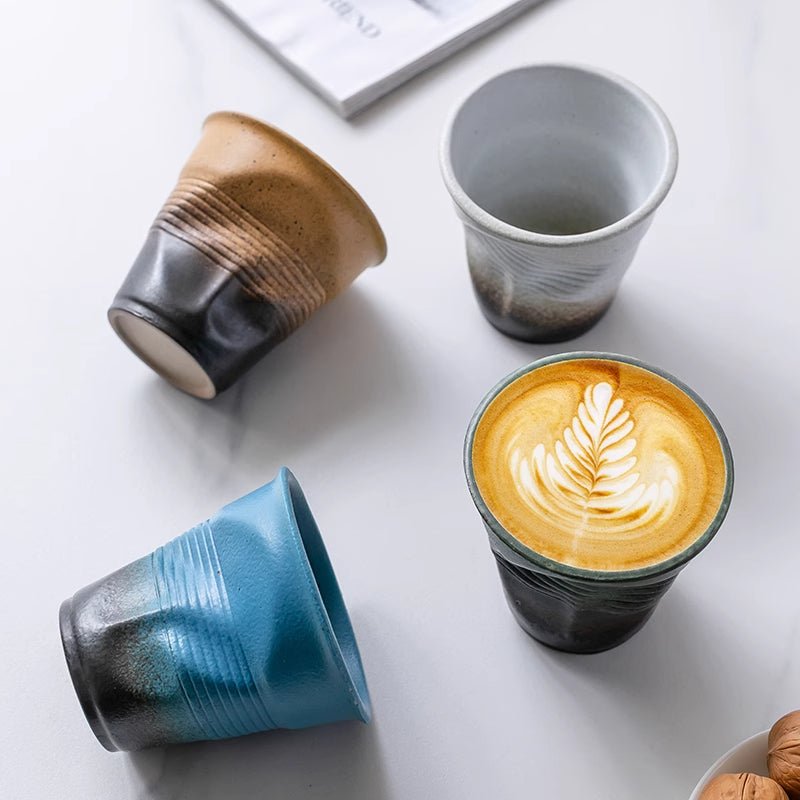
Tea Cups for Sale: How to Choose the Right Style, Size, and Material
Reading time: about 10 minutes
A tea cup looks simple until you try to buy one online. Then the details matter fast: the cup that feels elegant in a gift box may be too small for a desk refill, and the one that looks sturdy on a product page may turn out awkward to hold after a full mug of tea.
We see that all the time in our store. Buyers want tea cups for sale that look good, feel comfortable, and hold up to real use on kitchen counters, office desks, and through dishwasher cycles. That is the standard we use when we choose what belongs in our collection.
If you want to browse what we currently carry, start with our products page, or compare the full range in our collection. If you are shopping with a specific use in mind, this guide will help you sort the practical differences before you buy.
What should you check before buying tea cups for sale?
The first thing we check is not the pattern. It is the everyday fit. A cup can look beautiful and still be the wrong choice if the rim feels too thick, the handle is tight, or the capacity is too small for how you actually drink tea.
Here is the short checklist we use when reviewing tea cups:
- Capacity: Smaller tea cups usually suit formal tea service, while larger cups are better for everyday refills and loose-leaf teas that need more water.
- Handle size: A handle should fit at least two fingers comfortably if you plan to drink while working or reading.
- Rim thickness: A thinner rim often feels more refined, but a slightly thicker rim can be more durable for daily use.
- Material: Porcelain, ceramic, and stoneware each bring a different balance of weight, heat retention, and appearance.
- Care: Check whether the cup is made for dishwasher use, microwave use, or hand washing only.
That last point matters more than many shoppers expect. A delicate decorative cup may be fine for occasional tea service, but it is not the best pick for an office microwave or a sink shared with other dishes.
Which material works best for daily tea?
Material changes the whole experience. In practice, we usually see three main choices: porcelain, ceramic, and stoneware. Each has a different feel in the hand and a different tolerance for daily wear.
| Material | What it feels like | Best for | Trade-off |
|---|---|---|---|
| Porcelain | Lighter, smoother, often more refined | Gift sets, formal tea, lighter-drinking experiences | Can feel delicate and may chip if handled roughly |
| Ceramic | Balanced weight, versatile, familiar | Everyday kitchen use, mixed households | Glaze quality and finishing can vary |
| Stoneware | Heavier, more solid in the hand | Casual daily tea, cozy home settings | Bulkier and sometimes too heavy for people who prefer a lighter cup |
For daily tea at a desk, ceramic usually gives the easiest balance of comfort and durability. For a gift or display shelf, porcelain often looks cleaner and more polished. Stoneware is a good choice if you like a sturdier feel and do not mind extra weight.
None of these are perfect for every buyer. If you prefer a cup that stays cooler to the touch and feels elegant in hand, porcelain is often a better fit. If you want something forgiving for regular use, ceramic or stoneware is usually the safer buy.
How big should a tea cup be?
Size affects everything from steeping to refill frequency. A cup that is too small can cool too quickly, and a cup that is too large can make a delicate tea feel diluted or awkward on a saucer.
We usually think about size in terms of use case, not just ounces on a spec sheet. For example:
- Smaller cups suit formal tea service, tasting sessions, and homes where tea is served in measured pours.
- Mid-size cups work best for daily hot tea, especially if you like to sit with one cup for a while.
- Larger cups are better for people who want less refilling at a desk or who add milk, lemon, or a generous tea bag steep.
If your current cup always feels empty too quickly, move up a size. If your tea sits too long and cools before you finish it, a smaller cup may actually be the better choice.
We cover this trade-off in more detail in our guide to Large Cups for Tea: How to Choose the Right Size and Shape, which is helpful if you are deciding between a compact cup and something roomier for everyday use.
Do you need a tea cup with a handle?
Some shoppers want the classic handle. Others do not care, especially if they drink tea slowly at home. The handle is not just a style detail. It changes how hot the cup feels in the hand and how easy it is to carry from counter to table.
A handled cup is usually better if you:
- Drink tea while working at a desk
- Prefer to hold the cup without wrapping your palm around the body
- Want a more traditional tea-service look
A handleless cup can be a better fit if you:
- Like a cleaner, more modern profile
- Want a cup that stacks more easily
- Drink smaller servings that cool quickly
There is a real trade-off here. Handleless cups can be elegant, but they are not always the most comfortable option for very hot tea. If that is a concern, choose a handled cup or look for a shape with a wider body that is easier to cradle.
If you are comparing handle styles, our article on Daniel Handle Tea Cups: What Buyers Should Check Before Ordering covers the sort of details shoppers often miss on first pass, like grip comfort and balance.
Which tea cups make the best gifts?
Gift-buyers usually want two things: something attractive on arrival and something the recipient will actually use. That is where tea cups can be tricky. A very ornate set can be beautiful in the box and inconvenient in real life if the cups are too small, too fragile, or too fussy to clean.
In our experience, the best gift cups tend to have these qualities:
- A polished finish that photographs well on unboxing day
- A practical size for daily tea, not just occasional display
- Simple care instructions so the recipient does not have to baby them
- A shape that fits most hands comfortably
If you are shopping for holidays or a seasonal gift, our post on Christmas Tea Cups: What to Buy for Gifts, Sets, and Daily Use can help you decide whether to choose a festive design or something more neutral that gets used year-round.
One limitation to keep in mind: a decorative tea cup is not always the best option for someone who only wants one reliable cup for work or breakfast. In that case, a simpler everyday piece usually wins.
How do you know if a tea cup is easy to care for?
Care is one of the quickest ways to separate a practical cup from a pretty one. A cup that needs special handling every day can become a shelf piece instead of a real kitchen item.
Before buying, check for these care clues:
- Dishwasher safe: helpful for busy homes, but patterns and metallic accents may need gentler care.
- Microwave safe: important if you reheat tea or warm milk in the same cup.
- Glaze finish: a smooth glaze is easier to clean and less likely to stain from strong tea.
- Base finish: an unfinished or rough base can scratch counters and shelves if you stack cups carelessly.
We always pay attention to common wear points. Chips near the rim, hairline cracks around the handle join, and glaze crazing are the issues we watch for most closely because those are the defects customers notice after a few real uses, not just during the first unboxing.
If you want a cup that lives on the sink dish rack and gets used often, keep the decorative finishes simple. Fancy details can be lovely, but they are not always the easiest to maintain. Our guide to Fancy Tea Cups: What to Look For Before You Buy explains where style helps and where it creates extra maintenance.
What tea cups are best for an office desk?
Office use changes the buying decision a lot. A cup that is fine at home may be annoying at a desk if it is too wide for the coaster, too tall for the mug warmer, or too fragile for regular carrying between kitchen and workstation.
For desk use, we usually recommend looking for:
- A stable base that sits securely on a small surface
- A comfortable handle for one-handed use while typing or reading
- A medium capacity that keeps tea warm without constant refilling
- A finish that resists obvious staining from black tea
This is where a larger tea cup can make sense, especially if you do not want to leave your seat every 20 minutes. But size has a downside: bigger cups take more space and can feel clumsy if your desk is crowded. If your setup is compact, a more moderate cup is usually the better choice.
For buyers who want a broad view of practical drinkware options, our collection is the easiest place to compare styles side by side before narrowing down the best fit.
What should you avoid if you want tea cups that last?
Some tea cups look appealing online but are a poor fit for daily use. We try to be candid about that, because a good purchase is often about knowing what to skip.
Avoid or think twice about cups that have:
- Very thin rims if you tend to stack, store, or wash cups quickly
- Oversized handles that feel loose or awkward in the hand
- Highly textured exteriors that trap tea residue and need extra scrubbing
- Decorative metal accents if you plan to use the microwave
- Extremely small capacities if you usually drink a full mug-sized serving
We also caution against choosing a style only because it looks good in a product photo. Photos do not always show balance, weight, or the underside finish. Those details matter when the cup is full, warm, and in your hand.
If you are still deciding between daily-use options and something more decorative, our piece on Best Tea Mug: What to Buy for Daily Tea, Desk Use, and Gifts is useful for comparing practical drinkware choices without getting stuck on appearance alone.
Frequently asked questions
What size tea cup is best for everyday use?
For most buyers, a mid-size cup is the safest pick for everyday tea. It gives enough room for a normal pour without feeling oversized on the table or too small for a satisfying drink. If you add milk or want fewer refills, go a little larger.
Are porcelain tea cups better than ceramic?
Porcelain usually feels lighter and more refined, while ceramic often feels more durable and casual for daily use. Neither is automatically better. Choose porcelain for gifting or a polished look, and choose ceramic if you want an easier everyday cup.
Can tea cups go in the dishwasher?
Some can, but not all. Check the product details for dishwasher-safe guidance, especially if the cup has metallic decoration, delicate printing, or a specialty glaze. If you want the lowest-maintenance option, choose a cup clearly made for routine washing.
Do I need a handle on a tea cup?
Not always. A handle makes hot tea easier to hold and is often better for desk use or longer sipping sessions. Handleless cups can look cleaner and stack more easily, but they are less comfortable with very hot drinks.
What is the best tea cup for gifts?
The best gift cup is attractive, practical, and easy to care for. We usually suggest a design that looks special but still works for daily tea, so it does not end up as a display-only item. Neutral styles are often the safest choice if you are unsure about the recipient’s taste.
If you are ready to compare real options, start with our products page and use this checklist: material, capacity, handle comfort, and care instructions. That quick pass will tell you which tea cups for sale are worth adding to the cart and which ones only look good in the photo.
Related from our store
Read more
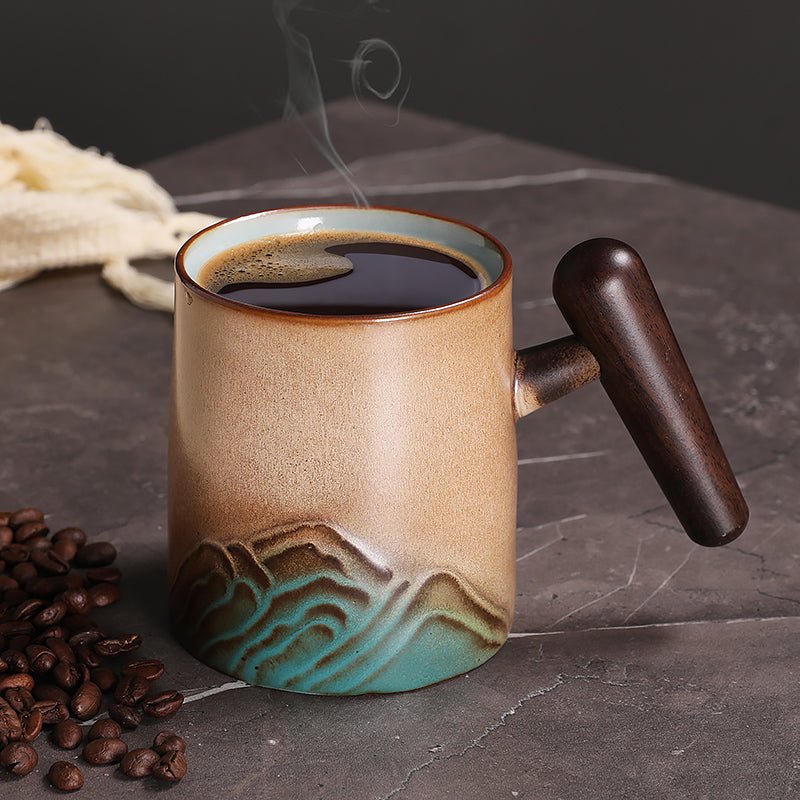
Tea in a Big Mug: What to Buy for Comfort, Heat, and Daily Use
A practical guide to choosing tea in a big mug without ending up with a cup that is awkward to hold, hard to clean, or too oversized for your routine. We cover size, material, shape, and the trade-...
En savoir plus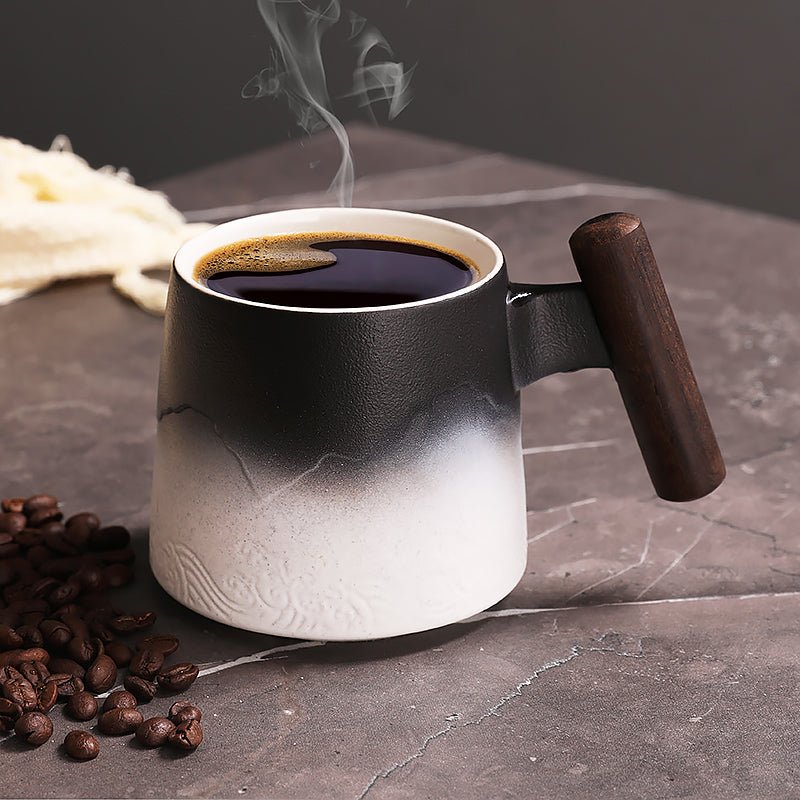
Coffee Mug Wide: What to Check Before You Buy
A wide coffee mug changes how your drink feels in hand, how fast it cools, and whether it fits your routine. Here’s what to check before buying, plus where a wider mug helps and where it doesn’t.
En savoir plus
Laisser un commentaire
Ce site est protégé par hCaptcha, et la Politique de confidentialité et les Conditions de service de hCaptcha s’appliquent.