
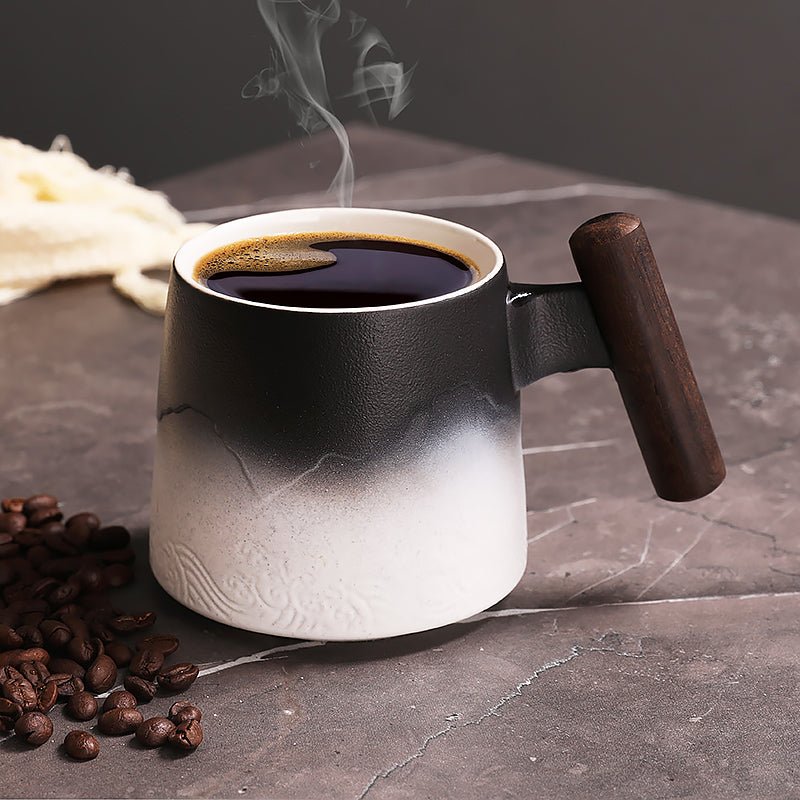
Taylor and Ng Coffee Mugs: What Buyers Should Check Before Ordering
Reading time: about 9 minutes
A mug that looks perfect on the product page can still feel wrong after the first few uses. The handle pinches, the cup runs too small for a normal pour, or the glaze shows every coffee ring after a dishwasher cycle.
That is why we treat taylor and ng coffee mugs like any other serious mug purchase: first we check the size, then the handle, then the finish, and only after that do we decide if it belongs on a kitchen counter or an office desk. In our store, we see shoppers make better choices when they compare the mug itself instead of chasing the picture.
If you want a broader starting point, our current range is here: shop our products. If you prefer to compare everything in one place, use our full collection.
What should you check before buying Taylor and Ng coffee mugs?
The first question is simple: will the mug work for the drink you actually make every day? That usually means looking past the design and checking capacity, handle clearance, rim thickness, and cleaning instructions. A mug can be attractive and still be annoying if the opening is too narrow for a spoon, the handle feels cramped, or the base is too small for a busy desk.
We usually tell shoppers to think about real use cases: morning drip coffee at home, tea on a work desk, or a gift that needs to look good out of the box. Those are different buys. A mug for a slow weekend cup can be heavier and wider. A mug for office use should sit stable beside a laptop and travel between the sink and the desk without feeling awkward.
- Capacity: match the mug to your usual pour, not the biggest drink you make once in a while.
- Handle: check that three fingers can fit comfortably if you like a secure grip.
- Rim: a thinner rim usually feels better to drink from, while a thick rim can feel sturdy but bulkier.
- Finish: glossy glaze hides less wear than a matte surface, but matte can show marks faster depending on use.
Which size fits your coffee routine best?
Size is where most buyers make the wrong call. A mug that is too small forces a refill. A mug that is too large lets the drink cool before you finish it. For shoppers comparing Taylor and Ng coffee mugs, the right capacity depends on how you actually drink coffee, not just how the mug photographs.
| Capacity | Best for | What to check |
|---|---|---|
| 8 oz | Espresso drinks, small tea servings, compact cabinets | Shorter height, small handle, easier storage |
| 12 oz | Standard drip coffee and most daily home use | Comfortable lift, balanced weight, easy shelf fit |
| 16 oz | Longer pours, milk-heavy drinks, office desks | Handle comfort, mug weight when full, microwave clearance |
| 20 oz | Large servings and buyers who do not want refills | Cabinet space, heat retention, stable base |
If you want a tighter fit for a standard cup, our 12 oz Coffee Mugs: What to Check Before You Buy guide is the most practical place to start. If you usually refill once and want a little more room, the 16 oz Coffee Mugs: What to Check Before You Buy article covers the trade-offs clearly. For bigger pours, read 20 Ounce Coffee Mugs: What Buyers Should Check Before Ordering before you commit.
We also keep a close eye on cabinet fit. A large mug can look great, but if it bumps the shelf above it or takes up half the dishwasher rack, it becomes a daily nuisance. That is why size should be measured against real storage space, not just drink volume.
What material and finish should you check first?
Most coffee mugs in this category are ceramic, stoneware, or porcelain. The label matters because each one behaves differently in hand and over time. Ceramic is common and versatile. Stoneware usually feels heavier and more substantial. Porcelain can feel refined and lighter, but thin walls may chip sooner if the mug gets knocked around in a crowded sink.
We look for three details that shoppers often miss:
- Glaze quality: a smooth, even glaze is easier to clean and less likely to trap staining around the lip or handle join.
- Rim thickness: a thick rim can make the mug feel sturdy, but it can also change the drinking feel in a way some buyers dislike.
- Base stability: a flat, well-balanced base matters on a desk with papers, chargers, and a laptop nearby.
Care is part of the decision too. If a mug is marked dishwasher safe, that still does not guarantee every printed design will age the same way after repeated cycles. The same is true for microwave use. If heat-up convenience matters to you, check the listing carefully and do not assume every decorated mug behaves like an undecorated plain cup.
For buyers who want a lighter small-cup option, the 8 oz Coffee Mugs: Size, Material, and Fit Guide is useful because it shows how capacity and material affect hand feel at the smaller end.
Are Taylor and Ng coffee mugs better for gifts or daily use?
Both can work, but the better choice changes with the buyer. For a gift, appearance and first impression matter more. For everyday use, comfort and durability matter more. A mug that looks charming in the box can still disappoint if the handle is too narrow or the mug feels unsteady when full.
We see gift buyers do best when they pick a mug that is easy to unwrap, easy to clean, and easy to place on a shelf. Office buyers usually want the opposite of decorative clutter: a mug that disappears into routine and just works. In practice, that means a sensible size, a dependable handle, and a finish that does not demand babying.
- Best for gifting: clean artwork, comfortable size, and a shape that looks polished on arrival.
- Best for daily use: balanced weight, dishwasher-friendly care, and a handle that stays comfortable when the mug is full.
- Not ideal for: people who need a travel mug, a spill-proof lid, or insulation for long commutes.
If your shopper profile is closer to everyday home use, the mug should feel practical first. If you are buying for display or a desk gift, a slightly more decorative finish can make sense, but we would still avoid anything with a fragile-looking handle or an unstable base.
What problems do we see most often after purchase?
Most return-worthy issues are not dramatic. They are small annoyances that show up on day three or day ten, once the mug is part of a normal routine. In our experience, the problem usually starts with one of a few common defect modes or fit issues.
- Handle too tight: it looks fine online, but fingers scrape the mug when it is full.
- Rim too thick: the mug feels heavy at the mouth and less comfortable for everyday sipping.
- Glaze marks or pinholes: tiny surface flaws can make the finish look less polished than expected.
- Base wobble: a slightly uneven bottom is frustrating on a desk and more noticeable on hard counters.
- Decal wear: printed decoration can fade or scratch if the mug is not made for repeated washing.
We check for these issues because they affect long-term satisfaction more than a product photo ever will. A mug can be attractive and still fail on daily usability. That is especially true for buyers who keep coffee beside a keyboard or use the mug several times a day. Small flaws become constant irritations.
That is also why we like to compare product listings against buying guides instead of relying on one picture. If a mug looks borderline for size or shape, it is worth checking a size guide before deciding.
Which related guides should you read before choosing?
If you are still narrowing things down, use the size guides as a shortcut. They are useful because they focus on the parts that actually affect ownership, not just the marketing copy. The best match depends on how much coffee you pour, where the mug will live, and how often it will go through the sink or dishwasher.
Start with 12 oz Coffee Mugs: What to Check Before You Buy if you want a standard everyday cup. Move to 16 oz Coffee Mugs: What to Check Before You Buy if you drink larger pours or want fewer refills. Use 20 oz Coffee Mugs: What Buyers Should Check Before Ordering when you know you want a bigger mug and need to verify cabinet and dishwasher space. If you prefer compact cups, the 8 Ounce Coffee Mugs: What Buyers Should Check Before Ordering post is the quickest comparison.
For shoppers who want a wider view beyond one size family, our a buyer's guide to large capacity coffee mugs is useful for understanding how bigger mugs change balance, heat retention, and storage needs. If your goal is style first, the Adorable Coffee Mugs: What to Look for Before You Buy article covers the giftable side of the decision.
Frequently asked questions
Are Taylor and Ng coffee mugs good for everyday coffee?
They can be, if the size and handle fit your routine. The best everyday mug is one you can lift comfortably when full, rinse quickly, and use again without thinking about it. Check the listing for capacity, care instructions, and whether the base sits flat.
What size Taylor and Ng coffee mug should I buy?
Most shoppers do well with 12 oz for standard drip coffee or 16 oz for larger pours. If you usually refill anyway, a smaller mug may feel better on the table and in the hand. If you hate refilling, move up a size but make sure the mug still fits your cabinet and dishwasher rack.
Are decorated coffee mugs safe for the dishwasher and microwave?
Not always. A mug can be made from durable ceramic and still have a decoration that ages differently under repeated washing or heat. Always check the product listing for care notes before you assume it is safe for both dishwasher and microwave use.
What should I avoid if I am buying a mug as a gift?
Avoid mugs with awkward handles, unstable bases, or finishes that look delicate if you know the recipient will use it daily. Gift buyers usually want something that looks good right away and works without special care. A mug that is hard to clean or too large for standard coffee can become a shelf piece instead of a daily cup.
What is the biggest trade-off with a larger mug?
You get fewer refills, but the mug is heavier, takes longer to finish, and needs more shelf space. Large mugs are useful for long work sessions or milk-heavy drinks, but they are not the best choice if you prefer smaller, hotter servings. Balance matters more than size alone.
If you want the fastest next step, compare the mug size you actually use against our current range in our full collection, then check the fit notes before you buy. If you want a narrower starting point, browse our products and compare the mug against the checklist above: size, handle comfort, finish, and care.
Read more

Starbucks Coffee Mug Japan: What Buyers Should Check Before You Buy
A practical guide to buying a Starbucks coffee mug Japan edition, including what to check for size, material, finish, and collector value before you order.
En savoir plus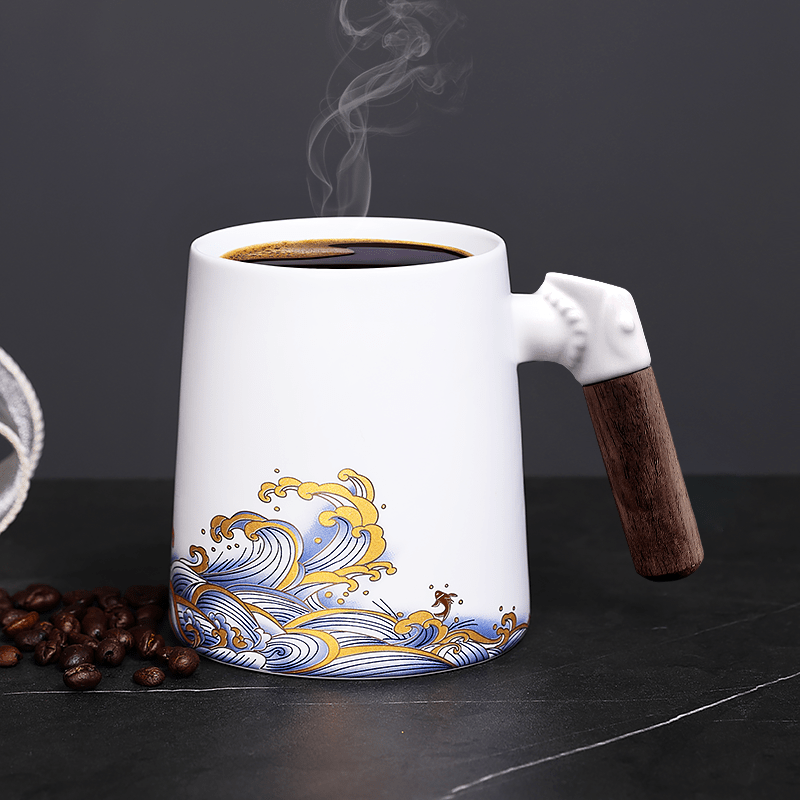
White Ceramic Coffee Mugs: What to Check Before You Buy
White ceramic coffee mugs look simple, but the rim, handle clearance, glaze, and base finish make a real difference in daily use. We break down what to check before you buy and where these mugs fit...
En savoir plus
Laisser un commentaire
Ce site est protégé par hCaptcha, et la Politique de confidentialité et les Conditions de service de hCaptcha s’appliquent.