
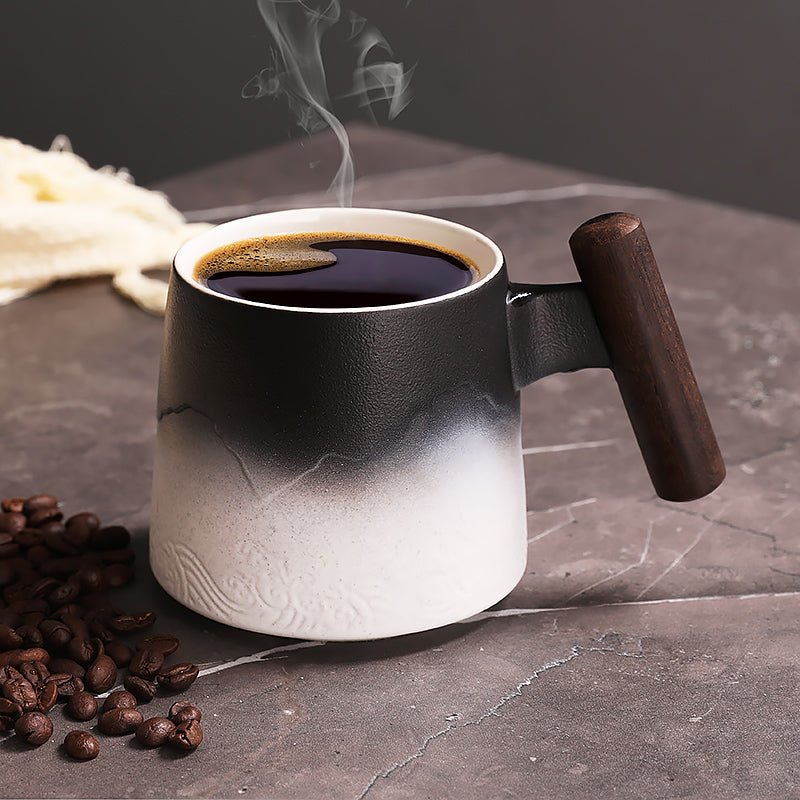
Target Coffee Mugs: How to Compare Sizes, Materials, and Everyday Use
Reading time: about 10 minutes
A mug looks simple until it misses the mark: too small for a real pour, too thick for a comfortable grip, or too glossy and slippery when it comes out of the dishwasher. That is usually where buyers start comparing target coffee mugs against other everyday options, and the details matter more than the label on the shelf.
We handle mugs for daily use, gifting, and display, so we look at the same things our customers do at home: how much coffee it actually holds, how it feels in the hand, how it stacks, and how it survives repeat dishwasher cycles. If you want a straightforward place to start, browse our mug products or see the full collection of all mugs we carry.
This guide is built to help you compare target coffee mugs with fewer surprises and a clearer next step.
What should you check first before buying a mug?
The first three checks are size, material, and handle comfort. Those are the traits that decide whether a mug gets used every morning or gets pushed to the back of the cabinet.
- Size: A 12 oz mug is usually best for a standard cup of drip coffee or tea. A 16 oz mug gives more room for milk, creamer, or a larger pour. A 20 oz mug works better for long desk sessions, but it can feel bulky if you prefer a lighter cup.
- Material: Most buyers compare ceramic, stoneware, porcelain, and stainless steel. Ceramic and stoneware are the most common for everyday home use because they feel familiar, hold heat reasonably well, and usually have a solid hand feel.
- Handle: The handle opening should fit at least two fingers comfortably. If the handle is too narrow, the mug may look nice but feel awkward with a full pour.
If you want a deeper size-by-size breakdown, our posts on 12 oz Coffee Mugs: What to Check Before You Buy and 16 oz Coffee Mugs: What to Check Before You Buy cover the practical differences we see most often.
Which size makes the most sense for your routine?
Size is the quickest way to narrow down target coffee mugs because the right choice depends on how you drink, not just how the mug looks on a product photo.
| Size | Best for | Trade-off |
|---|---|---|
| 12 oz | Standard coffee, tea, smaller servings, cabinet-friendly storage | Less room for milk or foam |
| 16 oz | Larger home pours, lattes, insulated sleeves, office desks | Can feel a little tall or heavy in some hands |
| 20 oz | Big coffee drinkers, long workdays, fewer refills | Bulkier and less suited to compact cup storage |
Our experience is that the 16 oz range is the most forgiving for everyday use. It gives enough capacity for a full mug without feeling oversized on a kitchen counter. That said, if you mainly drink black coffee and prefer a smaller serving, a 12 oz mug can feel better balanced. For buyers comparing larger options, our guide to 20 Ounce Coffee Mugs: What Buyers Should Check Before Ordering and our buyer’s guide to large capacity coffee mugs will help you avoid picking a mug that is too large for your shelf or hand.
One practical test we use in-store: fill the mug to the level you normally drink, then check whether it still leaves enough room to walk from the counter to the desk without sloshing. That sounds basic, but it catches a lot of poor-size decisions before they become daily annoyances.
Is ceramic always the safest choice?
Ceramic is a strong default, but it is not automatically the right answer for every buyer. It is usually comfortable to drink from, easy to coordinate with kitchen decor, and dependable for daily hot drinks. It also tends to show chips on rims and handles if it gets knocked against a sink or crowded into a cabinet.
Stoneware is a little heavier and often feels sturdier in the hand, which some buyers like because it feels less fragile. Porcelain is usually thinner and lighter, with a cleaner look, but it can feel less substantial if you prefer a thick-walled mug. Stainless steel is better for travel or outdoor use, but it is not the best match for someone who wants a classic desk or breakfast-table mug.
Here is the trade-off we tell shoppers to keep in mind:
- Ceramic: Great for daily home use, microwave-friendly in many cases, but not ideal if you are rough on dishes.
- Stoneware: Good for a heavier feel and more rustic look, but usually heavier to lift when full.
- Porcelain: Nice for a refined presentation, but often less forgiving if stacked tightly.
- Stainless steel: Better for portability, not the best choice if you want the classic hot-drink experience at home.
If a mug is going to sit next to a laptop all day, we usually steer buyers toward a well-balanced ceramic or stoneware piece instead of something overly decorative. Decorative mugs are fine for display or gifting, but they are not always the best if you want something you will reach for every morning.
What details make a mug feel good in real life?
The photos rarely tell you the full story. The details that matter most are the thickness of the rim, the weight in the hand, and whether the base feels stable on a desk or side table.
These are the practical details we look for when we inspect mugs in our store:
- Rim thickness: A thinner rim often feels smoother to sip from. A thicker rim can feel sturdy, but it may make the mug seem bulky.
- Base stability: A flat, even base reduces wobble on tile counters and office desks. A mug with a slightly uneven foot can rock, which gets annoying quickly.
- Glaze quality: Watch for pinholes, rough spots, or inconsistent glaze near the handle and rim. These are small flaws, but you notice them every day.
- Handle join: The handle should be smoothly attached with no sharp edges underneath where your fingers rest.
These are also the details that separate a mug you keep from a mug you re-gift. A nice pattern can still fail if the handle feels cramped or the mug overheats in the microwave.
How should you think about care and durability?
Care instructions are one of the easiest things to skim past and one of the easiest ways to end up disappointed. Even if a mug is labeled dishwasher safe, repeated cycles can still fade printed designs, dull certain glazes, or make metallic accents unusable in the microwave.
Our practical advice is simple:
- Check the finish. Matte finishes can show utensil marks more easily than glossy ones. Glossy mugs usually wipe down faster.
- Check the decoration. Hand-applied graphics and metallic details may look great, but they are often less forgiving in the microwave and dishwasher.
- Check the rim and handle. These are the areas most likely to chip if a mug gets bumped in the sink or stacked too tightly.
- Match the mug to the way you wash dishes. If you use the dishwasher daily, choose a mug made for that routine instead of one that needs gentle hand washing.
We have seen buyers fall in love with a mug that looks perfect on day one, then realize it is not ideal for a shared kitchen where dishes get loaded quickly and stacked high. That is why we recommend choosing durability based on your actual routine, not the best-case scenario.
Are target coffee mugs good for gifting?
They can be, but only if the mug feels intentional. A good gift mug should be useful after the packaging comes off. If it is too novelty-driven, too small, or awkward to hold, it may end up as desk clutter instead of a favorite cup.
For gift buying, we look for three things:
- A size most people can use: 12 oz or 16 oz usually works better than oversized mugs for a general gift.
- A finish that photographs well: This matters for the unboxing moment, but it should still be practical for daily use.
- A design that fits the recipient’s routine: Office mugs, tea mugs, and weekend coffee mugs are not always the same thing.
That is also why some buyers compare more decorative options like those in our Amusing Coffee Mugs: How to Choose One That Gets Used and style-driven picks like Anthropologie Coffee Mugs: How to Compare Style, Size, and Everyday Use. Style matters, but use matters more if you want the gift to stay in rotation.
A mug that gets used every morning is a better buy than one that looks perfect but never leaves the cabinet.
How do target coffee mugs compare with other everyday mug options?
Most shoppers are really comparing target coffee mugs against the same set of everyday alternatives: store-brand mugs, handmade ceramics, and specialty mug collections. The key differences usually come down to consistency, finish, and purpose.
Here is how we think about it in plain terms:
- Compared with handmade mugs: Target-style mugs are often more uniform in size and weight. Handmade mugs can have more character, but they may vary slightly from piece to piece.
- Compared with novelty mugs: Everyday mugs usually win on comfort and repeat use. Novelty mugs are fun, but not always ergonomic.
- Compared with travel mugs: Standard mugs are better for home and office desk use. Travel mugs are better for moving around, but they usually change the drinking experience.
If your main goal is a mug for a kitchen cabinet, a work-from-home desk, or a simple gift, the everyday format is usually the smarter buy. If you need something for commuting or outdoor use, a standard mug is not the best tool for the job.
What do we recommend checking on the product page before you buy?
Before you click buy, check the product page for the details that affect everyday use, not just appearance. We recommend looking for:
- Listed capacity: Confirm whether the mug is 12 oz, 16 oz, 20 oz, or another size.
- Care instructions: Dishwasher-safe and microwave-safe are not always the same thing.
- Material description: Ceramic, stoneware, porcelain, and stainless steel behave differently.
- Dimensions: Height and width matter if you store mugs under cabinets or in a narrow shelf.
- Photo angles: Look for side and top views so you can judge the handle shape and rim depth.
Our own store checks these details before we recommend a mug to a buyer, because the difference between a good purchase and a drawer-space mistake is usually something small and concrete.
Frequently asked questions
Are target coffee mugs usually microwave safe?
Many ceramic and stoneware mugs are microwave safe, but not all of them are. Mugs with metallic accents, foil-style graphics, or certain specialty glazes should be kept out of the microwave. Always check the product details before heating.
What size mug is best for daily coffee?
For most people, 12 oz or 16 oz is the most practical range. A 12 oz mug suits a standard pour, while 16 oz gives more room for milk, cream, or a larger coffee. If you refill often, a 20 oz mug can work, but it may feel oversized.
Do ceramic mugs chip easily?
Ceramic mugs can chip if they are knocked into sinks, stacked tightly, or used on rough shelves. The biggest weak points are usually the rim and the handle edge. A mug with a solid glaze and a stable base tends to hold up better in everyday use.
What is better for home use: stoneware or porcelain mugs?
Stoneware usually feels heavier and more casual, which many buyers like for everyday coffee. Porcelain is lighter and often looks more refined, but it can feel less substantial. If you want a sturdy kitchen mug, stoneware is often the easier fit.
Can I use a regular mug for tea and coffee?
Yes, most regular mugs work fine for both. If you drink tea, a 12 oz or 16 oz mug is usually a comfortable size. Just make sure the mug’s shape and handle feel good when held for a longer sipping session.
If you are still comparing options, start with your real routine: one-cup mornings, desk refills, or gift giving. Then check size, material, and care instructions against our full mug collection and choose the mug that will actually stay on your counter, not just in the cart.
More from our blog
Read more
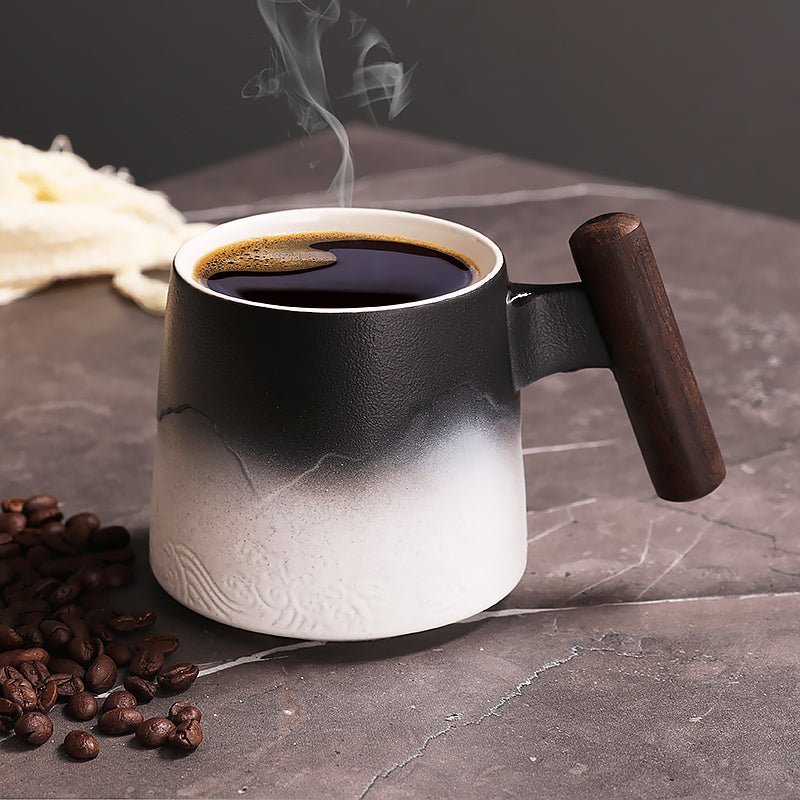
Self Stirring Coffee Mug: What to Check Before You Buy
A self stirring coffee mug can be handy for protein coffee, instant mixes, or mornings when you do not want to hunt for a spoon. Here is what matters most before you buy, including real trade-offs ...
En savoir plus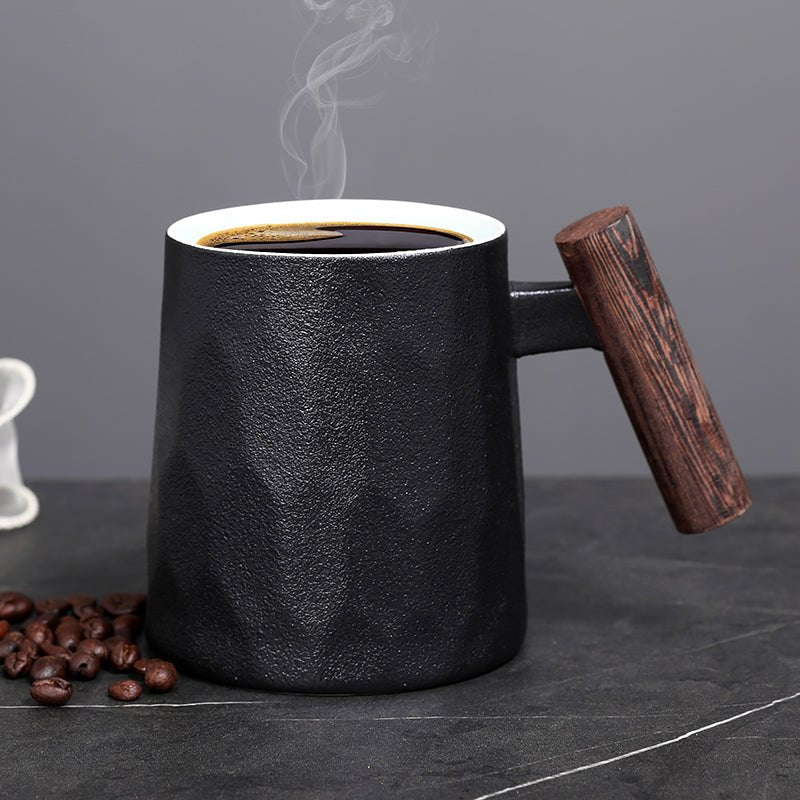
Norman Rockwell Coffee Mugs: How to Choose the Right One
A practical buying guide to Norman Rockwell coffee mugs, including what to check for material, size, print wear, and everyday use. Helpful if you want a mug that looks good on the shelf and still w...
En savoir plus
Laisser un commentaire
Ce site est protégé par hCaptcha, et la Politique de confidentialité et les Conditions de service de hCaptcha s’appliquent.