
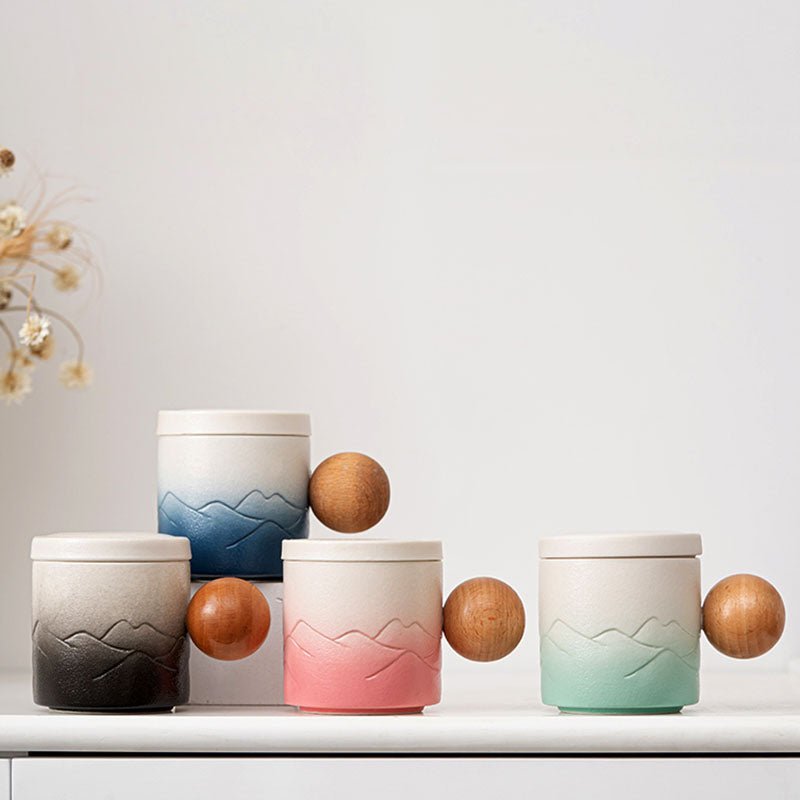
Stone Coffee Mugs: How to Choose Weight, Finish, and Daily Fit
Reading time: about 8 minutes
A stone mug on a kitchen counter tells you a lot before the first sip. It feels steadier in the hand, holds its heat a little longer than a thin cup, and usually looks better after a few dishwasher cycles than bargain ceramic that starts to stain at the rim.
That is why we keep seeing shoppers choose stone coffee mugs for daily use, desk setups, and gifts that need to feel more substantial out of the box. In our store, the best choices are not just pretty. They balance weight, lip comfort, glaze quality, and how easy they are to clean after a week of real use.
If you want a more sculpted look, start with the Pleated Coffee Tea Cup, the Golden Waves Kio Coffee Tea Mug, and The Flow Coffee Tea Mug. They show three very different ways stone coffee mugs can read on the table without turning into display-only pieces.
Why do stone coffee mugs feel better in daily use?
Stoneware is a denser fired clay body than many lightweight cups, so it tends to feel grounded rather than delicate. That heavier hand feel is part of the appeal. It gives the mug a stable presence on a desk, breakfast tray, or open shelf.
The trade-off is simple: stone coffee mugs are not the lightest choice. If you carry coffee upstairs, walk around the house with a full mug, or want something for a backpack or commute, a lighter cup or insulated travel mug may suit you better. A mug that feels satisfying at the sink can still be annoying if it is too heavy once full.
We like stone coffee mugs for routines that stay put. Think home office desks, slow breakfasts, and gift unboxings where the first impression matters. They are practical, but they still carry enough visual weight to feel intentional.
Which finish is easier to live with: matte, glossy, or textured?
Finish affects how a mug looks, but it also affects how you clean it and how it ages on the counter. A glossy glaze usually wipes down more easily after coffee drips or milk residue. Matte finishes can look warmer and more modern, but they may show utensil marks or coffee oils sooner if the surface is soft. Textured or sculpted finishes add grip and character, though they can catch fingerprints and require a little more attention around the handle and rim.
If you want to compare styles in one place, browse our all collection.
| Finish | Best for | Watch out for |
|---|---|---|
| Glossy glaze | Easy cleaning, everyday kitchen use, and a brighter look on the table | Fingerprints can show, and heavy stacking can leave scuffs over time |
| Matte glaze | A softer look, modern shelves, and a less shiny presentation | Some matte surfaces show tea oils or utensil marks more readily |
| Textured or sculpted | Gifting, display, and buyers who want a mug with more tactile character | Raised surfaces can take a little more effort to dry and inspect after washing |
The interior finish matters too. A fully glazed inside is easier to rinse after coffee, cocoa, or milk drinks. If the inside is unfinished or very matte, expect a little more care after use.
How do you compare weight, handle, and capacity before you buy?
Capacity is the first filter, but it should not be the only one. If you usually drink a standard mug of coffee, an oversized stone mug can feel too broad in the hand and cool more slowly than you want. If you add milk or like a longer pour, more capacity can be a real advantage.
For size-specific reading, see our guides on 12 oz Coffee Mugs: How to Choose the Right Mug for Daily Use, 14 Ounce Coffee Mugs: Fit, Materials, and Buying Guide, and 16 oz Coffee Mugs: How to Choose the Right Mug for Daily Use.
- Weight: pick enough heft to feel stable on a desk, but not so much that a full mug becomes tiring to lift.
- Handle clearance: make sure two fingers fit comfortably without your knuckles rubbing the mug body.
- Rim thickness: a slightly thinner drinking edge usually feels better for daily sipping; overly thick rims can feel bulky.
- Base balance: a flat, even foot ring matters if your mug lives on a laptop table, breakfast tray, or narrow office desk.
A mug can look perfect in a product photo and still fail the real test if the handle is too tight or the body is awkwardly broad. We see that most often with buyers who wanted a larger capacity but did not think through how the mug would actually feel once full.
Which stone coffee mugs work best for home, office, or gifts?
At home, stone coffee mugs do well on open shelves and breakfast tables because they look intentional without needing a full matching set. In an office, they are better for a fixed desk than for a carry-around cup. For gifts, they work best when the shape feels distinctive enough to seem chosen rather than generic.
- Home use: choose a finish you do not mind seeing every morning.
- Office use: look for a balanced base and a handle that clears your hand cleanly.
- Gifting: sculptural profiles stand out more when the mug is first unboxed.
- Not ideal for: commuting, car cup holders, or anyone who wants a light, travel-ready vessel.
That trade-off is why some shoppers compare stoneware against lighter ceramic pieces before deciding. The right mug is the one that matches how you actually drink, not the one that looks biggest in a product photo.
What should you check before ordering stone coffee mugs?
We check the same practical details our customers care about: glaze coverage, foot-ring stability, and whether the cup feels balanced once it is full. A good stone coffee mug should sit flat, pour cleanly, and show a consistent rim without obvious wobble.
Here is the short checklist we use in our store and recommend to shoppers:
- Check the interior finish: a fully glazed interior is easier to clean after coffee, tea, or milk drinks.
- Look at the base: a rough or uneven foot ring can scratch a table or make the mug feel unstable.
- Inspect the rim and handle: small cosmetic variations can happen in stoneware, but cracks, sharp edges, or a loose-feeling handle are not acceptable.
- Match care to your routine: if you plan to use the dishwasher often, choose a mug that is built for regular wash cycles and avoid sudden temperature changes.
One detail shoppers sometimes miss is glaze pooling. A little variation is normal in handcrafted stoneware, but if the glaze is too thick at the lip or handle join, it can affect the feel in the hand. That is the kind of thing we catch before a mug becomes your everyday cup.
Stone coffee mugs are at their best when they feel sturdy without feeling clumsy. If a mug looks beautiful but annoys you at the sink, it will not stay in rotation for long.
How do you care for stone coffee mugs without damaging them?
Stoneware is practical, but it is not indestructible. We recommend avoiding thermal shock: do not move a very cold mug straight into boiling water, and do not take a mug from the freezer and fill it immediately with near-boiling coffee. That kind of abrupt change is harder on any fired clay body.
For routine care, warm water and mild soap are enough for most mugs. If a glaze shows tea or coffee staining, a gentle soak usually helps. Scrubbing with abrasive pads is where people get into trouble, especially on matte finishes that can dull over time.
Stone coffee mugs are not the right pick if you need something ultra-light, collapsible, or insulated like a travel tumbler. They are built for a table, not a commute.
Frequently asked questions
Are stone coffee mugs dishwasher safe?
Many stone coffee mugs are dishwasher safe, but the care instructions should always come first. Fully glazed mugs usually hold up best in normal cycles, while matte finishes, metallic accents, and hand-finished details often last longer with gentler washing. If you want the easiest cleanup, choose a mug with a smooth interior and a stable foot ring.
Do stone coffee mugs keep coffee hotter for longer?
They usually hold heat a bit better than very thin mugs because the walls are thicker. They are still not a substitute for a thermos, and a wide opening will lose heat faster than a narrow one. If you sip slowly, a stone mug is a solid everyday choice, but it is not the best option for keeping coffee hot for an hour on a commute.
What size stone coffee mug is best for daily use?
For many people, 12 oz is the starting point for standard drip coffee. If you add milk, pour larger servings, or want room for foam, 14 oz or 16 oz can make more sense. The best size is the one that matches your normal pour, not the biggest one in the cabinet.
What defects should I look for before buying?
Check for a flat base, a clean rim, and a handle that feels secure in the hand. Small color shifts, glaze variation, or tiny pinholes can happen in stoneware, but cracks, sharp edges, and a mug that rocks on the table are not things to accept. If you see those issues, choose another piece.
Are stone coffee mugs a good gift?
Yes, as long as the shape feels intentional and the finish matches the person who will use it. Stone coffee mugs work especially well for housewarmings, office gifts, and people who like a mug with some weight in the hand. They are less ideal for someone who prefers featherlight cups or travel gear.
If you are narrowing the choice now, start with our all collection and compare finish, handle comfort, and capacity side by side. If you want a more sculpted look, the three mugs linked above are the fastest way to see how stone coffee mugs can vary without losing the everyday feel.
Read more
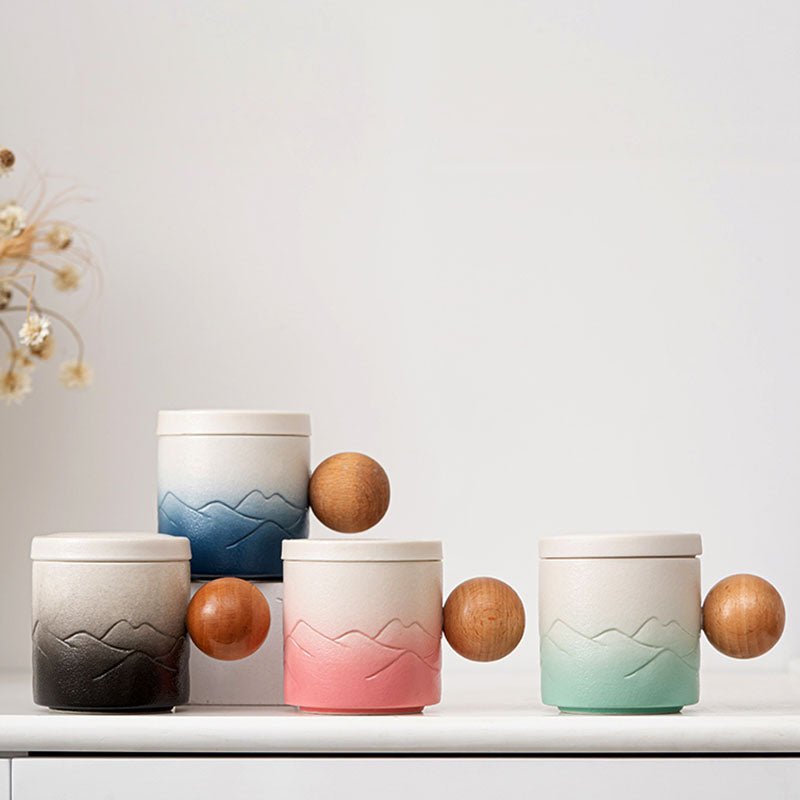
Bear Coffee Mug Buying Guide: Size, Material, and Gift Fit
A bear coffee mug should feel good in the hand, sit steady on the desk, and survive regular washing. This guide breaks down the size, material, and gift checks we use in our store before we recomme...
En savoir plus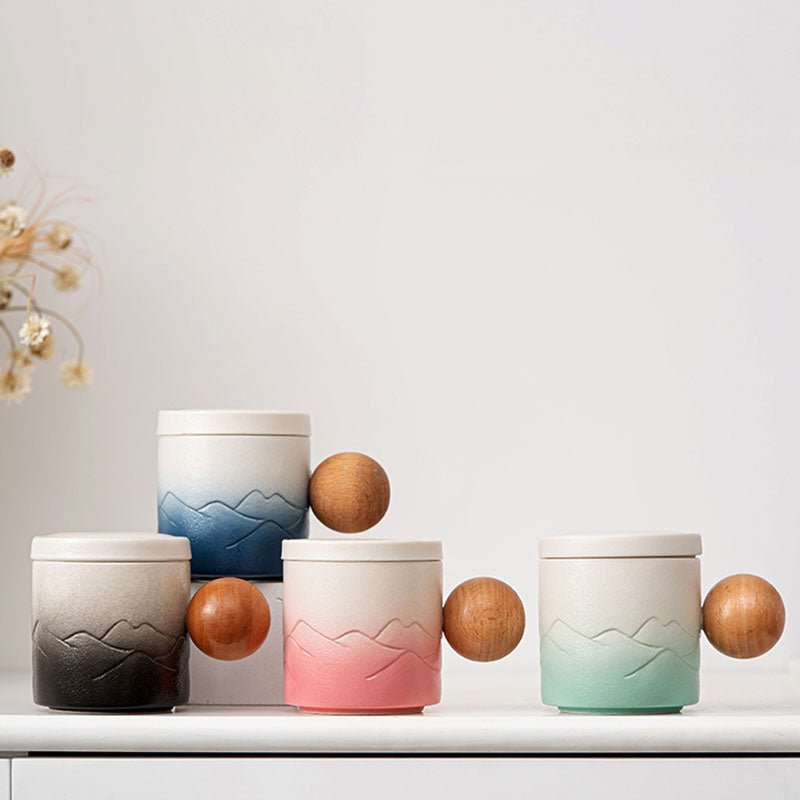
Initial Coffee Mug Buying Guide for Daily Use and Gift Giving
A practical guide to choosing an initial coffee mug that looks right on the shelf, feels balanced in the hand, and holds up to daily use and gifting.
En savoir plus
Laisser un commentaire
Ce site est protégé par hCaptcha, et la Politique de confidentialité et les Conditions de service de hCaptcha s’appliquent.