

Starbucks Coffee Mug Collection: How to Choose the Right One
Reading time: about 10 minutes
A mug can look right in a product photo and still feel wrong on a kitchen counter. The handle may pinch, the base may wobble on a desk, or the rim may be thicker than you expected once coffee actually hits it.
That is the kind of detail shoppers notice after the box is open. In our store, we look at a Starbucks coffee mug collection the same way a customer does at home: will it fit under the cabinet, does it feel balanced in the hand, and will it survive regular washing without turning into a shelf piece?
If you are comparing options, start with the basic buying checklist in our Starbucks Coffee Mug Buying Guide: What Shoppers Should Check First. For a broader overview of what buyers miss before ordering, Coffee Mug Starbucks: What Buyers Should Check Before Ordering covers the same decision points from a wider angle.
What makes a Starbucks coffee mug collection worth buying?
A good collection is not only about branding. It is about whether the mug fits the way you actually drink coffee. A strong everyday mug should have a comfortable handle, a stable base, and a finish that does not look tired after a few dishwasher cycles.
We see three things matter most in real use: material, capacity, and comfort. Ceramic and stoneware mugs usually feel best at the table because they have enough weight to stay put, but they can chip if they are knocked against a sink or stacked carelessly. Smaller mugs are easier to store and easier to finish before the coffee goes cold. Larger mugs are better for lattes, tea, and people who refill less often, but they can feel bulky in small hands.
For shoppers who care about appearance as much as use, the Starbucks coffee mug collection also tends to work well as a gift. A mug that arrives boxed neatly, with a clean print or glaze and no wobble on a flat surface, feels ready to give. A mug that looks decorative but does not pour well or sit evenly on the desk usually gets left in the cabinet.
If you want a deeper look at ceramic-specific buying points, our post on Starbucks Coffee Ceramic Mug: What Buyers Should Check Before Buying is the right next read.
How do you choose the right size and shape?
Size changes how a mug behaves. A 10 oz mug is often the sweet spot for a standard cup of coffee, especially if you want a manageable weight and a shorter drink window. A 16 oz mug is more forgiving for larger pours, milk drinks, and office use, but it takes up more cabinet space and can feel oversized on a small desk.
Shape matters almost as much as capacity. A tall, narrow mug can help keep heat in a little longer and may fit better on some coffee machines. A wider mug cools a bit faster and makes room for foam, cream, or a larger spoon. Handle opening also matters. If your fingers brush the body of the mug or squeeze the handle too tightly, the mug feels awkward no matter how good it looks.
We usually tell shoppers to measure the space where the mug will live before they buy. Check the shelf height under your cabinets, the cup clearance on your brewer, and the width of the handle if you plan to stack mugs side by side. A mug that is technically the right volume can still be a bad fit if it bangs into the cabinet lip every morning.
| Size | Best for | Trade-off |
|---|---|---|
| 10 oz | Smaller coffee servings, compact storage, lighter feel in hand | Less forgiving if you like larger pours or milk-heavy drinks |
| 12 to 14 oz | Everyday home use, flexible servings, office desks | Can feel like a middle ground without a strong advantage |
| 16 oz | Large pours, lattes, tea, slower sipping at a desk | Heavier, bulkier, and less convenient for small cabinets |
If you are trying to decide between compact and full-size options, our size guides help narrow it down. See 10 oz Coffee Mug: Size, Fit, and What to Check Before You Buy and 16 Ounce Coffee Mug Buyer’s Guide: Size, Material, and Fit.
Which material holds up best in daily use?
For this category, ceramic is usually the most practical choice. It feels solid, it is easy to rinse clean, and it gives you a familiar coffee-house experience at home or in the office. Stoneware is similar but often a little denser. Porcelain can feel finer and lighter, though some people prefer the thicker feel of stoneware for everyday handling.
There are trade-offs. Ceramic mugs can chip at the rim, especially if they are stacked tightly or hit the edge of a sink. Printed finishes can fade if the mug is not meant for repeated dishwasher use. A hairline crack near the handle is another common failure mode, and it usually shows up after a mug has taken a few hard knocks or thermal shocks.
That is why we pay attention to the details buyers often skip: the flatness of the base, the thickness of the rim, the smoothness of the glaze, and whether the handle is attached cleanly without rough seams. These are small things, but they are the difference between a mug that feels steady and one that feels cheap after a week.
Ceramic is not the best option if you need something for commuting, car cup holders, or rough outdoor use. If your coffee travels more than it sits, a travel tumbler is the better buy. A decorative mug collection is built for desks, breakfast tables, and kitchen counters, not for bouncing around in a bag.
What should you check before ordering online?
Online photos do not show everything. A mug can look symmetrical from the front and still have a handle that sits awkwardly or a foot ring that makes it rock on a flat surface. We recommend checking the listing details the same way our team would inspect stock before it goes on a shelf.
- Confirm the capacity and dimensions. Make sure the mug fits your routine and your storage space. A mug that holds the right amount but is too tall for your cabinet is not a good buy.
- Read the care instructions. Dishwasher-safe and microwave-safe are not the same thing as “safe for every cycle and every temperature swing.” If the finish is decorative, treat care notes seriously.
- Inspect the photos for the rim, handle, and base. Look for thick paint, uneven glaze, or a handle that appears too small for two fingers. These details matter in daily use.
- Check packaging if it is a gift. A mug that ships in a plain sleeve may still be fine, but a boxed presentation is better if you are sending it directly to someone.
- Review the product family as a whole. Our collections page and product listings make it easier to compare styles side by side before you decide.
We see the same pattern often: shoppers regret the mug they bought too fast, not because it looked bad, but because it did not match the way they actually drink coffee at home or at work.
How do these mugs behave in real kitchens and offices?
Real use exposes the small flaws. On a kitchen counter, a mug gets knocked against the sink, stacked under a cabinet, and washed after morning coffee. On an office desk, it sits beside a keyboard, gets moved around while someone is typing, and may spend hours between refills. That is where balance and finish matter more than design alone.
In our experience, the most common complaints come from three places: rim chips, handle wear from repeated stacking, and printed surfaces that do not hold up to the care routine the buyer expected. None of those are dramatic defects on day one. They show up over time, which is why the material and care instructions matter so much.
There is also a practical side to temperature. A ceramic mug does a good job for regular hot coffee, but it is not ideal for abrupt temperature changes. Going from a cold sink rinse to very hot water, or from the freezer to boiling liquid, can stress the material. That is one reason we recommend gentle handling if you want the mug to last.
For shoppers who like a specific style, a themed mug can be great. For shoppers who want the easiest daily use, a simple ceramic mug often wins. That is the honest trade-off: the more decorative the piece, the more you need to verify care, finish, and durability before you buy.
How does this compare with other coffee mug styles?
A Starbucks coffee mug collection sits in a different lane from travel drinkware, oversized novelty mugs, and thin glass cups. Each has a place, but they are not interchangeable.
| Style | Best use | Where it falls short |
|---|---|---|
| Standard ceramic mug | Home coffee, office desk, gifting | Not built for commuting or rough handling |
| Travel tumbler | Cars, errands, long commutes | Less of a table mug and usually less pleasant for relaxed sipping |
| Oversized mug | Large pours, soup, tea, very long mornings | Bulkier and harder to store |
| Double-wall glass | Showcasing layered drinks and heat visibility | More fragile and usually not as forgiving in daily handling |
If you want a mug for a desk, breakfast nook, or gift box, the standard mug format is usually the safest choice. If you want something that stays hot in a bag or cup holder, pick a different style. That trade-off matters more than the logo or the collection name.
For shoppers comparing themed mugs too, our article on Star Wars Starbucks Coffee Mug: What Buyers Should Check Before Ordering is useful because it shows the same quality checks applied to a more specific collection.
Frequently asked questions
Are Starbucks coffee mugs dishwasher safe?
Some are, but not every finish or printed mug should be treated the same way. Check the listing details before you buy, and if the mug has a decorative exterior, use the care instructions as written. A mug that is technically dishwasher safe can still look better longer with gentler washing.
What size Starbucks coffee mug is best for daily coffee?
For most buyers, 10 oz to 16 oz covers the usual range. A 10 oz mug feels more compact and is easier to finish while the coffee is still hot, while a 16 oz mug works better for larger pours and milk-based drinks. The right choice depends on your cabinet space and how much you actually drink at once.
Are ceramic mugs better than stainless steel for coffee at home?
For home use, ceramic is usually better for comfort, taste neutrality, and table presentation. Stainless steel is better for travel and insulation, but it does not deliver the same relaxed mug feel at the kitchen table. If you want a mug for a desk or breakfast nook, ceramic is the more natural fit.
What should I check if I am buying a Starbucks coffee mug as a gift?
Check packaging, capacity, and care instructions first. A gift mug should look clean from the first unboxing and be easy to use without extra explanation. If the recipient drinks coffee at work, a stable handle and moderate size matter more than a novelty shape.
How do I spot a low-quality mug online?
Look for unclear photos, missing dimensions, vague care notes, and close-up shots that avoid the handle or base. Those are common signs that the listing is not giving you the full picture. We also pay attention to whether the mug looks balanced on a flat surface and whether the finish looks even across the body.
If you are ready to narrow your choices, start with size, then material, then care instructions. After that, compare the options in our collections page and move into the product listings at products to find the mug that fits your counter, your cabinet, and the way you actually drink coffee.
More from our blog
Read more
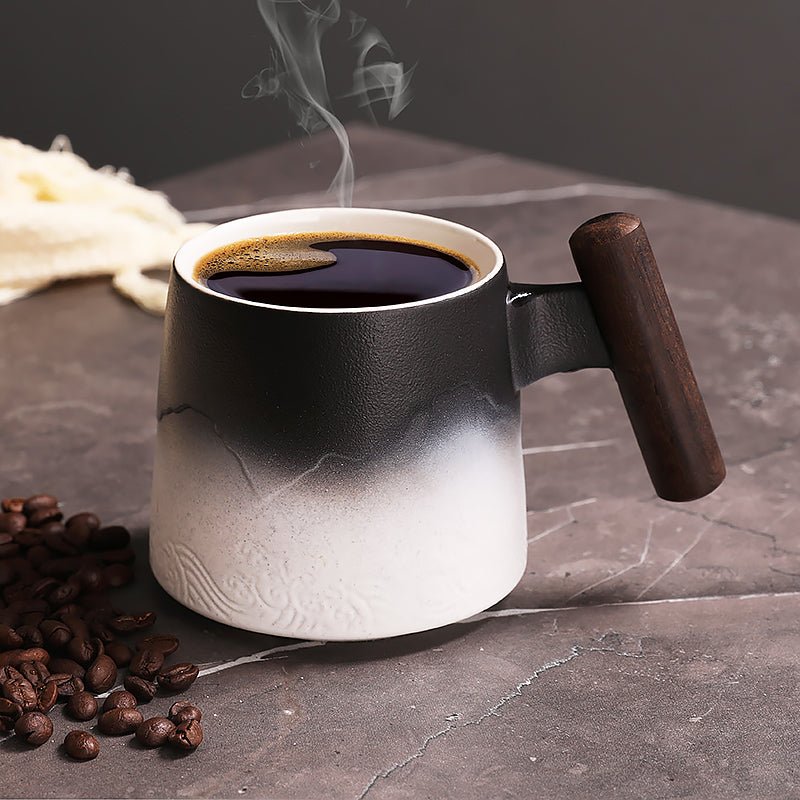
Coffee Mug Cakes: Best Mug Size, Materials, and Baking Tips
Coffee mug cakes are simple, but the mug you use changes the result. We break down the best sizes, materials, and kitchen-safe checks so the cake rises cleanly instead of overflowing or turning gummy.
En savoir plus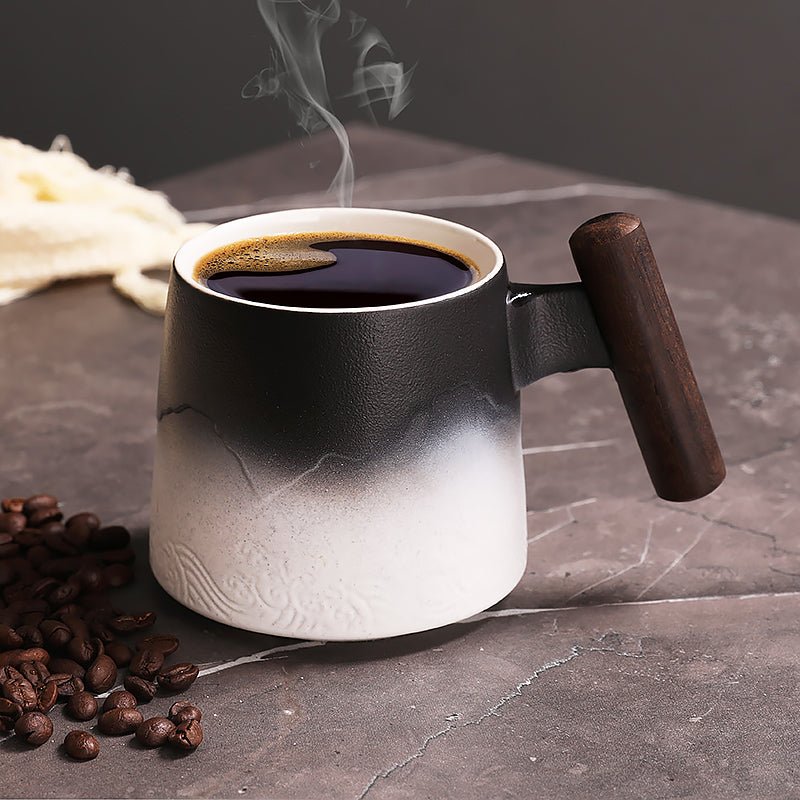
Etsy Coffee Mugs: What to Compare Before You Buy
A practical buyer’s guide to etsy coffee mugs, with the real checks we use for material, size, print durability, and daily use. See what’s worth paying attention to before you choose a mug for home...
En savoir plus
Laisser un commentaire
Ce site est protégé par hCaptcha, et la Politique de confidentialité et les Conditions de service de hCaptcha s’appliquent.