
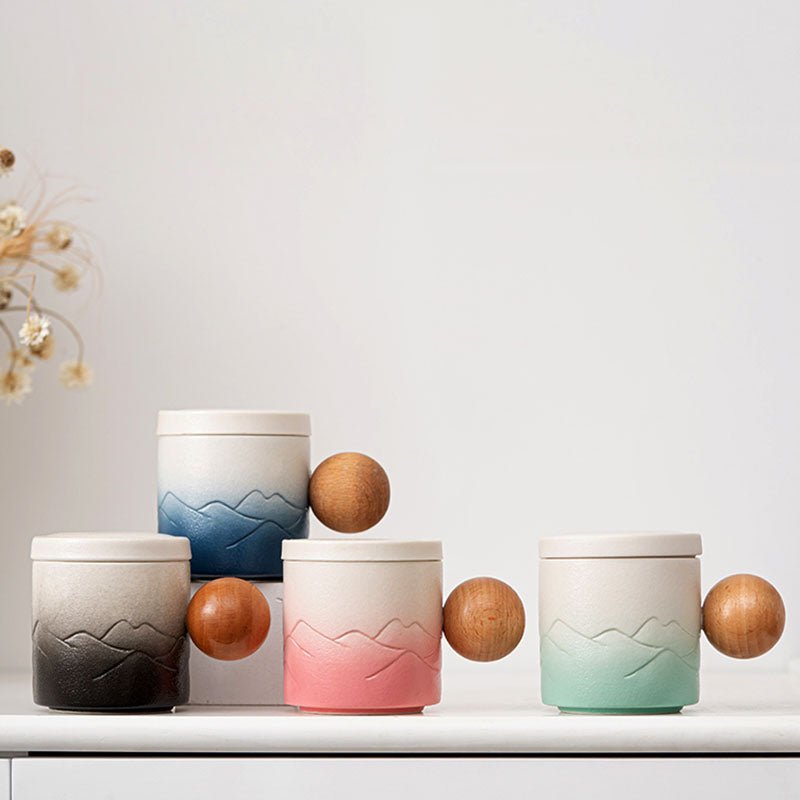
Small Coffee Mugs: How to Choose the Right Size and Style
Reading time: about 8 minutes
A mug can look small in a product photo and still feel awkward on a kitchen counter. The handle may be too tight for two fingers, the base may take up more space than expected, or the cup may hold just enough coffee to leave you reaching for a refill before the morning starts.
That is why we treat small coffee mugs as more than a size label. In our store, we look at the details that matter in real use: how the mug sits on a desk, whether it fits under a brewer, how the rim feels on the lip, and whether the shape still feels balanced when the cup is only half full.
If you want a compact everyday option with a classic look, our Retro Coffee Tea Cup is a good place to start. For a wider comparison of styles, you can also browse our full collection before you narrow down your shortlist.
What counts as a small coffee mug?
Most shoppers mean something in the 4 to 10 ounce range when they say small, but the right cutoff depends on how you drink. A true small mug is usually built for espresso, cortado, tea, or a shorter pour of drip coffee. A compact everyday mug is often closer to 8 or 10 ounces and gives you a little more room without turning into a bulky cup.
The shape matters almost as much as the capacity. A narrow mug with a tall wall can feel smaller in the hand, while a wide, low mug may feel roomy even if the ounce count is modest. That is one reason two mugs with the same listed capacity can behave very differently on a counter or in a cabinet.
If you are comparing tighter capacities, our guide to 8 Ounce Coffee Mugs: How to Choose the Right Small Mug is a useful companion. It breaks the size question down into practical use cases rather than treating every mug as interchangeable.
Which size works best for your drink?
We usually sort small mugs by how they get used, not just by the number on the listing. A mug that works for espresso can feel frustrating for a longer pour, while a mug that is comfortable for a desk can be too heavy for a quick shot.
| Capacity range | Best for | Main trade-off |
|---|---|---|
| 4 to 5 oz | Espresso, macchiato, short tasting pours | Very compact, but not enough room for a full coffee drink |
| 6 to 8 oz | Double espresso drinks, cortado, tea, smaller drip coffee | Good balance, but still not ideal for large milk-based drinks |
| 8 to 10 oz | Light everyday coffee, office use, smaller hands | More flexible, though it can lose the truly compact feel |
| 10 to 12 oz | Borderline small-to-medium use, long tea sessions, a little extra room | Less likely to be storage-friendly if you want a very small mug |
If your coffee routine is short and deliberate, a smaller cup can actually improve the experience. The drink stays warmer by volume, the mug feels lighter, and you are less likely to overfill it at the brewer. If you tend to sip slowly through a long meeting, though, a small mug can become more of a nuisance than a benefit.
- Choose 4 to 5 oz if you mainly drink espresso-based servings.
- Choose 6 to 8 oz if you want one mug that handles coffee and tea well.
- Choose 8 to 10 oz if you want compact size without feeling restricted.
- Skip the smallest mugs if you routinely add a lot of milk or foam.
Which material should you choose?
Material changes the feel of a mug more than most shoppers expect. A small mug in ceramic will usually feel different in the hand than one in porcelain or stoneware, even before you pour anything in it. The rim, the weight, and the finish all affect whether the mug feels refined, sturdy, or disposable.
| Material | What it does well | Watch out for |
|---|---|---|
| Ceramic | Common, versatile, and easy to style for daily use | Quality varies; thin glazes and rough feet are easy to notice on close inspection |
| Porcelain | Often lighter with a cleaner look and a finer rim feel | Can chip if handled roughly, especially on the lip or handle |
| Stoneware | Usually feels sturdy and substantial on a kitchen counter | Heavier in the hand, so it may not suit people who want the lightest mug possible |
| Glass | Lets you see the drink and can work well for tea or layered coffee drinks | Typically less insulating, so the drink may cool faster |
Our team also checks for the kinds of small defects that become obvious after the first use. A rough handle seam can catch your finger. An uneven foot ring can make the mug wobble on a desk. A weak glaze line near the rim can show up as a chip later, especially if the mug gets stacked tightly or moved through regular dishwasher cycles.
Those details matter because a small mug gets handled often. You notice the rim every time you drink. You notice the handle every time you lift it. And you notice the base the first time it lands on a hard counter with a little too much force.
What should you check before buying?
Small coffee mugs are simple products, but the best ones still reward careful checking. We recommend looking at the same practical details we would check when unboxing a sample in the store or setting one on a crowded office desk.
- Handle clearance: Make sure two fingers fit comfortably if that is how you hold a mug. A tiny handle can turn a good-looking mug into an annoying one.
- Base stability: A wider foot ring usually sits better on uneven counters and crowded trays.
- Rim comfort: A smooth rim feels better on the lip and tends to make the mug feel more finished.
- Care instructions: If the listing says dishwasher-safe, confirm whether that means top rack only or full dishwasher use. If it does not say, assume gentle hand washing is the safer choice.
- Cabinet fit: Measure shelf height if you stack mugs, especially in smaller kitchens where every inch matters.
- Gift presentation: If this is for a gift, a clean glaze, even color, and a balanced shape usually matter more than a high capacity.
If you want a more detailed checklist, our article on Small Coffee Mugs: What to Check Before You Buy walks through the buying details we would use ourselves. If you are planning to move the mug between home, work, or a car cup holder, Small Coffee Mugs for Travel: How to Choose the Right One is the better next read.
Are small coffee mugs good for daily use?
Yes, but only if your daily routine matches the size. Small coffee mugs are a strong fit for espresso drinkers, tea drinkers, and anyone who wants a compact cup that does not dominate a small kitchen shelf. They are also a good choice for people who prefer a measured amount of coffee rather than a large mug they keep topping off.
They are not the best option for every buyer. If you regularly make latte-sized drinks, fill your cup once and keep it full for an hour, or want a mug that doubles as a soup bowl, a small mug will probably feel too limited. The smaller volume is the point, and that is also the limitation.
We see the best results when buyers choose a mug based on the actual use case, not just the aesthetic. A compact mug for a quiet morning on a kitchen counter can be the right call. A larger mug might be better for an open-plan office, a long work session, or a household where everyone drinks different amounts.
If you want to compare styles quickly, our collection is the simplest place to scan the options side by side. You can compare shape, finish, and capacity before choosing the mug that fits your routine instead of forcing your routine to fit the mug.
Frequently asked questions
What size is considered a small coffee mug?
Most shoppers think of small coffee mugs as roughly 4 to 10 ounces. The lower end suits espresso and short pours, while the upper end works better for smaller drip coffee or tea. If you want a compact daily mug without going too tiny, 8 ounces is often the most flexible starting point.
Are small coffee mugs good for everyday coffee?
They can be, if you drink smaller servings or prefer a cup that does not take up much space. Small mugs are less suitable for large milk drinks or for people who keep coffee beside them for a long stretch. The best everyday choice depends on how much you pour and how often you refill.
What material is best for small coffee mugs?
There is no single best material for everyone. Ceramic and porcelain are popular for everyday use because they feel familiar and versatile, while stoneware usually feels heavier and more substantial. If you want to see the drink through the cup, glass can work well, but it usually gives up some heat retention.
How do I know if a small mug will feel comfortable to hold?
Check the handle shape and clearance first. If you like to slide two fingers through the handle, make sure the opening is not too tight. Also look at the mug’s weight and the thickness of the rim, because those details affect how the cup feels in the hand more than the capacity number does.
What should I avoid in a small coffee mug?
Avoid a mug with a cramped handle, a wobbly base, or a rim that looks uneven. Those issues show up quickly in daily use and can make even a good-looking cup frustrating. If the mug will live in a dishwasher, stack tightly in a cabinet, or get used on a desk every morning, those small flaws matter more than most buyers expect.
If you are ready to compare real options, start with the checklist above, then browse our collection and narrow it down to the mug that fits your size, grip, and care routine.
Read more
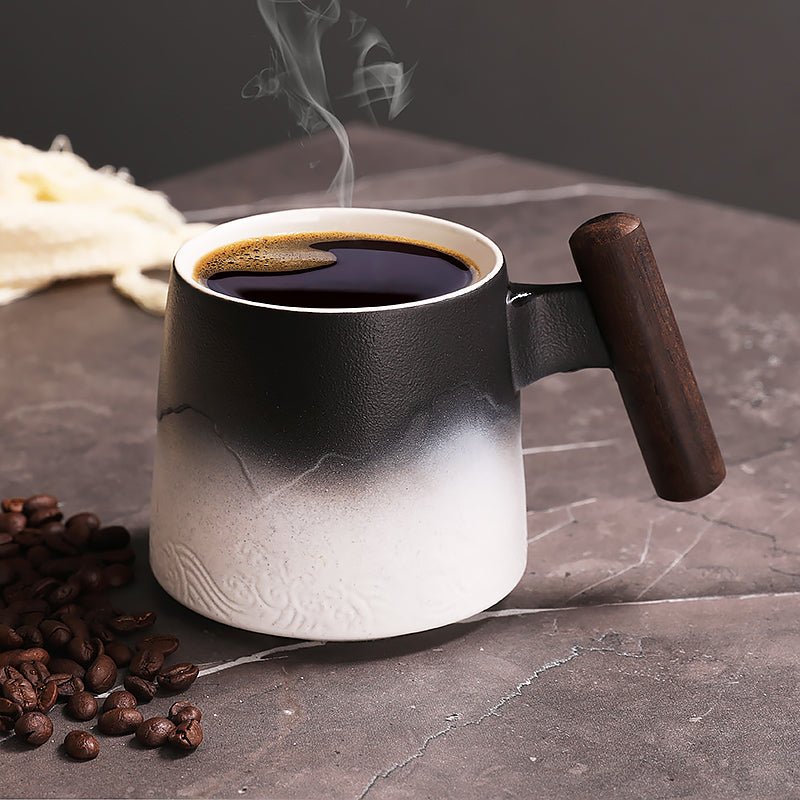
Coffee Mug Wall Hanging: What to Buy for a Secure Display
A practical guide to coffee mug wall hanging setup, from mug shape and handle fit to spacing, hooks, and the trade-offs that matter in real kitchens.
En savoir plus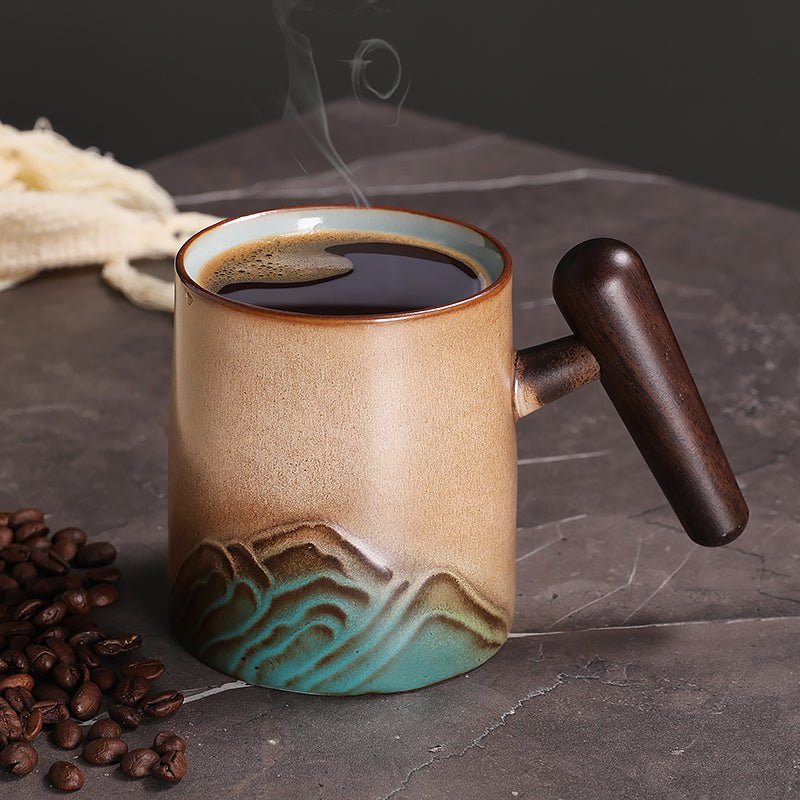
Talavera Coffee Mugs: What Buyers Should Check Before Ordering
Talavera coffee mugs stand out fast, but the details matter just as much as the pattern. We break down size, care, finish, and fit so you can choose a mug that looks good and holds up in daily use.
En savoir plus
Laisser un commentaire
Ce site est protégé par hCaptcha, et la Politique de confidentialité et les Conditions de service de hCaptcha s’appliquent.