
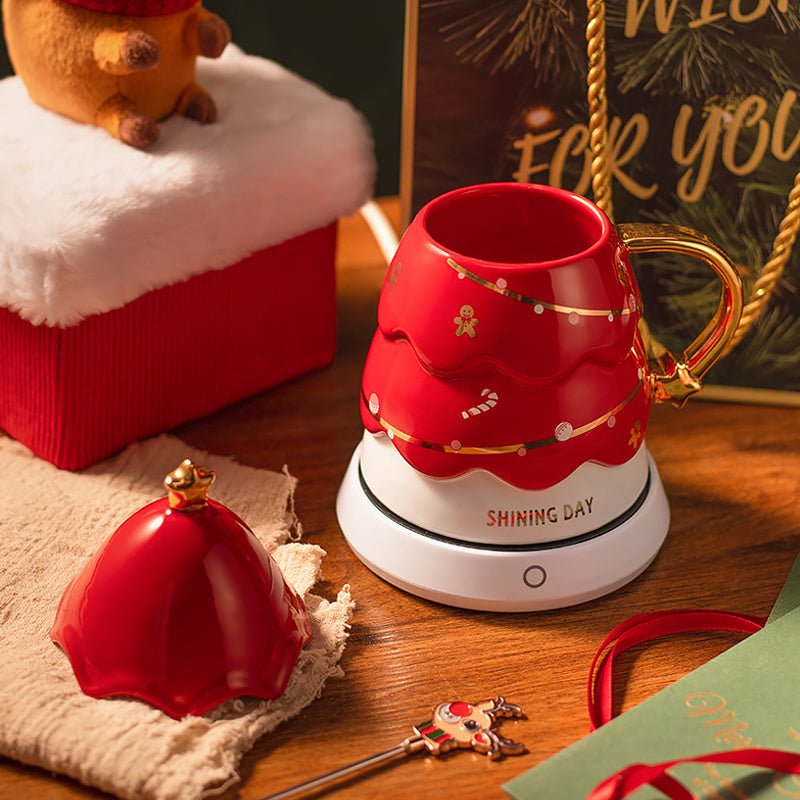
Santa Coffee Mugs: What to Check Before You Buy
Reading time: about 9 minutes
The first thing we check on a holiday mug is not the artwork. It is the handle, the rim, and the way the mug sits on a counter. A Santa face can look great in a product photo and still feel awkward when you are pouring hot coffee at 7 a.m. or rinsing a mug after cocoa at night.
That is why buying santa coffee mugs is less about the theme and more about the details behind the theme. Our team looks at the same practical points shoppers care about in real life: capacity, comfort, finish, and how the print holds up after a few wash cycles. If you are comparing seasonal drinkware, start with our broader mug catalog on the all products collection and use this guide to narrow the field.
What should a good santa coffee mug feel like in your hand?
A mug can be cute and still be annoying to use. The best holiday mug feels balanced when full, not top-heavy, and the handle should leave enough room for two or three fingers without scraping knuckles against the cup body.
In our experience, buyers notice three things right away after unboxing:
- Rim comfort: A smoother, slightly rounded rim is easier to drink from than a sharp-cut edge.
- Handle space: A narrow handle looks fine on a shelf but can feel cramped with larger hands.
- Weight balance: A mug that is too light can feel flimsy; one that is too heavy gets tiring on a desk.
Santa mugs are often bought as gifts, so the first-hand feel matters even if the mug will live on a coworker’s desk or beside a Keurig. If you are cross-shopping sizes, our size guides on 12 oz Coffee Mugs: What to Check Before You Buy and 16 oz Coffee Mugs: What to Check Before You Buy are useful because many holiday mugs land in those same everyday ranges.
Which size works best for coffee, cocoa, or office use?
Size changes how a Santa mug behaves. A smaller cup keeps drinks warmer a bit longer and feels better for espresso drinks or short pours. A larger cup is more forgiving for coffee with milk, hot chocolate with marshmallows, or someone who simply does not want a refill before noon.
Here is the practical version we use when helping shoppers compare:
| Size | Best for | Main trade-off |
|---|---|---|
| 8 oz | Espresso drinks, small servings, decorative gifting | Too small for many regular coffee drinkers |
| 12 oz | Standard drip coffee, everyday kitchen use | May feel modest if the buyer likes large pours |
| 16 oz | Long office mornings, lattes, cocoa | Heavier when full and takes more cabinet space |
| 20 oz | Big coffee pours, desk mugs, all-day sipping | Can be bulky and may not fit every machine or hand comfortably |
If you already know you need a larger winter mug, our size-focused articles on 20 Ounce Coffee Mugs: What Buyers Should Check Before Ordering and a buyer's guide to large capacity coffee mugs can help you decide whether a roomy format is worth the extra bulk. For buyers who want a more compact feel, 8 Ounce Coffee Mugs: What Buyers Should Check Before Ordering covers the smaller end of the range.
Our practical rule: if the mug is a gift and you do not know the recipient’s habit, 12 oz is the safest middle ground. If the mug is meant for an office desk or cold-weather cocoa, 16 oz or 20 oz can make more sense.
What materials and finishes hold up best on holiday mugs?
Most santa coffee mugs you will shop for are ceramic or stoneware. Those are the two materials we expect to see most often because they print well, feel substantial, and are easy to place on a kitchen shelf with other daily mugs.
That said, each finish has a trade-off:
- Glossy ceramic: Usually gives a brighter Santa design and a cleaner retail look, but fingerprints and water spots show more easily.
- Matte finish: Feels modern and can look premium, but some prints read softer and may not pop as much in low light.
- Stoneware: Often feels sturdy and relaxed, but the surface can vary more from piece to piece.
We also look closely at the practical defects that matter after the gift wrap comes off. Common issues include small glaze pinholes, uneven print placement, handles that are slightly off-center, and thin bases that make the mug sound hollow on the counter. None of those always make a mug unusable, but they affect how polished it feels as a gift.
For seasonal mugs, the finish should support the artwork, not fight it. If the Santa illustration is busy, a simpler body color usually reads better on the table. If the design is minimal, a brighter gloss can help the mug stand out without looking cheap.
How do you compare print quality and durability before ordering?
Santa artwork can be printed in a few different ways, and the method matters more than people expect. A mug with crisp edges and even color blocks tends to hold its look better than one where the red trim bleeds into the white background or the face is slightly cropped by the seam.
When we evaluate a design, we look for these specifics:
- Edge clarity: Lines around hats, beards, and lettering should be clean, not fuzzy.
- Wrap alignment: The image should sit evenly around the mug, especially if the design is meant to be viewed from the front.
- Color consistency: Reds should stay red, not shift orange or muddy gray under kitchen light.
- Surface feel: A printed mug should not have rough spots or raised edges that catch on a sponge.
Santa mugs are not the best choice if you want a plain office cup that disappears into the background. They are seasonal first, practical second. If your buyer values all-purpose drinkware over holiday styling, a standard ceramic mug from the main catalog may be the smarter pick than a themed cup. Browse the broader range at our product page if you want to compare styles side by side.
One thing we tell shoppers plainly: a novelty mug is often more about presentation than pure utility. That is not a flaw. It just means the right buyer is someone who wants a mug that makes December mornings feel a little more intentional.
Is a Santa mug a good gift, or just seasonal clutter?
It can be a strong gift if the recipient actually drinks coffee, cocoa, tea, or cider and enjoys holiday decor. It is less useful for someone who prefers insulated tumblers, avoids ceramic drinkware, or has already committed to a very specific mug collection.
In our store experience, santa coffee mugs work best for:
- Secret Santa exchanges where the budget is modest and the gift still needs to feel thoughtful.
- Teachers, office coworkers, and hosts who appreciate something seasonal but usable.
- Stocking stuffers paired with cocoa packets, coffee beans, or marshmallows.
- Households that already rotate seasonal kitchen items and want a December-specific cup.
They are not the best match if the recipient hates visual clutter, keeps a minimal kitchen, or prefers very large handled mugs all year. In that case, a neutral mug with a holiday add-on may be the better route. We try to be honest about that because a good gift is one that gets used, not just photographed once and stored on a shelf.
How should you care for a Santa coffee mug after the holidays?
Care is simple, but a little discipline helps the artwork last. If the mug is dishwasher-safe, that makes daily use easier. If the print is delicate or the finish looks handmade, hand washing is the safer long-term choice.
We usually recommend this routine:
- Rinse soon after use so coffee oils and cocoa residue do not build up.
- Use a soft sponge instead of an abrasive scrub pad on printed areas.
- Avoid soaking for long periods if the mug has a decorative decal or metallic accent.
- Store it where the handle will not bang against heavier mugs and chip the rim.
Seasonal mugs are often used hard in December and then packed away. That is where chips happen. The usual weak spots are the rim, the handle joint, and the base edge. If you are stacking mugs in a cabinet, place a paper towel or shelf liner between pieces so the Santa face does not end up rubbing against another ceramic surface.
If you want a mug that can stay in rotation beyond the holiday season, choose a design subtle enough to use with winter breakfasts and not just Christmas morning. That gives you more mileage from a seasonal purchase.
What should you compare before you buy one?
Before you place an order, use a simple checklist. It prevents the common mistake of choosing the cutest design and ignoring the rest.
- Capacity: Do you want a standard 12 oz feel, a roomier 16 oz cup, or a large 20 oz mug?
- Material: Is the mug ceramic or stoneware, and does the finish suit daily use?
- Handle: Does it look large enough for comfortable gripping?
- Print placement: Is the Santa graphic centered and easy to see from the front?
- Care: Can it handle your normal wash routine, or will it need gentler treatment?
- Use case: Is this for display, gifting, office coffee, or hot chocolate at home?
If you want to compare themes and formats across the full range, start with the all products collection and then narrow by size and style. That is usually faster than trying to decide from a single thumbnail photo.
Frequently asked questions
What size santa coffee mug is best for a gift?
For most people, 12 oz is the safest gift size because it works for regular coffee without feeling oversized. If the recipient likes lattes, cocoa, or bigger pours, 16 oz is often the better pick. Very large mugs are useful, but they are not ideal for everyone.
Are santa coffee mugs dishwasher safe?
Some are, but not all decorative mugs handle the dishwasher equally well. If the print is delicate, metallic, or has a special finish, hand washing is usually the safer choice. Check the product details before you buy and use a gentle sponge if you want the artwork to stay crisp longer.
What material is best for santa coffee mugs?
Ceramic is the most common and usually the easiest to live with for everyday coffee. Stoneware can feel sturdier and more gift-like, but it may vary more in texture and weight. If you want the mug to match a kitchen set, compare the finish as much as the artwork.
Do santa coffee mugs work for hot chocolate too?
Yes, and that is one of their strongest use cases. A 12 oz to 16 oz mug is usually the sweet spot for cocoa because it gives enough room for marshmallows without feeling unwieldy. For thick drinks, a comfortable handle matters more than the design.
What should I avoid when buying a holiday mug online?
Avoid relying only on the front-facing product image. Look for clues about size, handle shape, finish, and care instructions. If none of that is clear, compare it against a more complete listing in our main catalog or use one of the size guides before you commit.
If you are narrowing down options right now, start with the size that fits your drink habit, then check handle comfort and care instructions before you buy. After that, move to the full assortment on our product page and choose the Santa design that actually fits the way the mug will be used.
More from our blog
Read more
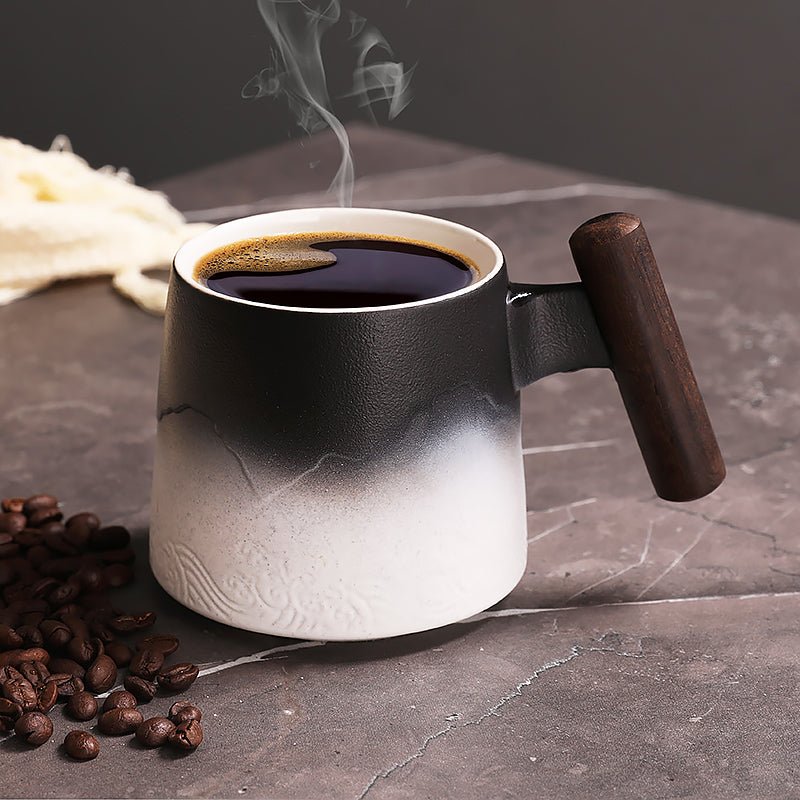
Pendleton Coffee Mugs: What to Check Before You Buy
Pendleton coffee mugs are a style and comfort purchase as much as a drinkware purchase. We break down size, material, print quality, and the small details that decide whether a mug stays in daily r...
En savoir plus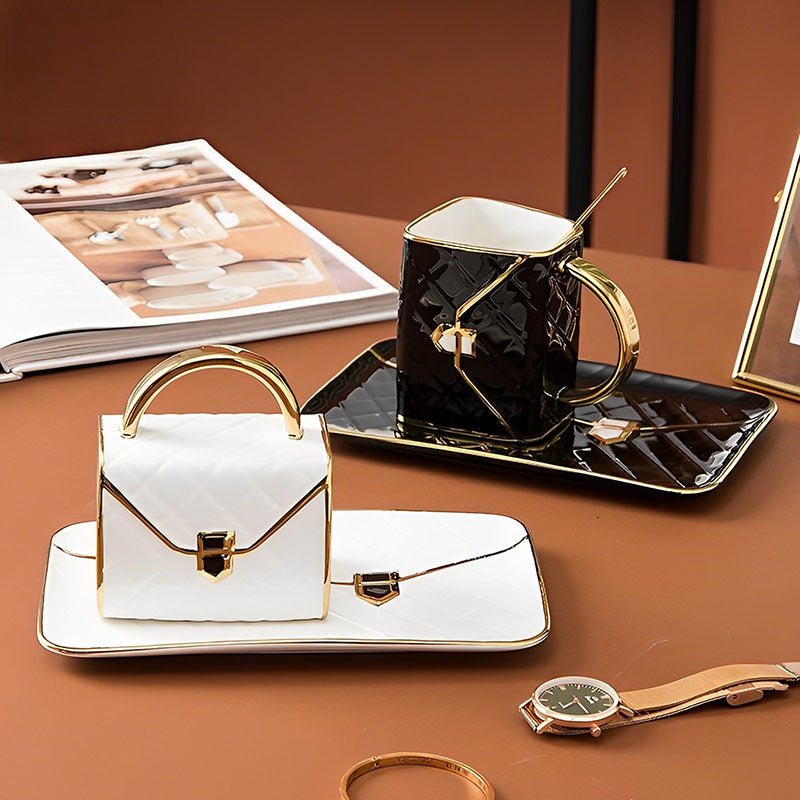
Dad Coffee Mug Buyer's Guide: Size, Material, and Gift Fit
Compare dad coffee mug sizes, materials, and gift-ready details before you buy. We cover real-world fit, care trade-offs, and the small checks that separate a mug he will use from one that stays in...
En savoir plus
Laisser un commentaire
Ce site est protégé par hCaptcha, et la Politique de confidentialité et les Conditions de service de hCaptcha s’appliquent.