
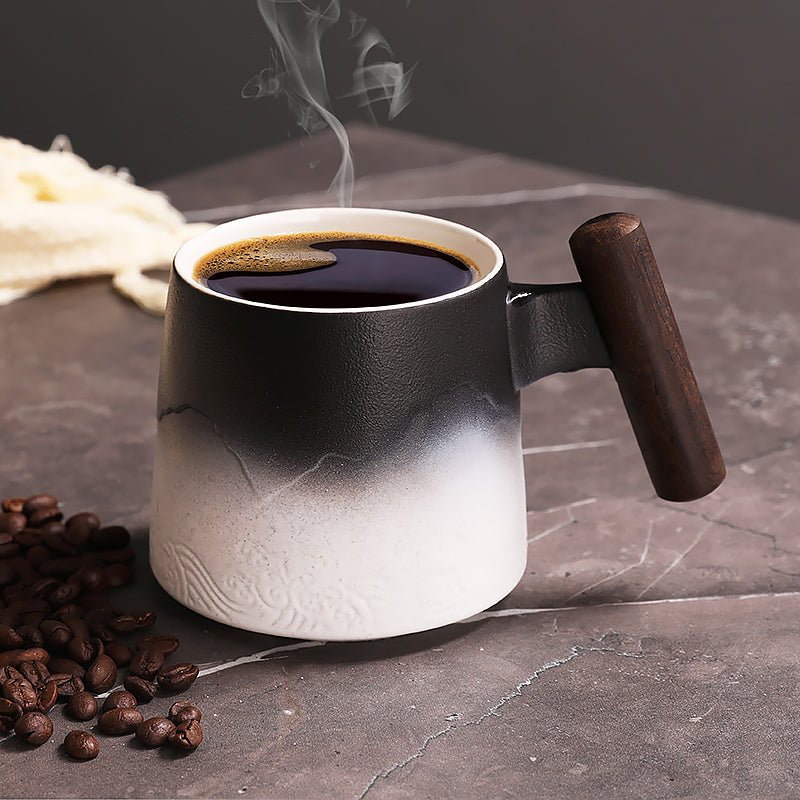
Restaurant Coffee Mugs: What Buyers Should Check Before Ordering
Reading time: about 8 minutes
A mug that looks fine on a shelf can feel wrong after a few lunch rushes. The handle pinches, the rim gets hot, and the stack wobbles in the dishwasher rack. That is usually when buyers start paying attention to restaurant coffee mugs for the right reasons.
We see the same pattern in our store all the time. Buyers want mugs that look clean on a table, hold heat long enough for a real service window, and still survive repeated washing without losing their finish. If you are comparing options now, the details below will help you make a choice that works in a dining room, office kitchenette, or guest-facing coffee station.
What makes restaurant coffee mugs different from home mugs?
Restaurant use changes the equation. A home mug might only see a few cycles a week, but a service mug can go from hot fill to wash rack to drying shelf many times a day. That means shape, glaze, and handle design matter as much as appearance.
In our experience, buyers usually notice the difference in three places:
- Wall thickness: Thicker walls can help retain heat and feel sturdier, but they also add weight. Very thin mugs can feel refined, yet they are more likely to feel hot at the rim and less forgiving in busy service.
- Handle clearance: A handle should fit a gloved hand, a large thumb, or a quick carry with no knuckle scrape. Small handles are a common complaint from staff and customers alike.
- Base stability: A flat, balanced base reduces wobble on a tray, countertop, or narrow saucer. This is one of the first things we check when comparing samples.
If you are still narrowing down size, our guides on 12 oz Coffee Mugs: What to Check Before You Buy and 16 Ounce Coffee Mugs: Size, Materials, and Fit Guide are useful because many restaurant buyers land in that middle range before they decide whether they need smaller espresso-adjacent cups or larger diner-style mugs.
Which mug size fits restaurant service best?
Size affects more than fill volume. It changes beverage temperature, perceived value, storage, and how the mug sits in a hand. A larger mug can feel generous, but it may also make coffee cool faster if the drink is not topped off quickly. A smaller mug can look neat and controlled, but it may not suit guests who expect a fuller pour.
Here is the practical way we think about common sizes:
| Size range | Best for | Main trade-off |
|---|---|---|
| 8 oz | Espresso drinks, small pours, tasting service | Less flexible for standard drip coffee |
| 12 oz | Most balanced everyday service | May feel small for large refill expectations |
| 16 oz | Heavier pours, takeaway-style presentation, longer sipping | More cabinet space and more coffee per pour |
| 20 oz | Big coffee drinkers, diner service, large-format menus | Can feel bulky and may cool unevenly if overfilled |
If your menu leans toward larger pours, our 20 Ounce Coffee Mugs: What Buyers Should Check Before Ordering guide and the shorter version, 20 oz Coffee Mugs: What Buyers Should Check Before Ordering, are good comparisons. For tighter servings and more controlled presentation, the 8 Ounce Coffee Mugs: What Buyers Should Check Before Ordering article and 8 oz Coffee Mugs: Size, Material, and Fit Guide are more relevant.
One practical note: a mug that works beautifully for a breakfast cafe may not suit a hotel breakfast station or an office coffee bar. Guests at a restaurant often expect a different balance than people pouring their own coffee from a communal urn.
Which materials hold up best in daily use?
Material choice should follow service conditions, not just the look of the mug. We see most buyers compare ceramic, stoneware, porcelain, and sometimes stainless steel. Each has a different feel, wash profile, and presentation style.
- Ceramic: Common, familiar, and easy to match across a dining room. It usually offers a solid hand feel and works well for general food service.
- Stoneware: Heavier and often more substantial in the hand. It can hide minor wear better than very bright glossy finishes, but the added weight may matter if staff carry trays all day.
- Porcelain: Typically a cleaner, more refined look with a lighter feel. It suits polished dining rooms, though it may show chips sooner if handled roughly.
- Stainless steel: Useful in some back-of-house or high-durability settings, but it is usually not the first choice for a traditional restaurant coffee presentation because it changes the customer experience.
For most front-of-house applications, a well-made ceramic or stoneware mug is the easiest starting point. It feels familiar, stacks predictably, and presents coffee in a way most guests expect. That said, these mugs are not the best fit for every setting. If your staff needs feather-light drinkware or your brand wants a very fine tea service look, another material may be a better fit.
What details should you inspect before placing an order?
We recommend checking the same handful of details every time because they are the ones that usually cause returns or complaints later. These are small differences on a spec sheet, but they show up quickly in real service.
- Rim shape: A smooth, even rim improves the drinking feel. Uneven glaze around the rim is something customers notice immediately.
- Handle attachment: The handle should feel secure and proportioned to the cup body. A handle that looks decorative but feels tight in the fingers is a bad fit for restaurant use.
- Glaze consistency: Check for color variation if you need a uniform tabletop look. Some variation can be intentional, but it should match your brand direction.
- Stacking behavior: If mugs will live in a service station or back counter, they need to stack or nest cleanly without sticking together.
- Cleaning instructions: If the mug is intended for dishwashing, verify the care guidance before you buy. Repeated heat and detergent exposure can expose weak glaze, thin edges, or sloppy base finishing.
We also suggest checking the base for roughness. A rough foot ring can scratch shelves, rattles on trays, and feels unfinished in hand. It is a small defect mode, but it creates constant friction in daily use.
How do finishes and colors affect restaurant presentation?
Finish changes how the mug reads on the table. Glossy white feels classic and easy to pair with almost any plateware. Matte finishes can look more modern, but they sometimes show fingerprints, utensil marks, or water spotting more clearly. Speckled and reactive glazes add character, but they can make batch-to-batch matching harder if you need a perfectly uniform look.
For branded spaces, that trade-off matters. A modern cafe may want a textured, handcrafted finish. A hotel restaurant may want a clean, repeatable white mug that disappears into the overall service flow. There is no single right answer, but there is a wrong one: choosing a finish because it looks good in a photo while ignoring how it cleans, stacks, and wears under real dishroom conditions.
If you are trying to build a broader mug assortment, our A buyer's guide to large capacity coffee mugs can help you decide when larger mugs make sense and when they just create storage headaches. For buyers comparing the entire range, the full collection is the simplest place to compare shapes and styles side by side.
What should you buy if you are ordering for a restaurant, cafe, or office?
The right mug depends on the service model. We usually steer buyers toward a different starting point depending on how the mug will be used.
- For full-service restaurants: Start with balanced, durable mugs that feel steady on a table and easy for staff to carry.
- For cafes: Choose a mug that supports the beverage menu. If you serve drip coffee, lattes, and tea, a middle size often gives the best flexibility.
- For offices: Prioritize comfort, easy cleaning, and storage efficiency. Office kitchens usually need fewer decorative details and more practical durability.
- For gifting or retail shelves: Look for a more distinctive silhouette, but do not sacrifice handle comfort or rim quality.
In our store, we usually advise buyers to think beyond the first impression. A mug that photographs well is not always the mug that holds up best after the tenth wash cycle. And a heavy mug that feels premium at first can become tiring for staff if it is carried all shift.
If you want a straightforward place to compare options, start with our products and use the size guides above to narrow the field before you order.
Frequently asked questions
What size restaurant coffee mug is most common?
For many dining rooms, 12 oz and 16 oz mugs are the most practical starting points because they balance presentation and drink volume. Smaller 8 oz mugs work better for espresso or short pours, while 20 oz mugs are better for customers who expect a very large serving.
Are ceramic restaurant coffee mugs durable enough for daily service?
Yes, if the mug is well made and intended for food service. The key is not just the material but the wall thickness, rim quality, and glaze consistency. A ceramic mug with a weak handle or rough base can cause more problems than a better-built stoneware piece.
Should restaurant coffee mugs be dishwasher safe?
For most commercial settings, they should be easy to clean and suited to repeated washing. Always check the care guidance from the seller or manufacturer, because some decorative finishes and specialty glazes do not hold up as well in frequent wash cycles.
What is the biggest mistake buyers make with restaurant coffee mugs?
Buying based on looks alone. The most common issues we see are handles that are too small, mugs that are too heavy for staff to carry comfortably, and finishes that do not wear well after repeated use. A good mug should work in the dishroom, on the tray, and in the customer's hand.
Do larger mugs always work better for restaurants?
No. Larger mugs can be great for generous portions, but they use more space, more coffee, and sometimes feel awkward for staff or guests with smaller hands. A medium size is often the better choice unless your menu specifically calls for a larger serve.
Use the checklist above, then compare the styles in our collection with your real service needs in mind. If you already know your target size, the linked size guides are the fastest way to narrow to the right restaurant coffee mugs before ordering.
Read more
Jesus and Coffee Mug Buying Guide: Size, Print, and Gift Value
A buyer-focused guide to choosing a Jesus and coffee mug that feels good in hand, holds up in daily use, and makes sense as a gift.
En savoir plus
Twin Peaks Coffee Mug: What Buyers Should Check Before They Buy
A Twin Peaks coffee mug should feel good in the hand, hold the right amount of coffee, and keep its print looking clean after regular use. We break down size, materials, care, and gift value so you...
En savoir plus
Laisser un commentaire
Ce site est protégé par hCaptcha, et la Politique de confidentialité et les Conditions de service de hCaptcha s’appliquent.