
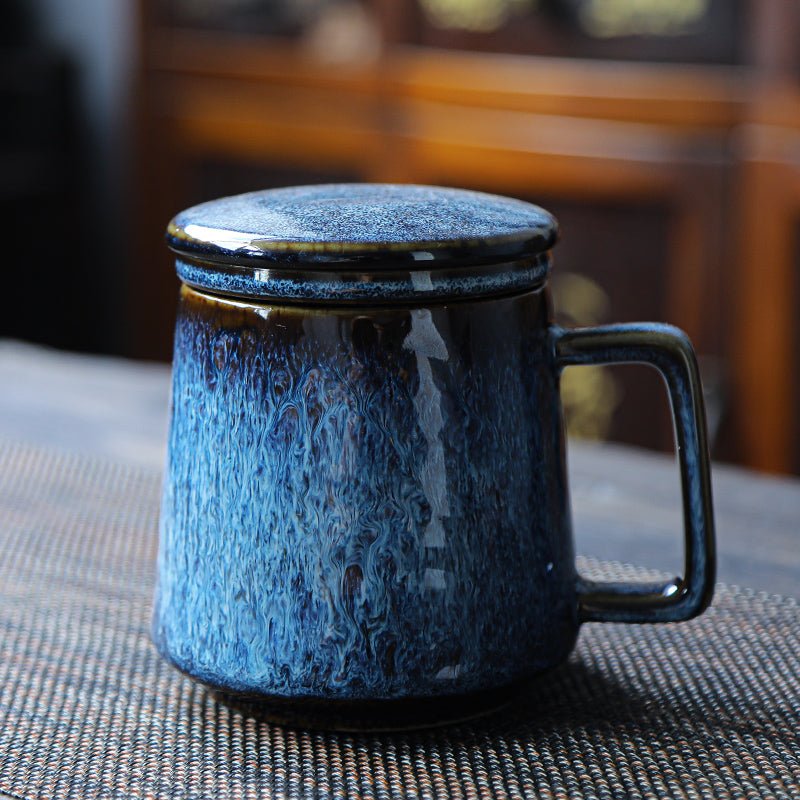
Regular Coffee Mug Size: What Buyers Should Expect Before Ordering
Reading time: about 8 minutes
A mug that feels perfect at the sink can feel wrong on the desk. Too small, and you are refilling before the meeting starts. Too large, and the coffee cools before you finish the first half.
That is why the regular coffee mug size question matters more than it sounds. In our store, we see buyers using that phrase to mean anything from a compact 8 oz cup to a familiar 11 oz everyday mug. The real answer depends on how you drink, how you serve, and how the mug has to live in your kitchen.
If you want a quick visual reference while you compare styles, start with our full mug collection. For examples that sit comfortably in the everyday range, the Retro Coffee Tea Cup, Ball Handled Coffee Tea Mug, and Pleated Coffee Tea Cup are useful starting points.
What does regular coffee mug size usually mean?
There is no single legal or universal definition for a regular coffee mug size. In shopping terms, it usually means a mug that feels like a normal daily cup rather than a large travel-style vessel or a small espresso cup. Most buyers are looking for something around 8 to 12 oz, with 10 to 11 oz being a common everyday reference point.
That range works because it matches a typical drip coffee serving without pushing the mug too high or too bulky. It also fits most cabinet shelves and dishwasher racks better than oversized novelty mugs. We see that regularly in unboxings and customer feedback: people want a cup that looks balanced in the hand, not one that dominates the table.
For more comparison context, our article on Average Coffee Mug Size: What Buyers Should Expect covers the basic size expectations buyers usually bring to the search.
How many ounces should a regular mug hold for daily coffee?
The right ounce count depends on how you actually drink your coffee.
- 8 oz: Best if you drink a smaller pour, prefer espresso-based drinks, or want a cup that stays compact on a crowded counter.
- 10 to 11 oz: The most familiar everyday size for many shoppers. It holds a standard serving without looking oversized.
- 12 to 14 oz: Better if you like a longer drink, add milk, or want fewer refills during desk work.
We recommend thinking beyond the number on the listing. A mug with thick walls and a wide mouth can feel larger than the ounce count suggests. A taller, narrower mug can hold the same amount but feel more stable in the hand. That is why dimensions matter as much as capacity.
If you want a deeper comparison between capacity and daily use, our guides Coffee Mug Ounces: How to Pick the Right Size for Daily Coffee and Coffee Mug Size Guide for Everyday Use and Gift Buying are both useful before you order.
Which dimensions make a mug feel like the right size?
Capacity is only part of the story. The handle clearance, rim width, and overall footprint change the way a mug feels in real use.
| What to check | Why it matters | Buyer trade-off |
|---|---|---|
| Rim diameter | Changes sip comfort and how fast the coffee cools | Wider openings are easier to drink from but lose heat faster |
| Handle space | Affects whether two or three fingers fit comfortably | Small handles save space but can feel cramped |
| Base width | Determines stability on desks and saucers | Narrow bases fit more shelves but tip more easily |
| Wall thickness | Affects heat retention and hand feel | Thicker walls stay warmer longer but add weight |
In practice, a regular coffee mug size should sit comfortably under a brewer, rest safely on a desk, and survive a dishwasher cycle without feeling fragile. That last part matters. Thin handles, uneven foot rings, and poorly finished glaze can turn a decent-looking mug into an annoyance after a week of use.
We also see common defect modes that shoppers should watch for in any ceramic mug: hairline cracks near the handle join, rough glaze at the lip, and uneven bottoms that make the mug rock on a flat surface. Those issues are small on a product page and obvious in the hand.
Which mug styles work best if you want a regular-size cup?
Not every mug that sits in the regular range feels the same. Shape changes the experience.
- Retro profiles feel familiar and balanced for drip coffee or tea. The Retro Coffee Tea Cup is a good reference if you want a classic table-friendly look.
- Ball-handled mugs usually offer a more decorative grip and a slightly more deliberate feel in the hand. Our Ball Handled Coffee Tea Mug suits buyers who care about handle character as much as capacity.
- Pleated or fluted cups can look elegant on open shelving and often make a small mug feel more special without becoming oversized. The Pleated Coffee Tea Cup is a strong fit if you want something that reads as regular size but not plain.
If you are choosing for a tight kitchen corner, the dimensions matter more than the style name. Our article on Best Ceramic Mug Size for a Small Coffee Corner is worth reading before you buy multiple mugs for a compact space.
What should you check before ordering a mug online?
Buying a mug online is mostly about avoiding surprises. We suggest checking these details before you add anything to cart:
- Capacity in ounces so you know whether it fits your usual pour.
- Diameter and height so it fits under your coffee machine, in the dishwasher, and on your shelf.
- Material, especially if you want ceramic for a more familiar heat feel and a sturdier everyday weight.
- Finish details like glaze coverage, lip smoothness, and handle attachment.
- Care instructions if you want a mug that can handle repeated washing without babying.
In our experience, ceramic mugs are best for buyers who want a dependable daily cup with a familiar hand feel. They are not the best choice if you need something ultra-light for commuting or something insulated for slow sipping across a long work shift. In those cases, a thermal tumbler or travel mug is the better tool.
We also tell shoppers to think about what the mug is not good for. A regular coffee mug size is not ideal for oversized latte pours, cold brew with lots of ice, or desk setups where spill resistance matters more than ceramic feel. A bigger vessel may be smarter there.
How do we help shoppers choose the right mug size in our store?
We sell mugs the way people use them: on a kitchen counter, beside a laptop, or wrapped as a gift that needs to look right when it comes out of the box. That means we pay attention to the details that are easy to miss online.
We look at whether the mug sits level, whether the handle is comfortable for more than a two-finger grip, and whether the shape feels balanced when full. We also consider how it behaves in real routines like dishwasher cycles, cabinet stacking, and morning coffee refills. A mug can be pretty and still be awkward. We do not consider that a good trade.
If you are comparing options right now, the simplest path is to start with the full assortment on our collection page and then narrow by shape and capacity. That helps you compare a classic mug, a decorative handled cup, and a more sculpted ceramic profile side by side.
Frequently asked questions
Is 11 oz a regular coffee mug size?
Yes, 11 oz is one of the most common everyday mug sizes shoppers expect. It usually holds a standard serving without feeling oversized on a desk or crowded shelf. If you add milk or like larger pours, you may prefer 12 oz or more.
Is 8 oz too small for regular coffee?
Not necessarily. An 8 oz mug works well for smaller servings, tea, or espresso-based drinks with less volume. It can feel small if you drink large drip coffee or refill less often during the day.
What material is best for a regular-size coffee mug?
Ceramic is the most familiar choice for a regular-size mug because it feels stable, holds heat reasonably well, and suits everyday home use. It is not the best option if you need a travel-safe cup or something extremely lightweight. For most counter and desk setups, ceramic is the practical middle ground.
How do I know if a mug will fit my coffee machine?
Check both height and rim width, not just ounces. A mug can hold the right amount and still be too tall for the brewer or too wide for the drip area. If you use a machine daily, compare the listed dimensions to your clearance before ordering.
What size should I buy as a gift?
If you do not know the recipient's habits, a 10 to 11 oz mug is the safest starting point. It is familiar, versatile, and usually useful for coffee or tea. If the person likes large lattes, choose a bigger size instead of guessing small.
If you want a practical next step, compare the ounce count, handle comfort, and rim width on the mugs you like best, then decide whether you want a classic shape or something more distinctive. From there, start with the full mug collection and narrow to the style that fits your daily pour.
Read more
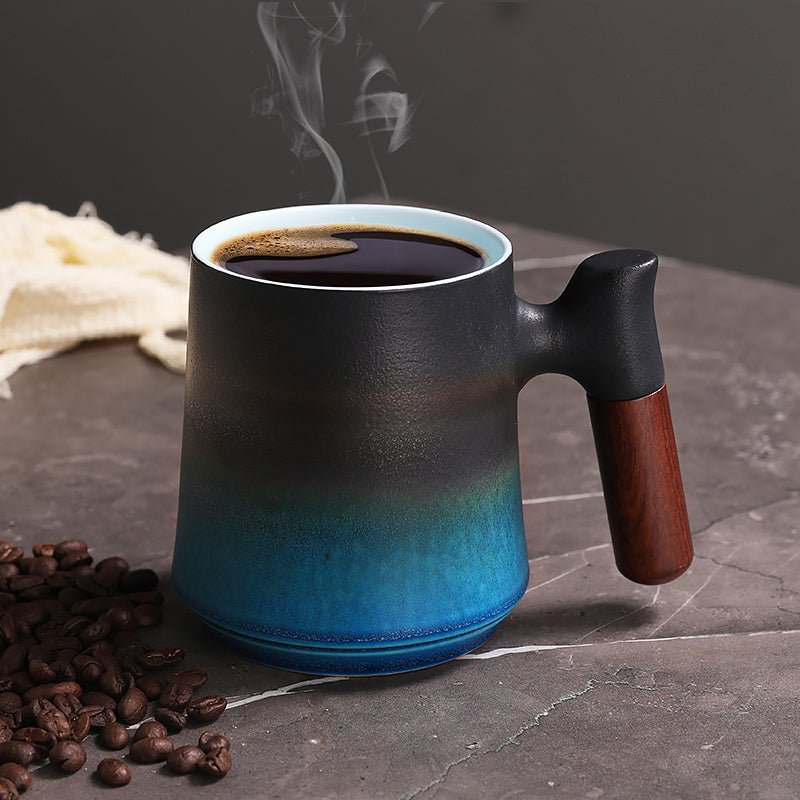
16 Ounce Ceramic Coffee Mugs: What to Check Before You Buy
We break down how 16 ounce ceramic coffee mugs feel in the hand, which shapes fit different routines, and what to check before you buy. The goal is simple: pick a mug that works on a real kitchen c...
En savoir plus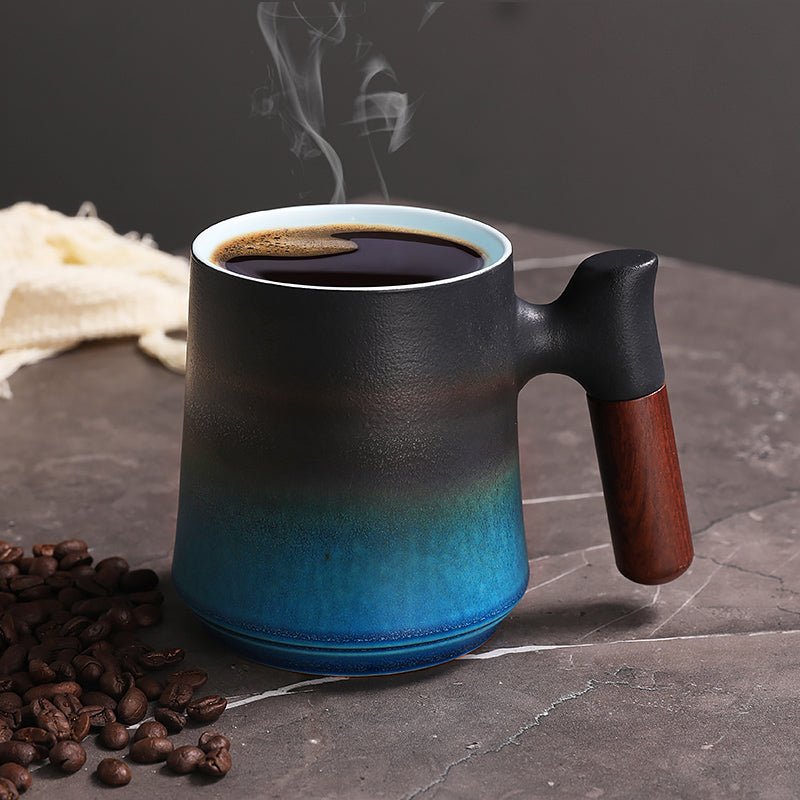
15 oz Coffee Mugs: Size, Fit, and Buyer Checklist
15 oz coffee mugs give you more room for a full pour, milk, or tea without jumping to an oversized cup. We break down fit, shape, care, and the checks that matter before you buy.
En savoir plus
Laisser un commentaire
Ce site est protégé par hCaptcha, et la Politique de confidentialité et les Conditions de service de hCaptcha s’appliquent.