
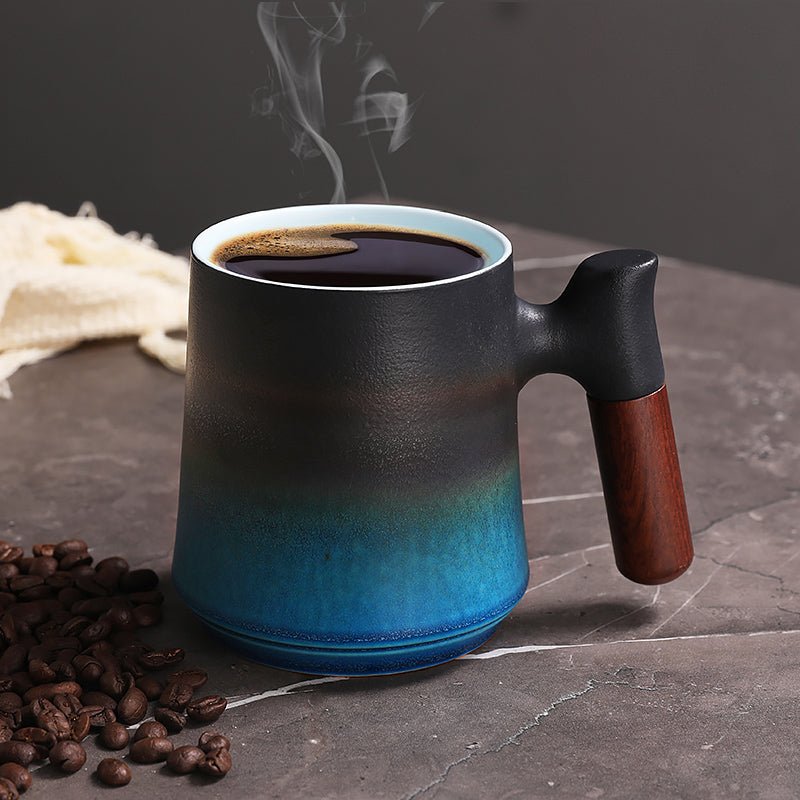
Regular Coffee Mug Size: What Buyers Should Expect Before Ordering
Reading time: about 10 minutes
A mug can look perfectly normal on a product page and still feel wrong in your hand. Too small, and the first pour runs out fast. Too wide, and it cools before you finish. That is why shoppers keep asking about regular coffee mug size before they buy.
In our store, we see this problem play out in real kitchens and offices. Buyers want something that fits a standard coffee maker, sits comfortably under a drip machine, and does not feel bulky on a desk. A true everyday mug usually lands in the middle: not a tiny espresso cup, not a travel tumbler, just a straightforward mug for black coffee, lattes, tea, or hot chocolate.
If you want a quick comparison while you read, our collection of coffee mugs is the easiest place to scan shapes and capacities side by side. For shoppers comparing specific styles, our Retro Coffee Tea Cup, Ball Handled Coffee Tea Mug, and Pleated Coffee Tea Cup are good examples of how size and shape can feel very different even when the mug is still meant for daily use.
What is a regular coffee mug size?
For most shoppers, a regular coffee mug size usually means somewhere around 8 to 12 ounces. That is the range we see people reaching for when they want one serving of drip coffee, a standard latte, or tea without carrying a very large cup around the house.
The phrase sounds simple, but it is not a strict standard. Some brands call a 10-ounce mug regular. Others use 11 or 12 ounces. The real question is not just how much liquid it holds. It is how the mug feels when filled, how high the handle sits, and whether the shape works with your brewer and your cabinet shelf.
That is why size alone does not tell the whole story. A 10-ounce mug with thick walls and a wide base can feel substantial. A 12-ounce mug with a tall, narrow profile may still tuck neatly under a cabinet. A mug’s usable capacity can also feel smaller if the inside tapers steeply or the rim narrows.
| Common mug size | Typical use | Buyer takeaway |
|---|---|---|
| 6 to 7 oz | Small coffee, tea, espresso-style drinks | Best if you prefer short servings, not refills |
| 8 to 10 oz | Standard daily coffee | Often the closest match to regular coffee mug size |
| 11 to 12 oz | Larger drip coffee, lattes, cocoa | Good for bigger pours, but can feel large in small hands |
| 14 oz and up | Long work sessions, oversized drinks | Useful if you want fewer refills, not ideal for compact storage |
How many ounces should a regular mug hold for daily coffee?
If you drink one standard cup at a time, we usually point shoppers toward the 8 to 12 ounce range. That range covers most daily coffee routines without creating problems at the sink, under the brewer, or in the cabinet.
Here is how we think about it in practical terms:
- 8 oz feels compact and controlled. It is a good fit if you drink strong coffee, keep your pour modest, or prefer a mug that never feels oversized.
- 10 oz is often the most balanced size for everyday use. It gives enough room for coffee plus milk without becoming a bulky cup.
- 12 oz works better for people who like a fuller mug, pour from a larger carafe, or want room for foam, cream, or hot chocolate.
We see a lot of shoppers choose too large a mug because they assume bigger is safer. Sometimes it is. Sometimes it is not. A mug that is too large can make a normal pour look small and cool faster if the drink is spread across a wider opening. That matters if you drink slowly at a desk or during a commute before moving to a travel cup.
If you want more background before narrowing the size, our guide Average Coffee Mug Size: What Buyers Should Expect breaks down how shoppers usually interpret everyday mug capacity, and Coffee Mug Ounces: How to Choose the Right Size Before You Buy is helpful if you are comparing ounces first and shape second.
Why does shape matter as much as capacity?
We handle a lot of mugs that hold nearly the same amount but feel totally different. That is because shape changes the way a mug behaves. A wide mug exposes more surface area, so the drink can cool faster. A tall mug usually feels more contained and may fit better under cabinet shelves or some coffee machines. A shorter, rounder mug may be easier to grip but can take up more drawer or shelf space.
Three practical details shoppers often miss:
- Handle clearance: a mug can be the right ounce size and still be awkward if the handle is tight for larger fingers.
- Rim shape: a thin, smooth rim feels more pleasant on the lips than a thick, heavy edge, especially for tea and black coffee.
- Base width: a wider base adds stability on a cluttered desk, but it can crowd a small mug tree or cabinet slot.
That is why style matters even in the same size category. For example, our Ball Handled Coffee Tea Mug has a handle style that changes the feel in hand, while the Pleated Coffee Tea Cup has a different visual profile and hand-feel that may suit someone who likes a more delicate cup. The Retro Coffee Tea Cup leans classic and straightforward for shoppers who want a familiar everyday look.
Which regular mug size works best for coffee makers and small kitchens?
If your mug lives under a drip machine or on a crowded kitchen shelf, size becomes a storage question as much as a drinking question. A regular coffee mug size in the 8 to 10 ounce range is often the easiest compromise for small kitchens. It is usually easier to stack visually, easier to line up in a cabinet, and less likely to feel oversized next to a kettle or coffee station.
For small kitchens, we often recommend checking three things before buying:
- Height under the brewer: taller mugs can block the brew basket or require you to tilt the mug awkwardly.
- Cabinet depth: wide mugs can crowd shelf fronts and make daily grab-and-go use annoying.
- Dishwasher spacing: mugs with large handles or wide rims can bump into each other on the top rack.
If you are setting up a compact coffee corner, our article Best Ceramic Mug Size for a Small Coffee Corner is a useful companion read. It focuses on the practical side of fit, not just the number on the product page.
In our experience, the mugs that cause the most frustration are the ones that technically fit the drink but do not fit the space. A mug should work where you actually use it: beside the coffee maker, on the office desk, or next to the sink when you rinse it between uses.
What material and care details should buyers check before choosing a size?
Most regular coffee mugs are ceramic or porcelain, and that matters because the material affects weight, heat retention, and care. We sell and handle mugs as everyday objects, not display pieces, so we pay attention to the details that affect daily use.
Here is what to look for:
- Material thickness: thicker ceramic usually feels sturdier and holds heat a bit longer, but it can be heavier in the hand.
- Glaze finish: a smooth glazed surface is easier to clean after coffee, tea, or cocoa. Matte finishes can look beautiful but may show handling marks differently.
- Care routine: check whether the mug is easy to rinse, dishwasher-safe for your routine, and comfortable for repeated use. Even if a mug is dishwasher-safe, a large handle or unusual shape can make it awkward to load.
We also look at common defect modes shoppers should know about. A mug can arrive with a small glaze pinhole, a rough spot on the rim, or a handle that feels slightly uneven. Those are the kinds of issues that matter more in daily use than a pretty product photo. If you are comparing a few mugs, it is worth asking whether the rim is smooth, whether the handle feels secure, and whether the base sits flat without wobble.
That is part of the reason we suggest comparing styles before buying from our full mug collection rather than assuming every mug with the same ounce listing will behave the same way.
What regular coffee mug size is not the right choice?
A regular coffee mug size is not ideal for every drinker. If you routinely make oversized lattes, soup, or very large pour-over servings, a standard 8 to 10 ounce mug may feel too small. If you want one mug that can replace a bowl for oatmeal or hot cereal, you will probably want something larger and more open.
It is also not the best pick if you prefer a very long drinking session without refilling. A bigger mug can be more practical for that, but it comes with trade-offs: more weight, more cooling surface, and sometimes a handle that feels less balanced when filled to the top.
On the other side, some shoppers discover they do not want a regular mug at all. They want a tea cup with a lighter feel, a more delicate rim, or a shape that looks better on open shelving. That is where a style like the Pleated Coffee Tea Cup can make more sense than a classic straight-sided mug.
Our best advice: choose the mug for the way you actually drink, not the way a product title describes it.
How do you compare regular coffee mug size options before buying?
We recommend a quick side-by-side check before you order. It takes a minute and avoids the most common regret: buying a mug that is fine on paper but wrong on your counter.
- Check ounces first: decide whether you want 8, 10, or 12 ounces for daily use.
- Check the shape: round, tall, tapered, or more cup-like will change the drinking experience.
- Check the handle: make sure your fingers will fit without touching the mug wall.
- Check your setup: brewer height, cabinet shelf spacing, and dishwasher rack space all matter.
- Check your drink style: black coffee, milk drinks, tea, and cocoa all reward different proportions.
If you want a broader size overview before choosing a specific mug, our posts Average Coffee Mug Size: What Buyers Should Know Before Ordering and Coffee Mug Size Guide for Daily Use, Gifts, and Small Kitchens offer a more complete comparison of everyday use cases.
For shoppers buying a gift, size matters even more. A mug that feels perfect for one person can feel oversized or too small for another. That is why a familiar regular coffee mug size is usually the safest choice if you do not know the recipient’s exact habits.
Frequently asked questions
What is considered a regular coffee mug size in ounces?
Most buyers mean 8 to 12 ounces when they ask for a regular coffee mug size. In practice, 10 ounces is often the most balanced everyday option because it works for standard coffee without feeling too small or too bulky.
Is a 12 oz mug too big for daily coffee?
Not necessarily. A 12 oz mug is a good fit if you like room for milk, foam, or a larger pour. It can feel oversized if you drink small servings or prefer a mug that stays hot longer with less exposed surface area.
What size mug fits under most coffee machines?
Many standard mugs in the 8 to 10 ounce range fit more easily under drip coffee makers and compact brewers, but height matters more than ounce count alone. Always check the mug height against your machine clearance before buying.
Is ceramic a good choice for a regular coffee mug size?
Yes, ceramic is one of the most practical materials for everyday mugs. It holds heat reasonably well, feels familiar in the hand, and is usually easy to clean. The trade-off is weight, since thicker ceramic mugs can feel heavier than thinner cups.
Should I choose a smaller mug for tea and a larger one for coffee?
That depends on how you drink each beverage. If you sip tea slowly, a smaller mug or cup can help keep the drink at a better temperature and give a lighter feel. For coffee with milk or cream, a slightly larger mug is often more comfortable.
If you are still deciding, start with the mug size you will use most days, not the one that only looks good in a photo. Then compare the shapes in our coffee mug collection, and narrow down to the style that fits your counter, your brewer, and your routine. The best regular coffee mug size is the one you reach for without thinking about it.
Read more
Crystal Coffee Mug Buying Guide: What Real Shoppers Should Check
A practical guide to choosing a crystal coffee mug for daily use, gifting, or desk service. We cover the real trade-offs: clarity, weight, comfort, care, and which styles hold up best.
En savoir plus
Coffee Mug Double Wall Buying Guide for Daily Use
A practical look at what a coffee mug double wall actually does, who it suits, and what to check before you buy. We compare everyday comfort, care, and real trade-offs so you can choose the right m...
En savoir plus
Laisser un commentaire
Ce site est protégé par hCaptcha, et la Politique de confidentialité et les Conditions de service de hCaptcha s’appliquent.