
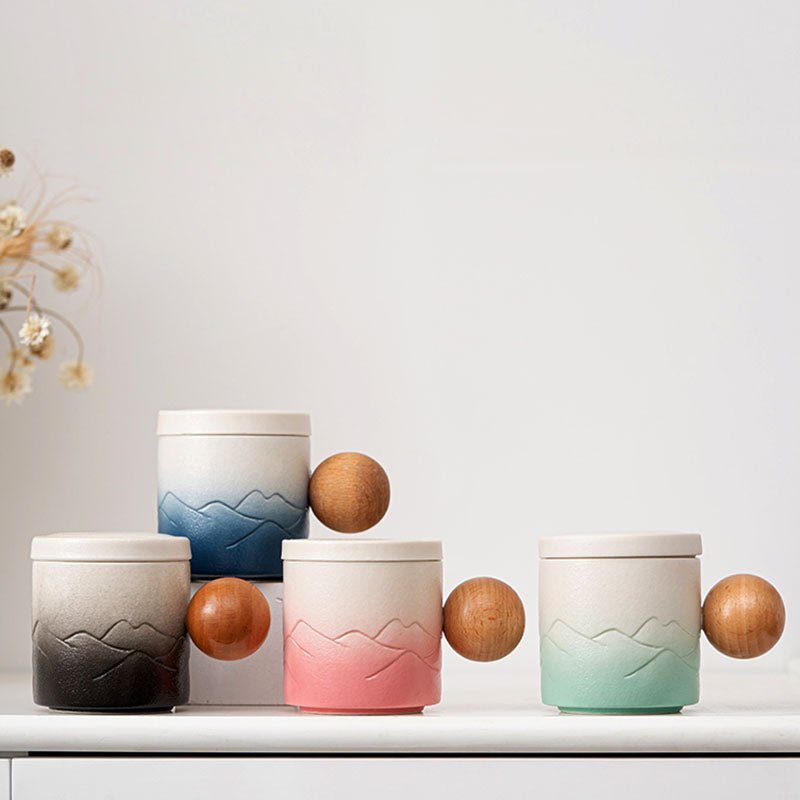
Otagiri Coffee Mug Buying Guide: Condition, Fit, and Daily Use
Reading time: about 9 minutes
A chipped rim, a faded transfer print, and a handle that looks fine until you feel a hairline crack. That is usually the difference between an otagiri coffee mug that earns a place on the shelf and one that ends up in the donation box after one dish cycle.
People shop for an otagiri coffee mug for different reasons. Some want a collectible with that vintage ceramic feel. Some want a daily mug with character. Others just want the shape, the glaze, and the older style without the usual mass-produced look. We handle enough mugs in our store to know the same rule keeps showing up: condition matters more than the label on the bottom.
If you are comparing a vintage find against something new, start by looking at the mug like you would in a real kitchen, not in a listing photo. Ask how it feels to hold, whether the rim is clean, and whether you would trust it for a Monday morning refill. If you want a current, easy-to-shop alternative with a similar practical feel, our all mugs collection is the fastest place to compare styles side by side.
What makes an otagiri coffee mug worth buying?
An otagiri coffee mug is worth buying when the piece gives you both the look you want and the condition you can live with. Many buyers are drawn to the vintage Japanese mug style because it feels more personal than a plain white mug. The trade-off is that older mugs often show normal age marks that do not matter on a shelf but do matter in daily use.
In practical terms, we look for three things first: a solid ceramic body, an intact rim, and a handle that does not flex or show stress lines. A mug can have light glaze crazing and still be fine for gentle use, but a repaired crack, a chip on the lip, or a handle with damage is a different story. That is where the buyer has to decide whether they are shopping for display or for coffee.
We see the best vintage mug buys when the buyer checks the mug like they are going to wash it, fill it, and use it tomorrow morning. If it only looks good from two feet away, it is probably not the right buy.
If your goal is a similar everyday feel without the uncertainty of vintage condition, pieces like our Landscape Coffee Tea Mug and The Gradient Coffee Tea Mug give you a cleaner path to a usable mug with a clear finish. For something lower and a little more retro in profile, the Retro Coffee Tea Cup is a useful comparison point.
How do you check condition before you buy?
Condition is the whole game with an otagiri coffee mug. A clean listing photo can hide a lot, and older glaze work often makes tiny flaws harder to spot. We check the mug in hand the same way we would unpack it for a customer order: from the rim down to the foot ring.
- Rim: Run a finger around the lip. Any chip here affects comfort every time you drink.
- Handle: Look for hairline cracks where the handle meets the body. This is a common failure point.
- Glaze: Light crazing is common on vintage ceramic, but deep crack lines need caution.
- Foot ring: Check for heavy wear, rough sanding, or signs of an old repair.
- Decoration: Faded decals, rubbed color, or missing gold trim matter if you want display value.
| Check | Why it matters | Pass or keep? |
|---|---|---|
| Clean rim | Direct contact point for every sip | Keep if smooth and chip-free |
| No handle stress | Handles fail under heat and washing | Pass if cracked or repaired |
| Light glaze crazing | Common on older ceramic pieces | Usually okay for light use |
| Strong odors | Signals absorbed coffee, storage smells, or moisture | Pass if the smell does not wash out |
If you are new to mug sizing, our related guides on 10 oz Coffee Mug: Size, Fit, and What to Check Before You Buy and 11 oz Coffee Mug: What Buyers Should Check Before They Buy are useful for comparing capacity and hand feel. For bigger everyday cups, the 12 Ounce Coffee Mug Buying Guide: Size, Fit, and Best Uses is the better next read.
Is an otagiri coffee mug good for everyday use?
Sometimes yes, sometimes no. A well-kept otagiri coffee mug can absolutely work for everyday coffee, but only if you are comfortable with the limits of an older piece. If you want a mug for repeated dishwasher cycles, microwave reheats, and rough office use, a newer mug is usually the safer pick.
Here is the honest split we use in our store:
- Good for: light daily use, desk coffee, display shelves, and gift buyers who care about vintage character.
- Not ideal for: microwave use if there is metallic trim or an unknown decal, heavy dishwasher use, or any situation where you cannot inspect the piece closely.
- Best for: buyers who are happy to hand wash and treat the mug like a handled collectible, not a throw-around kitchen cup.
That trade-off is why many shoppers end up choosing a modern mug after comparing options. A new mug gives you less mystery. You know the material, the finish, and what kind of care it wants. If you are shopping for a mug that still feels distinctive but is easier to live with, our store pieces like the Landscape Coffee Tea Mug or The Gradient Coffee Tea Mug are easier to match to a daily routine than a fragile vintage find.
That does not make the vintage choice wrong. It just means the buyer has to be clear about the job. Display shelf? Great. Morning coffee that you rinse by hand? Often fine. Mug that lives in a shared office kitchen and takes abuse? We would steer you toward something newer.
What size and shape feel right in hand?
Size changes how an otagiri coffee mug works in real life. A smaller mug keeps coffee hotter and feels lighter on the desk. A larger mug gives you more room, but it can feel bulky and cool faster if the walls are thin. The right choice depends less on the label and more on how you actually drink.
- Choose a smaller mug if you pour shorter drinks, drink slowly, or want a mug that feels balanced in one hand.
- Choose a medium mug if you want the safest everyday fit for drip coffee, tea, or mixed use.
- Choose a larger mug if you refill less often and do not mind the extra weight when full.
For buyers comparing size rather than style, the hand feel is often more important than the design. A mug with a comfortable handle and a steady base is easier to use every day than a decorative piece that looks great but feels awkward after the first pour. If you want a quick size comparison before you commit, our linked guides on 10 oz, 11 oz, and 12 oz mugs are the most useful checkpoints.
One more practical note: if you plan to use the mug at a desk, check the footprint. A wide body that barely fits under a cabinet or crowds a laptop is annoying fast. We have seen buyers fall in love with a mug visually, then realize it is the wrong shape for an office nook or a small kitchen shelf.
How should you care for an older mug without wrecking it?
Older ceramic needs more restraint than a new everyday mug. The goal is simple: clean it without forcing heat, pressure, or harsh chemicals into weak points. That is especially true if the piece has a vintage glaze, printed design, or any line that looks like a repair.
- Hand wash with warm water and a mild dish soap.
- Use a soft sponge instead of an abrasive scrub pad.
- Dry it fully, including the foot ring, before storing it.
- Avoid thermal shock. Do not move it from a very hot drink straight to a cold sink.
- Skip the microwave if there is any metallic trim, unknown decal, or visible crack.
If the mug has a lingering smell, soak it briefly with warm water and baking soda, then rinse well. If the odor remains after that, we would treat it as a pass. A strong smell usually means the mug has absorbed more than a surface stain, and that is not a good sign for long-term use.
Storage matters too. If you stack mugs, place a soft liner or paper between them so the rims do not knock together. That small habit prevents the kind of edge wear that turns a usable mug into a display-only piece.
Frequently asked questions
How can I tell if an otagiri coffee mug is authentic?
Look at the underside for the maker's mark, and compare it with the decoration style and ceramic finish. Authenticity is easier to judge when the mug has a clear base mark, consistent glaze wear, and no signs of a recent reproduction. If the listing is vague or the underside is hidden, ask for a photo before you buy.
Can I put an otagiri coffee mug in the dishwasher?
Not always. Vintage mugs with decals, metallic accents, or existing crazing are better hand-washed, because dishwasher heat and detergent can wear the surface faster. If you are not sure about the condition, treat hand washing as the safer default.
What should make me pass on an otagiri coffee mug?
Pass on any mug with a crack in the handle joint, a chip on the drinking rim, or a strong odor that does not wash out. We also recommend passing on mugs with visible repairs unless you are buying them only for display. Those issues are the ones most likely to turn into a problem after a few uses.
What size otagiri coffee mug should I buy?
If you drink smaller pours, a 10 oz mug is often a practical starting point. If you want a more standard daily size, 11 oz is a common middle ground, and 12 oz works better for longer coffee sessions or tea. Our size guides for 10 oz, 11 oz, and 12 oz mugs are the easiest way to compare fit before you choose.
Is an otagiri coffee mug good as a gift?
Yes, if the recipient likes vintage style and does not mind hand washing. It is a better gift for someone who collects mugs or likes Japanese-inspired decor than for someone who wants the toughest possible kitchen cup. When in doubt, a new mug with a similar feel is the safer gift choice.
If you are deciding between vintage character and everyday convenience, use this checklist: inspect the rim, check the handle, confirm the size, and decide whether hand washing is acceptable. If you want to compare current options instead of hunting for an older piece, start with our all mugs collection and compare it against the vintage look you had in mind.
Read more
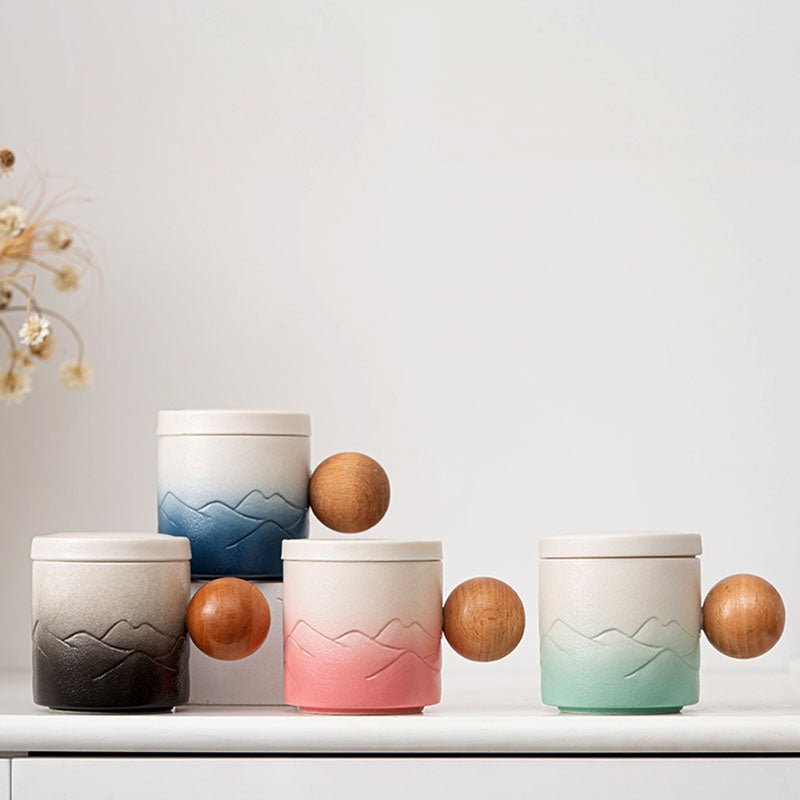
Double Wall Coffee Mugs: How to Choose the Right One for Daily Use
A practical buying guide to double wall coffee mugs, covering heat retention, comfort, care, size trade-offs, and which CoffeifyMug styles fit desk use, gifting, and everyday coffee.
En savoir plus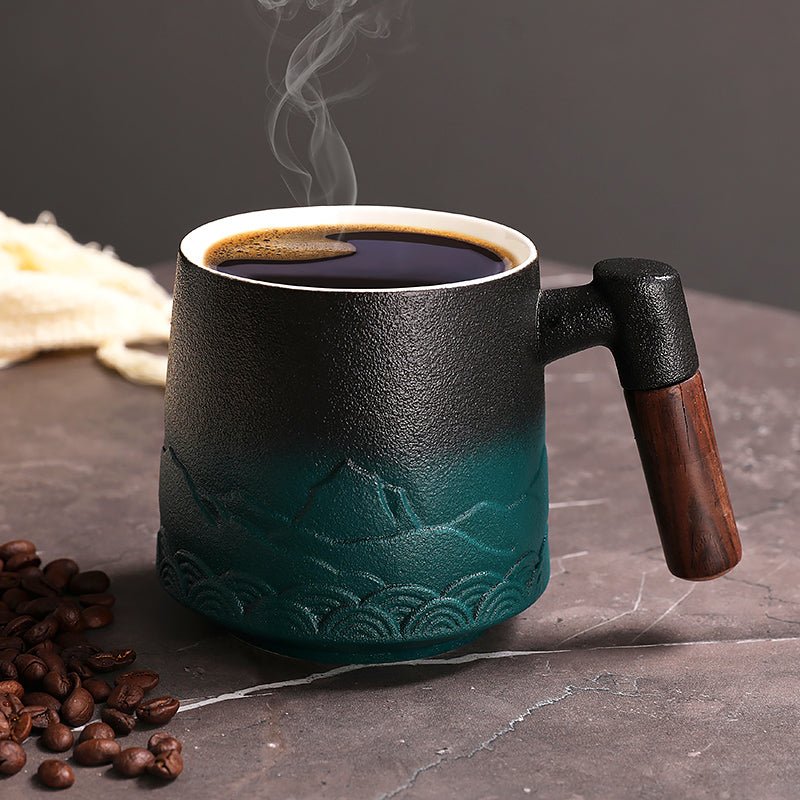
How Many Oz in a Coffee Mug? Common Sizes and Fit Guide
Most coffee mugs are sold around 8 to 16 oz, but the pour you actually drink is usually smaller. We break down the sizes that fit real coffee habits, from quick espresso to a desk mug for drip coffee.
En savoir plus
Laisser un commentaire
Ce site est protégé par hCaptcha, et la Politique de confidentialité et les Conditions de service de hCaptcha s’appliquent.