
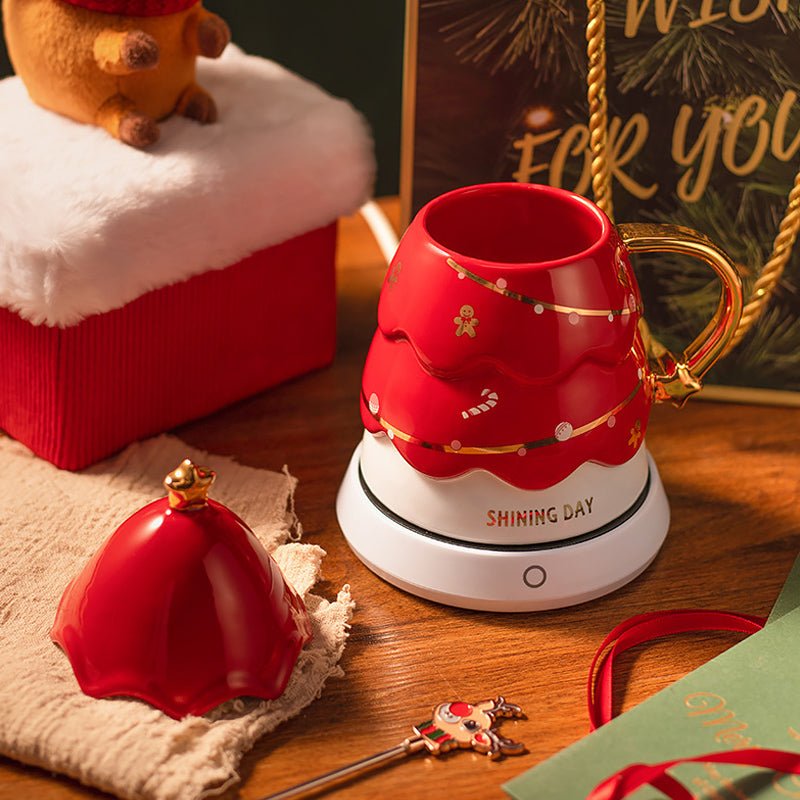
Nightmare Before Christmas Coffee Mug Buyer Guide
Reading time: about 9 minutes
A themed mug tells you a lot before the first sip. If the handle feels cramped, the rim is rough, or the print looks off-center, that mug will bother you every morning. A Nightmare Before Christmas coffee mug should work the same way: it needs to look good on a shelf, but it also needs to survive real use on a kitchen counter, an office desk, and the occasional dishwasher cycle.
For shoppers comparing options, our Christmas coffee tea mug is a useful place to start, and the full collection makes it easier to compare other everyday mug shapes before you settle on one. In our store, we see buyers split into two groups: the people who want the artwork first, and the people who know the handle and capacity will decide whether the mug actually gets used.
What should you check first on a Nightmare Before Christmas coffee mug?
Start with the practical details, not the graphic. The design may be what gets attention, but the mug has to pass the hand test first. We look at three things right away: the handle, the rim, and the base.
- Handle clearance: Make sure two fingers fit comfortably. A tight handle turns a fun mug into a daily nuisance.
- Rim finish: The drinking edge should feel smooth. A rough or uneven rim is one of the fastest ways to regret a purchase.
- Base stability: A mug that rocks on a flat counter is annoying and more likely to chip over time.
If you are buying for a desk, office, or gift basket, that basic fit matters more than extra decoration. A mug that looks great but feels awkward gets pushed to the back of the cabinet. A simpler mug with a balanced shape gets used every week.
There is another detail buyers miss: print placement. On character-themed mugs, the artwork should wrap cleanly and sit where you expect it to. If the image is cropped too close to the handle or looks fuzzy at the edges, it usually reads as a lower-quality piece even if the design itself is strong.
Which size works best for daily coffee?
For most people, the right size depends on how they actually drink coffee. A lot of themed mugs are bought for the art, then returned mentally because they are too small for morning coffee or too large for tea. If you are comparing capacities, our size guides for 10 oz Coffee Mug: Size, Fit, and What to Check Before You Buy, 11 oz Coffee Mug: Size, Fit, and What to Check Before You Buy, and 16 oz Coffee Mug: What Buyers Should Check Before They Buy are the fastest way to compare real-world capacity.
| Size | Best for | Trade-off |
|---|---|---|
| 10 oz | Smaller coffee pours, tea, espresso drinks with milk | Less room for cream, foam, or a larger pour |
| 11 oz | Standard daily coffee and general use | May feel small if you pour a large mug every morning |
| 16 oz | Big coffee, cocoa, iced drinks, long office sessions | Heavier in hand and bulkier in the cabinet |
For a lot of buyers, 11 oz is the safest middle ground. It feels familiar, fits most coffee routines, and does not overpower a desk setup. If the mug is mostly for display or occasional seasonal use, a smaller size can make sense. If it is replacing a work-from-home mug that gets refilled twice before lunch, bigger is usually better.
Is ceramic the better material for this kind of mug?
For a Nightmare Before Christmas coffee mug, ceramic is usually the most practical choice. It has a solid feel, holds heat well for a normal drink window, and gives printed artwork a smoother, more finished look than many lightweight alternatives. That is why most themed mugs people actually keep on rotation are ceramic rather than novelty plastic or ultra-thin drinkware.
There are trade-offs, though. Ceramic is not the best option if you want something that rides in a car cup holder, gets tossed into a gym bag, or travels to work every day. For that use case, a travel mug is the smarter buy. If you want a piece that sits on a kitchen counter, office desk, or holiday shelf and still works for coffee and tea, ceramic is usually the better fit.
- Good signs: a smooth glazed interior, an even foot ring, and a handle that looks thick enough to feel secure.
- Warning signs: pinholes in the glaze, a wobbly base, chipped edges, or artwork that looks blurred near curves and seams.
- Best use case: daily home coffee, tea, cocoa, and gift giving where appearance matters as much as function.
If you are buying a mug mainly because you love the look, ceramic gives the design a more collectible feel. If you are buying because you want something that can take a beating, a travel vessel or insulated tumbler may be the better purchase. We would rather say that plainly than pretend every mug is right for every routine.
What print and finish details separate a keeper from a return?
Print quality is where themed mugs either feel polished or feel cheap. The design should have clean edges, even color, and a consistent finish around the whole cup. A strong graphic can still fail if the transfer looks faded, the wrap is misaligned, or the artwork gets cut off by the handle.
When we inspect mugs in our store, we look for a few specific issues that generic listings often gloss over:
- Ghosting or blur: This makes the image look soft instead of sharp, especially around dark outlines and text.
- Alignment drift: The art should sit level relative to the handle, not appear tilted or squeezed on one side.
- Finish inconsistency: A glossy body with a dull patch or rough spot can point to uneven production.
- Rim or foot damage: Small chips often show up first on the rim and the bottom edge after packing or shipping issues.
If a mug is meant to be used and not just displayed, the printed area should also tolerate normal washing. That does not mean every mug should be scrubbed hard or run through hot cycles without checking the care notes. It means the design should look intentional under everyday use, not only in product photos.
If the listing does not clearly mention dishwasher or microwave safety, treat the mug more carefully until you confirm the care instructions. That is the safest way to keep a printed mug looking good longer.
How should you care for it so the design lasts?
Care is simple, but the details matter. The most common mistakes we see are sudden temperature changes, abrasive scrubbers, and assuming every printed mug can handle the same routine. A mug with a crisp design will usually hold up better if you treat it like a daily kitchen item, not a baking dish.
- Wash it before first use, even if it looks clean out of the box.
- If the listing says dishwasher-safe, use the top rack when possible.
- Avoid steel wool or harsh scouring pads over the printed area.
- Do not move it from very hot liquid to very cold water in one step.
- Let it dry fully before stacking it with heavier mugs.
If the mug has special finishes, metallic accents, or any unusual surface treatment, be even more conservative. Those details can change how it behaves in a microwave or dishwasher. For buyers who want a low-maintenance everyday cup, a straightforward ceramic mug with a simple printed design is usually the most forgiving choice.
Is it a good gift, or better as a personal buy?
This is one of those mugs that can work either way, but the best choice depends on the person receiving it. As a gift, a themed mug works best when the recipient already likes the aesthetic and uses mugs every day. If they mostly drink from travel cups or own a cabinet full of display pieces, the gift may get admired more than used.
For gifting, we prefer a mug that feels useful immediately: comfortable handle, standard size, clear design, and packaging that does not arrive dented or crushed. That is more practical than chasing the most elaborate shape. A well-made everyday mug tends to age better than a quirky novelty mug with awkward proportions.
One more trade-off matters here. If someone is specifically hunting for officially licensed merch, they should confirm the listing language before buying. A themed graphic and an official collectible are not the same thing. The difference affects both the price expectation and the buyer's satisfaction once the mug is in hand.
Frequently asked questions
Can I use a Nightmare Before Christmas coffee mug for tea and cocoa too?
Yes. A good themed ceramic mug works just as well for tea, cocoa, and other hot drinks as it does for coffee. The main thing to check is capacity, because a mug that feels perfect for espresso-based drinks may feel small for a big cocoa or a long tea session.
What size should I choose if I want one mug for every day?
Most buyers do well with an 11 oz mug because it is a familiar middle size. It usually balances hand feel, cabinet space, and everyday coffee use better than a very small or very large mug. If you drink oversized pours, move up to 16 oz.
Is a ceramic mug better than a travel mug for this design?
For display value and home use, yes. Ceramic usually shows themed artwork more cleanly and feels better on a desk or kitchen counter. A travel mug is better only if you need insulation and portability more than shelf appeal.
How do I keep the artwork from fading?
Use the care instructions on the listing and stay conservative if they are not explicit. Top-rack dishwasher use is safer than high-heat, hard-scrub cleaning, and hand washing is the gentlest option for printed mugs. Avoid thermal shock and abrasive pads.
What defects should I look for when the mug arrives?
Check the rim, base, and handle first. Hairline chips, a wobbling base, rough glaze spots, or blurry print edges are the main issues that turn a good-looking mug into a return. If the art is off-center or distorted near the handle, that is another warning sign.
Which option should you compare next?
If you want the simplest path, start with the Christmas coffee tea mug, then compare it against the rest of our collection to see which shape fits your routine. If you are still undecided on capacity, use the 10 oz, 11 oz, and 16 oz guides above and choose the mug that matches how much you actually pour on a normal day.
Read more
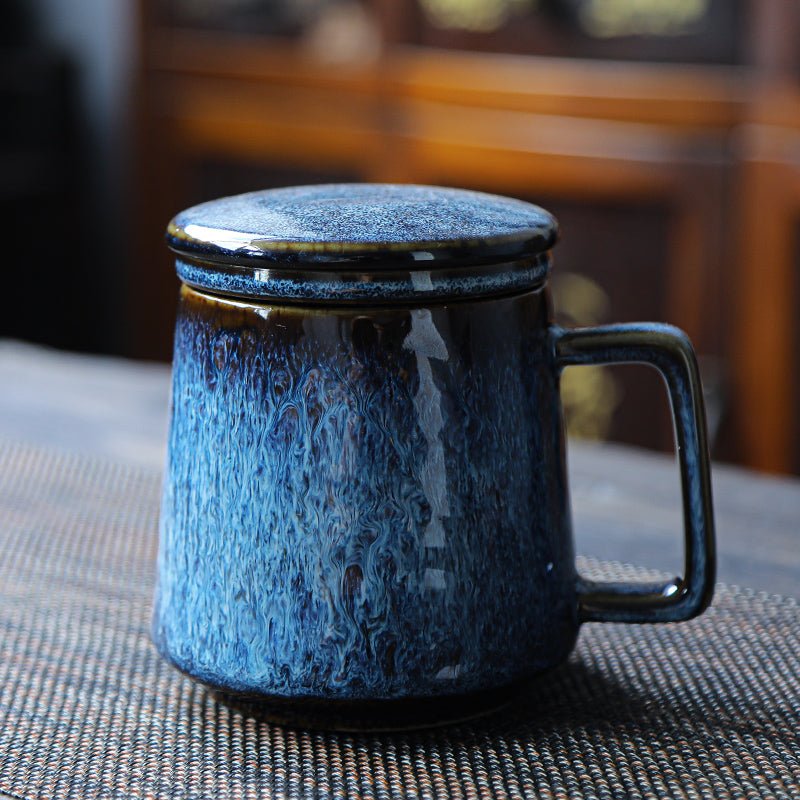
Photography Lens Coffee Mug Buyer Guide: What to Check Before You Buy
A practical guide to choosing a photography lens coffee mug that looks right on a desk, feels good in the hand, and holds up in daily use. We cover size, materials, care, and the trade-offs that ma...
En savoir plus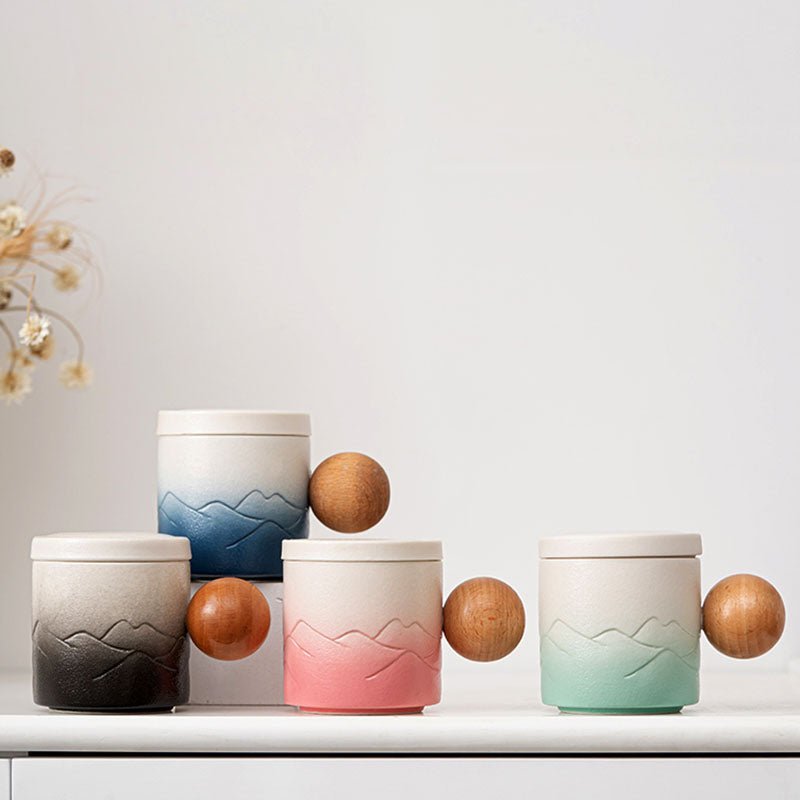
Pier One Imports Coffee Mugs: What to Buy Instead
If you are replacing a favorite Pier One mug, the right choice is usually about shape, handle comfort, and finish quality, not just the look. Here is how we compare daily-use replacements before th...
En savoir plus
Laisser un commentaire
Ce site est protégé par hCaptcha, et la Politique de confidentialité et les Conditions de service de hCaptcha s’appliquent.