
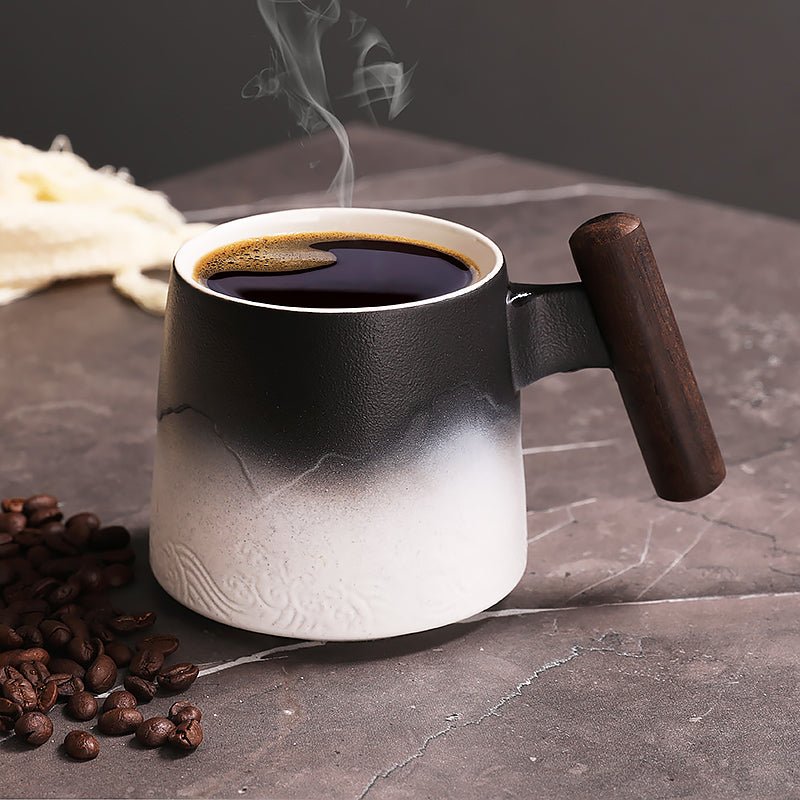
Mug Shots Coffee: How to Choose the Right Mug Before You Buy
Reading time: about 9 minutes
A coffee mug can look right in a product photo and still feel wrong the first morning it lands on your kitchen counter. We see that all the time with mug shots coffee searches: the photo looks clean, the color looks close enough, and then the buyer realizes the handle is tight, the cup is smaller than expected, or the glaze feels different in hand.
That is why we treat mug shopping as more than choosing a print or a color. In our store, we look at the same practical details our customers care about at home, at the office, and when they are unboxing a gift. If you are comparing options now, this guide will help you read the listing the way an experienced buyer would, not the way a casual scroll would.
What should you check first in mug shots coffee listings?
The first thing to check is not the design. It is the mug shape, stated capacity, and material. A round, roomy mug and a tall, narrow mug can both be called coffee mugs, but they do not behave the same on a desk or under a drip machine.
Start with these details:
- Capacity: Look for the ounce size, not just the photo. Our size guides for the 11 oz Coffee Mug and 12 Ounce Coffee Mug Buying Guide are useful if you are deciding between everyday pour and a larger morning cup.
- Material: Most buyers are choosing ceramic, stoneware, porcelain, or stainless steel. Ceramic is the common all-around choice for home and office. Stoneware tends to feel heavier and sturdier. Stainless steel is better for travel, but it does not replace a classic mug for desk coffee.
- Handle size: A mug can hold the right volume and still be awkward if the handle opening is too tight for two fingers comfortably.
- Base and balance: A mug that sits flat and feels stable matters on crowded counters and office trays.
When you browse our full collection, we recommend comparing the stated size with how much coffee you actually pour on a weekday morning. That simple step avoids the most common mismatch: buying a mug that photographs well but disappears under a standard drip coffee fill.
Which mug size fits real daily use?
Size is where most people either overbuy or underbuy. A mug that is too small gets refilled constantly. A mug that is too large cools slowly, can feel heavy when full, and may be awkward for smaller hands.
Here is the practical breakdown we use when helping shoppers choose:
| Size | Best for | Trade-off |
|---|---|---|
| 10 oz | Smaller servings, espresso drinks, tea, compact desks | Not ideal if you like a full drip coffee without refilling |
| 11 oz | Classic everyday coffee, gift purchases, home and office use | Can feel a little small if you like large pours or lots of milk |
| 12 oz | Balanced daily cup, room for cream, flexible use | May still be modest for very large coffee habits |
| 14-16 oz | Larger pours, long work sessions, people who want one mug for a big morning drink | Heavier when full and not always the best fit for smaller hands |
If you want a closer look at how these sizes behave in real use, we have separate guides for the 10 oz Coffee Mug, 14 oz Coffee Mug, and 16 Ounce Coffee Mug Buyer’s Guide. We also keep a practical note on the 15 oz Coffee Mug for buyers who want a bigger cup without jumping straight to oversized drinkware.
Our experience: smaller mugs tend to be better for people who value heat retention and a lighter feel, while larger mugs are better for long desk sessions, slow weekend drinks, and anyone who does not want to refill before the cup is finished. There is no single right answer. The wrong answer is buying based only on the photo.
What makes one coffee mug better than another in daily use?
Photos rarely show the details that matter after the first wash. That is where real-world handling separates a decent mug from one that stays in rotation.
We look for these signs:
- Glaze quality: A smooth, even glaze usually cleans more easily. Uneven finish, rough spots on the rim, or pinholes can be early signs of lower finishing quality.
- Rim feel: The drinking edge should feel comfortable, not sharp or overly thick.
- Handle join: The handle should feel solid where it meets the body. That area takes the most daily stress when a mug is lifted, washed, and stacked.
- Dishwasher behavior: If a mug is intended for dishwasher use, the print and finish should hold up to repeated cycles. If care instructions are hand wash only, plan for that before you buy.
- Microwave use: Ceramic and stoneware are often microwave-friendly, but metallic accents are not. Check the listing before assuming anything.
These are the details that matter at the sink, not just on a product page. A mug that survives a few wash cycles, keeps its finish, and still feels comfortable in the hand is worth more than one that only looks good in a static shot.
How do gift buyers avoid the wrong pick?
Gift mugs fail for predictable reasons. The print is too niche, the mug is too large for the recipient’s routine, or the style is too specific to live happily in someone else’s kitchen.
If you are buying as a gift, keep the decision simple:
- Choose a size that most people can use comfortably. An 11 oz or 12 oz mug is usually safer than a very large cup.
- Pick a neutral color or a design that works on a desk as well as at home.
- Check whether the mug is dishwasher-safe if you want the recipient to use it daily.
- Avoid overly tall or heavy mugs unless you know the person prefers that shape.
- If the mug is meant for a gift box moment, make sure the handle and rim look clean in close-up photos, not just from far away.
For many gift shoppers, the best choice is not the boldest design. It is the mug that feels easy to use immediately. That is the kind of item that stays on the desk after the wrapping paper is gone.
What should you expect from the collection before you buy?
Before ordering, it helps to compare the whole lineup instead of one single product page. Our products page is the place to review the current assortment, while the collection page is better when you want to compare styles side by side.
In our store, we encourage buyers to look at the product shots with a simple question in mind: will this mug work on a Monday morning, not just in a styled photo? That means checking the mug’s proportions, the handle clearance, and whether the design still feels readable when held at arm’s length or sitting on a cluttered kitchen counter.
There are also limits to what a mug can do. A ceramic mug is not the right pick for commuting. A novelty shape may be fun, but it can be less stackable and less practical for everyday cabinets. And a larger mug is not automatically better if you prefer coffee that stays hot and finished in one sitting.
If the mug is going to live at a desk, choose comfort and balance first. If it is for a gift, choose a size and style that is easy to use every day. If it is for travel, step away from the standard mug category and look for insulated drinkware instead.
Which mug material should you choose for your routine?
Material changes the way a mug feels, cleans, and ages. That matters more than many buyers expect.
Ceramic: A practical default for home coffee. It is common, easy to rinse, and usually has enough weight to feel stable. It is not the best choice if you want something lightweight for carrying around the house.
Stoneware: Heavier and often sturdier-feeling. It suits buyers who like a more substantial mug. The trade-off is added weight, which some people dislike on busy mornings.
Porcelain: Typically lighter and finer in feel. Good for a cleaner look, but it can feel less rugged than stoneware.
Stainless steel: Best when durability and temperature retention matter more than classic mug feel. It is not the same experience as drinking from a ceramic mug, so we do not suggest it as a direct replacement for a desk coffee cup.
If you are comparing materials, think about the place the mug will live. Kitchen shelf, office desk, guest cabinet, or gift box. The best answer can change based on that one detail.
Frequently asked questions
What does mug shots coffee mean when shopping for mugs?
People usually use that search to compare coffee mug photos before buying. The useful part is not the phrase itself, but the product images, size details, and care notes attached to the listing. We recommend treating the photos as a starting point and checking capacity, handle size, and material before you order.
Is an 11 oz coffee mug too small for everyday use?
Not for everyone. An 11 oz mug is a strong everyday size for standard coffee, tea, and gift purchases, especially if you prefer a manageable cup that is easy to hold and wash. If you usually pour a large mug or add a lot of milk, a 12 oz, 14 oz, or 16 oz option may fit better.
Are ceramic coffee mugs dishwasher-safe?
Many ceramic mugs are dishwasher-safe, but not all finishes and printed designs are treated the same way. Check the care instructions on the product page before buying. If you want a mug to hold up through regular dishwasher cycles, look for a smooth glaze and clear care guidance.
What mug size works best for coffee at a desk?
For most desk setups, 11 oz or 12 oz is the safest range because the mug is easy to handle and less likely to feel bulky near a keyboard or notebook. If you drink slowly over a long stretch, 14 oz or 16 oz can be better. If your desk is tight on space, avoid oversized mugs that crowd everything else out.
What should I compare before choosing from your collection?
Compare the mug size, handle comfort, material, care instructions, and whether the style fits daily use or gift use. If you want to browse everything in one place, start with our collection page, then narrow down to the shape and size that match your routine. That is usually faster than choosing from photos alone.
What is the smartest next step?
If you are ready to buy, do one practical comparison before checking out: size, handle comfort, material, and care instructions. That four-point check catches most bad fits before they become returns or cabinet clutter.
For size-specific reading, start with the guide that matches your usual pour, then browse the current selection on our products page. If you want the widest side-by-side comparison, use the full collection and choose the mug that fits your hand, your coffee, and your routine first.
More from our blog
Read more
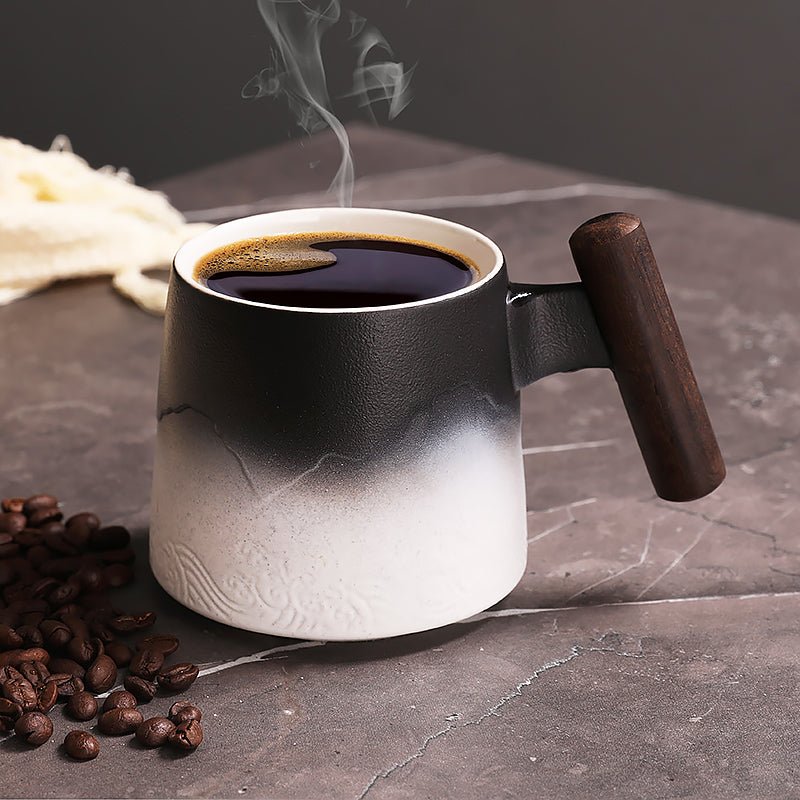
HydroJug Coffee Mug: What to Check Before You Buy
A practical guide to choosing a HydroJug coffee mug, from lid fit and insulation to size, cleaning, and everyday use on desks, in cars, and at home.
En savoir plus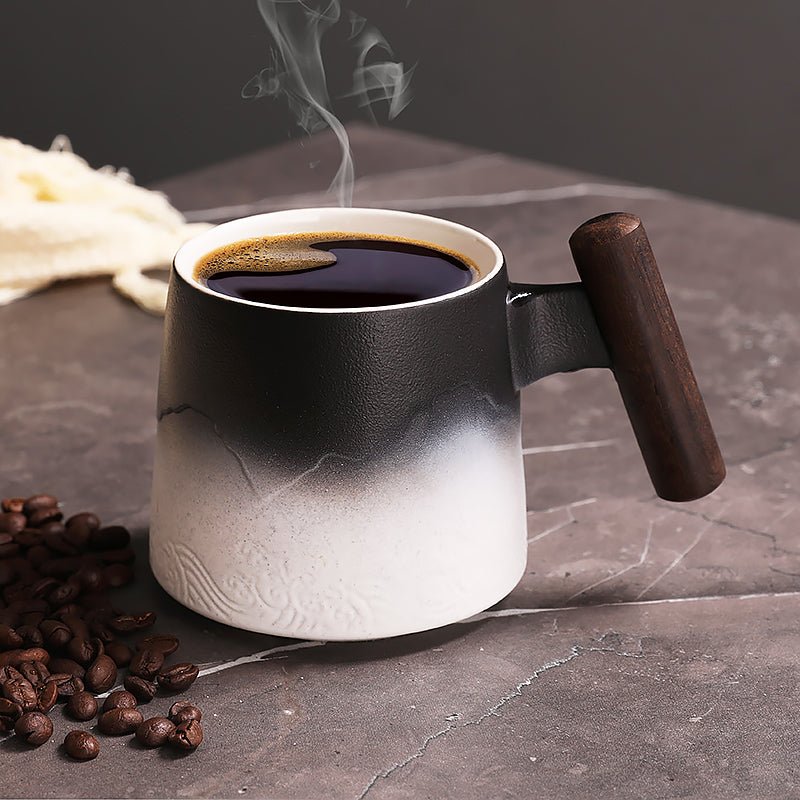
Striped Coffee Mugs: How to Choose the Right One for Daily Use
Striped coffee mugs can look sharp on a shelf and still fail in daily use if the handle, glaze, or size is off. This guide covers the buying checks we use in our store before we recommend one.
En savoir plus
Laisser un commentaire
Ce site est protégé par hCaptcha, et la Politique de confidentialité et les Conditions de service de hCaptcha s’appliquent.