
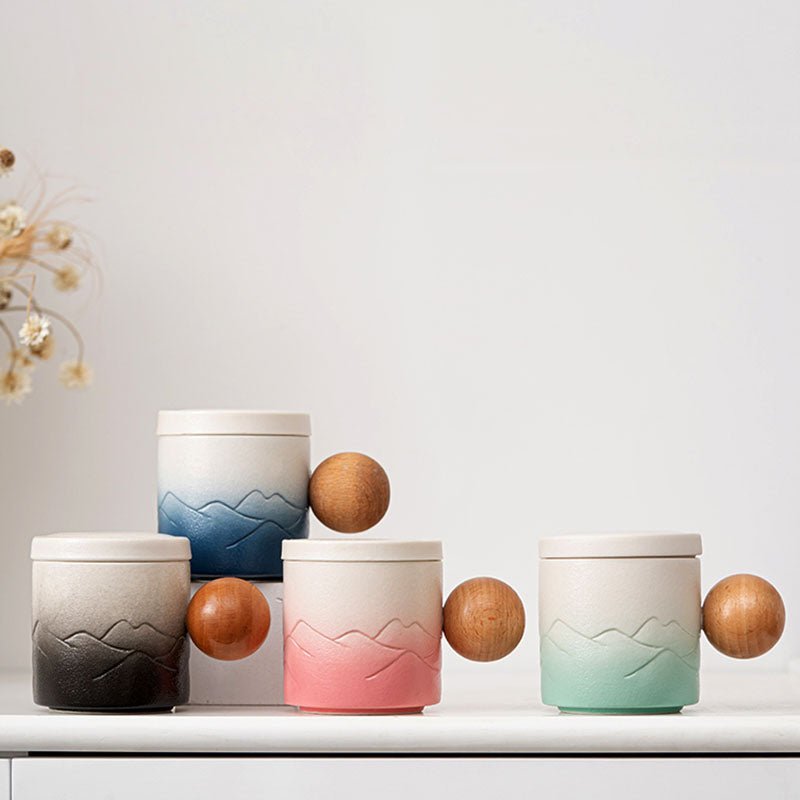
Metal Coffee Mugs: How to Choose the Right One for Daily Use
Reading time: about 8 minutes
A metal coffee mug shows its weak points fast. Put one on a desk beside a laptop, pour hot coffee into it before the room has warmed up, and the details that matter are obvious: whether the rim feels comfortable, whether the handle clears your fingers, and whether the finish still looks good after a few dishwasher cycles. In our store, we see shoppers deciding between a classic shape like the Great Mountain Coffee Tea Mug, a more color-forward option like the Emerald Coffee Tea Mug, or the taller profile of the Landscape Tall Coffee Tea Mug. If you want to compare the full range first, start with our collection.
The short version: the best mug is not the one with the boldest photo. It is the one that matches how you actually drink, wash, store, and gift it.
Which metal coffee mug fits how you actually drink?
We usually start by asking where the mug will live. A mug that stays on a kitchen counter has different needs from one that sits on an office desk or gets wrapped up as a gift. The right choice is usually the one that feels stable in the hand, is easy to rinse, and does not become annoying after a week of daily use.
Our team sees four common buying patterns:
- Desk coffee: pick a mug with a stable base and a handle that does not crowd your fingers. A slightly heavier feel can help it stay put when you bump the desk.
- Tea or cocoa: a shape with a comfortable rim matters more than a flashy finish, since people tend to sip these drinks longer.
- Gift buying: a clean silhouette and attractive color usually matter more than capacity alone, because the mug has to look good during the unboxing.
- Everyday kitchen use: choose a mug that can handle repeated washing without showing obvious wear right away.
Metal coffee mugs are not the best choice for every situation. If someone needs to reheat drinks in a microwave, metal is the wrong material. If they want sealed, insulated carry for a commute, a lidded travel tumbler is usually the better category.
What should you check before ordering a metal coffee mug?
We covered the broader shopping checklist in Metal Coffee Mugs: What Buyers Should Check Before Ordering, but the practical version is simple: inspect the points that affect daily handling, not just the product photos.
| What to check | What you want | What can go wrong |
|---|---|---|
| Rim | Smooth, even edge that feels comfortable on the lip | A sharp edge or rough seam can make the mug feel cheap fast |
| Handle | Enough clearance for your fingers and a solid feel | A tight handle or weak weld point can create pressure spots |
| Finish | Even coating or clean metal surface with no obvious flaws | Pinholes, scratches, or chips can become wear points over time |
| Base | Flat enough to sit still on a desk or countertop | A wobbly base is annoying and easy to knock over |
| Care note | Clear instructions for washing and use | Guessing on care often leads to dull finishes or chipped edges |
Those are the small things generic listings skip. They are also the things customers mention after a week of use. A mug can look great in a photo and still feel wrong if the handle bites into your knuckles or the base slides around on a smooth desk.
If you are shopping for someone else, check for the common defect modes we watch for in this category: a slightly rough rim, a handle weld that feels sharp, enamel chips near the lip, and finishes that show fingerprints or water spots too easily.
Which finish is better: stainless steel or enamel-coated steel?
This is where trade-offs matter. Metal coffee mugs can look clean and practical, but not every finish ages the same way. A stainless steel mug and an enamel-coated mug solve different problems.
| Finish | Best for | Trade-off |
|---|---|---|
| Stainless steel | Daily use, easy rinsing, a utilitarian look | Can show fingerprints and water spots, especially on polished surfaces |
| Enamel-coated steel | Gift buying, color, a more classic camp-style look | Can chip if dropped or stacked carelessly |
| Decorative printed finish | Desk display and visual appeal | Print can dull sooner if it gets heavy washing or abrasion |
What metal coffee mugs are not good for is rough treatment without consequences. If you toss mugs into a crowded sink, stack them loosely in a cabinet, or use abrasive pads on the finish, you will see wear faster. That is especially true with enamel, where a chip at the rim is not just cosmetic. It exposes the base layer and changes how the mug ages.
For taste, the main rule is straightforward: a clean mug with an intact interior should not taste metallic. When coffee tastes off, the more common causes are residue, old soap, or damage to the finish rather than the metal itself.
What size and shape work best at the desk, at home, or for tea?
If capacity matters as much as finish, our size guides for 12 oz coffee mugs, 14 ounce coffee mugs, and 16 oz coffee mugs are useful alongside this guide. The right size is not only about volume. Shape changes how the mug feels in the hand, how much it splashes when you stir, and how much space it takes up in a cabinet or dishwasher rack.
- Shorter, wider mugs feel stable and are easy to stir, which is why many people like them for desk coffee.
- Taller mugs can feel better for tea or longer pours, but they may be less comfortable under some coffee machines and in tight dishwasher slots.
- Moderate-depth mugs are usually the safest choice for daily use because they balance comfort, storage, and spill control.
- Very large mugs are convenient for long sessions, but they can get heavy once filled and may crowd the cabinet faster than expected.
We usually steer shoppers away from choosing based on size alone. A mug that is technically the right capacity can still be awkward if the handle is too narrow or the body is too tall for the way you drink.
How do you keep a metal coffee mug looking good after daily use?
In our experience, most complaints about metal coffee mugs come from care mismatches, not from the mug body itself. Daily cleaning is usually easy if you stay ahead of residue and avoid harsh tools.
- Rinse the mug soon after use, especially after milk drinks or sweetened coffee. Dried residue is harder to remove later.
- Use a soft sponge or cloth. Abrasive pads can scratch decorative finishes and make brushed metal look tired faster.
- Dry the mug after washing if you want to reduce water spots, especially on polished or lighter finishes.
- Keep it out of the microwave. That is a hard stop for metal.
- Be careful with stacking. Rim chips and edge wear often happen in crowded cabinets, not during the first pour.
If the mug has enamel or a printed surface, be gentler with dishwasher cycles and avoid long soaks in harsh cleaners. A dishwasher can be fine for some mugs, but if the care instructions are not explicit, hand washing is the safer default. That is the practical choice when you want the finish to keep looking sharp.
One more limitation: metal coffee mugs are not the best fit for people who want a mug that stays hot for a long commute without a lid. For that job, a true insulated travel mug does better.
Which mug should you start with from our store?
If you want the simplest buying decision, choose the mug that matches your use case first and the finish second. That keeps you from overthinking the listing photos.
| Product | Best fit | Why we would pick it |
|---|---|---|
| Great Mountain Coffee Tea Mug | Everyday use | A solid starting point if you want a straightforward mug that works on a kitchen counter or desk |
| Emerald Coffee Tea Mug | Gift orders and color-focused buyers | Useful when you want the mug to stand out a bit more without looking loud |
| Landscape Tall Coffee Tea Mug | Taller, more vertical profile | Works well if you like a mug that feels more upright in the hand and a little less wide on the shelf |
If you are still undecided, our collection page makes the comparison easier because you can move between shapes before you commit to one finish or silhouette. That is often faster than trying to infer everything from a single product photo.
Frequently asked questions
Are metal coffee mugs safe for hot coffee?
Yes, metal coffee mugs are safe for hot coffee when they are made for drink use and kept in good condition. The main difference from ceramic is heat transfer: thin metal can feel warmer on the outside, so a comfortable handle matters more.
Can metal coffee mugs go in the dishwasher?
Some can, but the finish decides how forgiving they are. Stainless steel is usually easier to live with than decorative enamel or printed surfaces, which can dull or chip faster if they are handled roughly. If the care note is unclear, hand washing is the safer choice.
Do metal coffee mugs change the taste of coffee?
Usually not, as long as the mug is clean and the interior finish is intact. If someone notices a metallic taste, the more likely causes are residue, soap film, or damage to the coating rather than the metal itself.
What should I avoid if I want a metal mug for office use?
Avoid sharp rims, shaky bases, and handles that feel cramped when you hold the mug for more than a few minutes. Also avoid any mug that needs microwave reheating, because metal is the wrong material for that workflow.
Are metal coffee mugs a good gift?
Yes, if the finish is attractive and the shape looks intentional on arrival. They work especially well when the buyer wants something practical but still a little more distinctive than a plain white mug.
If you want the easiest next step, compare the mug shape you use most, check the care note, and then open our full collection to pick the one that fits your desk, cabinet, or gift order best.
Read more
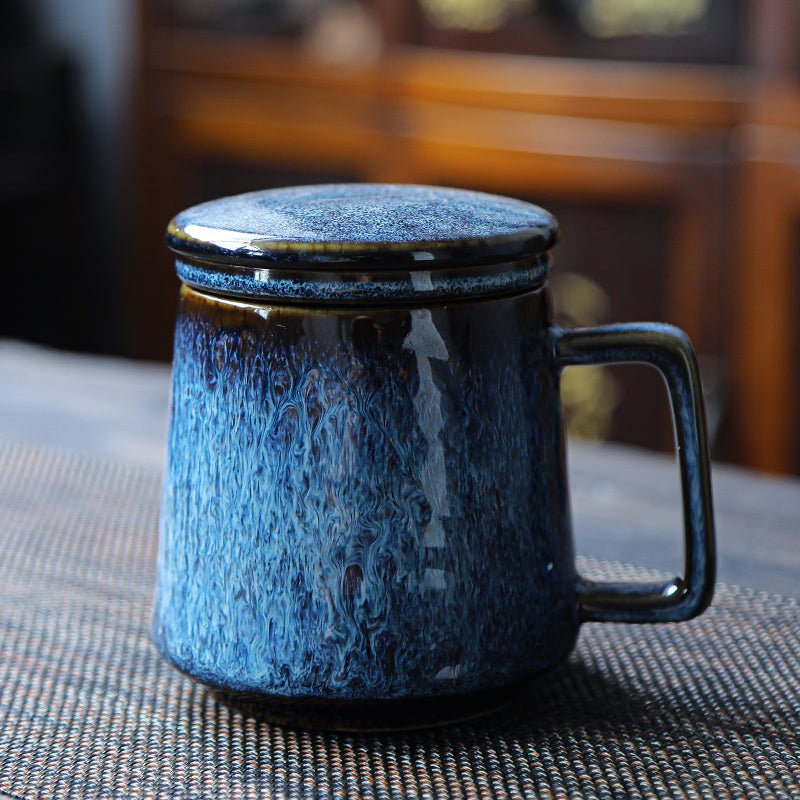
Coffee Mug Printable: What to Check Before You Buy
A practical guide to choosing a coffee mug printable option that actually works in real life. We cover shape, size, care, and the trade-offs that matter for gifts, desks, and everyday use.
En savoir plus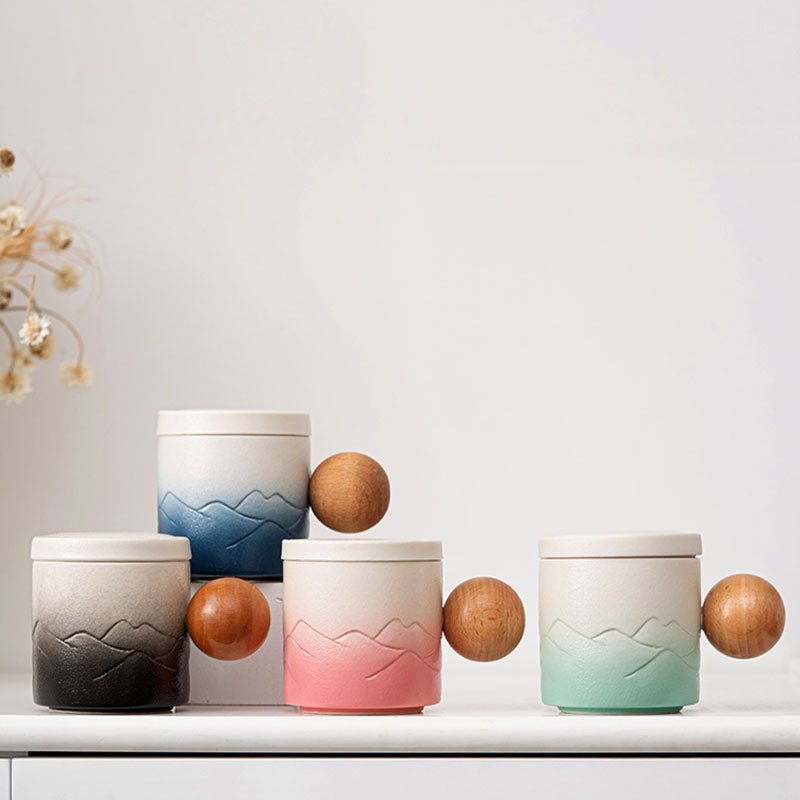
Coffee Mug Storage Ideas for Small Kitchens, Offices, and Gift Sets
Practical coffee mug storage ideas for small kitchens, offices, and gift sets, with rack, shelf, and display options that fit real mug shapes and real counter space.
En savoir plus
Laisser un commentaire
Ce site est protégé par hCaptcha, et la Politique de confidentialité et les Conditions de service de hCaptcha s’appliquent.