
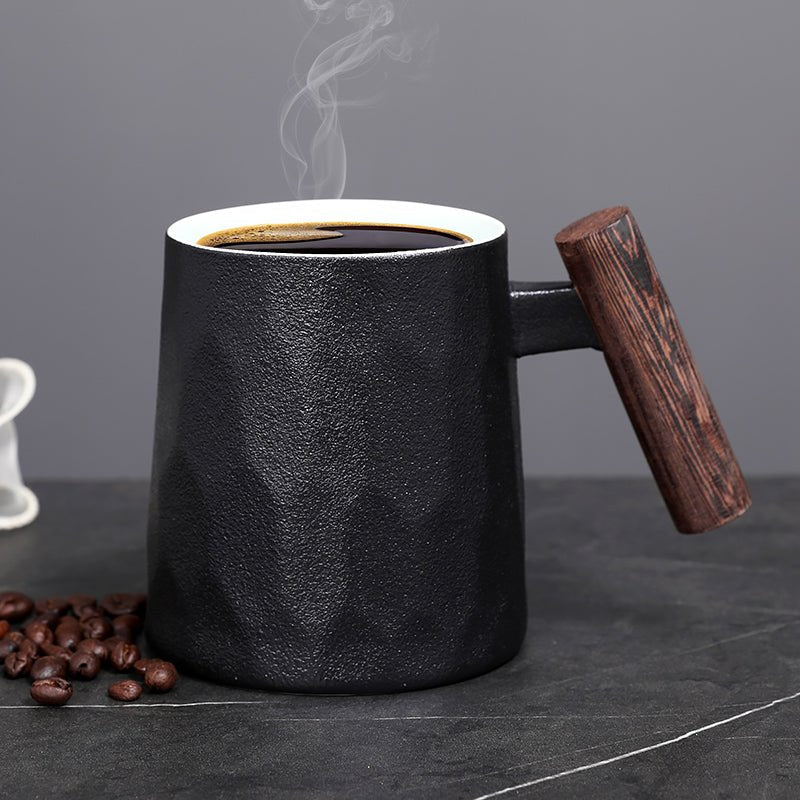
Massive Mugs for Tea: Size, Shape, and Materials That Work
Reading time: about 9 minutes
A full mug of tea on a cold desk is a different purchase than a novelty cup on a shelf. If you keep refilling a small cup before you finish one sit-down, massive mugs for tea can make more sense, but only if the mug is balanced, comfortable to hold, and built for heat.
We see this all the time in our store. Shoppers want a mug that feels generous, but they do not want something so heavy that it strains the wrist when it is full. The useful version of oversized is practical, not awkward.
The biggest mug is not automatically the best mug. A good one is stable on the table, easy to clean, and comfortable enough to use every day.
What size counts as a massive mug for tea?
Most buyers mean anything noticeably larger than a standard tea mug. In practice, that usually starts around 16 oz and moves up through 20 oz, 24 oz, and beyond. The right size depends less on the number itself and more on how you drink tea.
A mug that feels massive on paper can still be a good daily cup if the body is well balanced and the handle is sized for a full pour. A huge mug with a thin handle and a narrow base can feel clumsy the moment you add hot liquid.
- 16 to 18 oz: Good for people who want one generous serving without a lot of extra bulk.
- 20 to 24 oz: Better for long desk sessions, larger tea bags, or loose leaf with room for milk and stirring.
- 24 oz and up: Best for people who truly want a one-mug session, but it can be too heavy for small hands or shallow shelves.
If you are comparing sizes across our catalog, start at our products page and then browse the broader all collections page. That makes it easier to compare shape, finish, and capacity instead of guessing from a single photo.
Which material is best for daily tea?
For massive mugs for tea, material affects weight, heat feel, and how long the mug stays pleasant to hold. We usually see the best everyday results from ceramic or stoneware, but each material has a trade-off.
| Material | What it does well | Trade-off | Best for |
|---|---|---|---|
| Ceramic | Clean look, familiar hand feel, easy to use every day | Can chip if knocked against a sink or counter edge | Daily tea drinkers who want a balanced all-around mug |
| Stoneware | Heavier, sturdy feel, good heat retention for long sipping | Can feel bulky when full, especially at larger sizes | People who like a substantial mug on a desk or kitchen table |
| Porcelain | Often lighter and more refined in the hand | Can feel thinner and less forgiving if you want a very sturdy mug | Shoppers who want a larger mug without a heavy feel |
| Glass | Lets you see the tea color and steeping strength | Usually less insulating and more fragile in daily use | Loose leaf drinkers who care about appearance and brew visibility |
For a mug that will live on a kitchen counter, go into the dishwasher, and get used again the next morning, ceramic and stoneware are the safest starting points. They also hide normal tea stains better than clear glass. That matters more than people expect after a few weeks of real use.
We also tell shoppers to watch the glaze. A smooth interior glaze makes cleaning easier, while a rough foot ring or uneven glazing can collect residue over time. None of that is dramatic, but it affects how the mug feels after the first month, not just on unboxing day.
What shape and handle details make a big mug comfortable?
Shape matters more once the mug gets large. A wide body can feel easy to stir, but it can also cool tea faster because more surface area is exposed. A taller body holds heat better, but it may be harder to clean if the opening is too narrow.
- Handle clearance: Your fingers should not press against the mug body when it is full. A shallow handle gets annoying fast.
- Handle thickness: Thin handles can dig into the hand when the mug is heavy. A slightly thicker grip usually feels better for oversized mugs.
- Base width: A wider base helps prevent tipping on a desk or crowded breakfast table.
- Rim shape: A smooth, even rim makes a large mug easier to drink from, especially if you sip slowly over time.
- Wall thickness: Thicker walls can feel sturdier and hold warmth, but they also add weight.
In our experience, one of the most common problems with oversized mugs is not the bowl shape. It is the handle join. If the handle is attached too high or too thin at the connection point, the mug can feel less secure when it is full. That is the first place we inspect when we are looking at a new batch.
If you want a broader buying framework, our guides on Best Tea Mugs for Daily Use: Size, Shape, and Materials and Big Mugs for Tea: How to Choose the Right Large Mug cover the same decision from slightly different angles.
Which massive mug fits your routine?
The right mug depends on where and how it gets used. A tea mug that works at a kitchen table may be a poor choice for an office desk with limited space. A mug that looks elegant in a gift box may not be the one you actually reach for every morning.
- For a desk setup: Choose a stable mug with a comfortable handle and a body that is not so wide it crowds a laptop or notebook.
- For slow weekend tea: A larger, heavier mug can be pleasant because it keeps the drink feeling settled while you read or cook.
- For milk tea or tea with honey: A mug with enough headroom makes stirring easier and reduces spills.
- For loose leaf tea: A larger opening can make infusers and spoons easier to use, but it may cool the tea more quickly.
- For gifting: Look for a mug that feels substantial without being so oversized that it becomes a display-only item.
This is where trade-offs matter. Massive mugs for tea are not the best choice for someone who wants precise temperature control, very light lift weight, or a compact cupboard fit. If that sounds like the buyer, a smaller tea mug may be the smarter purchase.
For shoppers who want a deeper comparison of mug styles, our article on Ceramic Mugs for Tea: How to Choose the Right Size, Shape, and Finish is a useful companion read.
What should you inspect before you buy?
We check the same few details every time because those are the things that show up in daily use. A mug can look great in photos and still be annoying on a real kitchen counter.
- Check the handle room. Make sure the handle can fit at least two fingers comfortably if you plan to carry it full.
- Look at the base. A flat, even base is more stable on wood, stone, and desk surfaces than a narrow or uneven foot.
- Inspect the rim. A rough drinking edge is a small defect that becomes obvious every time you sip.
- Review care notes. Dishwasher-safe mugs are easier to keep in rotation, but special finishes or metallic decoration may need hand washing.
- Watch for glaze issues. Pinholes, pooling, and hairline crazing can appear in some ceramics. They are not always a deal-breaker, but they are worth noticing before you buy.
A few defect modes matter more on large mugs than on small ones. A wobbly base makes a heavy mug feel less secure. A weak handle join can crack under repeated use. A thick glaze drip on the bottom can scratch shelves or make the mug sit unevenly. These are practical details, not cosmetic nitpicks.
Massive mugs are also not ideal for very small cupboards, crowded mug trees, or tight cup holders. If storage space is already limited, a smaller mug may be the better everyday choice even if the larger one looks appealing.
Where should you start shopping?
If you want to compare styles without bouncing between unrelated categories, start with our products page and then use all collections to narrow by the material or shape you prefer. That is usually the fastest way to move from browsing to a real shortlist.
For more background before you choose, these articles are the most relevant next reads: Big Tea Mugs: How to Choose the Right Large Mug for Daily Tea and Giant Mugs for Tea: How to Choose the Right One. They are useful if you are still deciding between a simple oversized mug and a truly large daily cup.
Our advice is straightforward: choose the largest mug that still feels stable, washable, and easy to hold when full. That gives you the comfort of a bigger pour without buying something that becomes a cabinet problem later.
Frequently asked questions
How many ounces should massive mugs for tea be?
Most shoppers start thinking of massive mugs for tea at around 16 oz, then move up to 20 oz or 24 oz if they want fewer refills. The right size depends on how much tea you drink at once and whether you like extra room for milk, honey, or a tea bag. If the mug will be carried around the house, size should stay tied to comfort as much as capacity.
Are ceramic or stoneware mugs better for large tea servings?
Both are strong options, but they feel different in use. Ceramic usually feels a bit lighter and more straightforward, while stoneware often feels heavier and more substantial in the hand. For everyday tea, we usually recommend choosing the one with the better handle, base, and glaze rather than chasing the material name alone.
Can I put a big tea mug in the dishwasher and microwave?
Many can go in both, but you should check the care notes for the specific mug. Simple glazed ceramic is usually the easiest to live with, while metallic decoration, specialty finishes, or certain printed designs may need hand washing or may not be microwave-safe. If you want low-maintenance daily use, that care label matters a lot.
Do massive mugs make tea go cold faster?
They can, especially if the opening is wide. A larger surface area exposes more tea to air, which can cool it faster than a smaller, narrower mug. If you sip slowly over a long stretch, a taller or slightly thicker mug can help keep the tea pleasant for longer.
What should I avoid in an oversized tea mug?
Avoid a weak handle, a wobbly base, a rough rim, or a mug that feels too top-heavy when full. Those flaws are easy to miss online but annoying in daily use. If a mug looks decorative first and practical second, it may not be the best choice for a real tea routine.
Read more
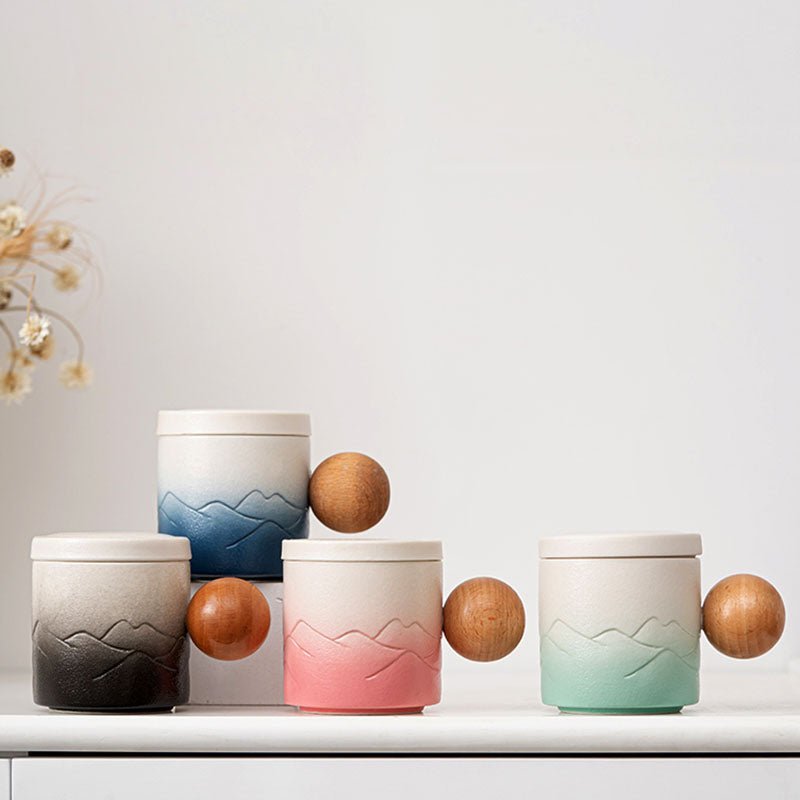
Large Tea Mugs: How to Choose the Right One for Daily Use
Large tea mugs solve a simple problem: a regular cup runs out before the tea break does. Here’s how we help shoppers choose a mug that fits their hand, their desk, and their brewing habits.
En savoir plus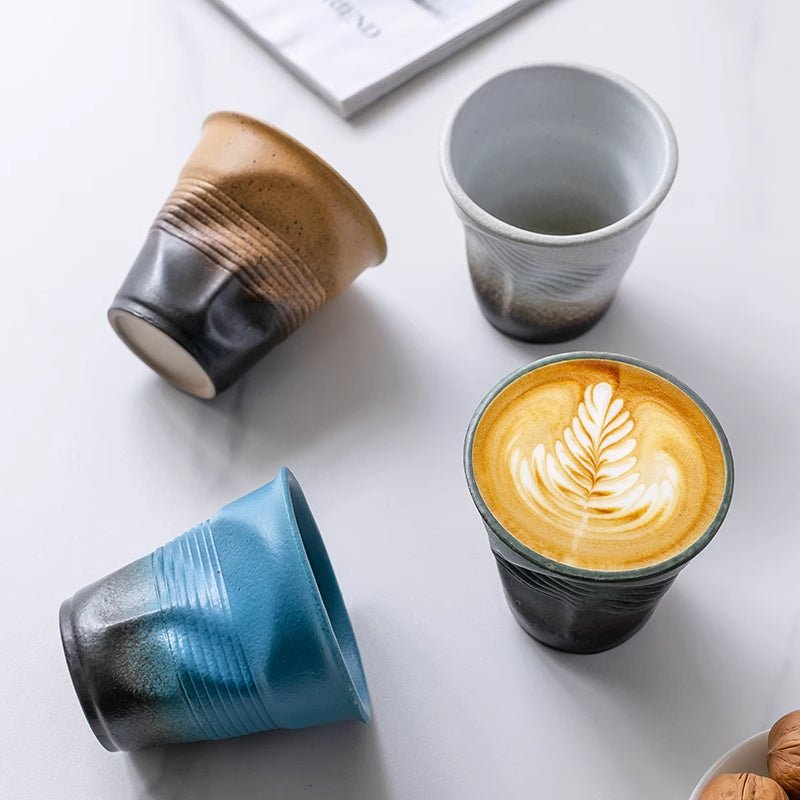
Fancy Tea Cups: What to Check Before You Buy
Fancy tea cups should feel good in the hand, sit flat on the table, and match how you actually drink tea. This guide covers material, size, handle shape, and the trade-offs that matter before you buy.
En savoir plus
Laisser un commentaire
Ce site est protégé par hCaptcha, et la Politique de confidentialité et les Conditions de service de hCaptcha s’appliquent.